
.webp)
Types of Sports Bets Explained
A direct, sourced breakdown of every major sports bet type, including moneylines, spreads, totals, parlays, props, futures, and live wagers, built for bettors who want clarity fast.

The main types of sports bets are moneylines, point spreads, totals, parlays, teasers, prop bets, futures, and live (in-play) bets. Each bet type changes how you win, how much risk you take on, and how the payout gets calculated.
Betting Types: Key Takeaways
Moneylines, spreads, and totals are the three foundational types of sports bets offered at nearly every sportsbook.
- Parlays and teasers combine multiple bets into one wager, raising both the potential payout and the risk.
- Prop bets and futures let you wager on specific outcomes or season-long results instead of a single game's final score.
- Live betting lets you place wagers on any of these bet types after kickoff, with odds shifting in real time.
- Picking the right bet type depends on your risk tolerance, not on chasing the biggest possible payout.
Quick Facts
| Details | Key Feature |
|---|---|
| Difficulty Level | Beginner to Intermediate |
| Estimated Time to Learn | 30 to 45 minutes for the basics |
| Best Suited For | New bettors building a foundation before placing real-money wagers |
| Related Topic | Live, in-play wagering during an active game |
Why Does Understanding Sports Bet Types Matter?
Understanding the types of sports bets matters because each one carries a different risk-to-reward ratio, and picking the wrong one for your goals is the fastest way to burn through a bankroll. A bettor who understands the difference between a moneyline and a parlay makes sharper, faster decisions at the betslip.
Knowing the mechanics behind each bet type also helps you spot value. Sportsbooks price risk differently across bet types, and that gap is where informed bettors find their edge.
How Do the Main Types of Sports Bets Compare?
| Bet Type | What You're Picking | Risk Level | Typical Payout Style |
|---|---|---|---|
| Moneyline | Which team or player wins outright | Low to moderate | Varies with favorite/underdog odds |
| Point Spread | Margin of victory against a handicap | Moderate | Standard, often near -110 |
| Totals (Over/Under) | Combined score of both teams | Moderate | Standard, often near -110 |
| Parlay | Multiple picks combined into one wager | High | Multiplied odds across all legs |
| Teaser | Adjusted spreads or totals across legs | Moderate to high | Reduced payout for safer lines |
| Prop Bet | A specific in-game event or stat | Varies widely | Set independently by the book |
| Futures | A season-long or tournament outcome | High | Long odds, paid out later |
| Live Bet | Any market above, placed mid-game | Varies, shifts fast | Odds update in real time |
What Is a Moneyline Bet in Sports Betting?
A moneyline bet is a wager on which team or player wins the game outright, with no point spread involved. It's the most direct of all the types of sports bets because the final score doesn't matter, only the winner.
Favorites carry minus odds and underdogs carry plus odds, which shapes how much you risk versus how much you can win. This makes moneylines a natural starting point for bettors who want a simple, one-decision wager.
What Is a Point Spread Bet in Sports Betting?
A point spread bet requires a team to win by more than a set margin, or lose by less than that margin, rather than simply winning the game. Sportsbooks set the spread to level two unevenly matched teams and balance the action on both sides. An alternate spread bet allows you to set the spread yourself.
This bet type is especially common in football and basketball, where scoring margins vary widely. A half-point spread is often used specifically to prevent a push, where the bet result would otherwise be a tie.
What Is a Totals Bet in Sports Betting?
A totals bet, also called an over/under, asks you to predict whether the combined score of both teams will land above or below a number set by the sportsbook. An alternate totals bet allows you to set the number yourself. Neither team has to win for this bet to cash, since only the total points, runs, or goals scored matters.
Totals appeal to bettors who have a strong read on pace or scoring trends but no strong opinion on which side wins. Jargon around totals and other markets can get dense fast, and building a working vocabulary of terms like push, vig, and cover makes every other bet type easier to understand.
What Is a Parlay Bet in Sports Betting?
A parlay bet links two or more individual wagers, called legs, into a single ticket that only pays out if every leg wins. The appeal is a much bigger payout from a small stake, since the odds of each leg multiply together. There are multiple types of parlay bets, including correlated parlays, same game teasers. and multi-leg parlays.
The tradeoff is real. One losing leg sinks the entire parlay, which makes this one of the higher-variance types of sports bets available.
What Is a Teaser Bet in Sports Betting?
A teaser bet lets you adjust the point spread or total on multiple legs in your favor, in exchange for a smaller payout than a standard parlay. Bettors commonly tease NFL spreads by six points to turn a risky line into a safer one.
Teasers still require every leg to hit, so the reduced risk on each individual line doesn't remove the all-or-nothing structure of the overall bet. Don't confuse a teaser bet with a pleaser bet, which is much harder to win.
What Is a Prop Bet in Sports Betting?
A prop bet, short for proposition bet, wagers on a specific outcome within a game that isn't tied to the final score, such as a player's total yards or who scores first. These bets exist because bettors want to engage with individual performances, not just the scoreboard.
Prop markets have exploded alongside same-game parlays, which bundle player props with a moneyline or total from the same matchup. A spot bet, which involves betting on a specific, minor occurrence in a game, is a type of prop bet.
What Is a Futures Bet in Sports Betting?
A futures bet is a wager on an outcome that won't be decided until weeks or months later, such as a championship winner picked before the season starts. Odds shift constantly as the season plays out, so early futures often offer the longest, most rewarding odds.
Patience is the real requirement here, since your money is locked up until the season or tournament concludes.
What Is Live Betting Among the Types of Sports Bets?
Live betting, also called in-play betting, lets you place any of the bet types above after the game has already started, with odds adjusting in real time based on what's happening on the field. This turns a single game into dozens of betting opportunities instead of one.
The mechanics behind how live odds move and refresh work differently from pre-game markets, and getting comfortable with that timing is its own skill separate from picking a bet type.
What Are Some Real Examples of Sports Bet Types in Action?
Real examples of sports bet types show how the mechanics play out with actual numbers. If the Chiefs are -7.5 against the Bills, a spread bettor needs Kansas City to win by 8 or more points for the wager to cash.
A parlay example makes the structure clearer. Combining a Lakers moneyline at +120 with a total over at -110 means both legs must hit, and the combined odds pay out higher than either bet alone.
A three-team moneyline parlay across NFL, NBA, and MLB games illustrates the risk curve well. Every added leg increases the payout but also increases the chance that one result breaks the entire ticket, which is why comparing markets across licensed operators, including the coverage found in the Sports Interaction sportsbook review, helps bettors see how odds and bet menus differ from book to book.
What Common Mistakes Do Bettors Make With Sports Bet Types?
The most common mistake bettors make with sports bet types is treating every wager like a coin flip instead of matching the bet type to their actual read on the game. Betting totals when you have a strong opinion on the winner wastes an edge you already have.
Stacking too many legs into a parlay for a bigger number is another frequent error. Each additional leg compounds risk faster than most bettors expect, since a five-leg parlay needs every single pick to land.
Ignoring the vig is a third mistake. That built-in commission is why a coin-flip game still prices out at roughly -110 on each side, not even money. Hedging a bet when you don't need to means that you're paying the vig twice.
How Do Sports Bet Types Compare to Prediction Markets?
Sports bet types differ from prediction markets in how the wager is structured and regulated, even though both let you stake money on an outcome. A moneyline or parlay runs through a licensed sportsbook operating under state and tribal gaming rules, with the book setting odds and paying out winners directly.
Prediction markets frame similar wagers as contracts traded on price movement, which changes the regulatory picture even when the underlying activity looks identical. That distinction is exactly why comparing prediction markets against traditional sports betting matters before you decide where to place a wager.
What Should You Remember About The Different Types of Sports Bets?
The types of sports bets available today range from the simplicity of a moneyline to the calculated chaos of a same-game parlay, and knowing the difference is what separates informed bettors from guessers. Start with moneylines, spreads, and totals, then branch into parlays, props, and futures once the fundamentals feel automatic.
Bodog's approach has always been straightforward: know the bet before you place it. That single habit does more for long-term results than any hot tip ever will.
Types of Sports Bets FAQs
What is the easiest type of sports bet for beginners?
The moneyline is generally considered the easiest starting point because it only requires picking the winner, with no spread or total to calculate.
What does ATS mean in sports betting?
ATS stands for "against the spread," referring to a bet on whether a team covers the point spread rather than simply wins the game.
Can you combine different bet types into one parlay?
Yes, same-game parlays and standard parlays often let you combine moneylines, spreads, totals, and props into a single ticket.
What happens if a spread or total bet lands exactly on the number?
That result is called a push, and the sportsbook refunds the original wager instead of paying a win or collecting a loss.
Is live betting different from pre-game betting types?
Live betting uses the same bet types as pre-game markets, but the odds update continuously as the game unfolds.
Why do favorites have negative odds on the moneyline?
Negative odds reflect a higher implied probability of winning, so you have to risk more money to win the same profit as an underdog bet.
Are futures bets worth the wait?
Futures can offer strong value early in a season when odds are longest, but the money stays tied up until the season or tournament ends.
Continue Learning
- The Ultimate Summer 2026 Sports Betting Calendar: a season-by-season rundown of the biggest betting windows coming up.
- The Six Sports That Define the Summertime State of Mind: a look at which sports dominate bettor attention once the weather turns warm.
- The Best Sports Seasons Ranked: a ranked breakdown of which seasons deliver the most betting value and action.
Sources & Review
Arthur Crowson got his start in traditional newspapers before making the jump to digital media, where he's spent the last ten years writing about poker, finance, crypto, gambling, and emerging tech. Over that time, he's developed a knack for spotting the moments when markets, technology, and gambling pull in the same direction. His work has appeared in publications like PokerListings, CryptoVantage, ValueWalk, and PokerScout.
More Articles like this
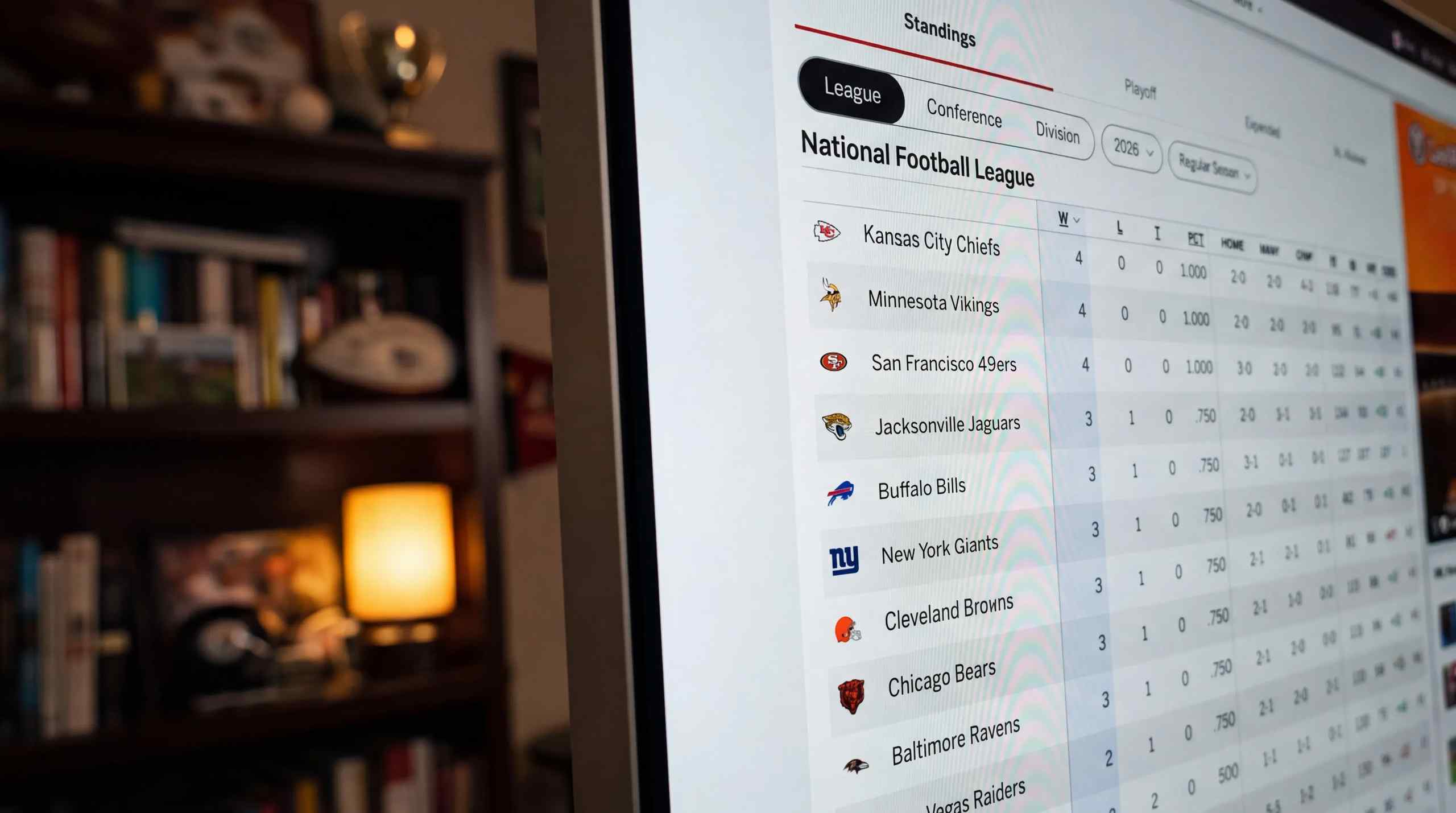
Does a 4-0 NFL Start Mean You're Playoff Bound?
A 4-0 start can put your team on the fast track to the playoffs, but history shows that even Super Bowl champions don't always start strong.
By Marcus Mosher
The 8 Greatest Sports Movies Ever Made, Ranked
Rocky isn't No. 1 by default. We ranked the eight greatest sports movies ever made, from a boxing warhorse to a table tennis fever dream, weighing critical scores against what actually stuck.
By Cole Rush
Which Sports Punish Losing Teams the Most?
From a punishing relegation to first draft pick optimism, discover which sporting leagues have the highest penalties for a losing season and those that feel comparatively lenient.
By Stuart Hughes
MLB Playoff Byes Aren't the Advantage You Might Think
Since baseball went to its current 12-team playoff format, the results show that bye teams only hold a slight Division Series advantage over Wild Card winners.

By Bill Gelman
McKenna, Martone Lead 5 NHL Rookies to Watch
Gavin McKenna and Porter Martone enter as the favorites, but a deep 2026-27 rookie class gives the Calder Trophy race plenty of potential challengers.

By Bill Gelman
Parlaymint Wants to Turn Parlays Into a Team Sport
Parlaymint turns the group parlay into a social sport, giving every bettor one pick, a share of the payout and potentially the entire bill if their leg is the only one that loses.
By Charlon Muscat