
.webp)
What Is an Over/Under Bet?
A clear breakdown of what an over/under bet is, how totals lines work, and how to bet the over or under on any sport with confidence.

An over/under bet is a sports betting wager on whether the combined score of both teams in a game finishes above or below a number set by the sportsbook. You're not picking a winner. You're picking a number.
Over/Under Key Takeaways
- An over/under bet, also called a total, asks whether the combined score of both teams will land above or below a set number.
- Sportsbooks usually add a half point to totals so the bet can never land in a tie.
- When a total lands exactly on a whole-number line, the result is a push and your stake gets refunded.
- Over/under betting works the same across football, basketball, baseball, hockey, and soccer, though the scoring math changes by sport.
- Totals odds typically sit near -110 on both sides, meaning the bet itself doesn't favor either outcome.
Quick Facts
| Category | Key Feature |
|---|---|
| Difficulty Level | Beginner-friendly |
| Estimated Time to Learn | 5 to 10 minutes |
| Best Suited For | Bettors who want a simpler entry point than picking a winner outright |
| Related Topic | Point spread and moneyline betting |
Why Does Understanding an Over/Under Bet Matter?
Understanding an over/under bet matters because it's one of the three most common wagers offered on every sport, alongside the point spread and moneyline. Knowing how totals work lets you shop for better numbers, avoid confusing pushes, and recognize when a line has moved for a reason. That knowledge turns a guessing game into an informed decision.
How Does an Over/Under Bet Look on a Sportsbook Board?
An over/under bet appears on a sportsbook board as a single number, called the total, with odds attached to both the over and the under. The table below shows a typical NFL example so you can see exactly how the pieces fit together.
Over/Under Breakdown
| Component | Example | What It Means |
|---|---|---|
| Total (Line) | 47.5 | The combined score both teams need to clear or fall short of |
| Over | -110 | Wins if the combined score is 48 or more |
| Under | -110 | Wins if the combined score is 47 or fewer |
| Push | Only possible on whole-number lines | Stake refunded if the score lands exactly on the total |
What Is an Over/Under Bet in Sports Betting?
An over/under bet is a wager on the total combined points, runs, or goals scored by both teams, completely separate from which team actually wins. You decide whether the final combined score will finish higher (over) or lower (under) than the number posted by the sportsbook. This makes totals fundamentally different from a moneyline or spread bet, since the winner of the game doesn't factor into the result at all.
How Does an Over/Under Bet Work From Start to Finish?
An over/under bet works by matching your prediction against the sportsbook's total once the final score is official. The total sits alongside the other major markets on a game, and totals betting fits into the broader menu of betting types a sportsbook offers for every matchup. You place your stake on the over or the under, and the bet grades automatically once the game ends, based purely on the combined score.
Placing the Bet Step by Step
- Find the game and locate the "Total" or "O/U" market next to the spread and moneyline.
- Compare the posted number, such as 47.5, against your own scoring projection.
- Select over or under, enter your stake, and confirm the slip.
How Do Sportsbooks Set the Line for an Over/Under Bet?
Sportsbooks set the line for an over/under bet using scoring averages, pace of play, injuries, weather, and matchup data before adjusting for how bettors respond. Oddsmakers build a projected number, then shift it as money comes in on one side to balance their risk. Reading how betting odds work helps explain why totals move throughout the week and why the number you see Monday can look different by kickoff.
What Happens When an Over/Under Bet Lands Exactly on the Line?
An over/under bet results in a push when the combined final score matches the posted total exactly, meaning your original stake is refunded with no win or loss recorded. Pushes only happen on whole-number lines, which is why most sportsbooks add a half point to avoid the outcome entirely. Bettors who want more control over where the number falls can look at what an alternate total offers, since it lets you shift the line up or down for different odds.
Can You Place an Over/Under Bet While a Game Is in Progress?
You can place an over/under bet while a game is in progress, since live totals adjust in real time based on the current pace of scoring. A game that opens at 212.5 points might climb past 224.5 after a fast first quarter, giving in-game bettors a fresh number to react to. Live totals reward bettors who track scoring pace closely rather than only setting a position before kickoff.
Over/Under Bet Examples You Can Learn From
An over/under bet becomes easier to understand once you walk through real scoring scenarios rather than just definitions. Below are two examples that show how the same total plays out differently depending on the final score.
- NFL example: The total is set at 46.5. The final score is 27-24, a combined 51 points. Anyone who bet the over wins, since 51 is more than 46.5.
- NBA example: The total is set at 222.5. The final score is 108-103, a combined 211 points. Anyone who bet the under wins, since 211 falls short of 222.5.
- Hedging scenario: A bettor who took the over pregame but sees the pace slow in the third quarter might look at how to hedge a bet by taking a portion of the under live, locking in a smaller guaranteed outcome instead of riding the full swing.
What Are the Most Common Mistakes Bettors Make With an Over/Under Bet?
The most common mistake bettors make with an over/under bet is assuming the favorite or the higher-scoring team automatically pushes the total over. The combined score matters, not which team scores more of it. Bettors also frequently forget that overtime almost always counts toward the total, which can flip a losing under into a push or a loss at the last second. Another frequent error is ignoring the vig difference between the over and under, since uneven odds like -120 on one side and +100 on the other change the actual value of the bet.
How Does an Over/Under Bet Compare to a Point Spread or Moneyline Bet?
An over/under bet differs from a point spread or moneyline bet because it removes the winner of the game from the equation entirely and focuses only on combined scoring. A point spread asks you to predict the margin of victory, a moneyline asks you to simply pick the winner, and a total asks neither. Bettors who enjoy shorter, faster-paced decisions sometimes drift toward micro-betting markets, and understanding why next-pitch and next-corner betting is taking over shows how that same over/under logic now applies to single plays instead of full games.
How do they compare?
| Bet Type | What You're Predicting | Does the Winner Matter? |
|---|---|---|
| Over/Under (Total) | Combined score of both teams | No |
| Point Spread | Margin of victory | Yes, plus the margin |
| Moneyline | Which team wins outright | Yes |
Bodog Insight: Getting the Most Out of an Over/Under Bet
An over/under bet stays one of the simplest, most beginner-friendly wagers in sports betting because it strips the decision down to a single number. You're not handicapping a matchup between two teams. You're handicapping pace, scoring environment, and situational factors like weather or injuries. At Bodog, totals betting works the same way across every sport on the board, so the skills you build on an NFL total carry directly into NBA, MLB, and soccer markets. Start small, track your results, and let the pattern of your wins and pushes teach you where your edge actually lives.
Over/Under FAQs
What does over/under mean in betting?
Over/under in betting refers to a wager on whether the combined score of both teams will finish above or below a number set by the sportsbook.
Is over/under the same as a total bet?
Yes, over/under and total bet describe the exact same wager, and sportsbooks use the terms interchangeably.
What happens if the score lands exactly on the over/under number?
If the final combined score lands exactly on the number, the bet is graded as a push and your stake is refunded in full.
Do overtime points count toward an over/under bet?
Overtime points almost always count toward an over/under bet unless the market specifically states it covers regulation time only.
Why do sportsbooks use half points on totals?
Sportsbooks use half points on totals to eliminate the possibility of a push, guaranteeing a clear winner and loser on every bet.
Can you bet the over/under on individual player stats?
Yes, over/under betting extends to player props, such as passing yards or three-pointers made, using the same over-or-under structure.
Continue Learning
- How Does Live Betting Work: a closer look at how odds and totals shift in real time once a game is underway.
- Next Pitch, Next Corner: Why Micro-Betting Is Taking Over: an inside look at how single-play totals are reshaping how fans bet.
- Why People Love Betting on Sports They Barely Understand: a look at the psychology behind casual totals and prop betting.
Sources & Review
The Bodog editorial team is comprised of experts in the iGaming, Sportsbetting, Lifestyle, Travel Wellness and Casino space.
More Articles like this
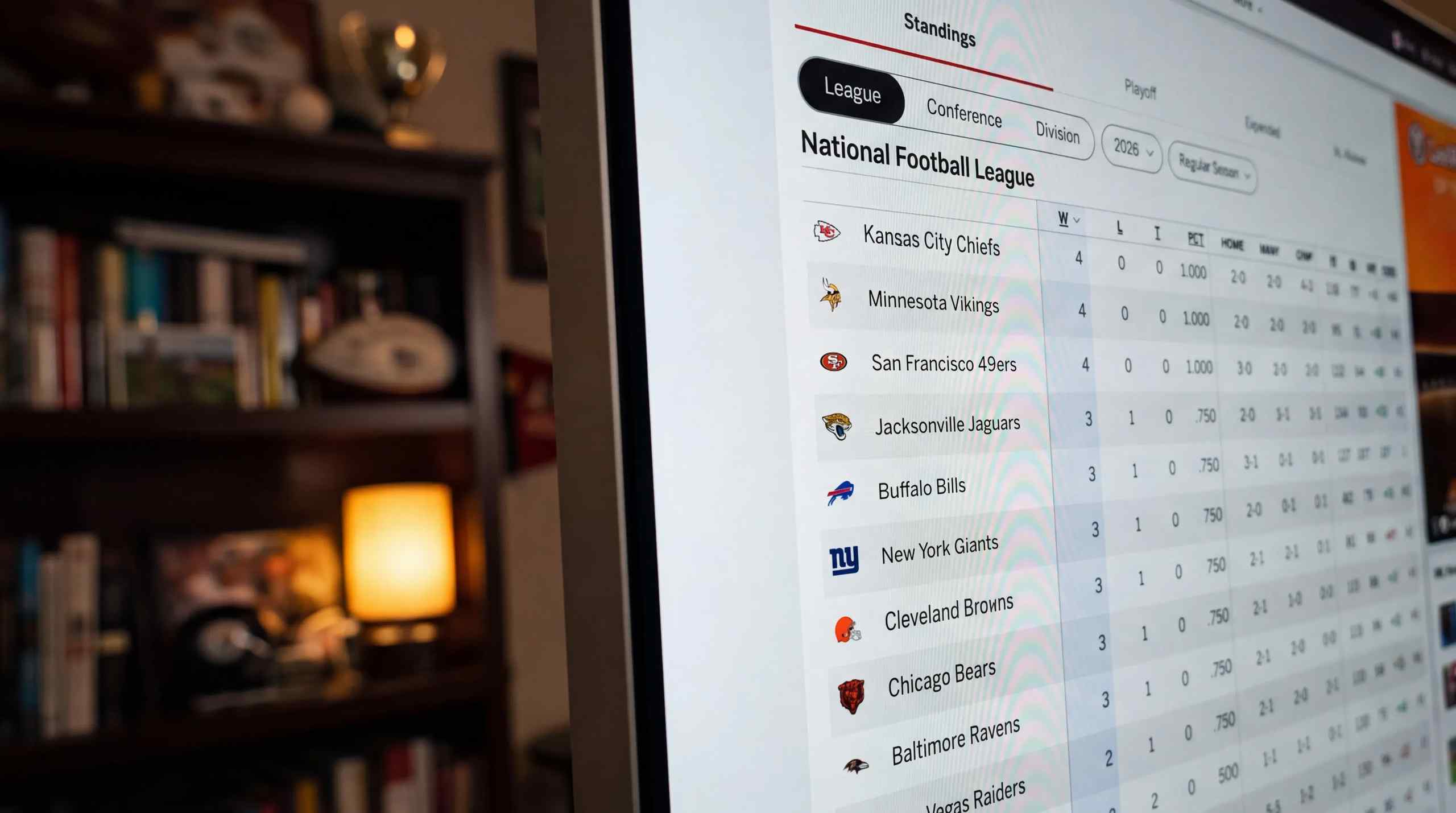
Does a 4-0 NFL Start Mean You're Playoff Bound?
A 4-0 start can put your team on the fast track to the playoffs, but history shows that even Super Bowl champions don't always start strong.
By Marcus Mosher
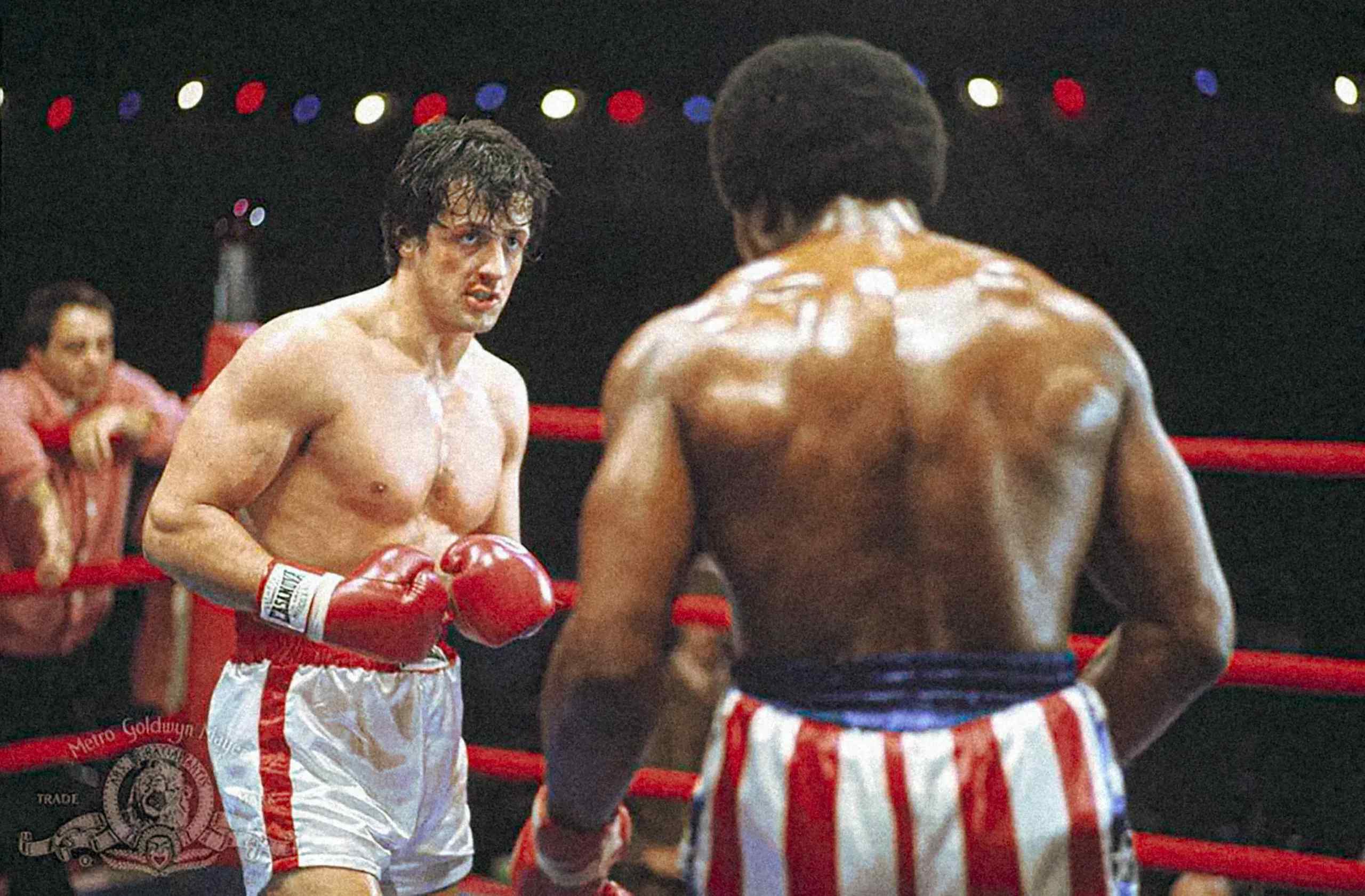
The 8 Greatest Sports Movies Ever Made, Ranked
Rocky isn't No. 1 by default. We ranked the eight greatest sports movies ever made, from a boxing warhorse to a table tennis fever dream, weighing critical scores against what actually stuck.
By Cole Rush
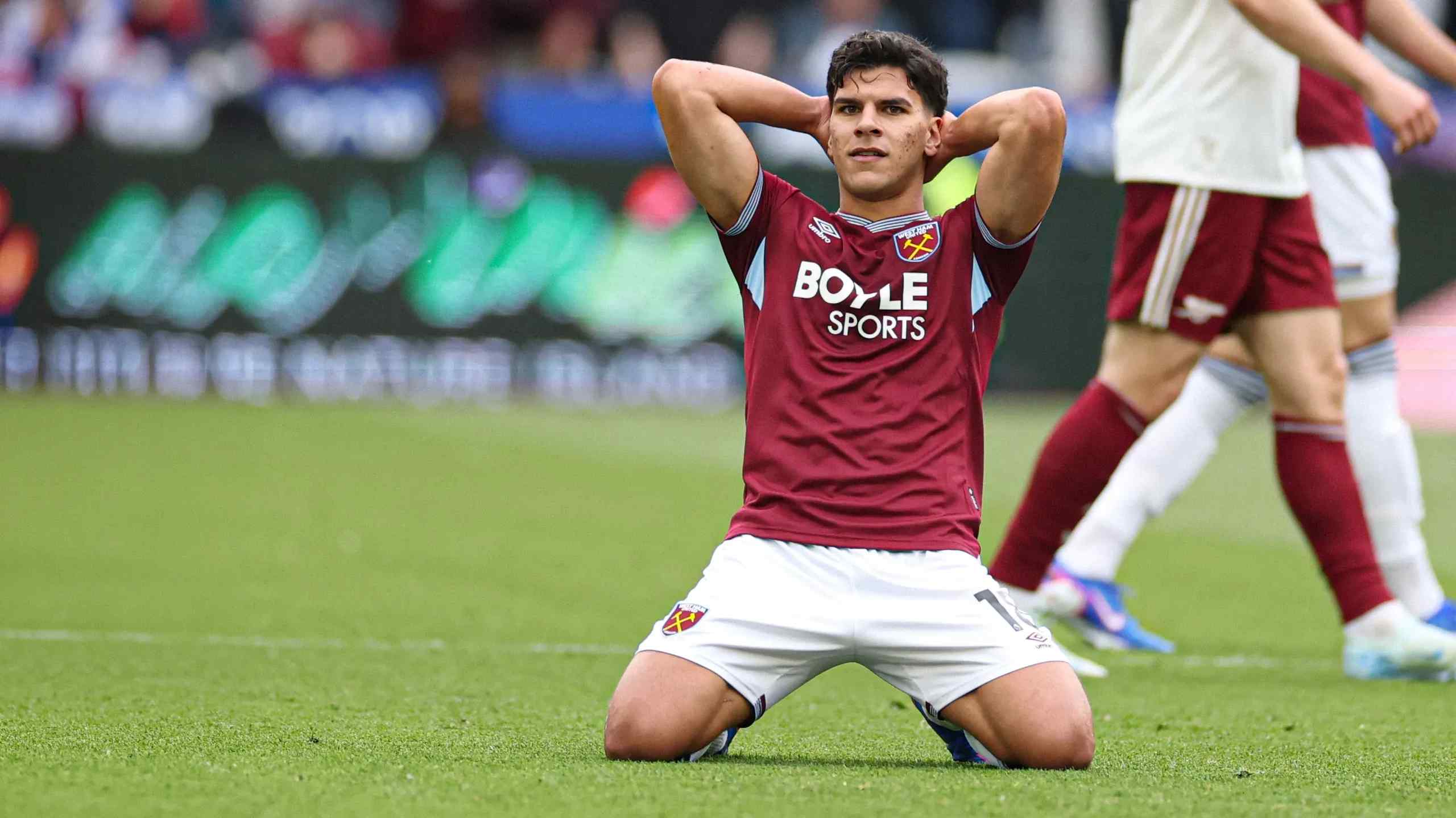
Which Sports Punish Losing Teams the Most?
From a punishing relegation to first draft pick optimism, discover which sporting leagues have the highest penalties for a losing season and those that feel comparatively lenient.
By Stuart Hughes
MLB Playoff Byes Aren't the Advantage You Might Think
Since baseball went to its current 12-team playoff format, the results show that bye teams only hold a slight Division Series advantage over Wild Card winners.

By Bill Gelman
McKenna, Martone Lead 5 NHL Rookies to Watch
Gavin McKenna and Porter Martone enter as the favorites, but a deep 2026-27 rookie class gives the Calder Trophy race plenty of potential challengers.

By Bill Gelman
Parlaymint Wants to Turn Parlays Into a Team Sport
Parlaymint turns the group parlay into a social sport, giving every bettor one pick, a share of the payout and potentially the entire bill if their leg is the only one that loses.

By Charlon Muscat