
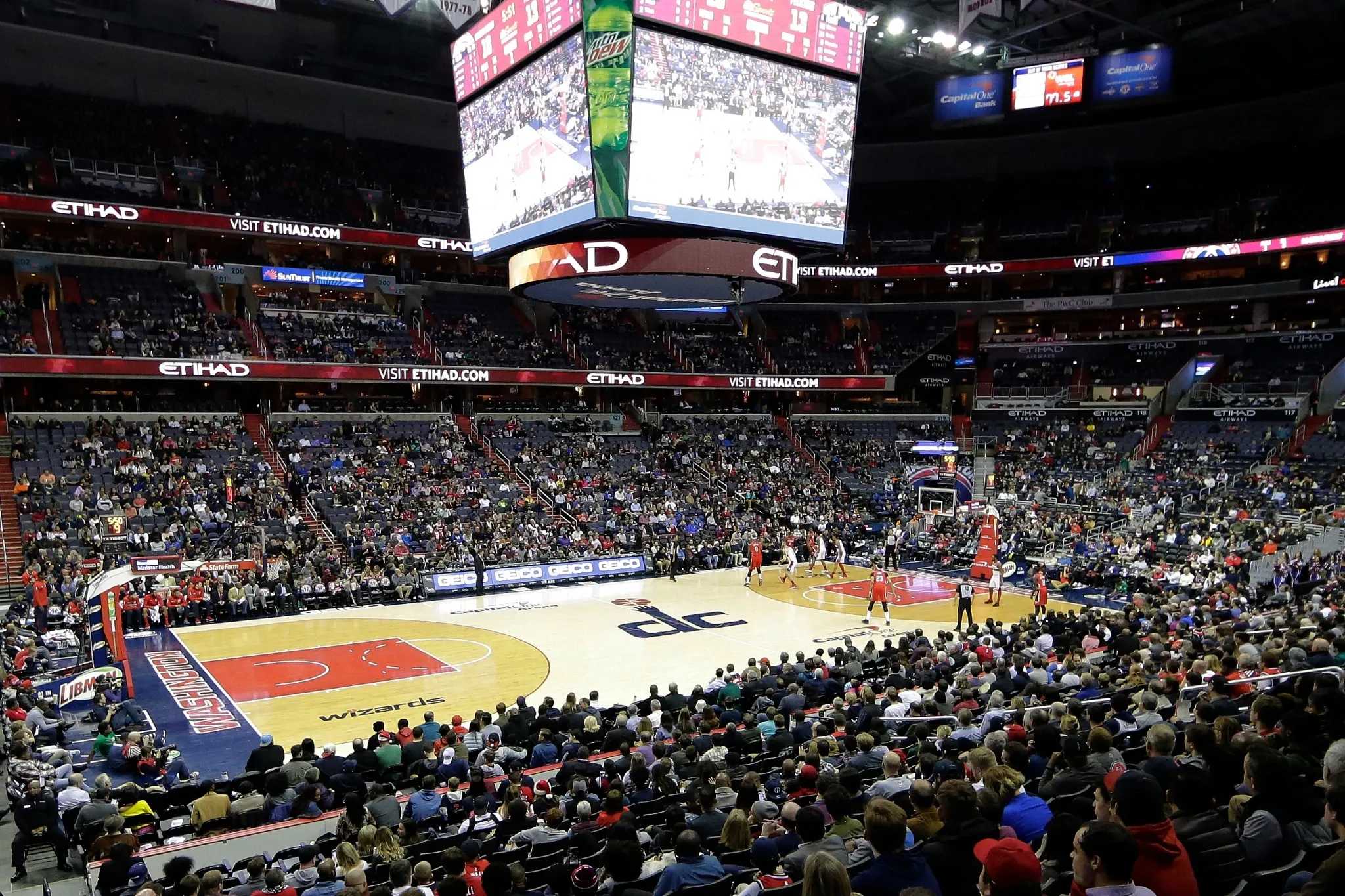
How Does Live Betting Work?
A practical breakdown of how live betting works, covering real-time odds, bet delay, and in-play strategy so bettors can wager confidently once a game starts.

Live sports betting works by letting you wager on a game after it starts, with odds that update continuously based on the score, clock and momentum. Sportsbooks run algorithms that reprice moneylines, spreads and totals in real time, so every play changes what's on offer.
Key Takeaways
- Live betting odds update constantly during a game, driven by data feeds and pricing algorithms rather than a fixed pregame number.
- Bet delay, the short pause between clicking "place bet" and confirmation, exists so sportsbooks can verify no major play happened first.
- Standard live markets include moneylines, spreads and totals, plus faster-moving micro-markets like next score or next possession.
- Live betting rewards quick decisions, so a strategy and a bankroll plan matter more once the clock starts.
- Hedging becomes possible mid-game, letting bettors lock in profit or cut losses before the final whistle.
Quick Facts
| Category | Detail |
|---|---|
| Difficulty Level | Beginner to Intermediate |
| Estimated Time to Learn | 15 to 20 minutes for basics, several sessions to build strategy |
| Best Suited For | Bettors who already understand moneylines, spreads and totals |
| Related Topic | Micro-betting and next-play markets within live wagering |
Why Does Understanding Live Betting Matter?
Understanding live betting matters because the odds you see change faster than most bettors expect, and reacting without a plan costs money. Live markets move within seconds of a scoring play, so knowing how pricing works helps you separate a genuine value shift from a knee-jerk overreaction.
It also matters because live betting now makes up a massive share of sportsbook activity. Learning the mechanics early means fewer impulse bets and more decisions backed by an actual read on the game.
How Does Live Betting Compare to Pre-Game Betting at a Glance?
| Feature | Legs Drawn From | Lines Adjusted? |
|---|---|---|
| When You Bet | Before kickoff or tip-off | After the event has started |
| Odds Behavior | Fixed until kickoff | Updates continuously in real time |
| Decision Window | Hours or days | Seconds between plays |
| Market Volume | Widest selection available | Narrower but faster-moving selection |
| Best For | Research-driven bettors | Bettors reacting to live game flow |
What Happens When You Place a Live Bet?
What happens when you place a live bet is that your wager gets checked against the current game state before it locks in, not just submitted instantly. As the game progresses, betting may briefly pause while the sportsbook recalculates prices, and this short delay ensures wagers are placed using the most current information before odds reopen. That pause, often called a bet delay, protects both the book and the bettor from pricing a wager on outdated information.
Odds are subject to change at any time and often change frequently in real time, so the number you tap might not be the number you get once the system confirms your slip. Most apps flag this clearly and ask you to accept the new price or cancel the bet.
What Types of Live Bets Can You Place During a Game?
The types of live bets you can place during a game mirror the standard pregame options, just with numbers that move as the action unfolds. The most common live bets mirror what you see pregame, including a live spread that changes as one team builds or blows a lead, a live total tracking the game's final combined score, and a live moneyline reflecting shifting win probability.
Live betting typically includes moneylines, point spreads and totals, and depending on the sport and game situation, you may also see live prop bets such as player performance wagers or short-term bets like the next score or play outcome. These bet types work the same way they do before kickoff, and reviewing the full range of standard sports betting formats makes the live versions easier to read once the game is underway.
What Powers Live Betting Odds Behind the Scenes?
What powers live betting odds behind the scenes is a combination of real-time data feeds and pricing algorithms that almost never involve a human typing new numbers by hand. Bookmakers employ a combination of technology and expertise to set live betting odds, collecting vast amounts of data in real time, including live feeds of the game, player statistics and other relevant information, then running advanced algorithms that adjust odds accordingly and react instantly to changes.
While sportsbooks do also employ odds compilers who are essentially sports traders, live, in-play odds are almost solely run by machines, which allows sportsbooks to offer a far greater variety of in-play betting options while maintaining their edge. The result is a market that reprices itself every time the game state shifts.
How Does Bet Delay Affect Live Betting Timing?
Bet delay affects live betting timing by giving the sportsbook a small buffer to confirm nothing changed on the field before your wager gets accepted. The main hurdle to in-play wagering is time, since players will be lucky to have 10 to 20 seconds between plays to grab an in-play line of their liking, whereas pregame bettors have hours or days to plan.
Broadcast delay complicates this further, because the stream you're watching often trails the real action. Betting on what you just saw on screen can mean betting on a price that has already moved by the time your wager reaches the book.
Which Sports Work Best for Live Betting?
The sports that work best for live betting are the ones with frequent scoring chances and clear stoppages, since both create fresh pricing moments. All major U.S. markets, like NFL, NBA, NHL and MLB, as well as soccer, tennis and a variety of niche sports, feature in-play wagers. Basketball and soccer tend to produce the fastest odds swings because scoring runs shift win probability quickly, while baseball resets naturally between innings.
What Are Real Examples of Live Betting in Action?
Example 1: Chasing a Bigger Number on an Underdog. A heavy favorite falls behind early, and the underdog's live moneyline lengthens because the model reads the scoreboard shift as a real change in win probability. If a heavy favorite in an NFL game falls behind 14-0 in the first quarter, the live odds will adjust, and that favorite might now be available at a much better price than it was before kickoff. A bettor who believes the comeback is coming can grab a better number than the pregame line offered.
Example 2: Locking In a Profit Mid-Game. A bettor who took a big pregame underdog price watches that team build a comfortable lead. If the Golden State Warriors go off at a pregame moneyline of +500 against the Los Angeles Lakers and jump out to a 12-point lead, resulting in an in-play line of +200 on the Lakers, the bettor can now bet an equal amount on the Lakers and guarantee themselves a profit. Working through how to hedge a bet before the game even starts makes this kind of mid-game adjustment far less stressful when the moment actually arrives.
What Are Common Mistakes Bettors Make With Live Betting?
- Betting on a delayed stream. Watching a broadcast that lags behind the actual game means reacting to a play the sportsbook already priced in seconds ago.
- Ignoring the vig on live lines. Because live odds involve more uncertainty and rapid changes, sportsbooks often build in a bit more juice on these bets, so lines like -115 or -120 may appear where pregame odds sat at -110.
- Chasing every line movement. Reacting to each odds shift without a plan turns live betting into pure impulse rather than strategy.
- Assuming all markets stay open. In-play bet types are less prevalent compared to pregame, since a site might list 200 pregame NFL wagers but limit in-play wagering to 70 or 80 bets.
- Forgetting the bet delay exists. Confirming a price without expecting a possible change leads to confusion when the accepted odds differ slightly from the tapped odds.
How Does Live Betting Strategy Differ From Pre-Game Handicapping?
Live betting strategy differs from pre-game handicapping because it rewards fast pattern recognition over long-form research. In-play wagering particularly benefits the fan watching a single game, since they can focus on the momentum of just that event, while sportsbooks typically have to shift odds for multiple games at once. That gap between a focused viewer and a book juggling dozens of markets is where sharper in-game reads can pay off.
Building a repeatable, data-backed approach to betting smarter rather than harder applies just as much to in-play wagers as it does to pregame picks, since both benefit from discipline over impulse.
What's the Bottom Line on How Live Betting Works?
The bottom line on how live betting works is that it turns a single game into dozens of pricing moments instead of one. Odds shift with every score, algorithms drive most of that repricing, and a short bet delay protects the accuracy of every wager placed once the action starts.
Bodog's take: treat live betting as a skill, not a reflex. The bettors who do best watch the game, understand why a line moved, and only fire when the number actually reflects an edge, not just excitement.
Live Betting FAQs
Is live betting harder to win than pre-game betting?
Yes, fast pricing and limited decision time can challenge disciplined play, so a clear strategy matters more once the game starts.
Why do live odds sometimes freeze for a few seconds?
Many books suspend betting for a few seconds after a big play like a goal or touchdown to recalculate the odds, then reopen the market with updated numbers reflecting the new reality.
Can I cash out a live bet before the game ends?
Sportsbooks often allow cash out on certain live bets, letting you settle your wager before the event ends.
Do all sports offer the same live betting markets?
No, market depth varies by sport and by how much natural stoppage time each game provides for repricing.
Why do live odds carry more vig than pregame lines?
Sportsbooks price in extra uncertainty during fast-moving action, which is why juice on live lines often runs slightly higher than pregame prices.
What is the difference between live betting and in-game betting?
The subtle difference is that live betting takes place throughout the game, with odds changing after almost every play or possession, while simpler in-game wagering usually only updates during timeouts or breaks.
Continue Learning
- Next Pitch, Next Corner: Why Micro-Betting Is Taking Over, a closer look at the fast, single-play markets that live betting has made possible.
- British Gambling Terms, a resource for decoding the terminology you'll run into on international sportsbooks and live markets.
- How AI Is Changing Sports Betting, an article covering the technology now driving real-time odds and in-play pricing models.
Sources & Review
The Bodog editorial team is comprised of experts in the iGaming, Sportsbetting, Lifestyle, Travel Wellness and Casino space.
More Articles like this
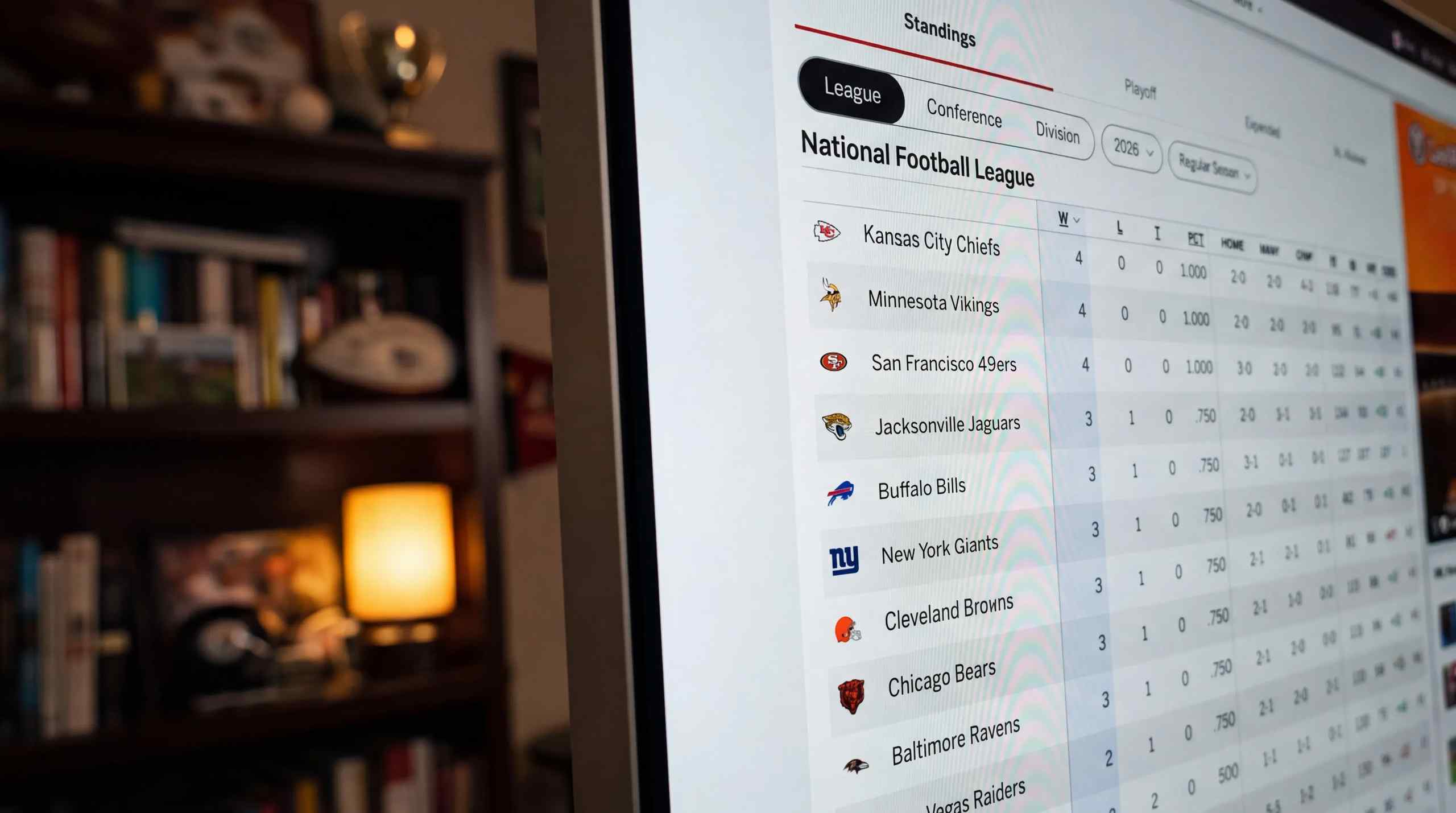
Does a 4-0 NFL Start Mean You're Playoff Bound?
A 4-0 start can put your team on the fast track to the playoffs, but history shows that even Super Bowl champions don't always start strong.
By Marcus Mosher
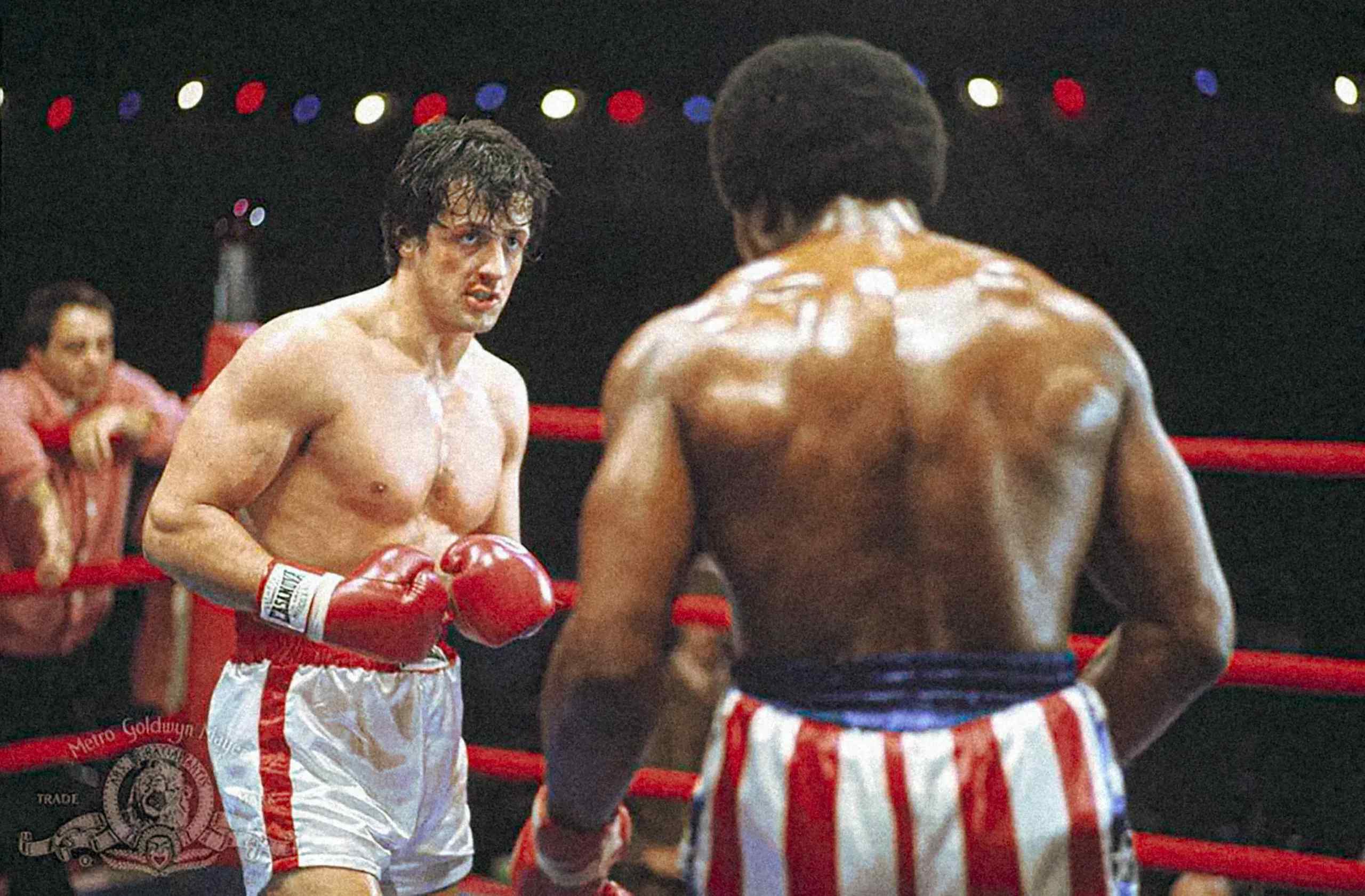
The 8 Greatest Sports Movies Ever Made, Ranked
Rocky isn't No. 1 by default. We ranked the eight greatest sports movies ever made, from a boxing warhorse to a table tennis fever dream, weighing critical scores against what actually stuck.
By Cole Rush
Which Sports Punish Losing Teams the Most?
From a punishing relegation to first draft pick optimism, discover which sporting leagues have the highest penalties for a losing season and those that feel comparatively lenient.
By Stuart Hughes
MLB Playoff Byes Aren't the Advantage You Might Think
Since baseball went to its current 12-team playoff format, the results show that bye teams only hold a slight Division Series advantage over Wild Card winners.
By Bill Gelman
McKenna, Martone Lead 5 NHL Rookies to Watch
Gavin McKenna and Porter Martone enter as the favorites, but a deep 2026-27 rookie class gives the Calder Trophy race plenty of potential challengers.

By Bill Gelman
Parlaymint Wants to Turn Parlays Into a Team Sport
Parlaymint turns the group parlay into a social sport, giving every bettor one pick, a share of the payout and potentially the entire bill if their leg is the only one that loses.
By Charlon Muscat