
Wellness Advice for Real Life
Anti-Wellness Wellness: What This Hub Is (and Who It's For)


Most wellness content targets an idealized person: someone who meal preps every Sunday, journals at dawn, and never makes questionable late-night decisions. Bodog's wellness hub is for everyone else: the sports bettors, nightlife regulars, and those who stayed up watching a four-overtime game and still have to function tomorrow.
This is anti-elitist investigative wellness journalism. We don't sell aspirational nonsense. Instead, we ask uncomfortable questions, test popular wellness claims, and report on what truly moves the needle for people living real, chaotic, adrenaline-fueled lives.
The commercialization of wellness has created a multi-billion-dollar industry focused on selling products and services promising improved health and well-being. Marketing often promotes unrealistic health and beauty standards, leaving many disillusioned and chasing quick fixes rather than genuine wellness.
Many wellness myths contain a grain of truth, making them convincing despite questionable value. Consumers often seek one-pill solutions to health problems, but true wellness requires a balance of diet, exercise, and mindful behaviors.
Our audience embraces late nights, occasional overindulgence, risky fun, and imperfect decisions. The goal here isn't perfection: it's practical damage control: small, sustainable improvements that add up without demanding a complete lifestyle overhaul.
What You Will (and Won't) Find at Bodog Wellness
Here's what to expect:
- Evidence-based information and real-world tests of common wellness myths under chaotic lifestyle conditions
- Investigations into supplements, detoxes, and biohacking hype
- Recovery strategies built for late nights, high-stakes weekends, and dopamine crashes
- Behavioral psychology insights explaining why our brains love bad decisions
And what you won't find:
- Detox protocols your liver already handles
- Miracle weight loss drinks or vague proprietary blends
- Diets cutting out dairy, dessert, or the foods you love
- Vibe-based science from influencers without credentials
Many wellness myths contain a grain of truth, making them convincing despite questionable value. Our mission is to cut through the hype with clear, evidence-backed info to help you make informed health decisions.
Wellness here is understood holistically: balancing physical, mental, and emotional well-being in a way that fits your lifestyle. It's an active, ongoing process toward optimal health, even with late nights, alcohol, and npredictable routines.
Explore our Fitness & Nutrition and Mindset & Habits sections for practical strategies tailored to real-world challenges.

Real-Life Wellness Experiments: Myth-Busting in the Wild
Most wellness advice assumes an ideal lifestyle: eight hours of sleep, Sunday meal prep, no casino floors at 2 AM. We test popular claims in real chaotic lives, tracking energy, focus, recovery, mood, and well-being. We distinguish genuine effects from expensive placebos and call out inconclusive evidence.
Wellness advice spreads rapidly via social media, often blurring fact and fiction, causing confusion. We examine trends to identify myths, aspirational ideas, and what truly helps you work and play harder. Questions answered include: Is creatine a wonder drug? How much meat do you really need? Can you get enough protein without eating chicken forever? Do analog weekends actually work?
Our content helps you make informed decisions on diet, exercise, and recovery to boost mental well-being and physical performance.
Why This Matters for Your Performance
Cutting through wellness myths saves wasted workouts, money on useless products, and energy lost to ineffective routines. Practical wellness is about functioning better as yourself: balancing physical and mental health to reduce stress, improve sleep, and support recovery. The payoff is better focus, energy, and self-control in daily life.
Fitness & Nutrition: Wellness That Fits Your Schedule
Most fitness and nutrition advice assumes a perfect routine: meal prep, 6 AM gym sessions, no drinking. That's fantasy. Our content suits a reality of inconsistent weeks, social calendars competing with plans, and "clean eating" meaning the best midnight delivery option.
Wellness starts with the basics: consistent sleep, regular exercise, and balanced nutrition. No one-size-fits-all approach exists; find what works for you. Daily movement, proper nutrition, and stress management significantly impact long-term health and disease prevention.
The goal isn't aesthetic perfection: it's stronger, sharper, and less wrecked tomorrow.
Simple Training for Chaotic Weeks
You don't need a five-day split. Aim for the minimum effective dose: enough to maintain strength, cardiovascular health, and recovery amid chaos. Target 150 minutes of moderate aerobic activity weekly, plus strength training of major muscle groups twice a week. Short, frequent sessions beat none.
Realistic Meal Recommendations
Forget bro-science meal prep. Focus on key principles: protein targets, hydration, and buffering big nights. Track daily calories to support nutrition and weight management. For dinner, include protein, fiber, and complex carbs to stay full overnight. Eating before bed doesn't automatically cause weight gain; what you eat matters more.
Damage control scenarios we cover:
- What to eat after a night out: science, not grease mythology
- Minimum workouts after five hours' sleep: sometimes skipping isn't the best
- Caffeine timing so your pre-game espresso doesn't wreck sleep
Realistic Recovery: Wellness for Everyone
Recovery isn't just for athletes. It determines how functional you are the next day and beyond. Hydration is simple but often neglected. Protein intake doesn't require a degree. Sleep triage: maximizing quality when quantity is limited: is a powerful tool for high-stimulus lifestyles.
Our content provides evidence-based frameworks, myth-busted recovery protocols, and practical healthy eating strategies for people with lives outside the gym.

Mindset & Habits: Dopamine, Mental Health, and Why You 'One More'
Here's the uncomfortable truth: the same brain wiring that makes live sports betting thrilling and late-night scrolling addictive shapes your habits. This isn't self-help fluff: it's behavioral science.
Our Mindset & Habits section explores decision-making, impulse control, and motivation across health, focus, money, work, and risk-taking. Modern life's feedback loops: notifications, odds boards, social media: keep us engaged but can lead to bad habits.
Personal experience shapes habits and wellness journeys. Tools supporting emotional healing and self-understanding help navigate your path. Emotional wellness means awareness of feelings and reactions; social wellness means building meaningful relationships.
Understanding these systems empowers you to choose when to follow impulses and when to override them.
The Bottom Line on Wellness
Real wellness isn't a sunrise meditation or green smoothie. For those who stay up late watching games, ride dopamine highs, and make bold choices, it's damage control. Evidence-led, experiment-driven, myth-busting damage control focused on improving your overall health, mental health, and wellbeing.
This isn't a self-improvement cult. It's a practical wellness framework built on two honest pillars: what you put in and do with your body (Fitness & Nutrition), and how you manage the brain running the operation (Mindset & Habits). Responsible gambling is woven in as a guardrail: smart play is part of the picture.
You don't need a new identity or a $200 monthly supplement subscription to feel better. You need smarter defaults, fewer self-inflicted penalties, and the willingness to test what actually works. The rest is noise.
Start cutting through it. Explore our latest myth-busting investigations and discover what actually works (and what's nonsense) for managing stress, improving sleep, balancing nutrition with whole grains, incorporating healthy fats like olive oil and nuts, and maintaining an active lifestyle with walking and exercise to reach an optimal state of wellness.
Our approach helps you build habits that support mental health, reduce risks of heart disease and diabetes, and improve overall health without sacrificing the life you love. Learn how to spend time wisely with family and friends, listen to your body, and expand your knowledge on sustainable wellness practices that truly benefit your mind, body, and environment.
More Articles like this
Seven Ways Your Brain Tricks You Into Taking Risks
From chasing losses to trusting AI predictions, science reveals seven mental traps that can make risky decisions feel surprisingly reasonable.

By Stuart Hughes
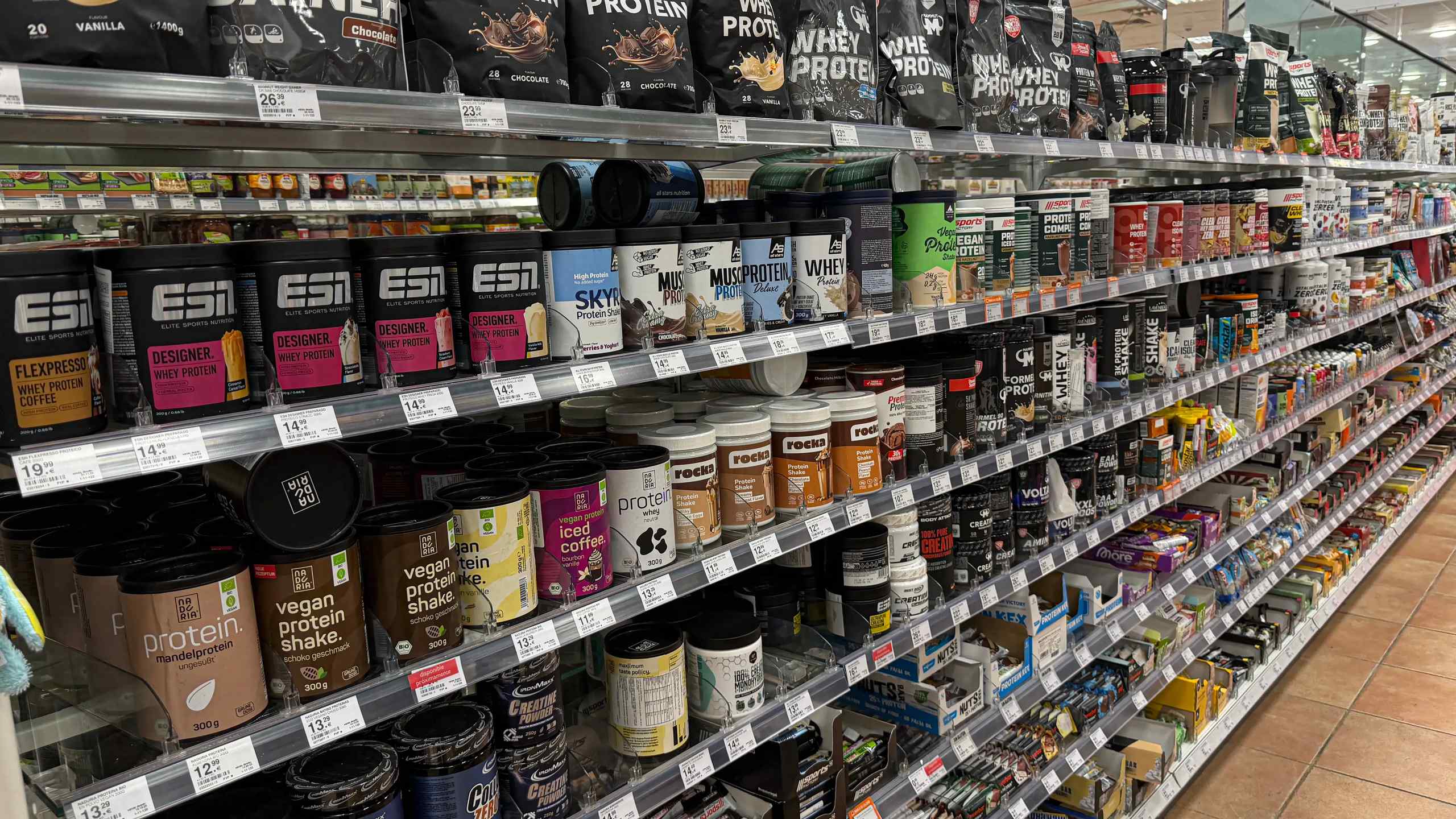
From Creatine to Collagen: Which Supplements Actually Work?
From bigger muscles and healthier skin to getting a better night's sleep, wellness supplement advertising promises the world, but is the marketing department spinning scientific facts?
By Stuart Hughes
The 5 Craziest Wellness Trends People Once Swore By
Beauty is pain, or so the saying goes. Throw in the promise of a shortcut, and people will listen. Some of the wellness trends that caught on, though, were wild even by the standards of their own time.
.webp)
By Charlon Muscat
Time to Wake Up: 8 Hours of Sleep Isn't a Magic Number
For years, eight hours has been drilled into us as the perfect night's kip. Turns out, the sleep doctors think there's more to getting a good night's sleep than just clocking up the hours.

By Stuart Hughes
Do You Really Need Eight Glasses of Water a Day?
Think you need eight glasses of water a day? The science never really said that. Here’s how one of wellness’s most persistent myths took hold.

By Charlon Muscat
Hate the Gym? Try These Five Ways to Stay Active
Gyms aren’t for everyone, and that’s fine. From pickleball obsession to aerial silks, biking, bouldering, and rec leagues, here are five sweat-worthy alternatives that make exercise feel like fun, not a chore.

By Cole Rush