
Would You Pay $2,000 for a Better Night’s Sleep?
Sleep tourism promises better rest through luxury rooms, weighted blankets, melatonin and expert programs. We examine what works and whether it is worth the cost.
.webp)
Wait, people are paying to nap now?
Initially, I doubted sleep tourism. People have been using even simple things for wellness long before the appearance of sleep tourism. But as I wrote about this, the more reasonable it seemed.
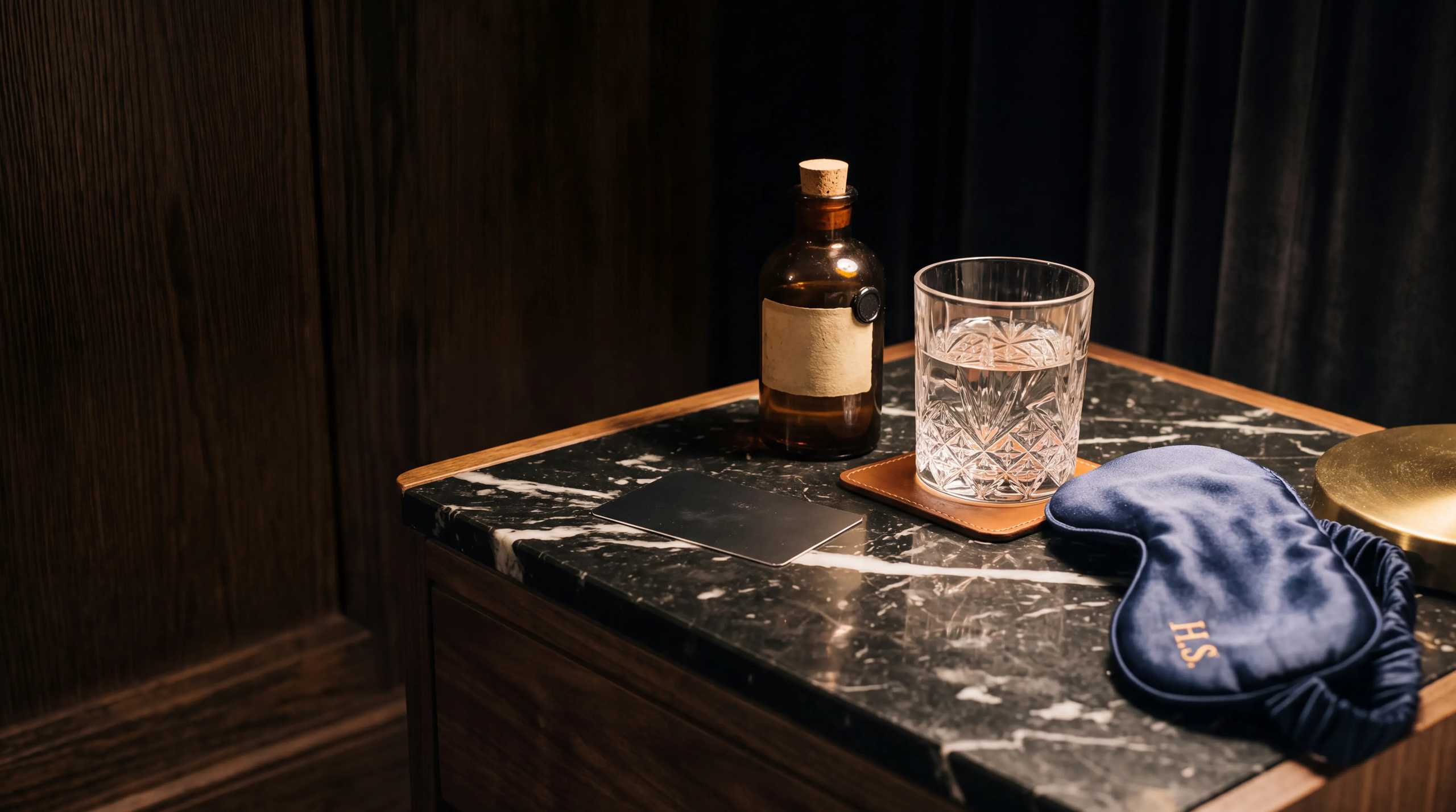
The Equinox Hotel New York offers a sleep lab package with blackout technology, soundproofing, cooling systems, and complete sleep evaluation that costs about $2,000 per night.
The Carillon Miami Wellness Resort focuses mainly on spa treatments and therapies for tired tourists.
While the Figueroa Hotel in Los Angeles is not a wellness facility, it has rooms specifically created for good sleep.
Evidently, sleep tourism is now not a niche industry but an established industry estimated to be worth hundreds of billions.
The thing that got me thinking was that in the UK, about 74% of adults have a problem with sleep, and around 5% to 7% of those have visited their doctor because of exhaustion.
In the US, according to the CDC, a third of adults do not get enough sleep. Given the fact that there are so many exhausted people, someone had to come up with a sleep-inducing mattress.
What's actually in these programs
Unlike before, when sleep retreats were about just about overly-firm pillows, those that are reputable have incorporated medicine into their processes.
The SHA Wellness Clinic in Spain features an in-house expert who screens guests for snoring, breathing problems during sleep, and nocturnal movement and provides recommendations based on the resulting diagnosis. The Post Ranch Inn in Big Sur is serviced by "Sleep Doctor" Dr. Michael Breus.
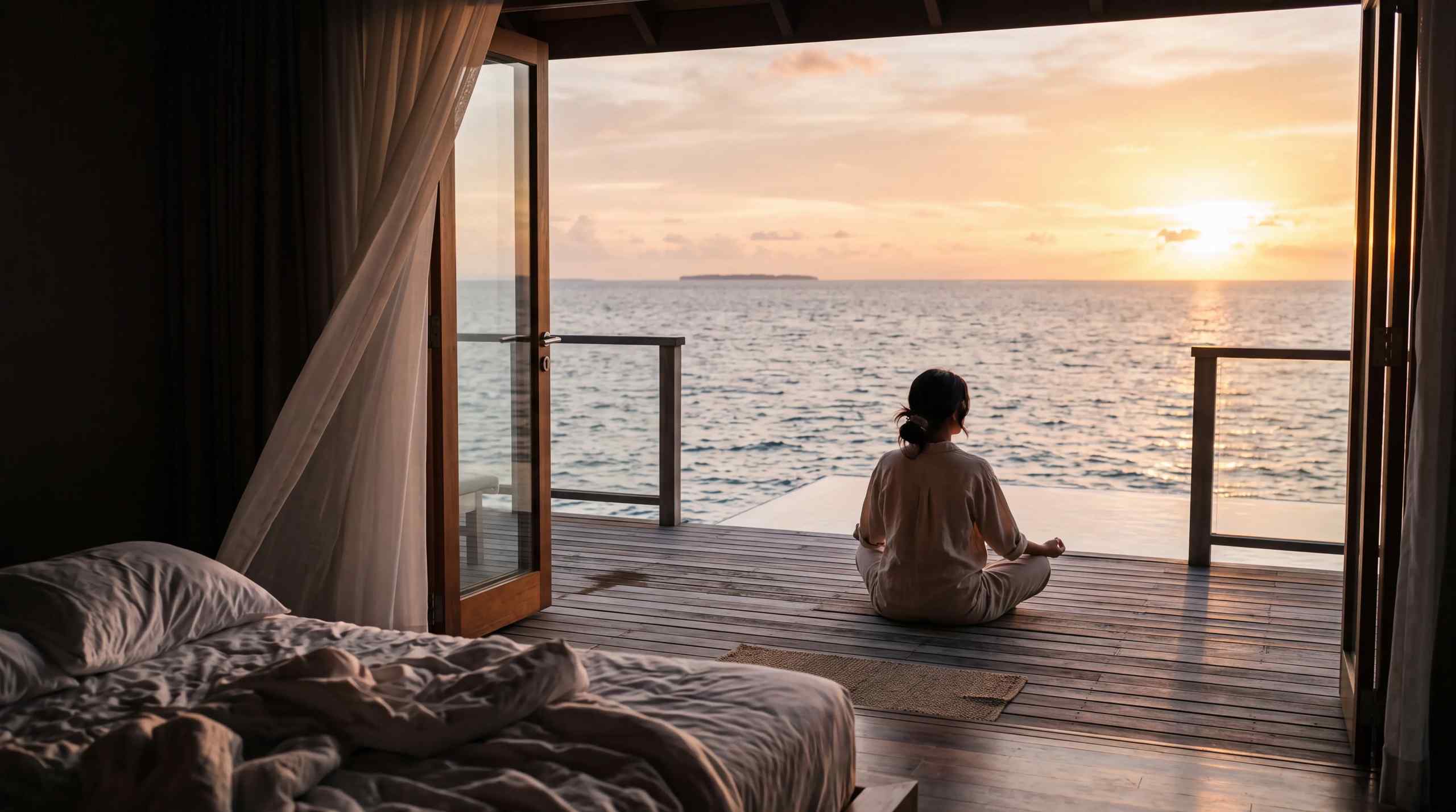
Other places are taking a holistic approach, such as Soneva's resorts in the Maldives with the Soul Sleep program that includes meditation, yoga, and time in the morning sun for resetting the circadian rhythm.
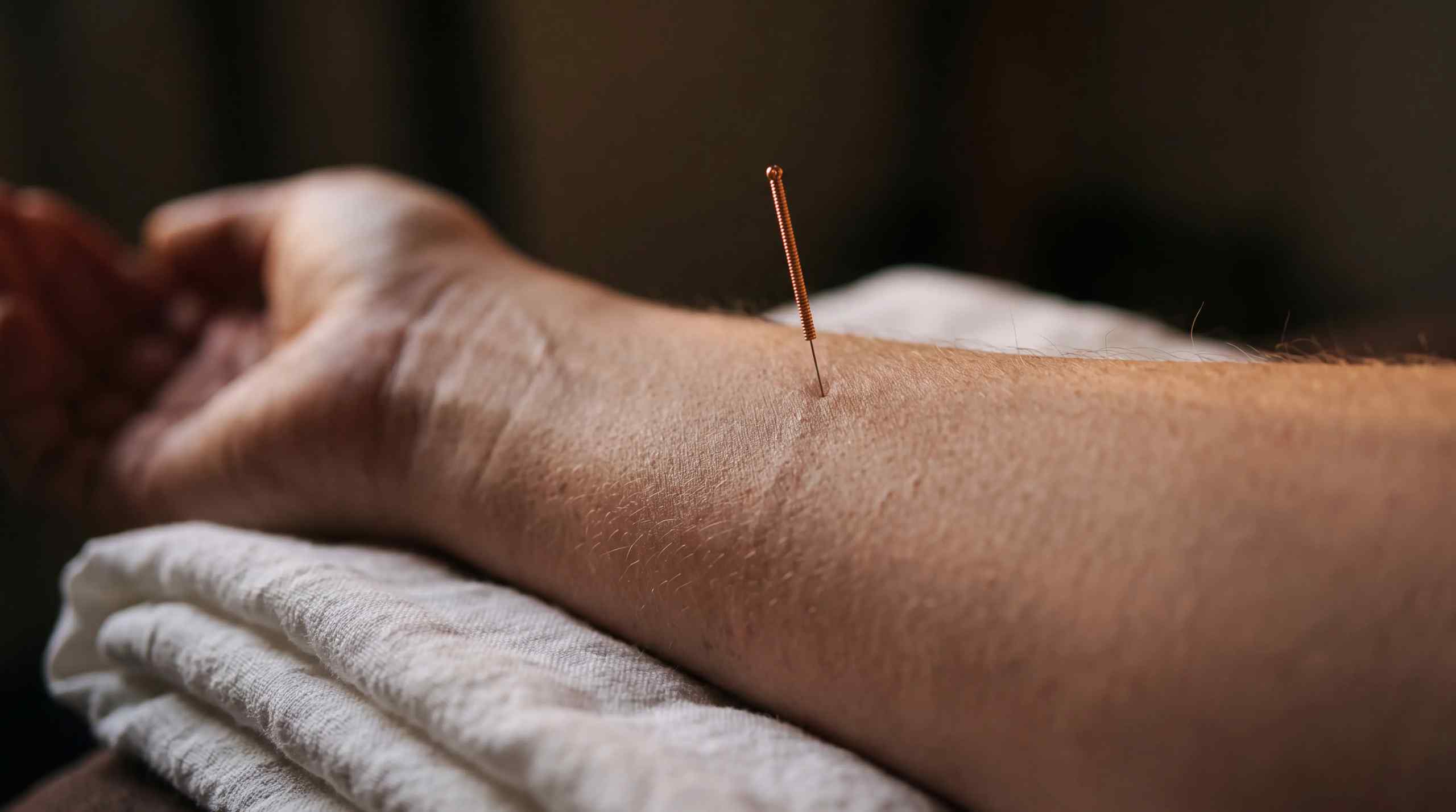
Lefay Resort in Italy utilizes traditional Chinese medicine and acupuncture points in its wellness program.
The Kimpton Fitzroy Hotel in London has collaborated with a dream expert for the creation of a lucid dreaming package, including a VR headset, particular herbal teas, and an AI artist who draws your dream the following morning.
In between all of this lie the unassuming weighted blanket, melatonin gummy, and white noise machine, where most of us actually live, despite never having taken a retreat.
So here's the honest ranking, from most proven to most "nice to have."
Ranking Sleep Aids
| Rank | Description |
|---|---|
| 1. Weighted Blankets | Come out surprisingly strong, with real trial data showing a big improvement in insomnia symptoms that held up a full year later. |
| 2. CBT-I | Sits at the top of the list too, since it consistently beats every alternative treatment researchers have thrown at it, including melatonin, light therapy, and exercise. It just doesn't come with a turndown service, so nobody markets it. |
| 3. Melatonin | Genuinely useful, just don't expect fireworks. The research shows it helps you fall asleep a little faster and stay asleep a little longer, but we're talking minutes, not hours. |
| 4. Morning Sunlight & Consistent Schedule | Lands in a similar spot, backed by solid science, wildly unglamorous, and completely free. |
| 5. Aromatherapy, Sound Baths & Spa Rituals | Can absolutely help you relax, and relaxation is never nothing when you're trying to sleep. But the clinical evidence behind them is thinner, more anecdotal than proven. They're the seasoning on the plate, not the main course. Worth having, just not worth paying resort prices for on their own. |
Does any of this actually work?
At this point I was in search of honest answers instead of marketing material and so conducted thorough research into everything I had read.
Weighted blankets are effective. According to research conducted in Sweden, the people who used a weighted blanket improved their sleeplessness condition more than the control group.
The pressure provided by the blanket has the effect of acupressure as it calms the nervous system through contact with the body. Accordingly, it should be noted that recent studies have confirmed this effect on adults, however, for children, the results are less compelling.
Melatonin plays a role in the mix. Some meta-analyses indicate it can assist users in falling asleep faster, remaining asleep longer, and slightly improving overall sleep quality. Even though this is true, the effect is very small when compared to the effect of sleep medications.
So, the melatonin menu at your hotel is not nonsense, but it is not a magic solution either. Anyone hoping for an instantaneous solution will be left disappointed.
The idea of circadian light exposure, morning sunlight, and constant sleep-wake times is grounded in science, undoubtedly the unglamorous but highly practical aspect of sleep retreat. A five-star hotel is not required for exposure to light; all that is essential is a window and the determination to use it.
Here's something hotels don't want you to know. A large meta-analysis compared melatonin, light therapy, exercise, and other treatments for insomnia and found that none of these therapies could beat Cognitive Behavioral Therapy for Insomnia, or CBT-I, which is still the most recommended treatment option. CBT-I is a form of talk therapy, not an aromatherapy diffuser, and can be accessed from a therapist or even through an app for a small fee compared to the cost of a wellness retreat.
So, is it worth the money?
Look, I call it like I see it: sleep tourism isn't a scam but carries scam-like pricing. There is good evidence behind the various ingredients: deep pressure touch, melatonin, morning light, and a proper evaluation - if you actually have sleep apnea. What you're really paying $2,000 for is convenience, environment, and just the chance for somebody else to force you to lay down your phone for three days, which may honestly be the single most effective intervention on the whole menu.
If you have the finances, then you should definitely book a restorative weekend without a doubt! Just remember that research backs the idea, even if the price tag doesn't. Weighted blankets cost around $60, a proper sleep schedule costs nothing, and waking up in the morning and being in the sunlight is priceless. CBT-I when undertaken with a certified therapist puts all other restorative techniques to shame.
Building Your Own Sleep Suite At Home
Most people, however, cannot afford a trip to Andalucia every time they need a little rejuvenating sleep. So, the idea is to replicate that feeling of calm that a hotel room provides, right in the bedroom. Here's how to do it:
- Air purifier: Gets the dust and background noise out to give that clean-suite sensation.
- Good speaker: So you can use white noise or rain sounds instead of scrolling through your phone during the night.
- Weighted/heated blanket: Simulates the effects of deep-touch pressure as per the Swedish research.
- Motorized blackout blinds: Something that is common in all high-end hotels.
- Regular sleeping and waking times: A perfect and simple remedy.
- Getting some morning sunlight: Sets the circadian rhythm without the help of a spa.
Of course, this way cannot replace treatment for actual sleeping problems. In case you suffer from chronic insomnia or snore, don’t rely on spa therapy and visit a real doctor instead. Nevertheless, it’s good to have some useful tips that would let you enjoy the wonders of a sleep retreat at home without spending a fortune on it.
Lucie brings almost 20 years of iGaming experience, combining sports writing expertise with deep casino knowledge. Her work spans live sports coverage, slot mechanics, player-focused reviews, and strategic casino content. Known for her no-nonsense, first-hand approach, Lucie cuts through jargon to deliver clear, practical insights for both operators and players.
More Articles like this
Why Hobbies Are Good for You (Even Watching Sports)
Research links hobbies to better mood, sharper thinking, and lower disease risk. Even rooting for a team can help, as long as the benefit comes from the community and not just the scoreboard.
By Cole Rush
Is Sitting as Bad as Smoking? Not Even Close
We've all heard that sitting is the new smoking. But while spending too much time on the couch carries genuine health risks, the science behind this alarming comparison tells a very different story.
By Stuart Hughes
Seven Ways Your Brain Tricks You Into Taking Risks
From chasing losses to trusting AI predictions, science reveals seven mental traps that can make risky decisions feel surprisingly reasonable.

By Stuart Hughes
From Creatine to Collagen: Which Supplements Actually Work?
From bigger muscles and healthier skin to getting a better night's sleep, wellness supplement advertising promises the world, but is the marketing department spinning scientific facts?
By Stuart Hughes
The 5 Craziest Wellness Trends People Once Swore By
Beauty is pain, or so the saying goes. Throw in the promise of a shortcut, and people will listen. Some of the wellness trends that caught on, though, were wild even by the standards of their own time.
.webp)
By Charlon Muscat
Time to Wake Up: 8 Hours of Sleep Isn't a Magic Number
For years, eight hours has been drilled into us as the perfect night's kip. Turns out, the sleep doctors think there's more to getting a good night's sleep than just clocking up the hours.
By Stuart Hughes