

More Gym Time, Worse Health? America's Fitness Paradox
America’s obsession with the gym is more intense than ever, but it doesn’t appear to be solving the nation’s health problems. Here’s why the real issue isn’t how hard or often you train.

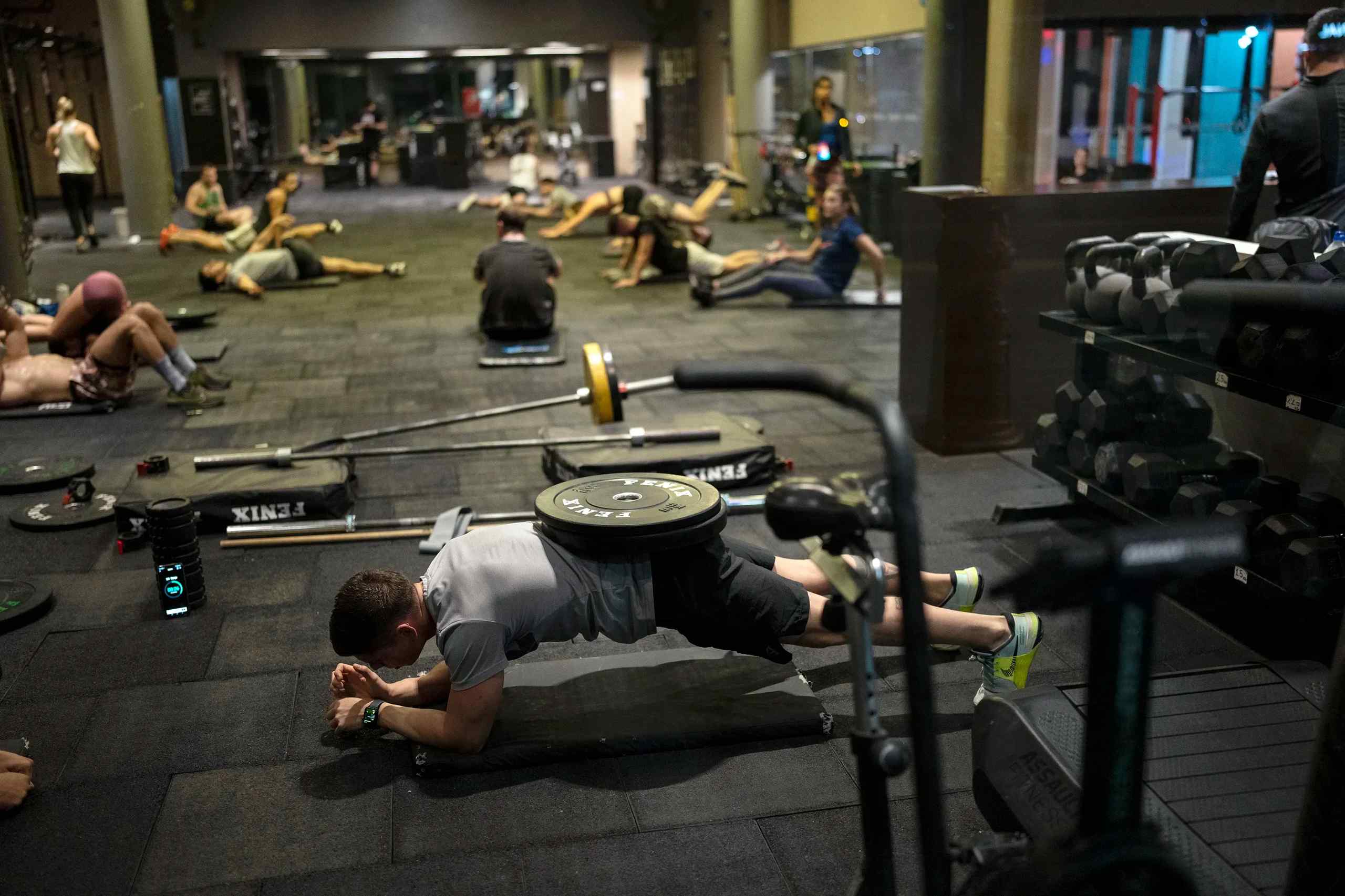
Without a doubt, Americans have wholeheartedly jumped on the fitness bandwagon of late given the record-breaking gym membership stats, soaring sales of high-tech wearables, and an insatiable appetite for health supplements.
Yet, while every second person you meet these days is either a PT instructor or fitness influencer, the Centers for Disease Control and Prevention (CDC) data reveal a counterintuitive snapshot of the nation’s health. So, can America exercise its way out of its sizable health crisis, or does it need a new workout routine?
Seven Billion Gym Visits in 2025: Is America Finally Getting Serious About Fitness?
On the bright side, individual Americans appear genuinely invested in hitting their fitness targets, as seen by the 81 million memberships held across health club facilities in 2025 - a 5.2% jump on the previous year, according to the Health & Fitness Association (HFA).
Furthermore, a comprehensive study published in the Journal of Physical Activity and Health showed that this trend has been going on for a number of years now. So much so that between 1998 and 2018, the percentage of Americans meeting strength-training guidelines climbed from 17.7% to 27.6%, while those meeting both aerobic and strength targets rose from 14.4% to 24% - a pretty substantial shift in two decades.
Five US Fitness Stats Worth Knowing:
- 100 million-plus: Americans using a fitness facility in 2025, including members and casual visitors, according to HFA.
- 35.5%: Gym membership penetration among Gen Z adults aged 18–24 in 2025, the highest of any age group the HFA tracked.
- 8.6%: Year-on-year membership growth among Americans aged 65 and over, making them HFA's fastest-growing age demographic.
- 4.6%: Fitness facility members who didn't visit at all
- 26.2%: American adults classified as physically inactive in 2024, according to CDC figures.
Granted, America's fitness indicators are certainly pointing in the right direction, but with conflicting CDC figures showing that 40.1 million Americans have diabetes and a further 115.2 million adults have prediabetes, it's clear that exercise alone isn't solving the nation's health problems.
Why Exercise Is Only One Piece of the Puzzle
The reality is that even an intense 60-minute workout can’t offset the remaining 23 hours of the day if they’re dominated by prolonged periods of inactivity, poor sleep, chronic stress, or unhealthy eating.
While the "sitting is the new smoking" slogan was a tad extreme, the fact remains that exercise alone cannot compensate for any detrimental lifestyle indiscretions, as revealed by the American Heart Association (AHA) in its Life's Essential 8 initiative. However, its message is reassuringly straightforward – routine workouts throughout the week are to be encouraged, but the need to manage one's behavioral patterns beyond the four walls of the gym is as important, if not more so.
As you might expect, the Life's Essential 8 framework outlines the same age-old principles, including monitoring and managing your blood pressure, cholesterol, and blood sugar levels, alongside the need for a healthy diet and getting plenty of sleep, not to mention tackling unhelpful vices such as alcohol and tobacco use. Yet, above all, it underscores the fact that being physically active and achieving metabolic well-being doesn’t necessarily always go hand in hand.
America's Fitness and Health Paradox
| Metric | Historical Baseline | Latest Available Data | Change Over Time |
|---|---|---|---|
| Adults meeting aerobic exercise guidelines | 47.1% (2020) | 47.2% (2024) | +0.1% |
| Adult obesity prevalence | 37.7% (2013–14) | 40.3% (2021–23) | +2.6% |
| Severe obesity prevalence | 7.7% (2013–14) | 9.7% (2021–23) | +2.0% |
| Adults meeting both exercise guidelines | 14.4% (1998) | 24.0% (2018) | +9.6% |
| Americans with diagnosed diabetes | 11 million (2000) | 40.1 million (2026) | +71% |
When Fitness Metrics Don't Always Tell the Whole Story
Sure, you may look ripped after a workout and smash out a respectable 5K at the weekend, but that doesn't mean you're completely immune to hidden dangers of high blood pressure, dodgy cholesterol, or blood sugar levels that are completely out of whack. So, while your six-pack might look magnificent, your internal health report card may well be telling a less flattering story.
That said, exercise still holds a significant advantage in combating these elements, as the HFA's 2026 report showed that 49.4% of gym members met prescribed aerobic activity guidelines, twice that of the 24.5% seen in non-members. Furthermore, it revealed that gym members were also seven times less likely to report being inactive - 4.7% versus 33.1%.

So, Are We Measuring Fitness the Wrong Way?
No doubt, if you’re the proud owner of a fitness wearable, chances are you love geeking out over how many calories you torched after a gym sesh or how you unwittingly hit your 10,000 steps target while hacking your way around a golf course.
And as the fascination for wearable stats continues to grow, so does the variety of ways Americans are getting fit. A factor recently reported by the HFA which showcased that 17.7 million gym members now practice yoga, while newer sports such as pickleball saw a participation leap of 21.3% to 7.6 million in 2025.
While this all sounds positive, despite America’s unbridled passion for calorie counting and the evolving array of fitness activities undertaken, one problematic issue remains. That being that despite the CDC’s study findings of a 9.6-percentage-point rise in adults meeting both aerobic and strength guidelines, the sobering reality is that 42.3% of participants met neither, suggesting there is plenty of room for improvement across the board.

Why The Real Health Gains Happen Outside the Gym
Thankfully, getting healthier doesn't require living solely on kale smoothies between treadmill sessions, particularly as the CDC only recommends 150 minutes of moderate aerobic activity weekly alongside two strength-training days, all of which will make a sizeable improvement. In addition to these basic guidelines, following the AHA’s Life's Essential 8 blueprint is also a good shout, as it tackles the broader lifestyle issues faced, such as maintaining a balanced diet and regularly achieving seven to nine hours of quality sleep a night.
Do all this, and you can very much justify an extra few hours playing GTA VI… that is, as long as every marathon gaming session is broken up with proper meals, regular breaks, and of course a sensible bedtime. So, while there isn’t a cheat code for bulletproof health, simply integrating these recommended steps when you’re not in the gym will go a long way toward keeping you fighting fit in the long run.
Stuart Hughes is a London-based freelance journalist covering sports, travel, lifestyle, and technology. He’s worked with brands like Lenovo, Best Western, and Frontier Airlines, bringing a global perspective shaped by years of travel.
More Articles like this
Are Rest Days Overrated? Do You Actually Need a Rest Day From Exercise?
Who doesn’t love and loathe gym rest days in equal measure? From the fear of overdoing it to stressing out about shrinking gains, here’s the science behind striking the perfect balance.

By Stuart Hughes
Why Hobbies Are Good for You (Even Watching Sports)
Research links hobbies to better mood, sharper thinking, and lower disease risk. Even rooting for a team can help, as long as the benefit comes from the community and not just the scoreboard.

By Cole Rush
Is Sitting as Bad as Smoking? Not Even Close
We've all heard that sitting is the new smoking. But while spending too much time on the couch carries genuine health risks, the science behind this alarming comparison tells a very different story.

By Stuart Hughes
Seven Ways Your Brain Tricks You Into Taking Risks
From chasing losses to trusting AI predictions, science reveals seven mental traps that can make risky decisions feel surprisingly reasonable.

By Stuart Hughes
From Creatine to Collagen: Which Supplements Actually Work?
From bigger muscles and healthier skin to getting a better night's sleep, wellness supplement advertising promises the world, but is the marketing department spinning scientific facts?
By Stuart Hughes
The 5 Craziest Wellness Trends People Once Swore By
Beauty is pain, or so the saying goes. Throw in the promise of a shortcut, and people will listen. Some of the wellness trends that caught on, though, were wild even by the standards of their own time.
By Charlon Muscat