
Why Hobbies Are Good for You (Even Watching Sports)
Research links hobbies to better mood, sharper thinking, and lower disease risk. Even rooting for a team can help, as long as the benefit comes from the community and not just the scoreboard.

Doctors have a short list of wellness habits they tell almost everyone to adopt: sleep, move, eat well. Researchers keep arguing for a fourth: have a hobby.
Most of the evidence is observational, so it shows a link, not proof of cause. Still, the pattern is consistent across countries, ages, and activities, and it includes one that might surprise you.
What the Research Says About Hobbies
UCLA Health summarized the field in a piece on the proven health benefits of having a hobby. It cites research covering more than 90,000 older adults (65+) in 16 countries and finds that people with hobbies report better health, more happiness, and higher life satisfaction than those without them.
The benefits fall into three groups.
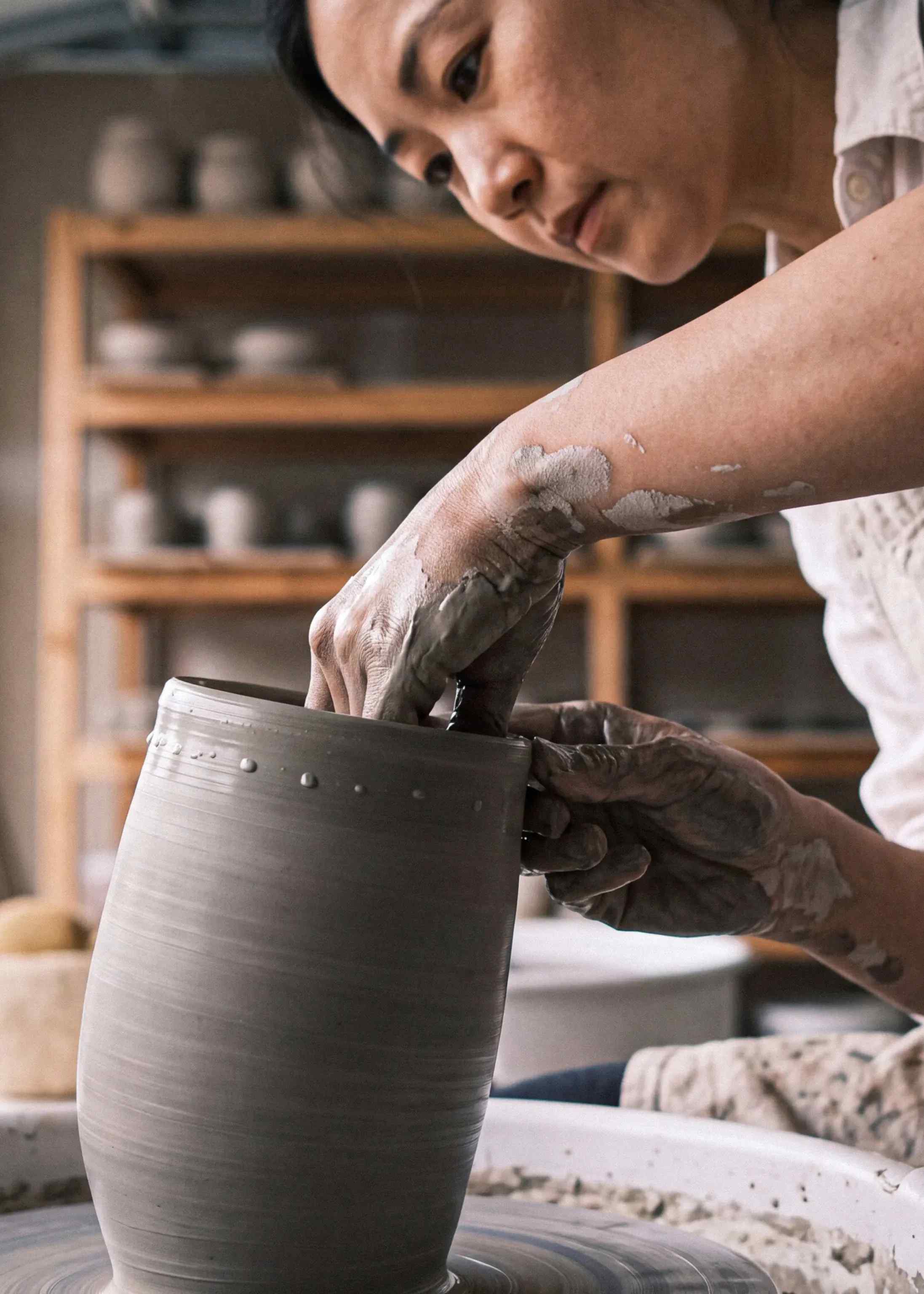
- Mood. Hobbies give the day a point that isn't work or chores. Group hobbies add social contact, which UCLA says is tied to feeling less anxious and stressed. For creative pursuits, the article cites research suggesting that art done for two or more hours a week yields the most benefit for well-being.
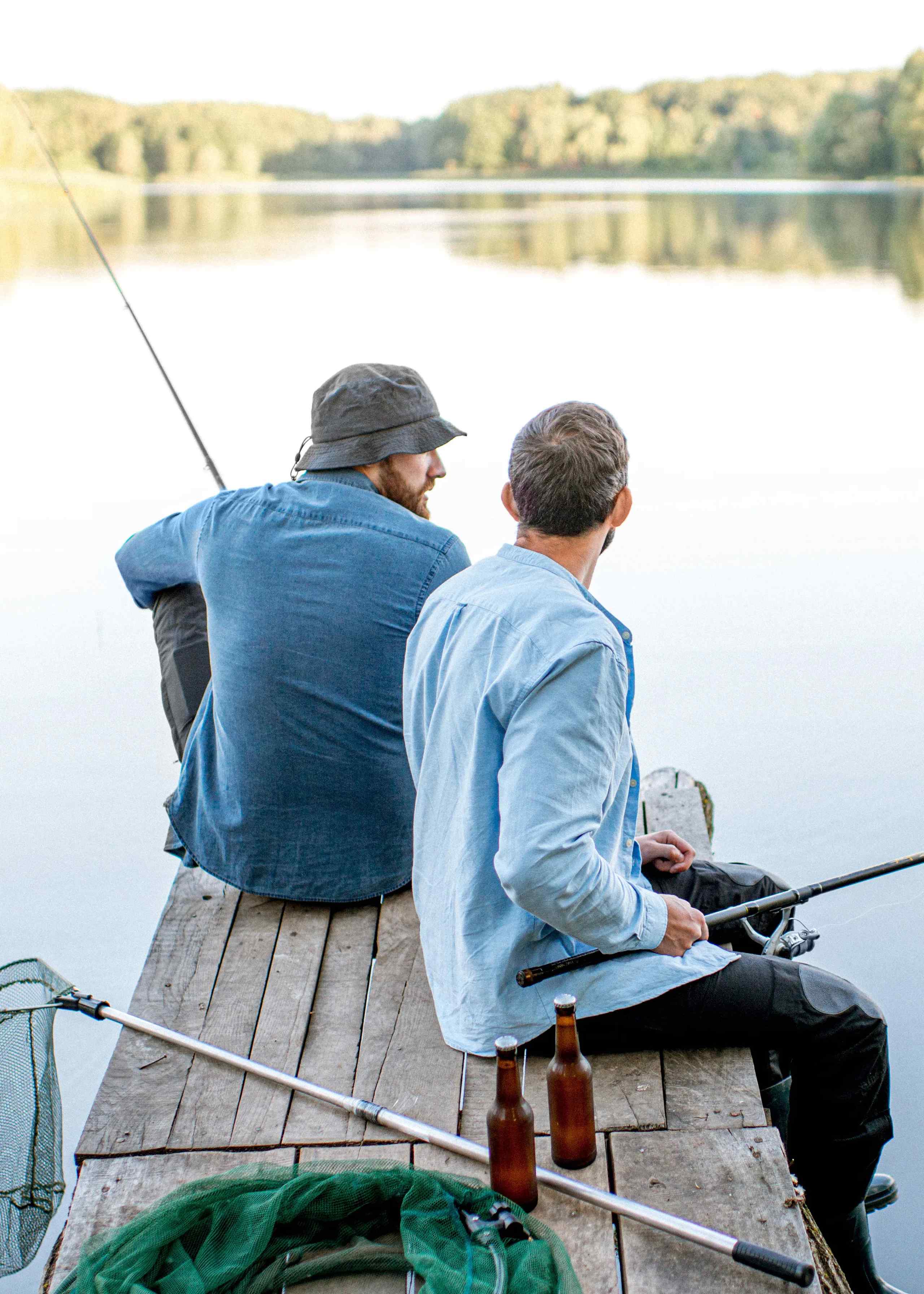
- Thinking skills. Mentally or physically active hobbies may help memory and lower dementia risk. UCLA cites a Japanese study of adults 65 and older in which dementia risk dropped as the number of hobbies went up. Fishing, gardening, golf, handicrafts, and travel all showed up on the list.
- Long-term health. Researchers have also linked hobby engagement to a lower risk of chronic conditions such as heart disease and stroke. One likely reason is that many hobbies get people moving and keep them connected.

Why Would a Hobby Help?
Researchers haven't established one definitive explanation. Hobbies add structure to your life. They’re something to look forward to. They also build skills, encourage flow state, and in many cases, they get you in a room with other people to socialize. They’re a nice break from the “must do” aspects of life like work and chores, because you’re actively deciding to do them and (theoretically) they’re fun. There’s a reason I feel my absolute best after a one-hour reading session or a stint at the pickleball gym!
If there’s one possible caveat, it’s a disconnect between causation and correlation. Healthier, happier people may simply be more likely to pick up hobbies, which makes cause and effect hard to separate. Treat the research as a strong indicator but not empirical proof.
What Counts as a Hobby?
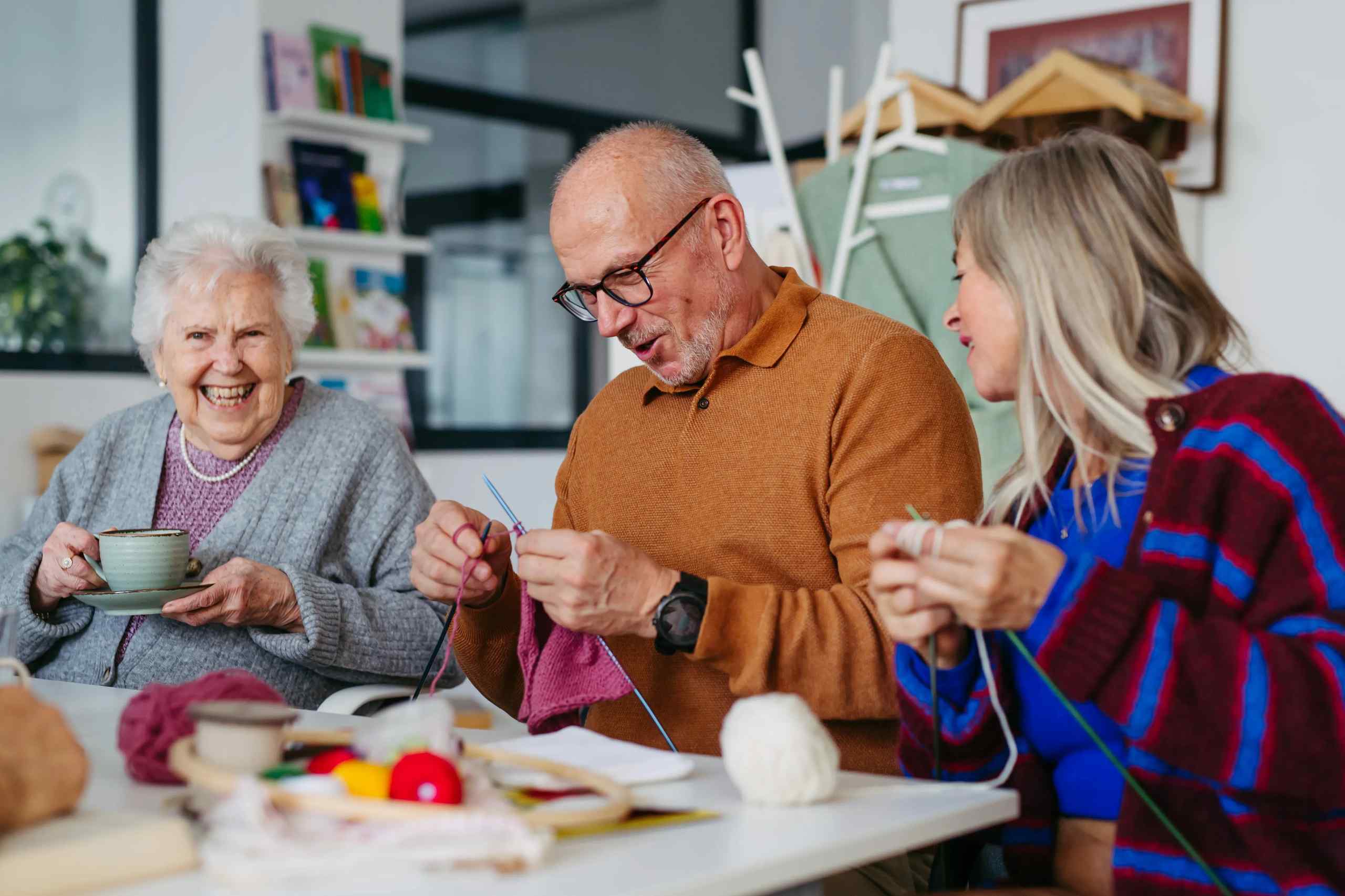
This is the glory of it, folks! A hobby can be pretty much anything you do for enjoyment and not out of necessity or for pay. Studies have included gardening, fishing, craft, art, and games. Passive screen time occupies a weird gray area, and I (from a strictly personal and anecdotal perspective) would lump it in with the “not so healthy” and barely a hobby categories.
One useful test is this. Check in with yourself after a session of doing something. Does it leave you feeling energized (mentally, possibly not physically if it’s taxing)? If so, count it as a hobby. Feeling drained? It might have some obligation or stress attached. This rule isn’t hard and fast, but it’s a nice pulse check.
The Surprise: Fandom Counts
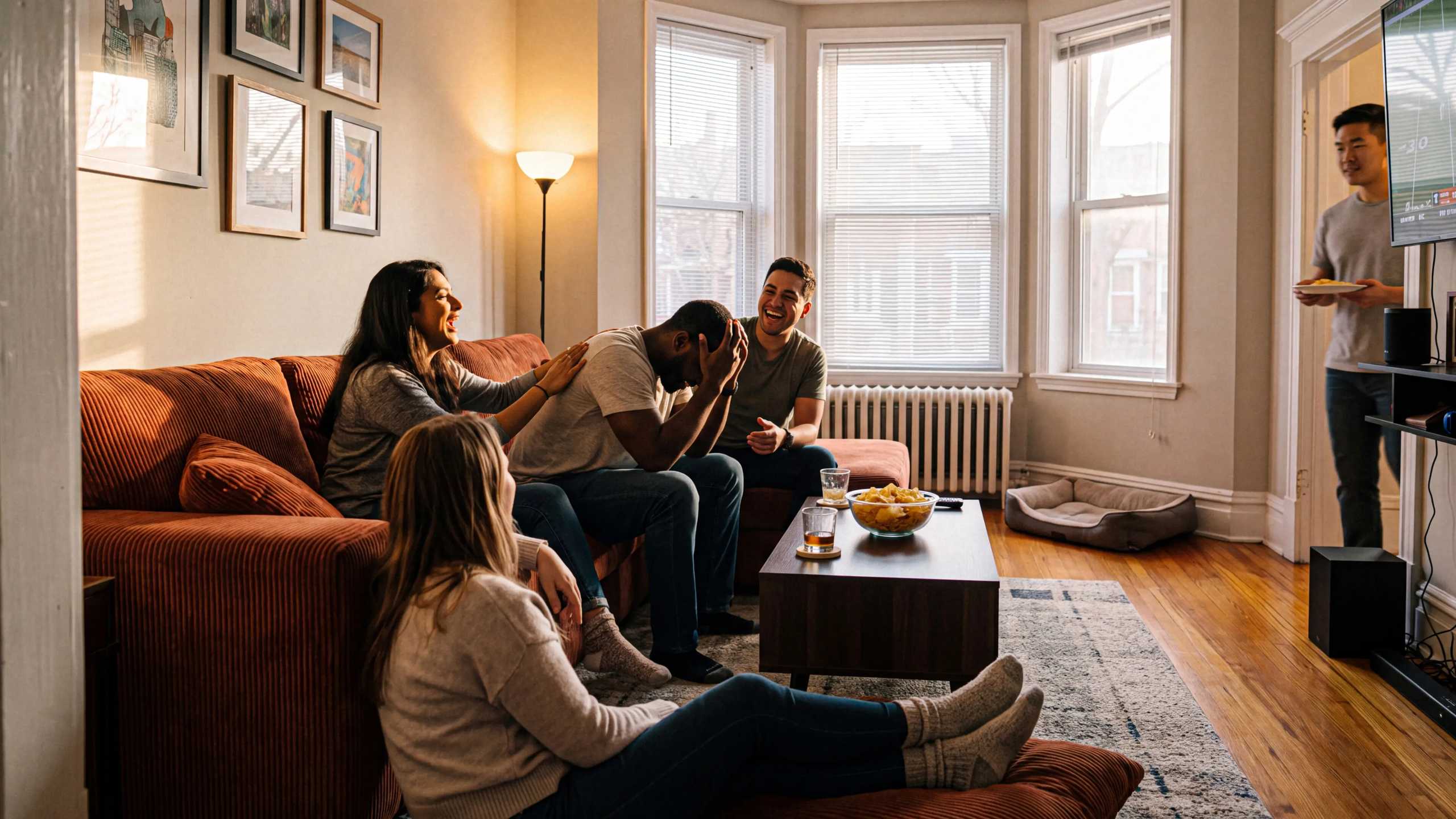
Many people file sports fandom under wasted time. The research doesn't agree. A study led by Yuhei Inoue and Mikihiro Sato at the University of Illinois found that social identification with a team boosts fans' social well-being. The study surveyed fans in the U.S. and the U.K. It identified three channels: trust within the group, a sense of purpose and meaning, and shared beliefs that members look out for each other.
The authors argue that the benefit comes from the community around a team, not from the short-term happiness of winning. The camaraderie with other fans matters more than the final score. A fan whose team is losing can still get the benefit, as long as the connection holds.
That fits what we know about hobbies in general. A season-ticket group, a Sunday watch party, or a fantasy league is a social hobby with a built-in schedule. The same logic explains why a lone fan scrolling highlights alone may get less out of it than one who shows up with friends.

A Note for Sports Bettors
This is where the findings get interesting for anyone who also bets. The studies credit community and shared experience, not outcomes. A fan who watches with friends and cares about the team's story fits the research. A fan whose mood depends on whether a spread covers is chasing something different (and should check in with themselves; problem gambling is very real and harmful). This is my interpretation and not a finding of the studies, since they didn't include betting. But if a game only matters when money is on it, the hobby benefits may not be what you're getting. Anyone who finds that happening can reset with responsible gambling tools like limits and breaks.
How Different Hobbies May Benefit Your Health
| Type of Hobby | Examples | What Research Links It To |
|---|---|---|
| Creative | Painting, crafts, writing | Better well-being; UCLA cites two-plus hours a week of art as the most beneficial level |
| Active or outdoors | Gardening, fishing, golf | Lower dementia risk in a Japanese study of adults 65 and older |
| Social | Clubs, classes, team sports | Less anxiety and stress |
| Fandom | Following a team with other fans | Stronger social well-being, tied to identity and community (Illinois study) |
How to Start
Pick something you'd do for free, then add other people if you can. Group versions of a hobby tend to stick better and deliver the social benefit on top. Give it a few weeks before judging it.
The bottom line: the best hobby is the one you'll keep doing. For some people, that's pottery. For others, it's a Sunday with the same group of friends and the same battered team.
Cole Rush is a freelance writer, crossword constructor, and creative tinkerer with more than 10 years of experience writing about anything and everything. Cole’s primary area of expertise is the gambling industry, covering the expansion of sportsbooks and online casinos alongside emerging spaces like sweepstakes casinos and prediction markets.
More Articles like this
Are Rest Days Overrated? Do You Actually Need a Rest Day From Exercise?
Who doesn’t love and loathe gym rest days in equal measure? From the fear of overdoing it to stressing out about shrinking gains, here’s the science behind striking the perfect balance.
By Stuart Hughes
Is Sitting as Bad as Smoking? Not Even Close
We've all heard that sitting is the new smoking. But while spending too much time on the couch carries genuine health risks, the science behind this alarming comparison tells a very different story.

By Stuart Hughes
Seven Ways Your Brain Tricks You Into Taking Risks
From chasing losses to trusting AI predictions, science reveals seven mental traps that can make risky decisions feel surprisingly reasonable.

By Stuart Hughes
From Creatine to Collagen: Which Supplements Actually Work?
From bigger muscles and healthier skin to getting a better night's sleep, wellness supplement advertising promises the world, but is the marketing department spinning scientific facts?

By Stuart Hughes
The 5 Craziest Wellness Trends People Once Swore By
Beauty is pain, or so the saying goes. Throw in the promise of a shortcut, and people will listen. Some of the wellness trends that caught on, though, were wild even by the standards of their own time.
By Charlon Muscat
Time to Wake Up: 8 Hours of Sleep Isn't a Magic Number
For years, eight hours has been drilled into us as the perfect night's kip. Turns out, the sleep doctors think there's more to getting a good night's sleep than just clocking up the hours.

By Stuart Hughes