

Are Rest Days Overrated? Do You Actually Need a Rest Day From Exercise?
Who doesn’t love and loathe gym rest days in equal measure? From the fear of overdoing it to stressing out about shrinking gains, here’s the science behind striking the perfect balance.
Think you’re the only one still undecided about whether to keep training every day or implement a rest day every now and then? Well, the good news is you’re not alone.
With so many theories echoing around the gym, the truth of the matter is that it’s more nuanced than you might think. By deep-diving into the medical science behind non-stop workouts versus active and passive rest days, Bodog reveals how to help you hone your training regimen to suit your needs.
Why Do We Take Rest Days in the First Place?
No matter how seriously you like to train, the concept of taking rest days can feel almost counterintuitive. Yet, there are a number of highly sought-after benefits in doing so, and not all of them require you to resort to slothing on the couch for 24 hours.
Let’s start by considering what your training does to your body in the first place, as a tough session in the gym or a 10k run for example burns a lot of your fuel reserves, fatigues your muscles, and increases the workload on your heart. However, crucially, the recovery time between workouts is what actually facilitates the desired muscle growth and enhanced stamina levels being targeted as your body sets about replenishing and repairing the damage inflicted following a training session.
In fact, the more intense the workout, the longer the recovery time that is needed, hence why most gym-goers are uncertain about when to ease off. Ultimately, how long and how often these rest periods are required is determined by an individual body’s needs, but in doing so, it helps you and your body to:
- Support muscle repair and growth.
- Replenish your energy stores.
- Reduce accumulated fatigue.
- Restore your motivation and mental freshness.

Can I Exercise Seven Days a Week Without Overdoing It?
In a nutshell, yes… but there are caveats.
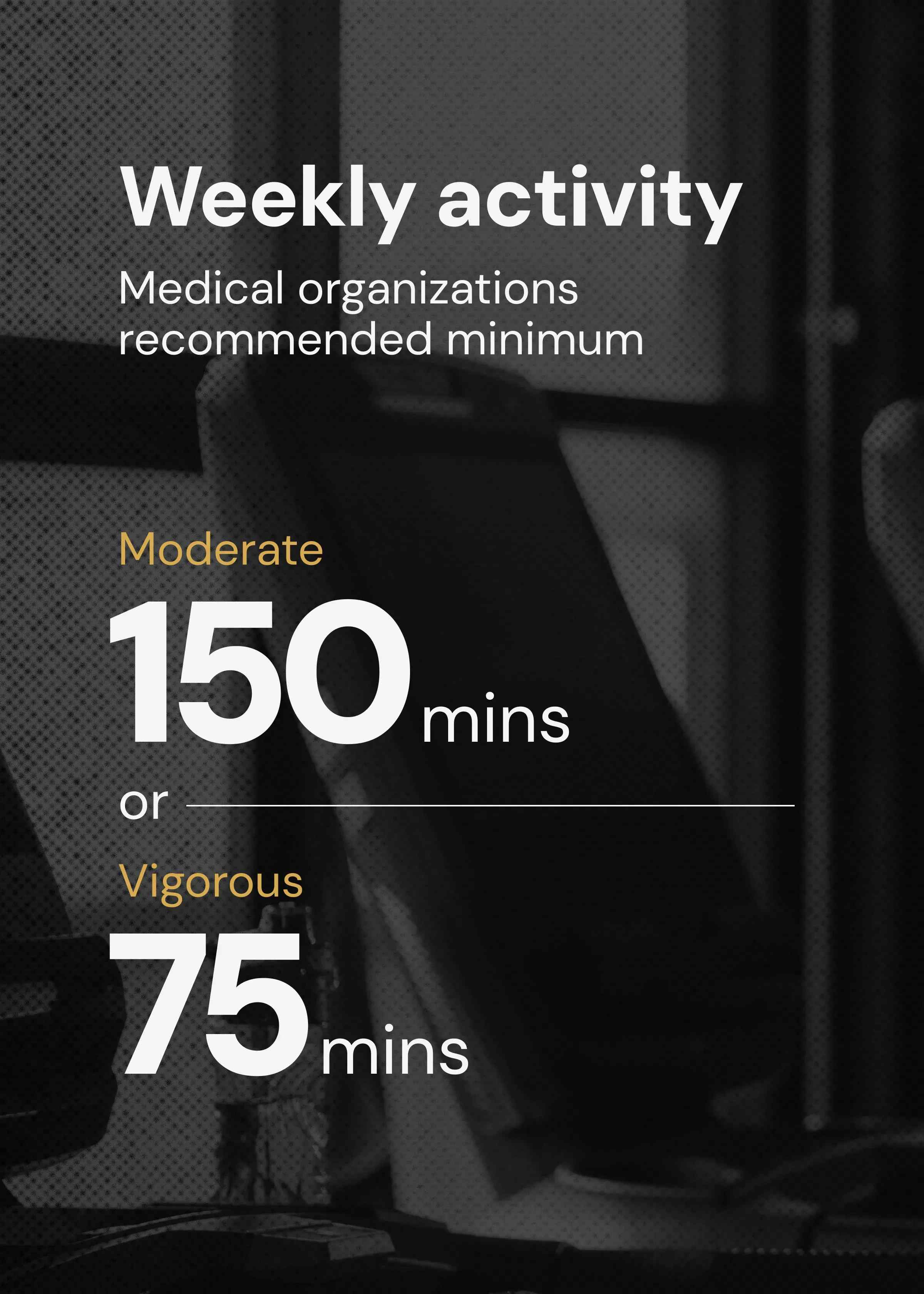
While medical organizations including the WHO and the CDC recommend adults get at least 150 minutes of moderate-intensity aerobic activity or 75 minutes of vigorous activity per week, the UK’s NHS goes one step further to suggest that this should be done, at least in part, every day.
That being said, a 2019 meta-analysis found that training more often made little difference to muscle hypertrophy when the total weekly volume was the same. Therefore, cramming in extra days of High-Intensity Interval Training (HIIT) isn’t automatically better, which opens the door to mixing up a routine to incorporate rest days.
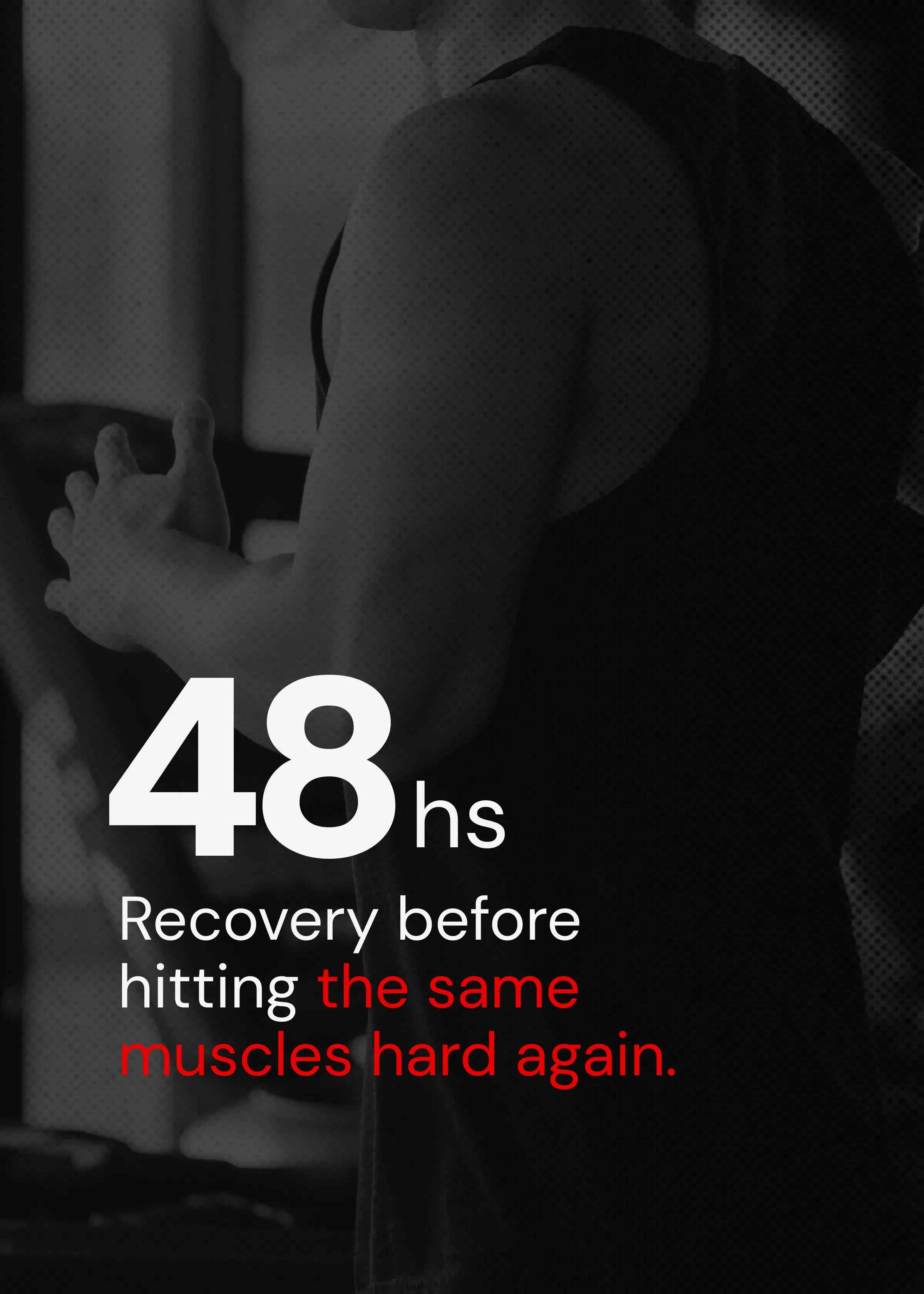
While repeated targeting of certain muscle groups is possible, just remember it can take 48-72 hours for your muscles to fully recover. As a result, varying your workouts to target different muscle groups each day gives tired muscles time to heal, helping you avoid overtraining, or worse, being sidelined by injury.
Active Recovery vs. Complete Rest
Arguably, this is where the waters get muddied as individuals battle with staying active versus enjoying a proper day off from exercising. Overstated claims such as “sitting is the new smoking” can put the fear of God into people, but in reality, both approaches can support recovery.
Typical Recovery Needs Based on Exercise
| Exercise Type | Intensity | Typical Recovery Needs |
|---|---|---|
| Walking | Low | Dedicated rest days not required just adjust distance if tired or sore. |
| Yoga/ Stretching | Low | Gentle sessions usually need little recovery but allow more time after demanding sessions. |
| Weight training | Moderate–high | Often around 48 hours before training the same muscles hard again. |
| Running | Moderate–high | Easy runs may need little downtime; allow 24–48 hours or more after hard or long runs. |
| HIIT | High | Often 24–48 hours between demanding sessions; longer if fatigue persists. |
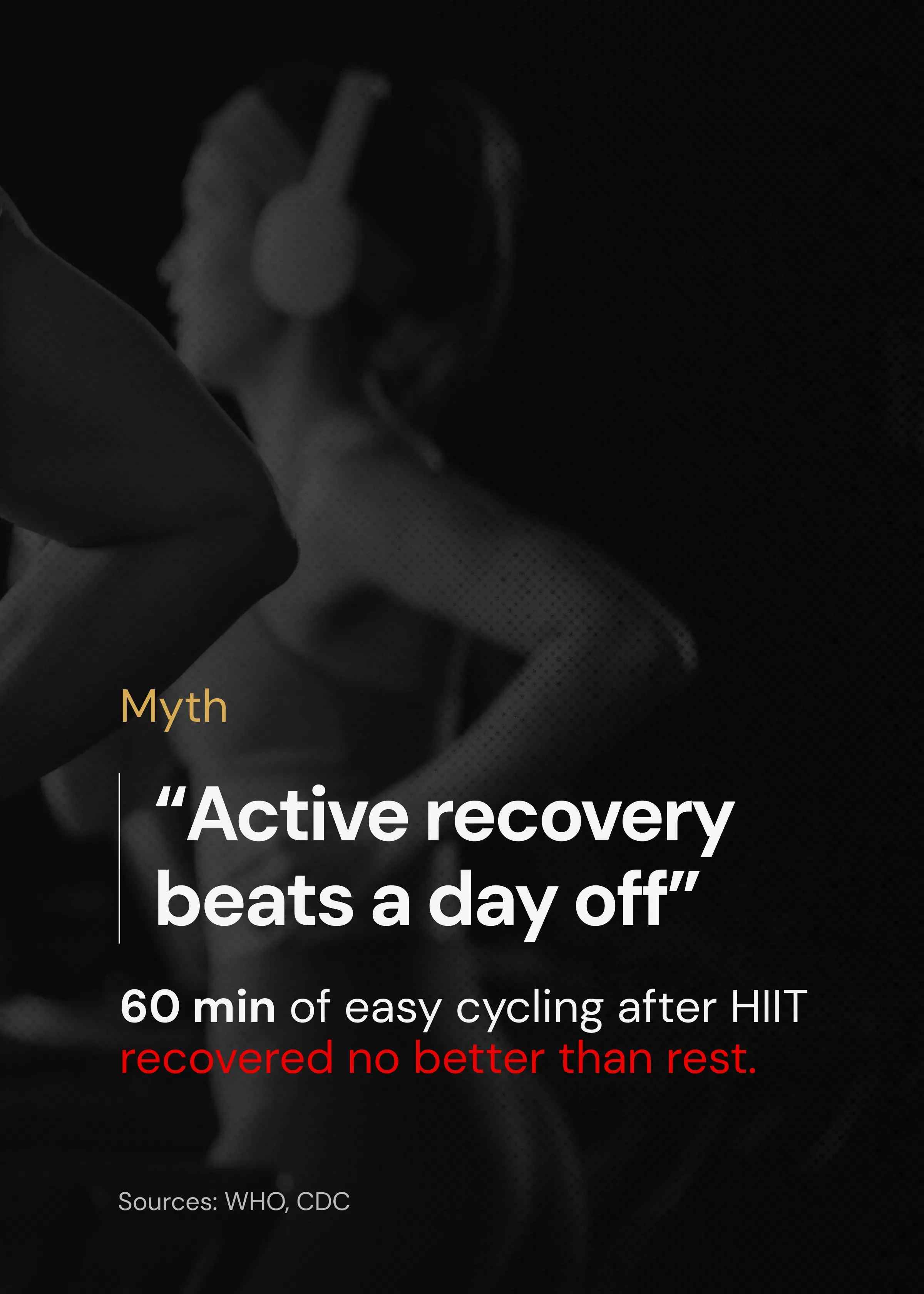
For those who inherently need to do some form of exercise every day, active recovery days can involve less strenuous activities such as swimming or going for a walk, which can help to satisfy the urge to stay active. Although a small 2021 study found that 60 minutes of moderate cycling the day after high-intensity interval training offered no significant recovery advantage over rest, suggesting that taking a proper day off can be an equally valid choice.
The Tell-Tale Signs You're Not Recovering Properly
Granted, one sluggish workout in the gym doesn’t suddenly mean you’re overdoing it. However, should achievable weights start to feel heavier, or extended periods of muscle soreness after a gym session become more persistent, then there’s a good chance you’re not giving your body long enough to recover.
Likewise, if you’re feeling more fatigued than normal, struggling to sleep at night, or your motivation for the gym starts to dwindle, these are all prominent signs that it could be time to rethink your training schedule. Certainly, incorporating rest days into your routine is one option, but optimizing your dietary intake to include nutritional supplements such as creatine and protein also has its known benefits.
Supporting this view is a 2023 research report that collated the results of several previous peer-reviewed studies that suggested protein supplementation aided post-exercise recovery. The results of which not only concluded that participants suffered lower levels of strength loss during their recuperation, but they also showed lower concentrations of creatine kinase - a pivotal blood marker typically associated with muscle damage.
The Verdict: Are Rest Days Overrated?
It has to be said, as per the NHS suggestion of keeping active every day undoubtedly has its benefits. However, overapplying this concept by engaging in repeated high-intensity exercise can be detrimental when it comes to meeting your desired longer-term objectives.
Therefore, whether it’s enjoying a fully-fledged rest day lounging on the couch or simply making sure you’re hitting your eight-hour sleep target every night, the fact remains that your body needs time to recover. Nevertheless, striking a balance between active recovery and complete rest may require elements of trial and error, but ultimately it's more about listening to what your body is telling you rather than sticking to an unyielding exercise regimen.
Stuart Hughes is a London-based freelance journalist covering sports, travel, lifestyle, and technology. He’s worked with brands like Lenovo, Best Western, and Frontier Airlines, bringing a global perspective shaped by years of travel.
More Articles like this
Why Hobbies Are Good for You (Even Watching Sports)
Research links hobbies to better mood, sharper thinking, and lower disease risk. Even rooting for a team can help, as long as the benefit comes from the community and not just the scoreboard.

By Cole Rush
Is Sitting as Bad as Smoking? Not Even Close
We've all heard that sitting is the new smoking. But while spending too much time on the couch carries genuine health risks, the science behind this alarming comparison tells a very different story.

By Stuart Hughes
Seven Ways Your Brain Tricks You Into Taking Risks
From chasing losses to trusting AI predictions, science reveals seven mental traps that can make risky decisions feel surprisingly reasonable.

By Stuart Hughes
From Creatine to Collagen: Which Supplements Actually Work?
From bigger muscles and healthier skin to getting a better night's sleep, wellness supplement advertising promises the world, but is the marketing department spinning scientific facts?

By Stuart Hughes
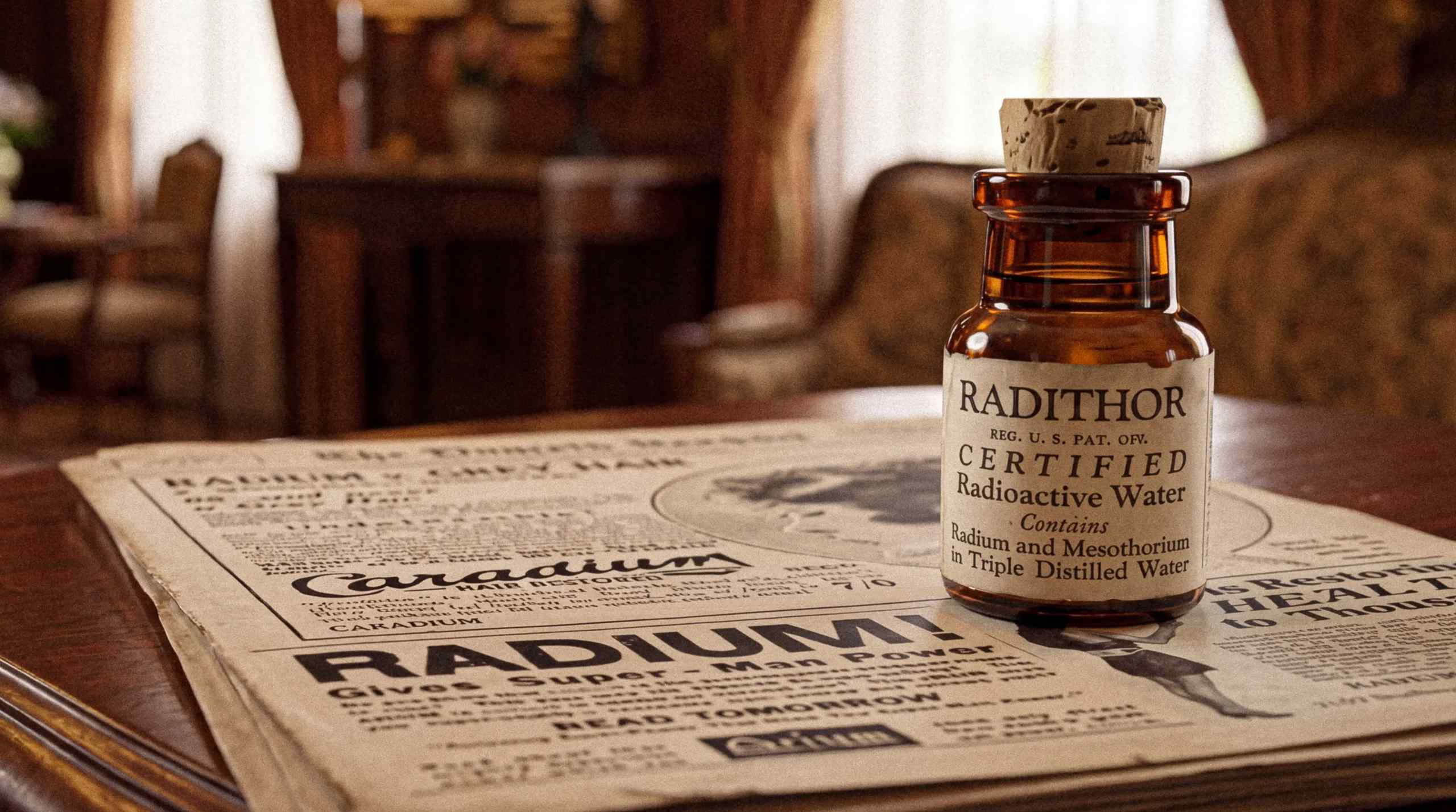
The 5 Craziest Wellness Trends People Once Swore By
Beauty is pain, or so the saying goes. Throw in the promise of a shortcut, and people will listen. Some of the wellness trends that caught on, though, were wild even by the standards of their own time.
By Charlon Muscat
Time to Wake Up: 8 Hours of Sleep Isn't a Magic Number
For years, eight hours has been drilled into us as the perfect night's kip. Turns out, the sleep doctors think there's more to getting a good night's sleep than just clocking up the hours.

By Stuart Hughes