
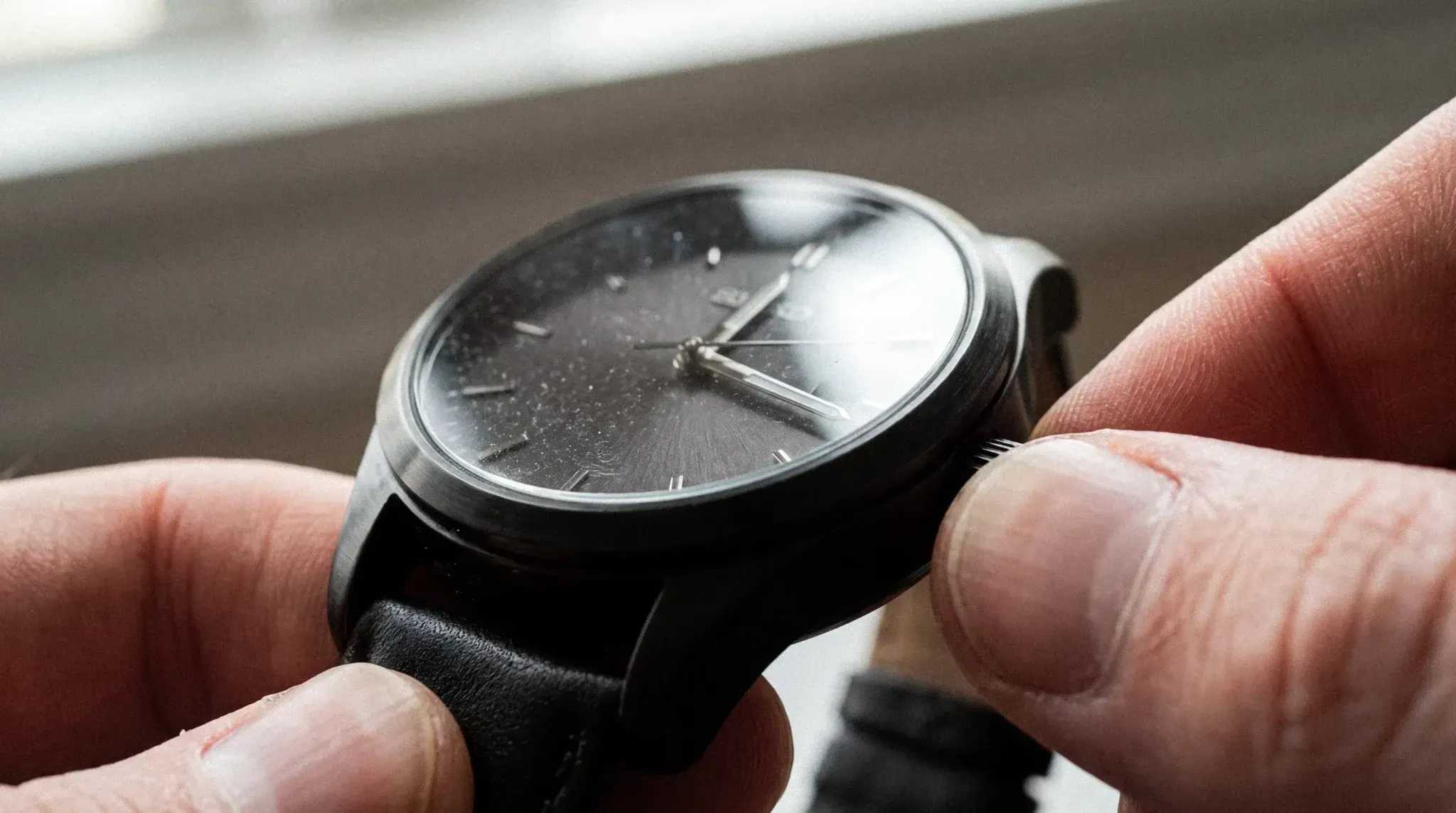
Is Getting Rid of Daylight Saving Time Good or Bad for Our Health?
The spring clock change is linked to more heart attacks and fatal crashes, but the full science is messier than the memes.

Twice a year, Americans grumble about changing the clocks. In spring, we lose an hour of sleep. In fall, we get it back, along with pitch-black 5 p.m. commutes.
The grumbling has gone mainstream. Lawmakers keep proposing to end the switch, and sleep doctors have weighed in loudly. But does changing the clocks actually hurt our health? And if we stopped, which time would we keep?
What the Studies Show
The data says the spring switch has negative impacts.
| Health Factor | Study Finding | Source |
|---|---|---|
| Heart attacks | About 4% higher risk in the weeks after the spring change; no clear increase after the fall change | 2024 meta-analysis, Deutsches Ärzteblatt International |
| Fatal traffic crashes | About 6% higher in the week after the spring change. | Fritz et al. , Current Biology, 2020 |
| Sleep | About 40 minutes less sleep on the Monday after the spring change; no significant difference after the fall change | Barnes and Wagner, Journal of Applied Psychology, 2009 |
| Mental health | 15 studies reviewed; no clear effect found | 2026 systematic review, European Journal of Epidemiology |
Sleep and Your Body Clock
The root problem is sleep. In a well-known study, workers slept about 40 minutes less on the Monday after the spring switch. The same research found more workplace injuries, and more severe ones, on those Mondays among miners.
Light is the fuel that runs your internal clock. When the battery-operated clock on the wall jumps ahead, your body experiences a sort of whiplash, unable to catch up immediately. That mismatch, often called social jet lag, can take days to fade. A steady schedule matters as much as total hours, which is part of why 8 hours of sleep isn't a magic number.
Heart Attacks and Car Crashes
Heart-health findings as they relate to Daylight Saving Time are real but modest. A 2024 meta-analysis found a roughly 4% higher risk of heart attack in the weeks after the spring change, with no clear increase after the fall change. Even the authors called for stronger study designs, so treat the number as a warning sign that still needs confirming.
The crash data is more striking. Researchers at the University of Colorado Boulder found that fatal crashes rose about 6% in the week after the spring switch. The effect was bigger on the western edge of time zones, where mornings are darkest. After the fall change, morning crashes dropped and evening crashes rose, roughly canceling out.
Is Daylight Saving Time Getting a Bad Rap?
Partly. The most comprehensive look so far, a 2026 systematic review of 157 studies from 36 countries, found a mixed picture.
The spring change was linked to more heart attacks and fatal crashes, but also to fewer violent crimes. The fall change was linked to lower mortality and fewer workplace accidents, but more crime. Across 15 studies of depression, bipolar disorder, and suicide, the reviewers found no clear effect.
The review also flagged a quality problem. Only about 1 in 5 studies was rated high quality, and some headline-grabbing findings vanished when researchers tested fake transition dates. In other words, some of the scariest claims about the clock change don't hold up. The spring risks still do.
Should We Stop Changing the Clocks?
Here's the twist. Ending the switch and choosing permanent daylight saving time are two very different things.
Permanent standard time means more morning light and darker evenings year-round.
Permanent daylight saving time means brighter evenings but dark winter mornings. In parts of the country, the sun wouldn't rise until after 8 a.m. for months.
Sleep scientists strongly prefer standard time. The American Academy of Sleep Medicine says permanent standard time is the optimal choice for health and safety, because morning light keeps the body clock aligned. That statement was endorsed by 20 other medical and scientific groups. The 2026 review reached a similar conclusion: if the switch goes, the limited sleep evidence and circadian science favor standard time.
Congress has mostly pushed the other way. The Sunshine Protection Act, which would make daylight saving time permanent, passed the Senate in 2022 but stalled in the House. The U.S. also tried permanent daylight saving time in 1974 and abandoned it within a year after dark winter mornings proved unpopular.

What About Places That Don't Change?
Hawaii and most of Arizona stay on standard time all year. That makes them natural test cases, but the health evidence from them is thin. Researchers often exclude them from clock-change studies because they don't switch, which tells us little about whether their residents are healthier.
The honest answer is that they show permanent standard time is workable. They don't yet prove it's healthier.
The Verdict
Ending the twice-yearly switch would likely help, mainly by eliminating the risky week after the spring change. The evidence for that harm is the strongest in the field.
But the clock we keep matters. The weight of sleep science points to permanent standard time, not permanent daylight saving time. Brighter summer evenings feel great, but your body clock runs on morning light.
Until lawmakers decide, there's a simple fix. In the days before the spring switch, go to bed 15 to 20 minutes earlier each night, cut back on late-night screen time, and get outside in the morning light. Your heart, your commute, and your Monday self will thank you.
Cole Rush is a freelance writer, crossword constructor, and creative tinkerer with more than 10 years of experience writing about anything and everything. Cole’s primary area of expertise is the gambling industry, covering the expansion of sportsbooks and online casinos alongside emerging spaces like sweepstakes casinos and prediction markets.
More Articles like this
Five Caffeine Myths We Use to Justify Another Coffee
Coffee has gone from cancer scare to health miracle. But are we selectively believing the research that gives us an excuse to pour another cup?
By Charlon Muscat
More Gym Time, Worse Health? America's Fitness Paradox
America’s obsession with the gym is more intense than ever, but it doesn’t appear to be solving the nation’s health problems. Here’s why the real issue isn’t how hard or often you train.
By Stuart Hughes
Are Rest Days Overrated? Do You Actually Need a Rest Day From Exercise?
Who doesn’t love and loathe gym rest days in equal measure? From the fear of overdoing it to stressing out about shrinking gains, here’s the science behind striking the perfect balance.
By Stuart Hughes
Why Hobbies Are Good for You (Even Watching Sports)
Research links hobbies to better mood, sharper thinking, and lower disease risk. Even rooting for a team can help, as long as the benefit comes from the community and not just the scoreboard.
By Cole Rush
Is Sitting as Bad as Smoking? Not Even Close
We've all heard that sitting is the new smoking. But while spending too much time on the couch carries genuine health risks, the science behind this alarming comparison tells a very different story.
By Stuart Hughes
Seven Ways Your Brain Tricks You Into Taking Risks
From chasing losses to trusting AI predictions, science reveals seven mental traps that can make risky decisions feel surprisingly reasonable.

By Stuart Hughes