
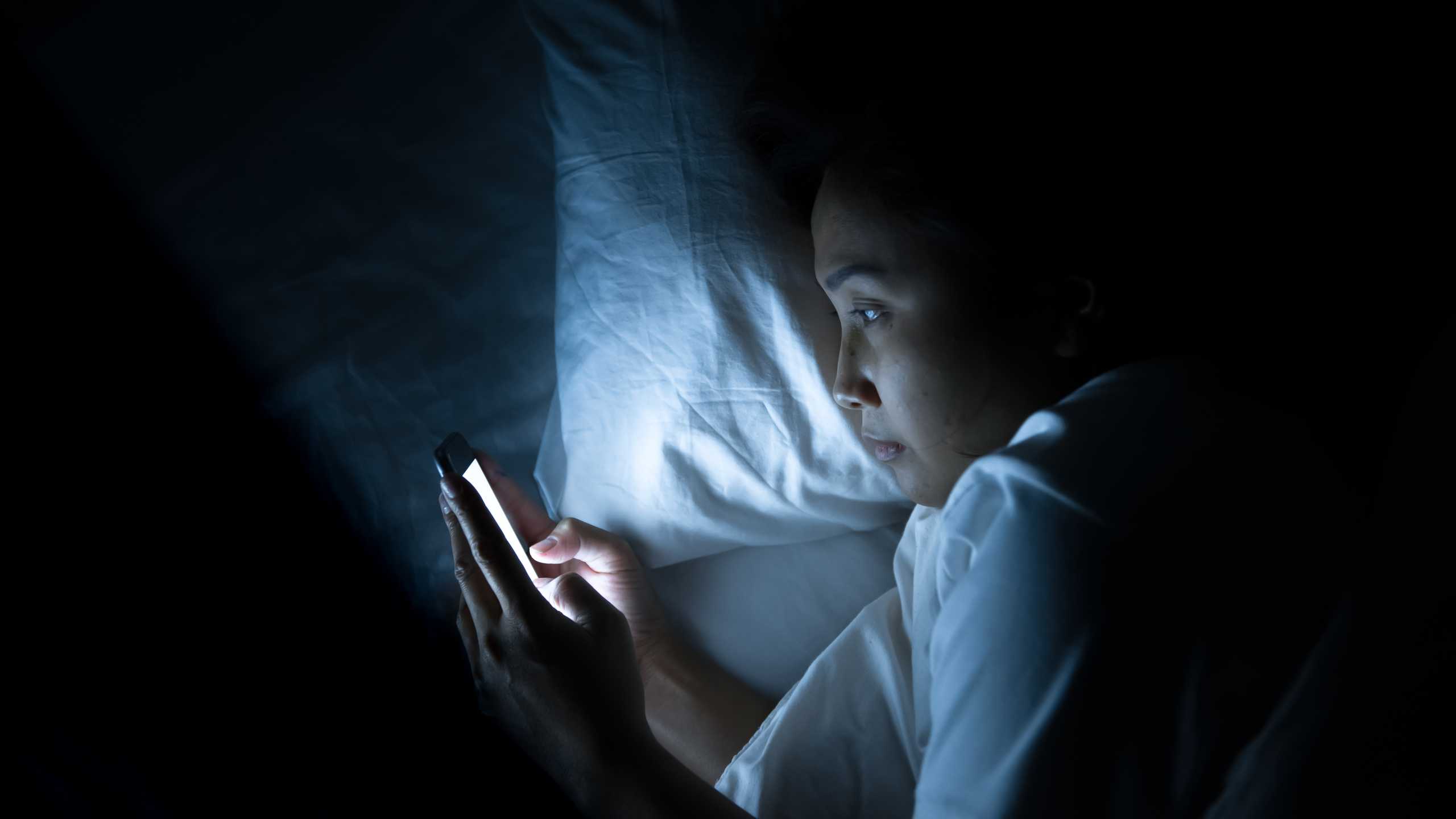
How Much Screen Time Is Too Much?
Screen time has nearly doubled over the past two decades. Here’s how usage varies by age and what it means for health.

Screens have woven themselves into the fabric of daily life, from morning coffee scrolls to bedtime Netflix binges, and while it is practically second nature to grab the phone now, users are often asking how much screen time is too much.
Smartphones, laptops, streaming services, and social media now dictate how Americans work, connect, and unwind. Surveys show adults are averaging seven to ten hours daily with their eyes glued to screens. Teens are clocking even more time on their phones, often treating them as a second appendage.
This digital deluge has ignited debates among parents, educators, and doctors: Are we crossing a line into harm?
This explainer dives into the numbers, tracing screen time's explosive growth over two decades, breaking down today's usage by device and age, and unpacking health impacts backed by peer-reviewed studies, all to answer the question: How much is too much in a world where screens are inescapable?
Screen Time Over Time
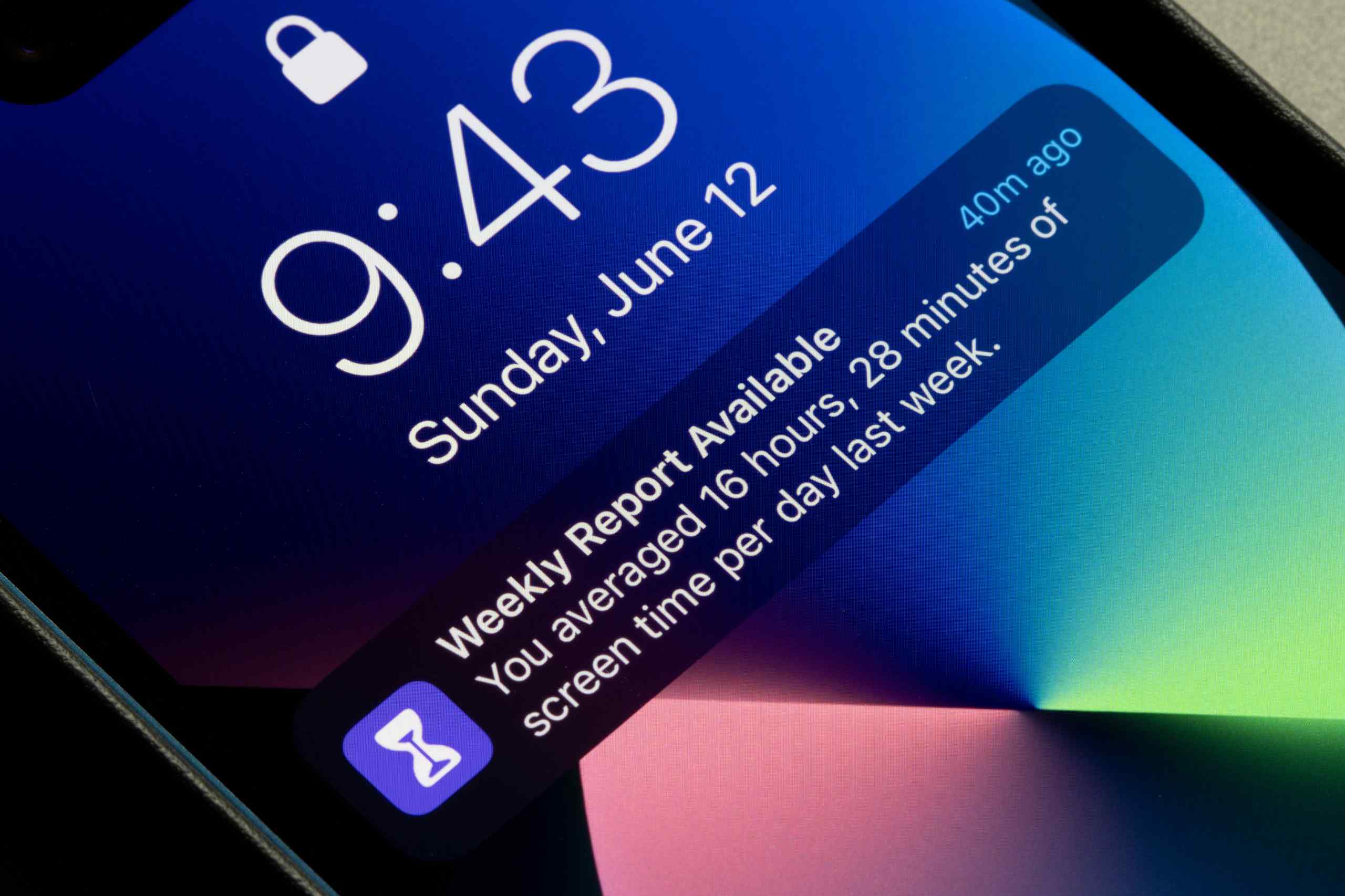
Two decades ago, screens meant a TV or a clunky desktop. Now, they're omnipresent portals to endless content in never-ending scrolls. In 2005, U.S. adults spent about three-and-a-half hours daily on media, mostly by watching broadcast TV, according to Nielsen. Back then, teens hovered around four hours on TV or surfing the internet.
Fast-forward to 2015 and smartphones flipped the script, pushing teen media use to nearly seven hours daily, according to Common Sense Media. Adults approached six hours per day as iPhones and Facebook proliferated and kept content constantly charging through the little screens.
Already high a decade ago, the pandemic supercharged screen time. By 2021, teens averaged nearly nine hours, up 29% from 2015. The younger generations are also seeing screen time surges, as tweens spend more than five hours on screens, fueled by remote school, TikTok doom scrolls, and Zoom.
Today, the average user logs seven hours across devices, according to 2024 DataReportal information. Smartphones alone claim five hours of a U.S. adult’s time daily. That is fueled in part by remote work and the plethora of streaming options, which have parlayed an "always-on" mentality into the social norm.
Screen time trajectory over the years:
Average Daily Screen Time 2005-25
| Year | Avg Daily Screen Time (Adults) | Avg Daily Screen Time (Teens 13-18) |
|---|---|---|
| 2005 | 3.5 hours | 4 hours |
| 2015 | 5-6 hours | 6 hours 40 minutes |
| 2021 | 7 hours | 8 hours 39 minutes |
| 2025 | 7 hours 4 minutes | 7-9 hours |
How Much Screen Time People Get Today
Screens have gone from an occasional daily attraction to being fully integrated into everyday life. The modern screen time total blurs the lines between work, play, and everything in between. Multitasking inflates the screen time as many users juggle tabs while "watching" Netflix.
U.S. adults are averaging more than seven hours across devices, with smartphones dominating the eye time at five hours. While on those smartphones, social media takes up more than half the time, while streaming also notches up to three hours. Connected TV consumers spend nearly four hours, while computer users account for two-and-a-half hours. Some surveys even clocked daily screen time up to 16 hours for some adults.
Gen Z leads the pack in average screen time, reaching 9 hours total. Millennials are clocking just under the seven-hour average, while baby boomers lag at just over five hours. But even seniors spend an average of more than four hours on their TVs and phones.
Screen Team By Generation
| Age Group | Avg. Daily Screen Time |
|---|---|
| Children (8-12) | 5 hours 33 minutes |
| Teens (13-28) | 8 hours 39 minutes |
| Adults (18-64) | 7 hours 4 minutes |
| Seniors (65+) | 5 hours 2 minutes |
Health Effects of Excessive Screen Time
The health toll mounts as hours of screen time increase. The CDC's data links teens with more than four hours of screen time a day to higher anxiety and depression rates. Similarly, a JAMA Pediatrics review found a 52% screen surge during COVID that correlated with mental health dips during the pandemic. And screen time can hit like an addiction by triggering dopamine loops, making users go back again and again.
Sleep can also be negatively affected by screen time. Blue light from digital devices suppresses melatonin, and Harvard studies show evening use of devices can delay sleep onset by up to two hours.
Physically, the sedentary lifestyle that comes along with watching screens nonstop is also fueling obesity. The World Health Organization ties more than two hours of recreational screen time to a 20% to 30% higher body mass index risk in children. Eye strain, or digital vision syndrome, hits 50% to 90% of heavy screen users. There are also posture woes like "tech neck" that can add to chronic pain.

What Experts Say About Screen Time Limits
Professional recommendations of blanket screen time caps are fading. The American Academy of Pediatrics ditched its previous rigid two-hour maximum recommendation for children and teens in 2016. Instead, the AAP emphasizes the quality of what the user consumes.
"It doesn't make sense to make a blanket statement. Co-viewing or educational use differs from passive scrolling," according to AAP's Dr. Cori Poffenberger.
For children under 5 years old, the WHO sticks firm with a guideline of no screen time for those under 2 years old and less than an hour for those ages 2 to 4.
Recommendations for teens can be even more nuanced. Anything more than seven hours of screen time can cause loneliness spikes in teens, but that can be countered somewhat with video calls with friends.
Dr. Jean Twenge, author of iGen, said screens where work and school are done are not the enemy, and that the balance between the physical and digital worlds is key.
The Centers for Disease Control and Prevention recommends that users prioritize sleep and exercise rather than simply enforcing strict cuts.
As a general rule for adults, between two and four hours appears to be relatively harmless, with more than seven hours starting to cause serious issues.
Healthy Screen Habits
When it comes to screen time and how much is too much, quality trumps quantity.
The AAP offers a few key tips:
- No screens one hour before bed, although blue-light filters do help
- Device-free meals and family time
- Using apps like Screen Time for audits
Experts also recommend replacing the passive social media phone browsing with calls or walks, and ultimately, that digital connection with friends and family beats those solo scrolls. They also suggest tracking screen time through built-in phone options, setting app limits, and batch-checking email to help cut down on unintended extra screen time.
In our screen-saturated lives, intentional use helps keep harm at bay.
Screens won’t vanish in modern life, and nor should they. But data screams to ensure children and adults moderate their screen time, while experts are set on being smart about habits rather than hard time limits.
Sources
- American Academy of Pediatrics (AAP). Media and Children: Screen Time Guidelines. https://www.aap.org/en/patient-care/media-and-children/
- Centers for Disease Control and Prevention (CDC). Screen Time and Adolescent Health. https://www.cdc.gov/
- World Health Organization (WHO). Guidelines on Physical Activity, Sedentary Behaviour and Sleep for Children Under 5 Years of Age. https://www.who.int/
- JAMA Pediatrics. Research on Screen Time and Mental Health Outcomes. https://jamanetwork.com/journals/jamapediatrics
- Nielsen. Total Audience Report (2005 media usage data). https://www.nielsen.com/
- Common Sense Media. The Common Sense Census: Media Use by Tweens and Teens. https://www.commonsensemedia.org/research
- DataReportal. Digital 2024 Global Overview Report. https://datareportal.com/reports/digital-2024-global-overview-report
- Harvard Medical School. Blue Light Exposure and Sleep. https://www.health.harvard.edu/
- Twenge, Jean M. iGen: Why Today’s Super-Connected Kids Are Growing Up Less Rebellious, More Tolerant, Less Happy. Atria Books.
Pat Evans is a Grand Rapids-based journalist and editor covering the intersection of business, sports, lifestyle, and gambling regulation. With a background in business journalism and legislative reporting (LSR, iGamingBusiness), he brings an analytical, human-focused approach to stories about modern trends. His work has appeared in regional and national publications, and he is also the author of two books on beer history.
More Articles like this
Seven Ways Your Brain Tricks You Into Taking Risks
From chasing losses to trusting AI predictions, science reveals seven mental traps that can make risky decisions feel surprisingly reasonable.

By Stuart Hughes
From Creatine to Collagen: Which Supplements Actually Work?
From bigger muscles and healthier skin to getting a better night's sleep, wellness supplement advertising promises the world, but is the marketing department spinning scientific facts?

By Stuart Hughes
The 5 Craziest Wellness Trends People Once Swore By
Beauty is pain, or so the saying goes. Throw in the promise of a shortcut, and people will listen. Some of the wellness trends that caught on, though, were wild even by the standards of their own time.
.webp)
By Charlon Muscat
Time to Wake Up: 8 Hours of Sleep Isn't a Magic Number
For years, eight hours has been drilled into us as the perfect night's kip. Turns out, the sleep doctors think there's more to getting a good night's sleep than just clocking up the hours.

By Stuart Hughes
Do You Really Need Eight Glasses of Water a Day?
Think you need eight glasses of water a day? The science never really said that. Here’s how one of wellness’s most persistent myths took hold.

By Charlon Muscat
Hate the Gym? Try These Five Ways to Stay Active
Gyms aren’t for everyone, and that’s fine. From pickleball obsession to aerial silks, biking, bouldering, and rec leagues, here are five sweat-worthy alternatives that make exercise feel like fun, not a chore.

By Cole Rush