
Five "Lazy" Exercises That Actually Work Better Than Gym Grind
Five deceptively simple exercises are redefining functional fitness by emphasizing natural movement patterns and joint preservation over muscle fatigue.
.webp)
Squat racks are quite popular in many gyms across the world. Weight lifters are eager to try different weights and challenge themselves, as they think that it's a sign of progress in their training process. However, there is always a person behind who performs some backward walking, doing nothing special at all. It looks, to the uninitiated, like a waste of time.
We need to have a different approach, as research has uncovered a newer, less damaging way to build strength and live longer. Traditionally, fitness experts have been propagating the idea that adaptation can be obtained through workouts that lead to failure and an overload on the connective tissue.
Today I want to highlight five simple and low-impact movements that can help to increase tensile stiffness and neural drive without damaging the muscle fibers.
A great difference lies in the fact that while all of the above-mentioned exercises serve to tone and strengthen the muscles, they are not fat-loss interventions. In order to lose body fat, it is necessary to maintain a calorie deficit while doing cardio regularly.
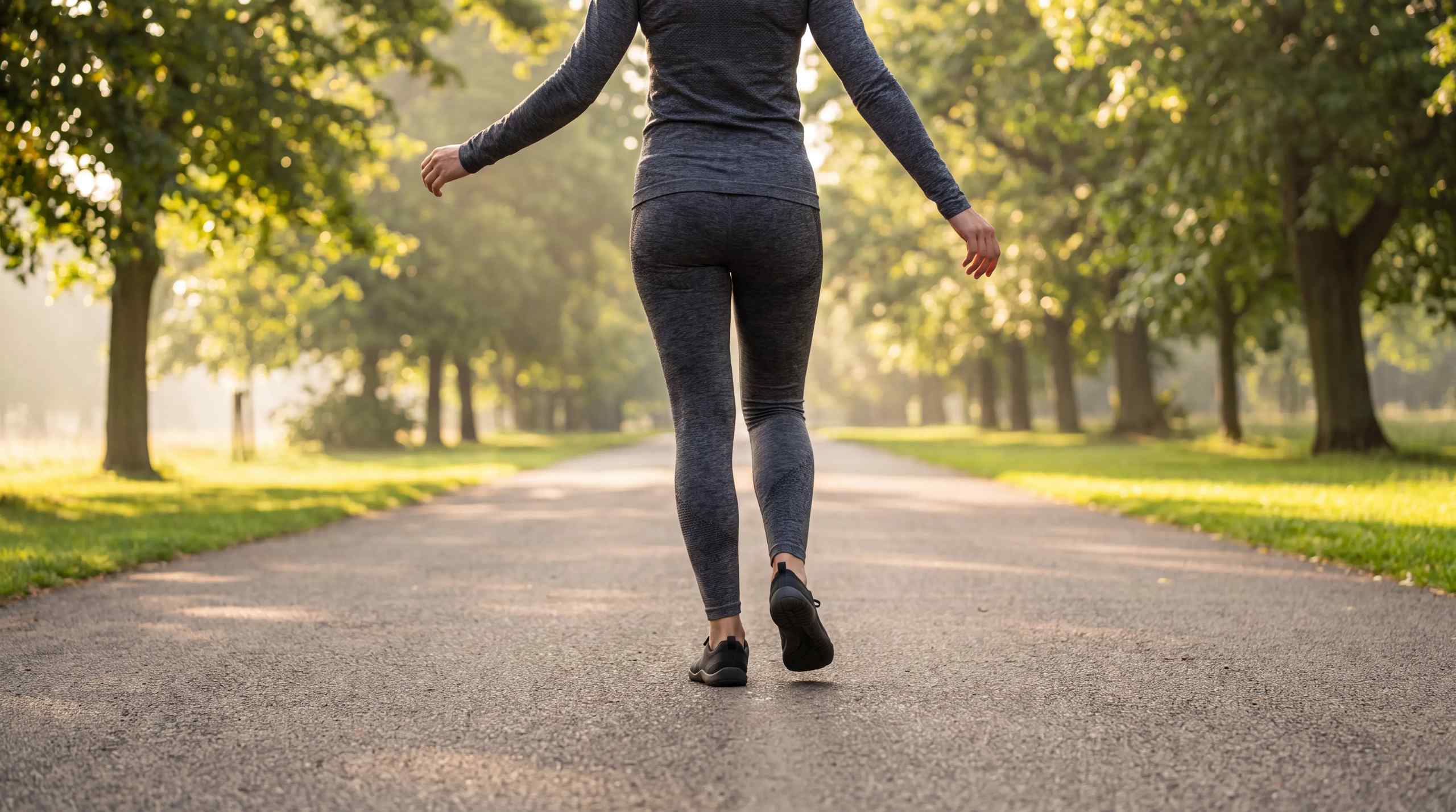
Walking backwards: the knee saver
When moving forward, the quads act like brakes and create eccentric loading and pressure on the patella in the femur. It’s no wonder why many heavy squatters and heavy runners end up with a chronic ache in the knees.
When walking backward, it flips all of this on its ear, and by landing on the toes, the knee acts like a shock absorber with little to no compression of the patella. Most notably, this allows for isolation of the vastus medialis oblique, or VMO (the teardrop-shaped muscle of the quads), to control the position of the kneecap. When the VMO is strong, it will counteract the drifting that occurs to the lateral aspect of the kneecap, creating the pain at the front of the knee.
You don’t need any fancy equipment; simply pace out fifty steps backward in an open space.
It avoids the joint stress of traditional knee rehab while training the same muscle groups that suffer from chronic knee pain.
Warning: Make sure you watch where you're going when walking backwards!
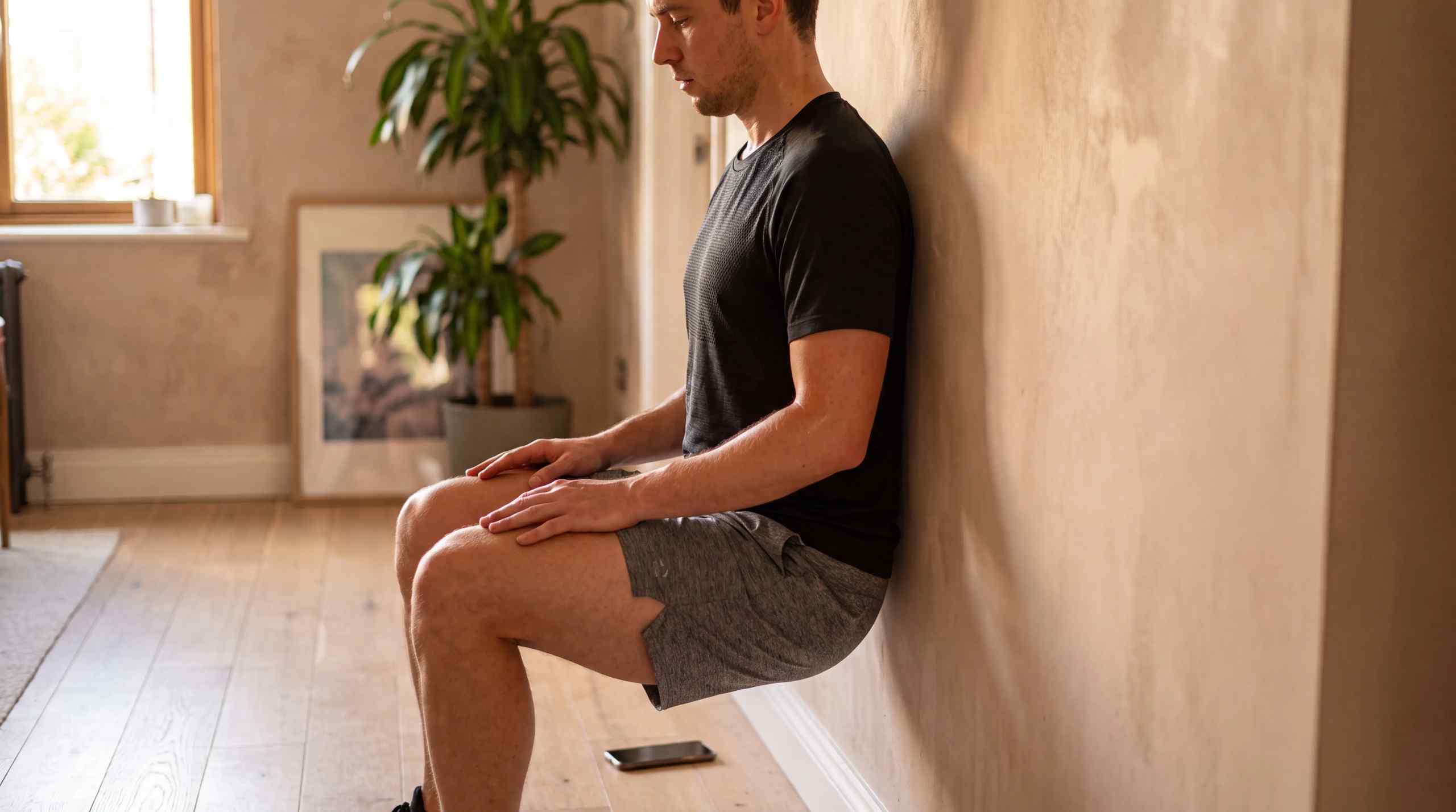
Wall sits: a cardiovascular intervention
From current research, the isometric hold type of exercise is found to be one of the most useful for lowering blood pressure. This is where the muscle is contracted at hip height level, keeping muscular activity at the same intensity at all times (not moving) while at the same time working muscles and the central nervous system.
After training, blood vessels dilate as a result of increased amounts of nitric oxide in the blood, resulting in progressive hypertension decline over the course of multiple treatments of this technique. Importantly, we achieve positive cardiovascular benefits and muscular gain, but without pressure or shear on your knees or spine during squats.
Blood flow begins to increase, the amount of nitric oxide starts to increase, and there is vasodilation. After enough repetitions, you should see a definite change in hypertension.
Most importantly, it all takes place without placing any physiological load on the knee or spine. All you need is a flat surface, a timer, and a tolerance for mild discomfort.
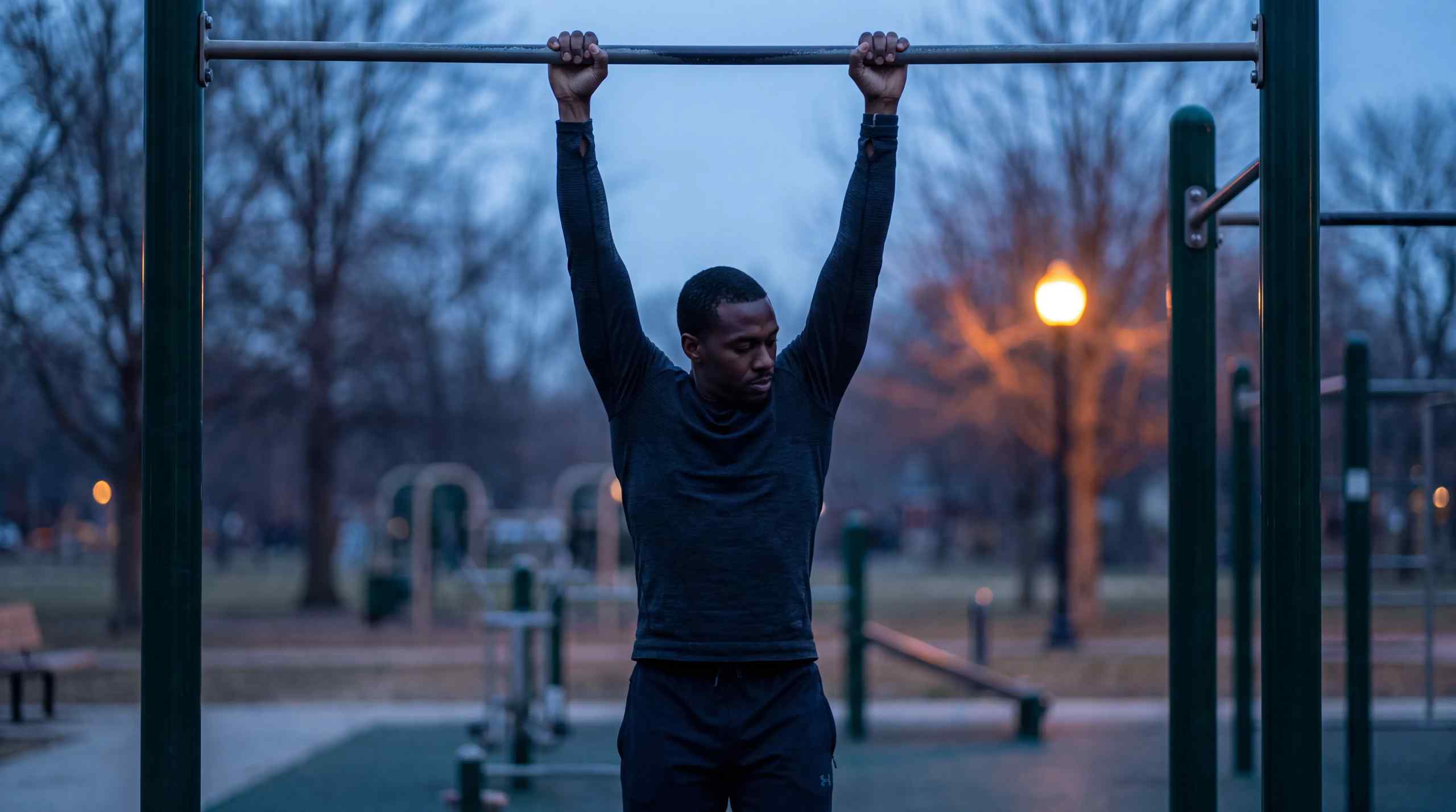
The dead hang: spinal decompression
Evolutionary history indicates that our ancestors were regularly using brachiation. In the modern world, this has turned into a quick movement from one chair in a bus or train to another, where the spine is held under continuous forces of compression. A dead hang is the act of hanging on a pull bar without straining the body too much but still reaping significant health benefits.
Due to gravity, vertebrae are pulled apart, and space is provided to relieve pressure from disks in the spine, which allows the spinal fluids to enter and reduce compression. Meanwhile, the shoulder capsule is opened, improving grip strength, an indicator of all-cause mortality.
Partial hangs can also be used where one or more feet rest on an anchored surface; you will feel decompression of your spine no matter how many limbs are supporting the load.
Farmer's carries: postural reinforcement
Many misconceptions are associated with postural correction. It is important to recognize that conscious awareness about retracting shoulders and balancing objects on the head are not solutions to this problem.
Instead, loaded carries should be used for this purpose. The long period of sitting contributes to thoracic flexion and anterior pelvic tilt; the farmer's carry demands the opposite pattern.
When you lift a heavy weight in each hand, it automatically activates your entire body. The muscles in your core and back work to keep you stable and in an upright position. This is equivalent to doing core exercises without doing any crunches. Your grip, arms, and shoulders also strengthen.
This exercise also provides a good form of cardiovascular workout without putting too much stress on your body.
Isometric holds: connective tissue adaptation
Traditional thinking indicates that muscles only grow when in motion. Isometric curls turn that idea around. Holding a position, such as constant pressure against a wall or the midpoint of a push-up, seems too passive to make a difference.
Traditional lifting creates micro-tears in the muscles but does not pay adequate attention to the supporting connective tissue. Isometrics solve this issue since pushing or pulling against an unmovable object helps stimulate the body to make the tendon collagen rigid at a specific angle. Moreover, isometrics work deep stabilizing muscles that would otherwise go unnoticed during a compound lift.
Bonus: A five-minute chair-based core routine
Core training does not require floor space. This sequence can be performed in a standard chair:
Seated Leg Curls/Raises: Sit on the edge of your seat while leaning back slightly. Hold on tightly to both armrests and extend your legs while trying to keep your heels slightly off the ground. Exhale as you pull your knees toward your chest, then lower them back down slowly. Keep your back in contact with the chair at all times, keeping in mind that if your lower back comes off the seat, the hip flexors will take control of the process instead of your core muscles.
Single-Leg Lowering: Stand up, keeping one foot on the floor. Lift the other leg off the ground. Slowly come back to the seated position while taking as long as possible. As the exercise is being done in one leg, the deep core muscles have to be engaged in order to keep the hips stable. Switch legs and continue alternating for sixty seconds.
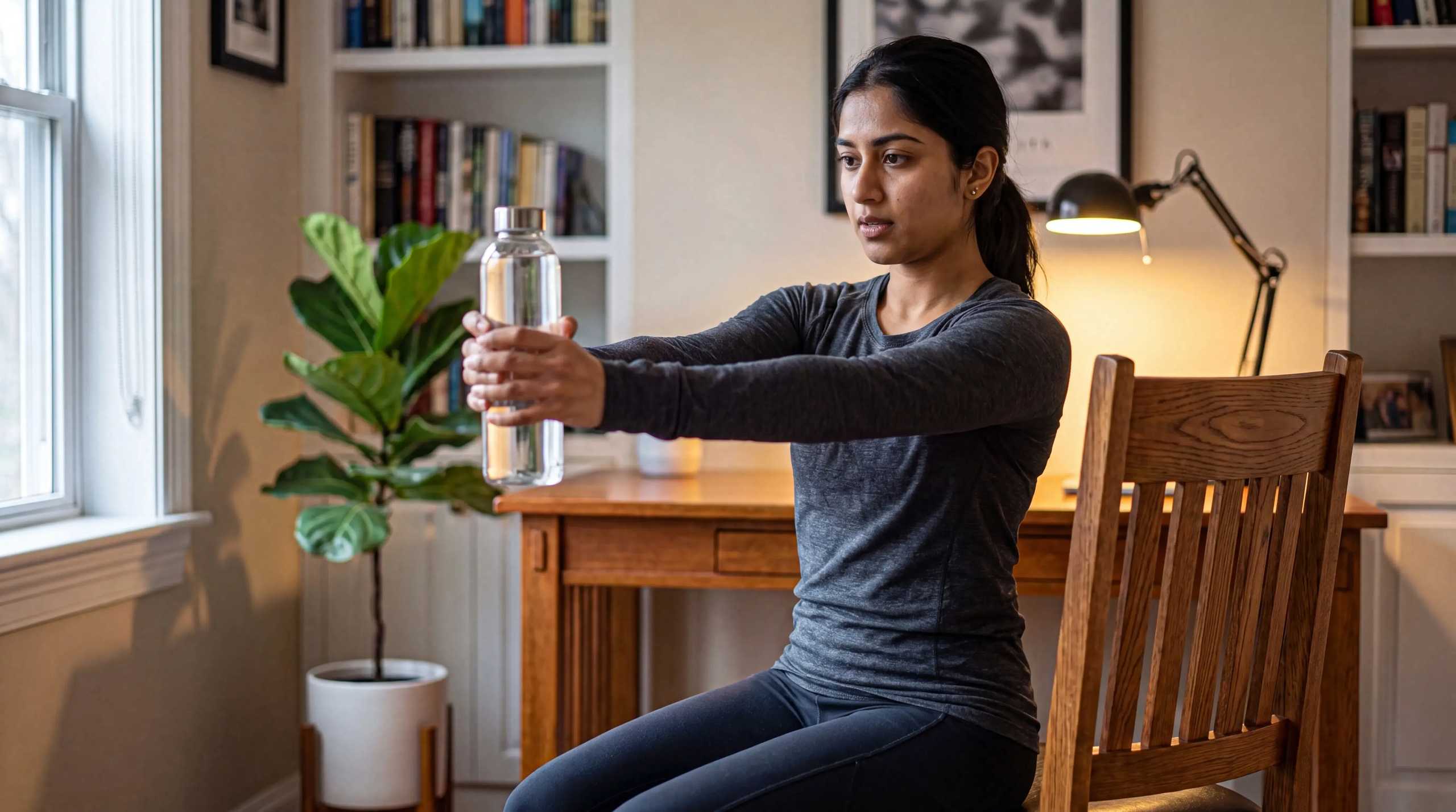
Seated Anti-Rotation Press: With arms straight in front of you, grab a bottle of water or any light item, keeping it at a chest-height level. Press the object ahead and maintain this position for ten seconds. Since your arms are stretched, your body will have to put a lot of effort to prevent the upper body from sagging forward, creating sustained tension through the obliques and rectus abdominis.
Work out smarter, not harder
There’s no “show” in these movements, and they won’t be going viral on social media any time soon.
However, human physiology does not reward aesthetics; it rewards constant mechanical stress, progressive overload, and respect for joint preservation. These movements create a solid and resistant base of strength.
As for fat loss, the kitchen and cardio training can’t be skipped. For everything else, like strong knees, regulated blood pressure, and spinal health, the evidence suggests that it really is better to work smarter rather than harder.
Note: This article is for general informational purposes only. Anyone with cardiovascular disease, persistent joint pain, balance problems, or a recent injury should consult a qualified healthcare professional before beginning a new exercise routine.
Lucie brings almost 20 years of iGaming experience, combining sports writing expertise with deep casino knowledge. Her work spans live sports coverage, slot mechanics, player-focused reviews, and strategic casino content. Known for her no-nonsense, first-hand approach, Lucie cuts through jargon to deliver clear, practical insights for both operators and players.
More Articles like this
Seven Ways Your Brain Tricks You Into Taking Risks
From chasing losses to trusting AI predictions, science reveals seven mental traps that can make risky decisions feel surprisingly reasonable.

By Stuart Hughes
From Creatine to Collagen: Which Supplements Actually Work?
From bigger muscles and healthier skin to getting a better night's sleep, wellness supplement advertising promises the world, but is the marketing department spinning scientific facts?
By Stuart Hughes
The 5 Craziest Wellness Trends People Once Swore By
Beauty is pain, or so the saying goes. Throw in the promise of a shortcut, and people will listen. Some of the wellness trends that caught on, though, were wild even by the standards of their own time.
.webp)
By Charlon Muscat
Time to Wake Up: 8 Hours of Sleep Isn't a Magic Number
For years, eight hours has been drilled into us as the perfect night's kip. Turns out, the sleep doctors think there's more to getting a good night's sleep than just clocking up the hours.
By Stuart Hughes
Do You Really Need Eight Glasses of Water a Day?
Think you need eight glasses of water a day? The science never really said that. Here’s how one of wellness’s most persistent myths took hold.
By Charlon Muscat
Hate the Gym? Try These Five Ways to Stay Active
Gyms aren’t for everyone, and that’s fine. From pickleball obsession to aerial silks, biking, bouldering, and rec leagues, here are five sweat-worthy alternatives that make exercise feel like fun, not a chore.
By Cole Rush