

Fitness & Nutrition: Real-World Healthy Habits
Real wellness fitness and nutrition advice for people who stay up late, skip meal prep, and still want to feel better by Monday.

Fitness culture often assumes perfect conditions: for healthy habits, waking up refreshed, meal-prepped meals waiting in the fridge, and plenty of time for long workouts. Real life rarely cooperates. Most weeks include late nights, social plans, stressful workdays, travel, and the occasional questionable food decision.
The Fitness & Nutrition section at Bodog is built for that reality.
Rather than promising dramatic transformations or rigid routines, this hub focuses on practical ways to improve energy, recovery, and physical health within the rhythms of everyday life. It assumes readers are balancing work, entertainment, sports, social plans, and the occasional heavy weekend.
A More Realistic Approach to Fitness and Nutrition
Much of the online wellness world revolves around optimization culture: perfectly measured meals, strict supplement stacks, and multi-hour morning routines promoted by influencers who appear to treat health like a full-time job.
Most people don't live that way.
Health outcomes are usually shaped by a handful of simple behaviors repeated consistently: sleeping well, moving regularly, eating balanced meals, staying hydrated, and recovering properly after stress or exertion. When those basics drift, after a long week, a late night, or an inconsistent schedule, the body notices quickly.
The goal of this section is to explore those fundamentals in practical terms. Instead of prescribing rigid systems, it focuses on understanding how nutrition, movement, and recovery interact with the realities of modern life. That includes testing popular wellness trends, examining nutrition advice circulating online, and breaking down what current research actually supports.
What You'll Find in the Fitness & Nutrition Section
The Fitness & Nutrition hub brings together a wide range of content exploring how people can support their health in realistic ways. Coverage spans everything from workout strategies to nutrition science, recovery habits, and myth-busting investigations into popular wellness claims.
Readers can expect articles that explore:
Fitness and Exercise: Simple training approaches that build strength, endurance, and mobility without requiring athlete-level schedules or expensive equipment. Learn how to incorporate fitness learn techniques into your daily routine for lasting habits.
Healthy Eating and Recovery: How food, hydration, and sleep affect energy levels, physical performance, and long-term well-being. Discover hangover remedies, why alcohol consumption is down, and which foods actually help you meet your goals.
Lifestyle Health Experiments: Testing popular trends, from recovery foods to viral wellness routines, to see which ideas hold up in real life.
Myth-Busting Wellness Culture: Examining supplement claims, detox trends, and other marketing-driven health advice with a more critical lens.
Anti-Wellness Wellness: Separating Science from Marketing
Wellness marketing thrives on vague science, celebrity endorsements, and products that promise dramatic results with minimal effort. The industry sells everything from detox teas to miracle supplements, often backed by flashy branding rather than credible research.
One of the goals of this section is to examine those claims more carefully.
Take detox products, for example. The human body already has sophisticated systems for filtering toxins, primarily the liver and kidneys. Most commercial detox programs simply repackage common health advice like hydration, rest, and balanced nutrition. Understanding how those systems work helps readers avoid expensive shortcuts that rarely deliver what they promise.
The same principle applies to supplements. Some products can be genuinely useful when they address real deficiencies or specific performance goals. Others rely on underdosed ingredients and clever marketing language. This section regularly looks at how to evaluate supplement claims, what certifications actually mean, and how to avoid common industry pitfalls.
The goal isn't to dismiss every wellness product outright. It's to separate ideas supported by evidence from those driven primarily by marketing.

Recovery and Energy in a Busy Life
One area where practical wellness advice matters most is recovery.
Real life includes late nights, stressful weeks, travel, and unpredictable schedules. When sleep and nutrition fall out of balance, energy and performance tend to follow. Learning how to recover effectively, through quality sleep, proper hydration, balanced meals rich in nutrients, and moderate movement, can make a significant difference in how quickly people bounce back.
This section explores those recovery strategies in realistic ways. Instead of pretending people never have difficult weeks, it looks at how simple adjustments can restore energy and stability after periods of stress or overexertion.
Small habits often make the biggest difference. Prioritizing sleep after a demanding week, choosing healthy eating options with a focus on reducing added sugars and saturated fat, or maintaining light activity even when motivation is low, can all contribute to better long-term health and help maintain a healthy weight.
Fitness That Fits Real Schedules
Many people assume fitness requires a perfect training plan and hours in the gym. In reality, consistent movement matters more than complex programming.
Short, effective workouts, even twenty minutes at a time, can maintain strength and mobility when performed regularly. Walking, bodyweight exercises, and simple resistance training often provide substantial benefits when practiced consistently.
The focus of this section is on minimum effective dose fitness: training approaches that fit into busy schedules and adapt to fluctuating energy levels. Instead of abandoning exercise when life becomes hectic, readers learn how to scale intensity, shorten workouts, and maintain momentum without unnecessary pressure.
Why Bodog Covers Fitness and Nutrition
Bodog operates at the intersection of sports, entertainment, and digital culture. Its community includes sports fans, competitors, and people who enjoy the strategy and excitement surrounding modern sports betting and igaming environments.
Physical health and mental resilience naturally intersect with those interests. Maintaining energy, focus, and recovery supports better decision-making, clearer thinking, and overall well-being.
The Fitness & Nutrition section extends Bodog's broader content ecosystem by exploring the human side of performance, how everyday health habits influence energy, discipline, and recovery in real life. Rather than presenting an idealized version of wellness, the focus is on helping readers understand the science behind their habits and make practical improvements that fit their lifestyles.
Bodog's Realistic Guide to Better Health
Fitness and nutrition rarely need dramatic overhauls. In most cases, the fundamentals are surprisingly simple: eat a healthy diet with balanced meals from all food groups, move regularly with physical activity, stay hydrated by drinking enough water, sleep well, and give the body time to recover.
These healthy habits may not be glamorous, but they are effective and provide lasting health benefits, including reducing the risk of heart disease and supporting better mood and energy in daily life.
The Fitness & Nutrition section explores these fundamentals with a mix of research, experimentation, and myth-busting commentary. It's designed for adults who want to feel better, maintain a healthy weight, and perform better without pretending their lives revolve around wellness routines.
Explore the broader Wellness Hub, or dive into Mindset & Habits to learn how psychology, behavior, and decision-making shape everyday healthy living and fitness.
The Bodog editorial team is comprised of experts in the iGaming, Sportsbetting, Lifestyle, Travel Wellness and Casino space.
More Articles like this
Seven Ways Your Brain Tricks You Into Taking Risks
From chasing losses to trusting AI predictions, science reveals seven mental traps that can make risky decisions feel surprisingly reasonable.

By Stuart Hughes
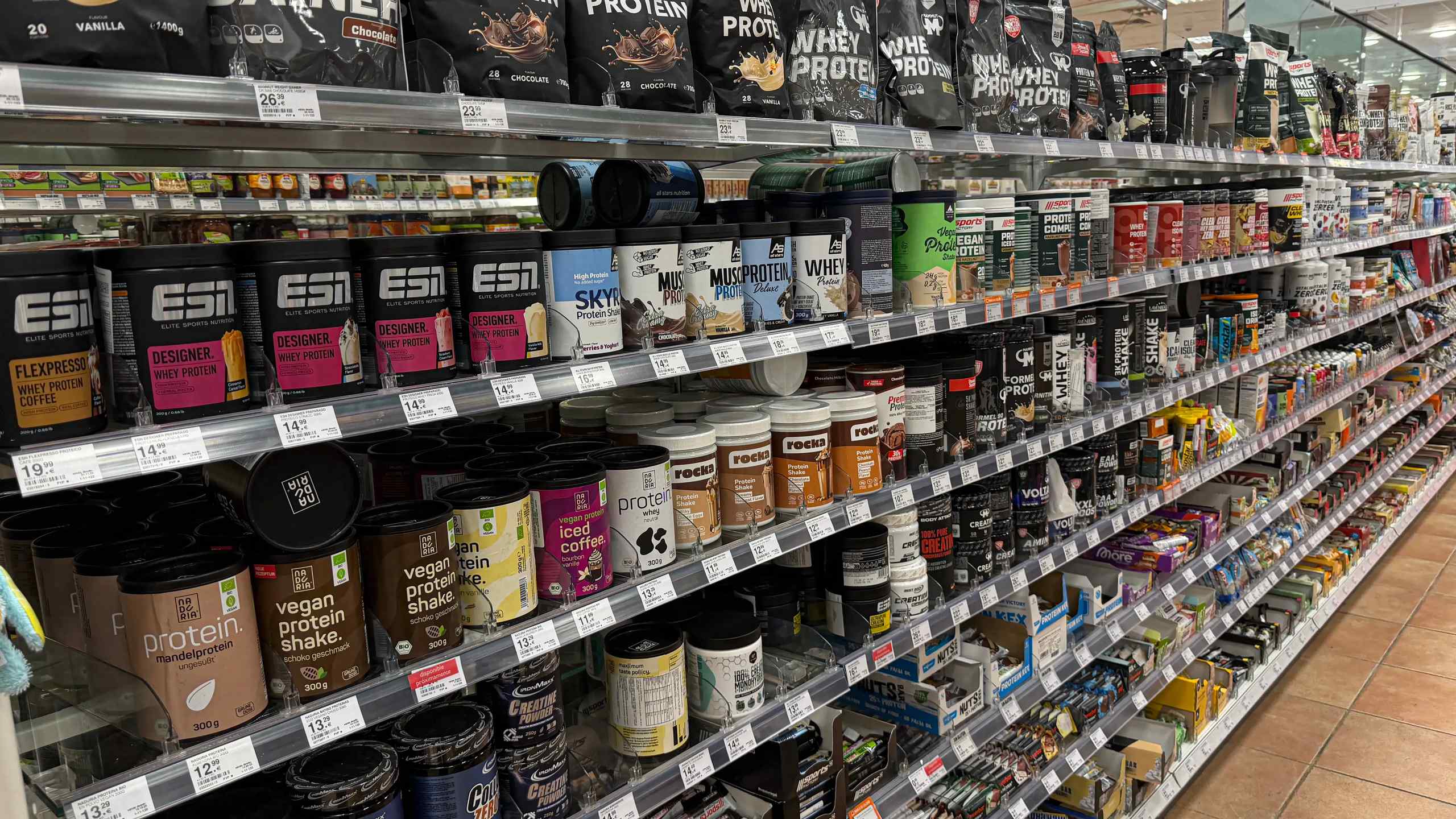
From Creatine to Collagen: Which Supplements Actually Work?
From bigger muscles and healthier skin to getting a better night's sleep, wellness supplement advertising promises the world, but is the marketing department spinning scientific facts?
By Stuart Hughes
The 5 Craziest Wellness Trends People Once Swore By
Beauty is pain, or so the saying goes. Throw in the promise of a shortcut, and people will listen. Some of the wellness trends that caught on, though, were wild even by the standards of their own time.
.webp)
By Charlon Muscat
Time to Wake Up: 8 Hours of Sleep Isn't a Magic Number
For years, eight hours has been drilled into us as the perfect night's kip. Turns out, the sleep doctors think there's more to getting a good night's sleep than just clocking up the hours.

By Stuart Hughes
Do You Really Need Eight Glasses of Water a Day?
Think you need eight glasses of water a day? The science never really said that. Here’s how one of wellness’s most persistent myths took hold.

By Charlon Muscat
Hate the Gym? Try These Five Ways to Stay Active
Gyms aren’t for everyone, and that’s fine. From pickleball obsession to aerial silks, biking, bouldering, and rec leagues, here are five sweat-worthy alternatives that make exercise feel like fun, not a chore.

By Cole Rush