
Why Alcohol Consumption Is Declining in the United States
You may have heard that younger generations are drinking far less alcohol than their elders, but that's only part of the story.
%20(1).webp)
Surveys and reputable data sources have long been signalling a softening of alcohol consumption among Americans.
“Decline” is a nuanced term, though. There are many data points and trends to consider when analyzing the fall of US alcohol consumption. The reality is far more complex than a single downward-pointing arrow.
A high-level interpretation can definitely point to a downward trend. Dive a little deeper, and you’ll find the nitty-gritty tells a layered story. Drinking has changed. Outlooks on drinking have changed. Many drinkers are doing so less or switching types of alcohol, say, from beer to spirits. Survey data also suggest a small decline in self-reported drinking participation and frequency. Two key measures—alcohol sales and survey data—can be measured separately but used to take a big-picture view of American alcohol consumption.
Many forces are contributing to downturned alcohol consumption trends, including cannabis legalization, health choices, generational attitudes, economics, and more.
Let’s dive in and take a look at what the data and trends show us about American alcohol consumption.
Alcohol Consumption Over Time
| Year | Apparent per-capita ethanol, all beverages (gallons) | Percentage of adults who say they drink alcohol | Key takeaway |
|---|---|---|---|
| 2005 | 2.25 | 63% | Consumption and participation were relatively stable with long-term norms |
| 2015 | 2.33 | 64% | Not much change from the mid-2000s |
| 2021 | 2.54 | 60% | Pandemic-era trends suggest higher consumption rates, but reported participation dropped |
| 2023 | 2.48 | 62% | Both metrics begin trending down |
| 2025 | Not yet published | 54% (record low) | Record low participation, but survey responses were also abnormally low. |
These numbers might suggest a sharp decline in alcohol consumption, especially in recent years. Our take, however, is that drinking and related activities respond sharply and quickly to socioeconomic trends. The data show that the COVID-19 pandemic led to a slight spike in alcoholic beverage purchases, but participation was down. This could be attributed to less drinking during lockdown, despite purchases being slightly higher than in previous measured years.
The most recent data from the NIAAA comes from 2023 and supports a downward shift in alcohol sales. Meanwhile, 2025’s Gallup poll noted a steep decrease in reported drinking participation. Take that note with a grain of salt, though, as survey participation also dropped.
Even so, the high-level outcome is that recent years have seen a lower overall tendency toward purchasing and drinking alcohol among Americans.
Alcohol Consumption by Category
Total consumption isn’t the only thing seeing a marked shift. The category mix—in other words, which types of alcohol consumers prefer—is shifting with the times, too. This data from the NIAAA shows gallons of ethanol per capita, a helpful measure in determining market share for certain beverages and their consumption rates.
Year | Beer | Wine | Spirits | Total Ethanol |
|---|---|---|---|---|
2005 | 1.20 | 0.36 | 0.70 | 2.25 |
2015 | 1.09 | 0.42 | 0.81 | 2.33 |
2021 | 1.07 | 0.44 | 1.03 | 2.54 |
2023 | 0.99 | 0.41 | 1.08 | 2.48 |
Sometimes, the data makes trend-spotting really easy! Beer consumption has been on a steady decline since 2005, while spirits have risen to take the mantle. Wine has seen small dips and rises over the past 20 years, but its trajectory has been relatively flat.
Theories Behind the Decline in Alcohol Consumption
In casual conversation, you’re likely to hear any number of theories behind the slight downturn in drinking over the years. While many of the theories hold water, they suggest a multi-causal relationship. In other words, there isn’t a singular explanation for trends toward less alcohol consumption. Instead, the array of reasons works together to create an environment where people are less inclined to drink.
Here are a few of the top-cited theories, along with what the data actually say about them.
Health and Wellness Trends
Alcohol, especially in excess, isn’t good for you! This category is twofold. It includes advice from reputable health organizations and general trends towards individual wellness.
In January 2025, the US Surgeon General’s Advisory on Alcohol and Cancer Risk described alcohol consumption as a leading preventable cause of cancer. The same report estimated that 100,000 yearly cancer cases and 20,000 cancer deaths could be attributed to alcohol. At least seven cancer types were cited as having a causal relationship with alcohol, with risk rising even as low as one drink per day.
International organizations have corroborated such findings. The World Health Organization has argued that “no level” of alcohol consumption is safe with regard to cancer risk.
Pair these findings with larger trends toward health and wellness, and it’s a one-two punch for the alcohol industry. Alcohol-free beverages are more widely available than ever, and sobriety is less stigmatized than it has historically been.
Generational Differences
Isolate Gallup’s self-reported alcohol consumption percentages to adults under 35, and you get a stark contrast from the overall data. Among adults under 35, drinking participation fell from 72% in the early aughts to 62% in the early 2020s. Older adults increased their consumption during that period.
Generational differences could be attributed to any number of causes in the context of alcohol consumption. Gen Z and Millennials have more access to socialization opportunities. They have better access to information about the realistic health impacts of alcohol. Plus, they’re starting to define the culture, and data suggests that the pipeline of new drinkers is shifting due to these and other effects.
Cannabis Legalization
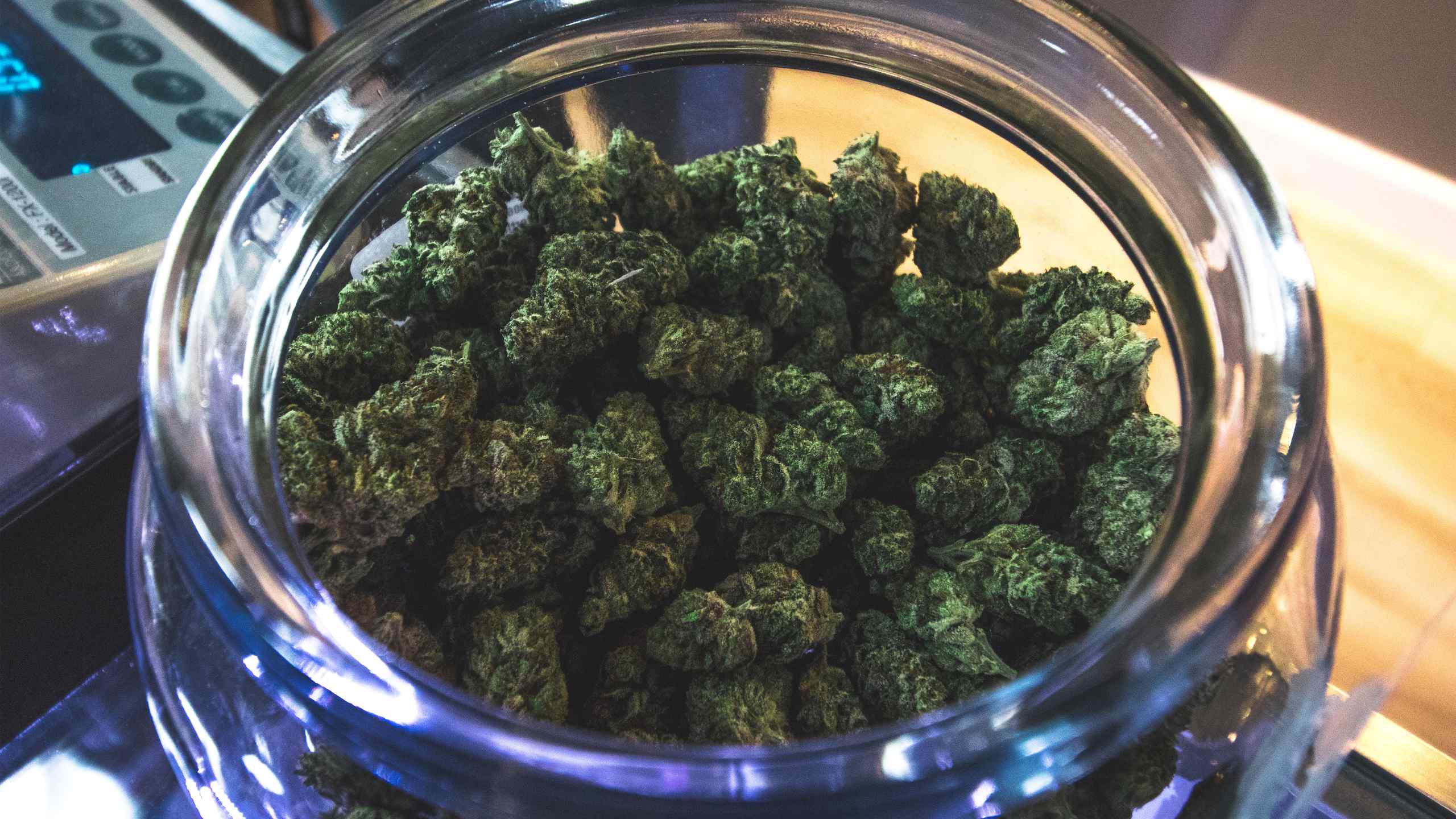
Some suggest that widening cannabis legalization contributes to the decline in alcohol consumption. In truth, the data is mixed on this.
As of this writing, 24 states (plus DC) have legalized recreational marijuana use. As that trend continues, the data we have points, at best, to a “maybe” with regard to its effect on alcohol consumption. Some surveys have pointed to lower drinking rates in states with recreational marijuana, while others support an increase in drinking.
Cannabis legalization is best labeled as a conditional or supplementary driver of lower alcohol consumption. It can shift demand, but it doesn’t appear to be solely responsible for the steady decline in drinking.
Economic Pressure
Drinking isn’t cheap! Well, nothing is these days, but drinking is a discretionary spend. According to the U.S. Bureau of Labor Statistics, average annual household spending on alcohol outside of the home fell to $147 in 2020, then rose to $343 in 2023. At home spending peaked at $331 in 2020, then fell to $294 in 2023.
These numbers don’t necessarily support a wider downward trend, but they do show that economic trends can heavily influence alcohol consumption, both in terms of frequency and where people choose to drink.
Rise of Non-Alcoholic Alternatives
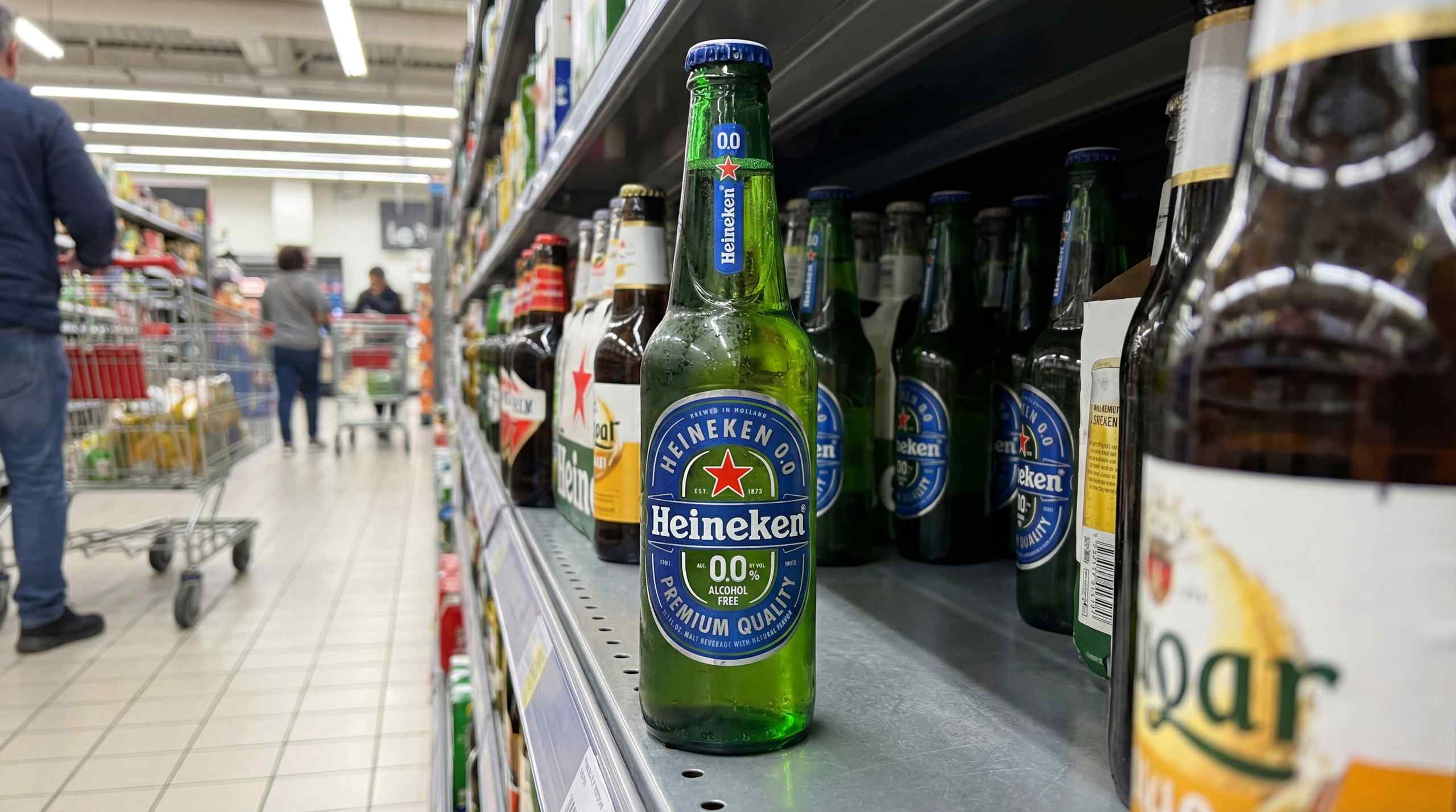
Cannabis may be the big green elephant in the room, but non-alcoholic alternatives are actually a bigger driver of low alcohol consumption. No-alcohol and low-alcohol options are now scaled businesses, forming an industry unto themselves. In 2025, NielsenIQ reported off-premise non-alcoholic sales of $925 million, representing 22% growth on the previous year. The report said most buyers also buy alcoholic beverages, supporting a moderation-over-abstinence trend.
Nonalcoholic beverages or low-alcohol alternatives provide the same social opportunity without the actual alcohol. Consumers can cut drinking days or limit single-session intake without feeling stigmatized or left out.
What It Means for the Industry
What conclusions can we draw from the overarching data? It's hard to say specifically, as there are countless other social and economic factors at play. But at a high level, businesses in the alcohol industry should consider what recent shifts mean for their models. Breweries may face declining beer demand and be encouraged to offer non-alcoholic alternatives or other social opportunities.
Ready-to-drink cocktails may see a rise, especially in the low-alcohol or mocktail space, as infrequent drinkers seek to capitalize on the social opportunity without the health risks. If we had to take one guess as to the long-term impact of decreased alcohol consumption, a steady rise in non-alcoholic options would be our best bet.
Cole Rush is a freelance writer, crossword constructor, and creative tinkerer with more than 10 years of experience writing about anything and everything. Cole’s primary area of expertise is the gambling industry, covering the expansion of sportsbooks and online casinos alongside emerging spaces like sweepstakes casinos and prediction markets.
More Articles like this
Is Sitting as Bad as Smoking? Not Even Close
We've all heard that sitting is the new smoking. But while spending too much time on the couch carries genuine health risks, the science behind this alarming comparison tells a very different story.
By Stuart Hughes
Seven Ways Your Brain Tricks You Into Taking Risks
From chasing losses to trusting AI predictions, science reveals seven mental traps that can make risky decisions feel surprisingly reasonable.
By Stuart Hughes
From Creatine to Collagen: Which Supplements Actually Work?
From bigger muscles and healthier skin to getting a better night's sleep, wellness supplement advertising promises the world, but is the marketing department spinning scientific facts?
By Stuart Hughes
The 5 Craziest Wellness Trends People Once Swore By
Beauty is pain, or so the saying goes. Throw in the promise of a shortcut, and people will listen. Some of the wellness trends that caught on, though, were wild even by the standards of their own time.
.webp)
By Charlon Muscat
Time to Wake Up: 8 Hours of Sleep Isn't a Magic Number
For years, eight hours has been drilled into us as the perfect night's kip. Turns out, the sleep doctors think there's more to getting a good night's sleep than just clocking up the hours.
By Stuart Hughes
Do You Really Need Eight Glasses of Water a Day?
Think you need eight glasses of water a day? The science never really said that. Here’s how one of wellness’s most persistent myths took hold.
By Charlon Muscat