

Technology Trends That Actually Matter in 2026: AI Tools, Smart Tech, and Digital Security
We test the AI tools, smart home gadgets, and digital security upgrades that actually earn their place in your tech stack — and call out the ones that don't.

Technology culture runs on hype. Every week delivers a new gadget that will revolutionize your morning routine, a new AI tool that promises to replace three of your apps, and a new crypto play that's definitely different from the last one. Sometimes those claims hold up, reflecting genuine technological advancements. More often, you've just paid a premium for very expensive notifications without real value.
Our filter for any technology trend is simple: we actually test the thing before forming opinions.
Why Bodog Tech is Different
Every trend we cover in Bodog Tech gets judged on four key criteria reflecting technology's impact on human life and the global economy:
Usefulness: Does it genuinely solve a problem, or just add unnecessary steps?
Cost versus reality: Is the price justified by the actual experience and technological development?
Privacy and security trade-offs: What are you giving up to use it, especially in an AI-powered, hyperconnected world?
Fun factor: Because enjoyment matters in technology adoption and sustained use
Artificial Intelligence Trends: Tools, Experiments, and the 'Old Software With Better Marketing' Problem
Artificial intelligence has stopped being a technology trend you debate and started being one you use, or get left behind by. Writing assistants, productivity automators, prediction models, creative generators: the tools are real, the results vary wildly, and the hype machine runs 24/7. The honest reality? AI works best as a co-pilot, not a life replacement. If the demo looks magical, ask what the workflow looks like on a Tuesday at 11:47 p.m.
Three experiments worth running right now: automate your weekly schedule using a tool like Motion or Reclaim, feed a match preview into an AI summarizer and test the output quality, or generate three gym plan variations and compare coherence. Success isn't "it worked once": it's measurable time saved across repeated use.
AI Tools for Productivity vs. AI Tools for Flexing: How to Spot the Difference
Real productivity tools have repeatable workflows, clean integrations, exportable outputs, and a usable free tier. Flexing tools exist to generate impressive screenshots for social feeds, and your calendar and bank account won't notice the difference. Before committing, check: does it handle real data inputs, can you control the outputs, and does pricing scale reasonably? Experiment cheaply, measure time saved, and quit fast when it stops delivering.
That hype-driven economy doesn’t exist in isolation. Across digital entertainment as a whole, engagement systems have become increasingly monetized and gamified, to the point where gambling-style mechanics dominating modern digital entertainment and, in some cases, surpassing traditional video games in engagement and spending. AI is simply the newest layer in a much older pattern: turning engagement into revenue through psychological feedback loops.

Smart Tech Trends in Real Life: Smart Homes, Wearables, and Connected Stuff That's (Sometimes) Too Smart
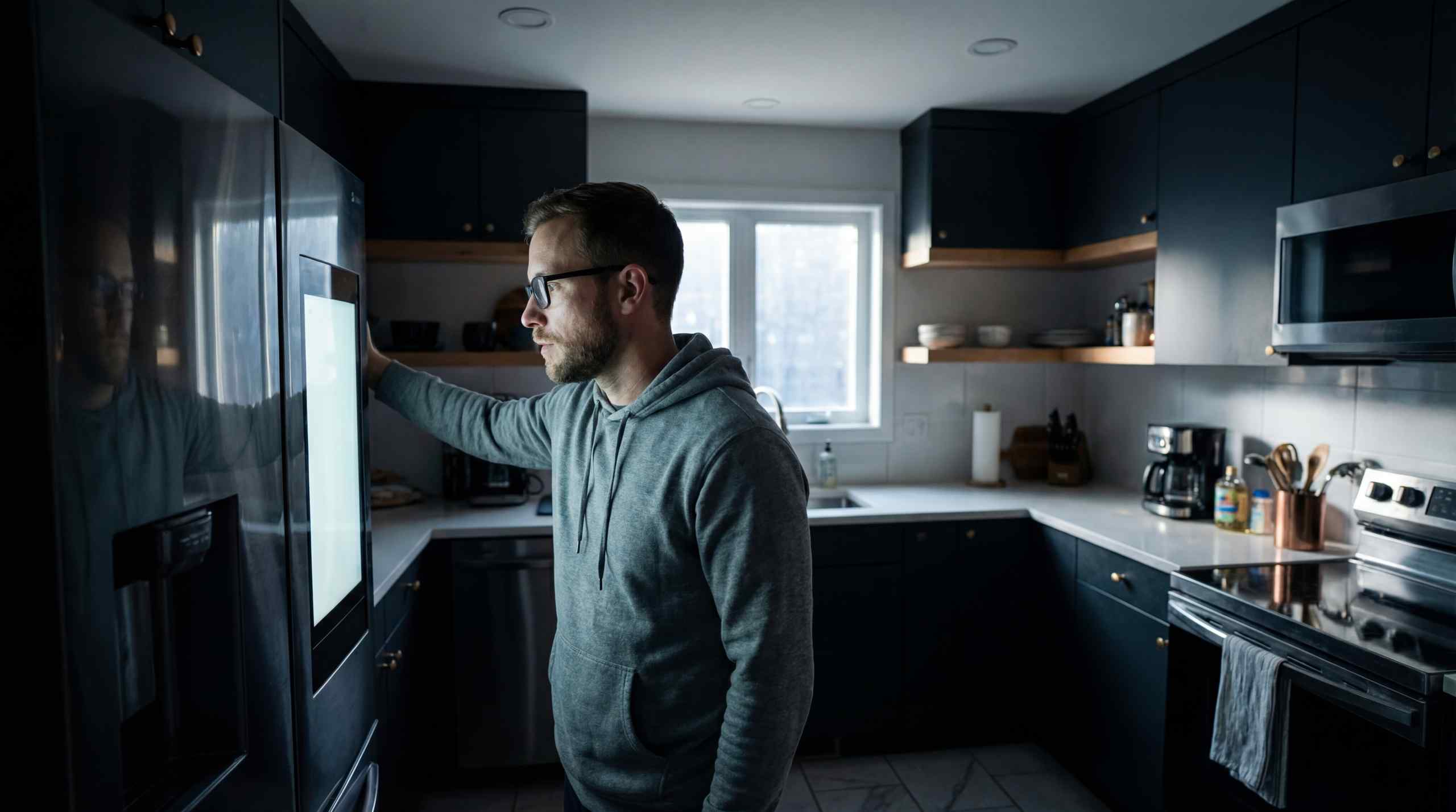
The smart tech trend isn't coming: it's already rearranged your living room, judged your sleep schedule, and sent your fridge a notification about the yogurt you forgot to eat. Connected devices have quietly embedded themselves into daily routines, from gym wearables tracking your heart rate to thermostats arguing back when you touch the dial.
The ecosystem covers a lot of ground:
- Smart home setups and home automation systems that control lighting, locks, and climate
- Connected appliances that monitor, remind, and occasionally overreach
- Wearable fitness tech that knows more about your body than your doctor does
- Smart vehicles that update overnight and parallel-park themselves (mostly)
The trap most people fall into is buying five devices that need five different apps and work together approximately never. The smarter move: pick one ecosystem, prioritize compatibility, and build from there. The best smart setup is the one you'll actually use, not the one that looks impressive until a firmware update breaks everything.
Wondering whether a smart ring beats a smartwatch for your lifestyle, or what happens when your fridge starts judging your diet? That's exactly what the Smart Tech section is here to explore.
Digital Security Technology: The Smart Person's Guide to Not Getting Hacked
Your weakest account is the one you forgot you had. Most people managing financial accounts, crypto wallets, social profiles, and streaming subscriptions across dozens of platforms are one recycled password away from a very bad day. Digital security isn't paranoia: it's basic hygiene for anyone living online.
The fastest upgrade you'll make all year takes under 30 minutes:
- Enable multi-factor authentication on email, banking, and social accounts
- Install a password manager and stop reusing credentials
- Update account recovery methods, as old phone numbers are a liability
- Audit app permissions on your phone and revoke anything suspicious
- Lock down your most critical accounts first: email, then everything else
Privacy vs. Convenience: The Trade-Off Every New Technology Trend Tries to Hide
Every smart device added to your network is another data collection point, often trading minor convenience for significant exposure. A fitness app that wants microphone access, a doorbell that stores footage on foreign servers, a free VPN with no clear business model: these are red flags, not features. You don't need to go off-grid. You just need defaults that don't quietly work against you. Explore our Digital Security section for deeper coverage.
Discover Which Technology Trends Matter
Here's what this hub comes down to: every week, some new technology trend will arrive wearing a press release and promising to change your life. Most won't. A handful genuinely will. And a few will quietly become someone else's access point into your accounts if you're not paying attention.
That's exactly why this section exists. Bodog Tech covers the three things that actually matter right now: AI tools worth experimenting with (and the ones worth laughing at), smart tech that earns its place in real life rather than just your wishlist, and digital security that keeps your accounts from becoming someone else's side hustle.
The approach is simple: we experiment, we measure, and we call out the nonsense. No breathless hype, no sponsored enthusiasm dressed up as journalism.
Technology plays a crucial role in our daily lives, enabling innovation and rapid progress across a broad range of industries. With the rapid adoption of emerging technologies like generative AI and advanced robotics, understanding which tech trends truly matter is essential for staying ahead in a hyperconnected world. This hub focuses on practical tools and insights that help you navigate the evolving technology landscape, balancing usefulness, security, and cost.
Tech will keep shipping revolutions on a weekly schedule. Your edge is knowing what to try, what to skip, and what to lock down before it bites you. So pick a direction: dive into AI, explore Smart Tech, or get serious about Digital Security, then bookmark this hub and come back when the next miracle drops.
More Articles like this
Gambling Technology Trends: 5 Technologies That Changed the Industry
From RNGs and live dealer streaming to geolocation and AI, these gambling technology trends transformed the industry—and could help shape what comes next.

By Charlon Muscat
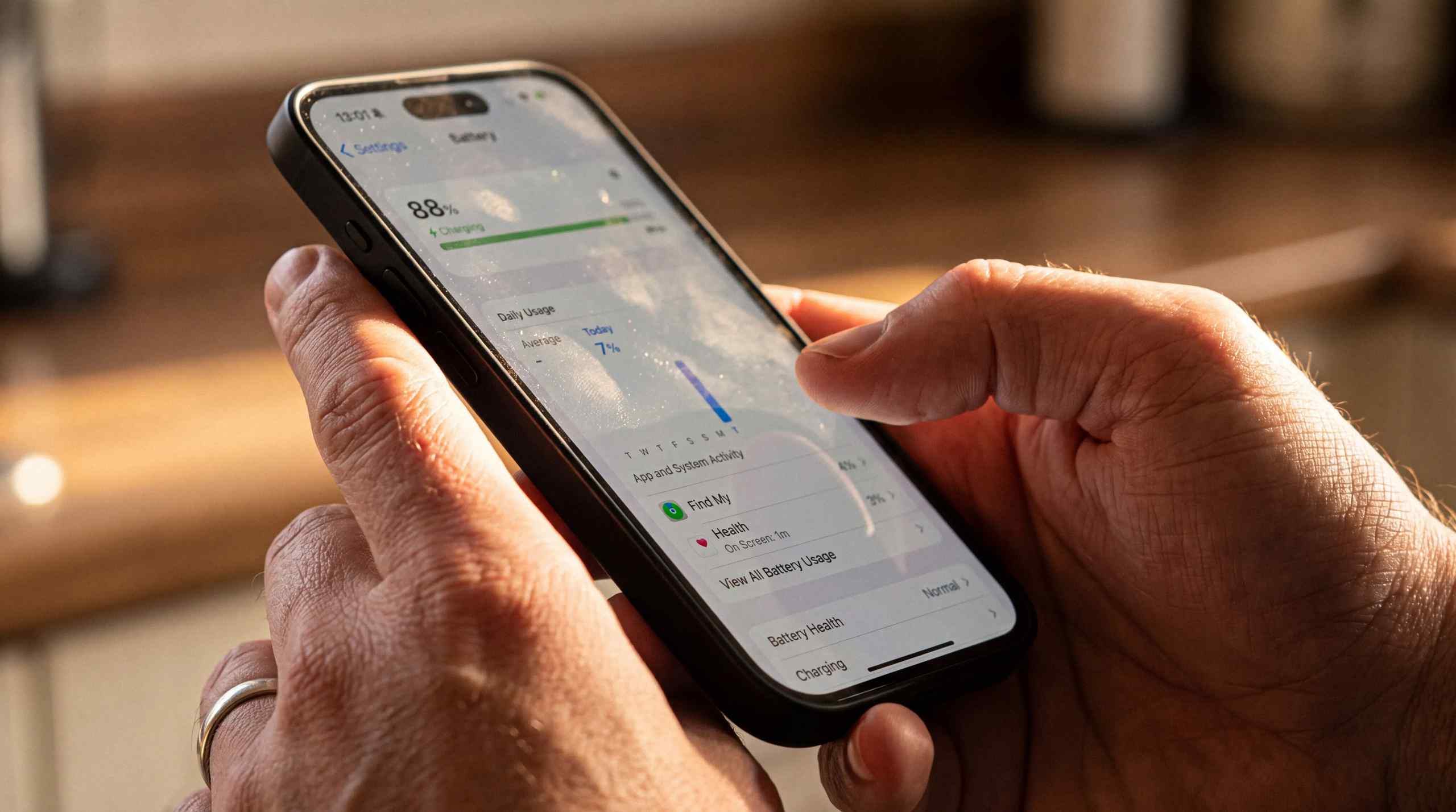
10 iPhone Battery Tips That Bust Common Battery Myths
Your iPhone can chew through battery even when nothing seems to be happening. Plenty of old-school tips barely help, while others kill the features you paid for in the first place.
By Charlon Muscat
Could GTA VI Bring Back Casinos? Here’s What We Know So Far
GTA VI has lottery signs and gambling references, but Rockstar hasn’t confirmed a casino. Here’s what the clues and GTA’s history tell us so far.

By Charlon Muscat
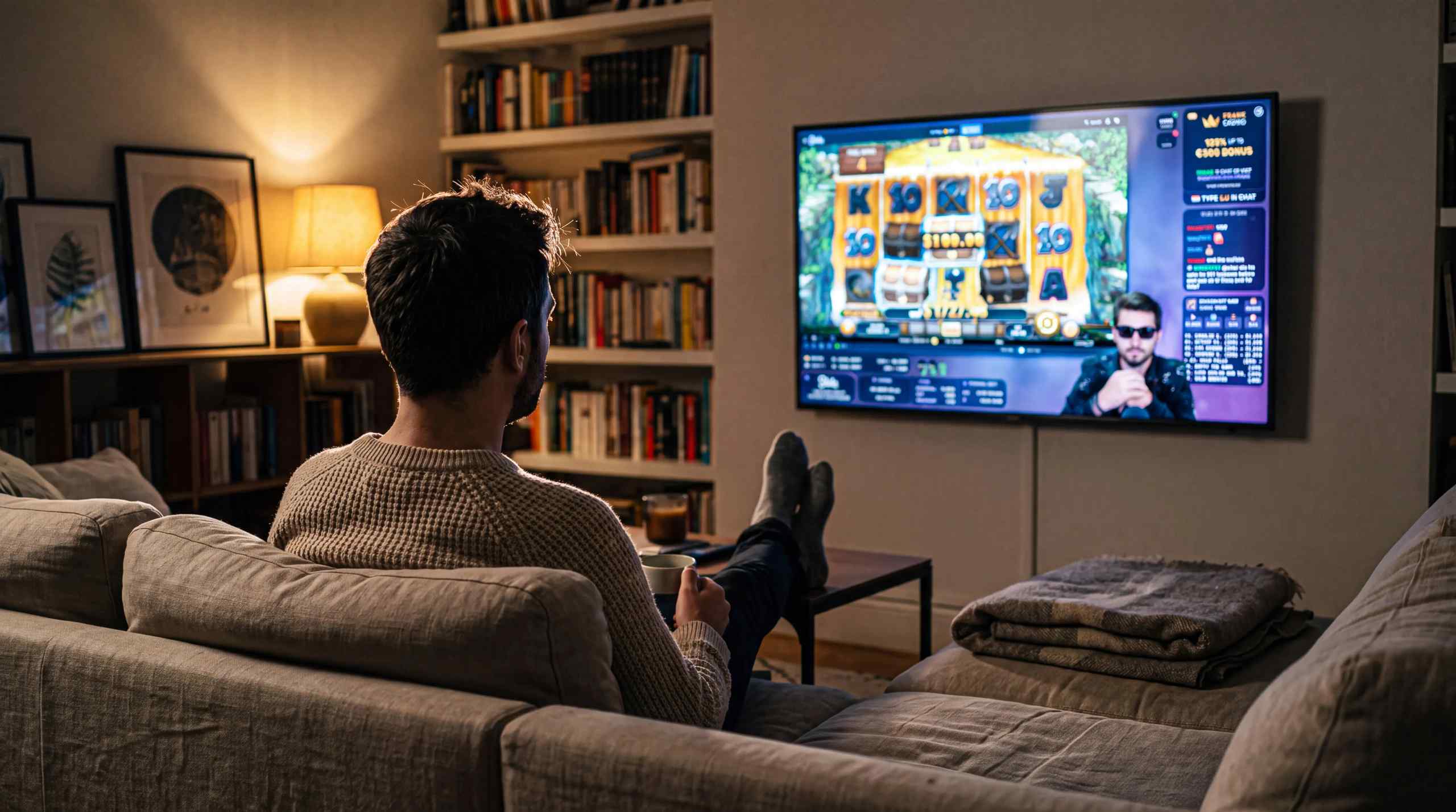
How Streamers and YouTubers Rewired Gambling Culture
Forget billboards. The gambling industry's most effective marketers are streamers who build parasocial relationships and promote affiliate codes. Here's how they work, why they work, and what it means for you.
By Cole Rush
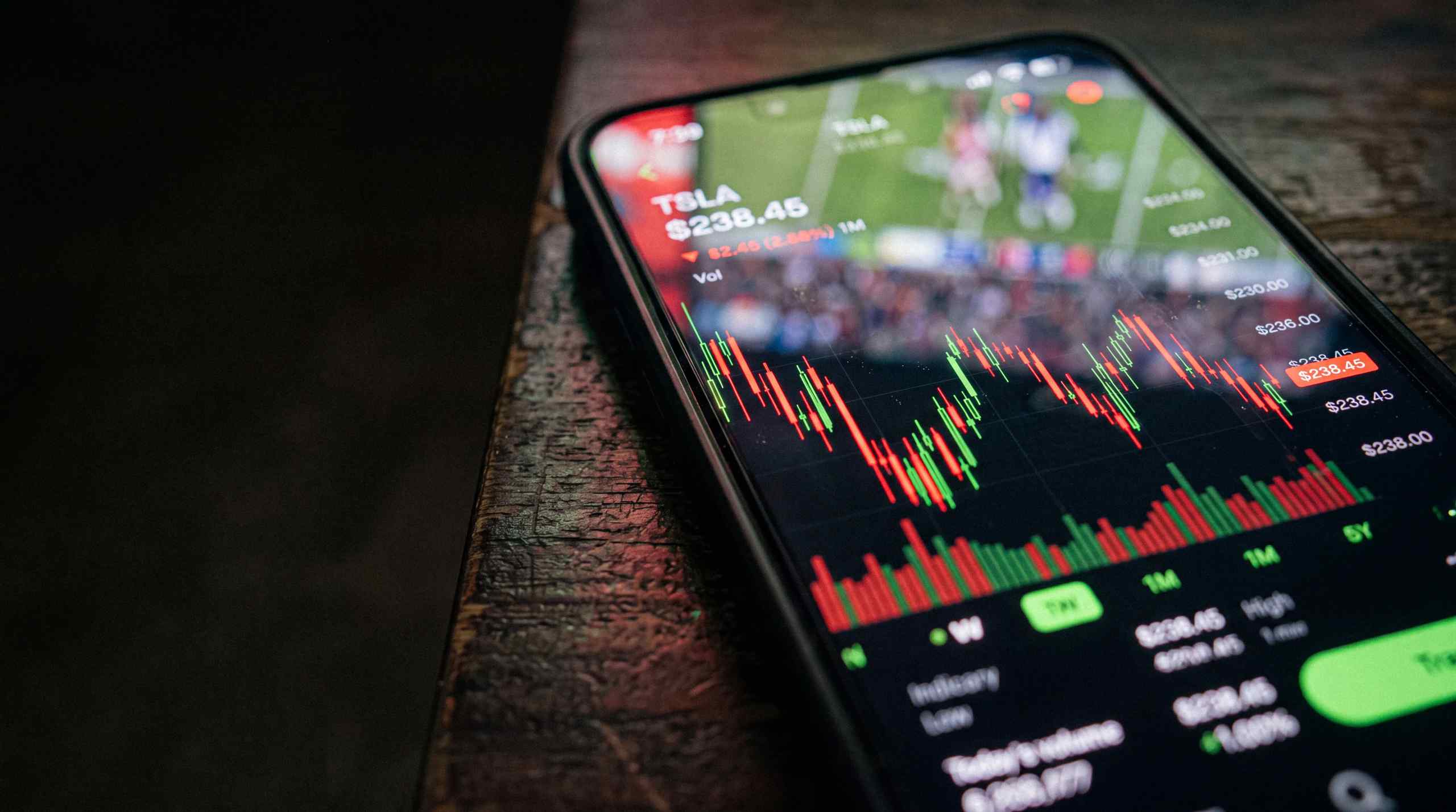
Investing or Gambling? It's Harder to Tell Than Ever Before
Meme stocks, penny shares, and leveraged ETFs may all promise traders big paydays, but from the outside looking in, it’s still just gambling, isn’t it?
By Stuart Hughes
Can Apple's Siri AI Upgrade Win Over Sports Fans?
From prepping sports bets to keeping tabs on live score updates and stats, Apple's biggest Siri upgrade yet promises the world, but for sports fans and bettors, it's still far from perfect.

By Stuart Hughes