
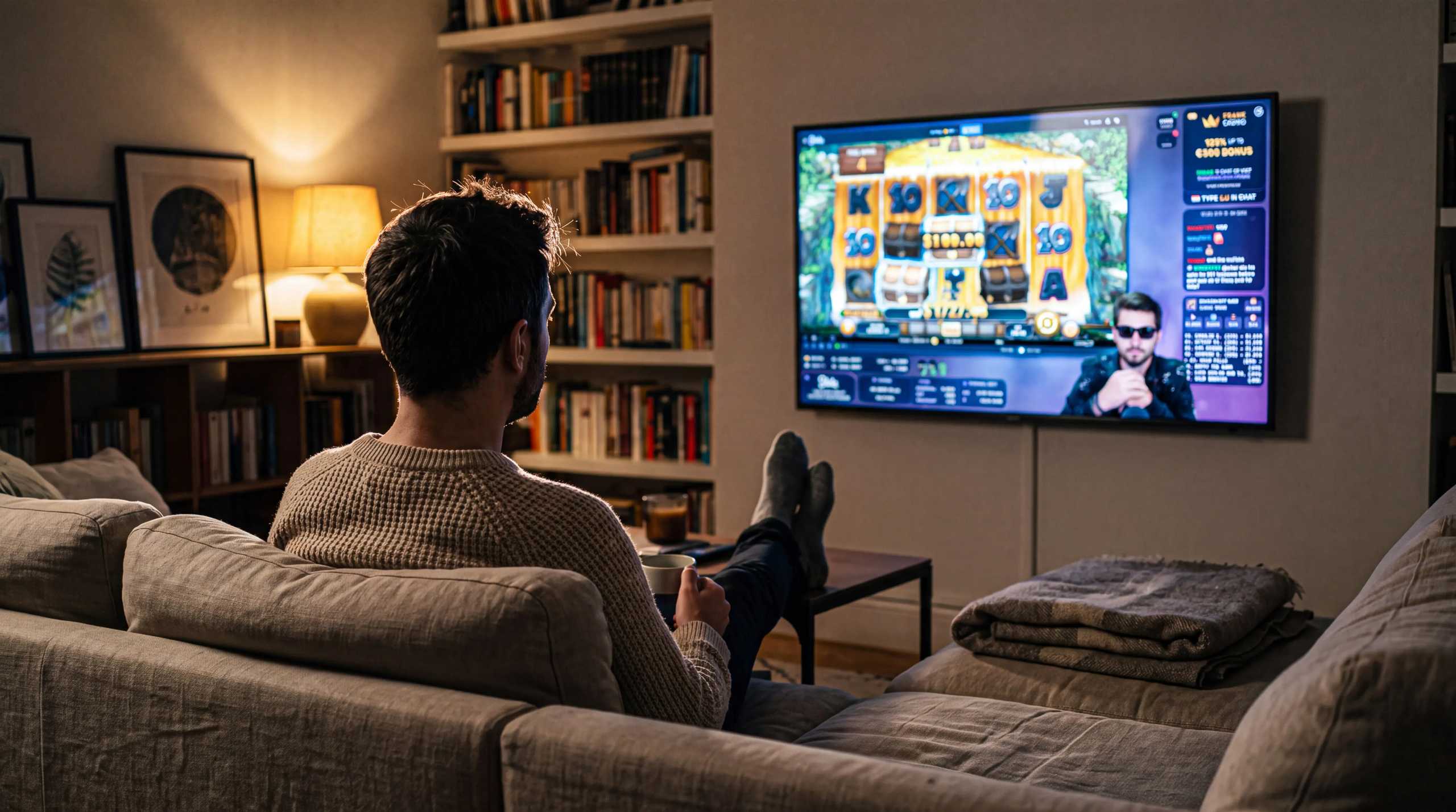
How Streamers and YouTubers Rewired Gambling Culture
Forget billboards. The gambling industry's most effective marketers are streamers who build parasocial relationships and promote affiliate codes. Here's how they work, why they work, and what it means for you.
%20(1).webp)
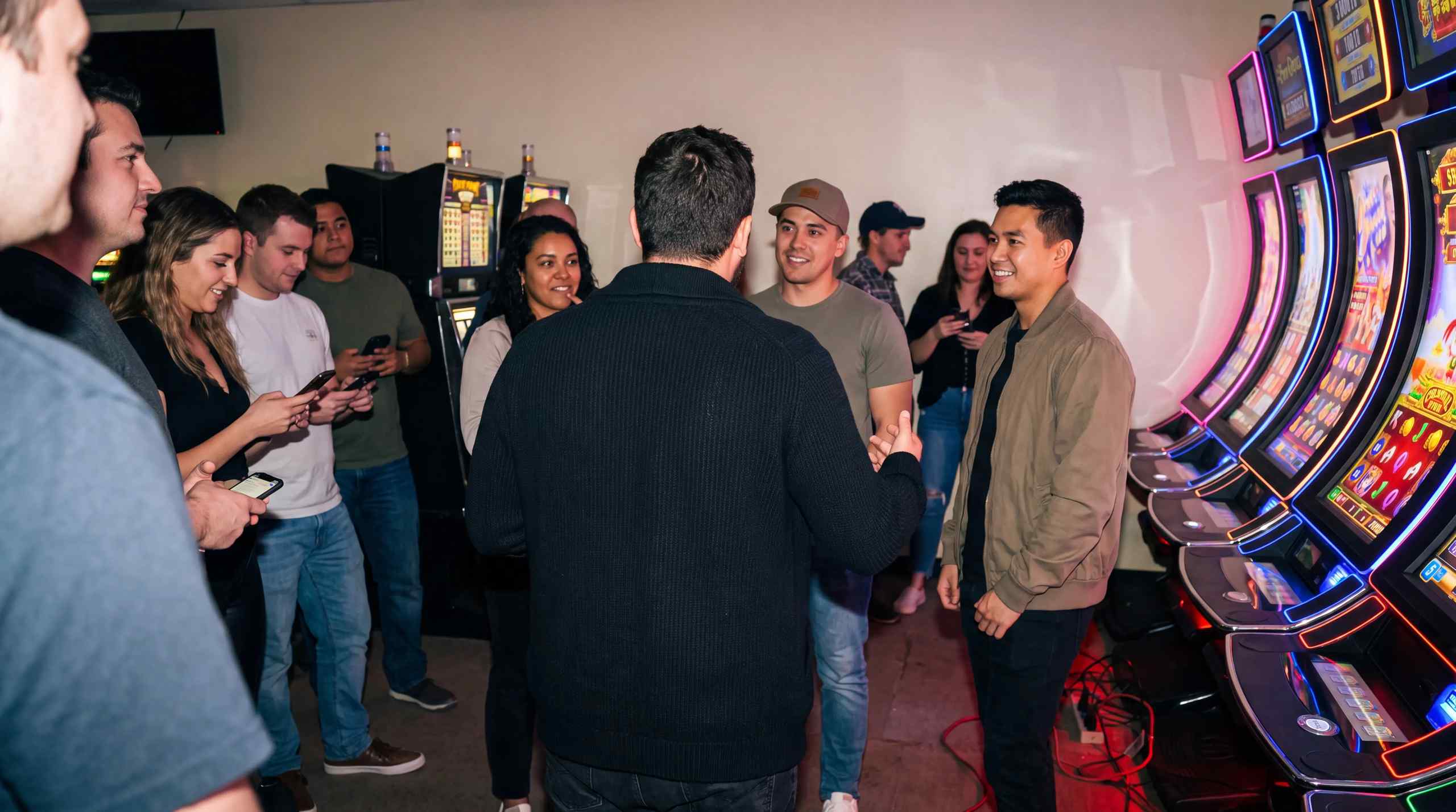
The internet has ushered in a new age of online gambling, encompassing sportsbooks, online casinos, sweepstakes gaming, prediction markets, and more. As seismic as that shift has been (and it’s still ongoing), niche corners of the internet influence change in slightly smaller ways.
Historically, gambling platforms have been relegated to specific advertising channels. Think TV spots, billboards, social media ads. Social media, in particular, has become a new avenue for promoting slots and building a business. Streamers and YouTubers have made full careers out of sharing their gameplay or picks live or in edited videos, and gambling operators have taken notice. Let’s explore how these content creators are changing the industry and its culture.
The Rise of Gambling Content Creators
Content creators of all kinds are available across various platforms. Today, our focus is on two areas.
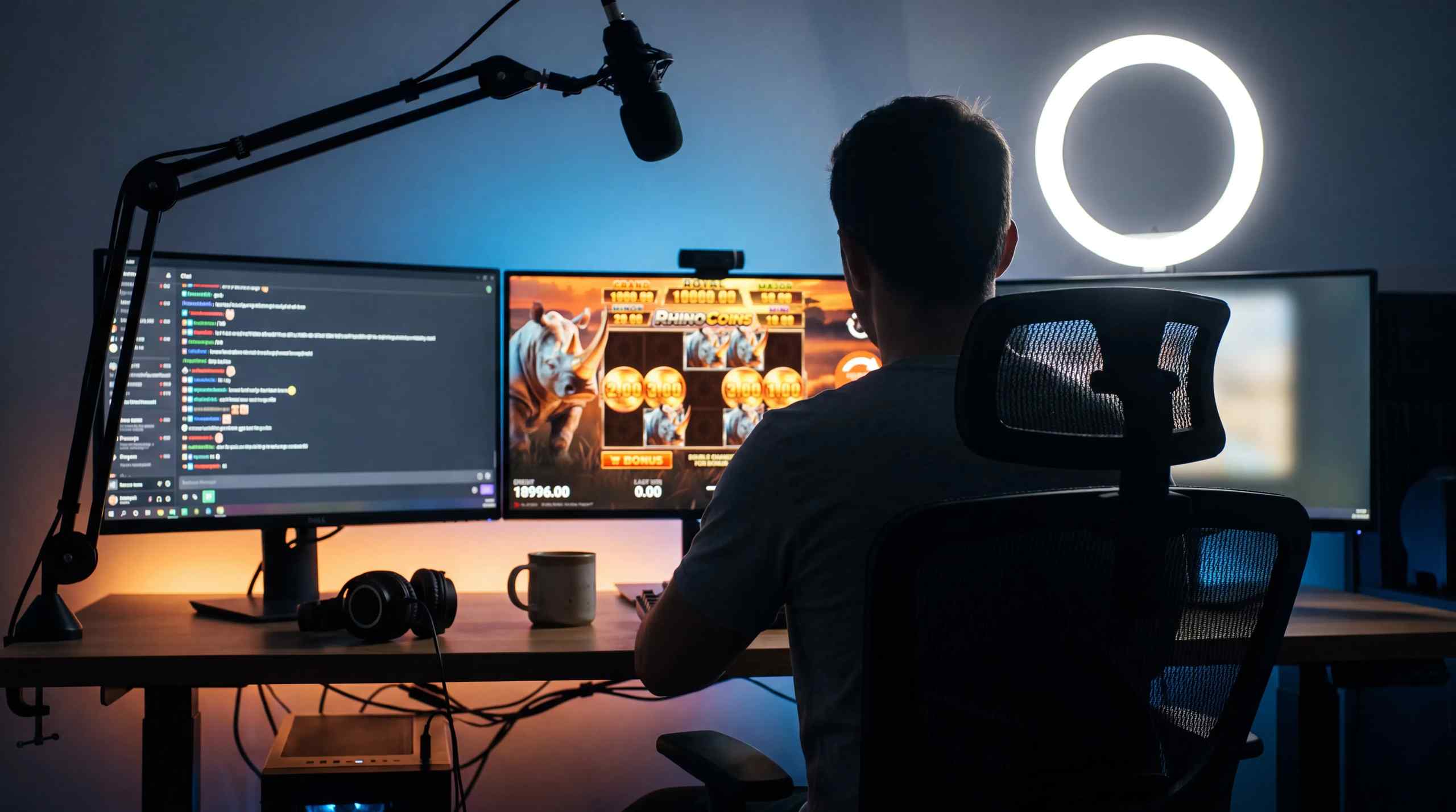
- Slot and casino streaming: high-volume, high-stakes spins streamed or recorded for hours. Popular channels include Lady Luck HQ and Brian Christopher Slots.
- Sports betting picks and tips: daily discussion about sports laced with picks, parlays, bankroll challenges, and more. Popular streamers include Dave Portnoy/Barstool, Trent Attyah, and others.
Hybrid approaches exist, but these two categories tend to be the most popular. Slots fans will immediately see the appeal of channels like Lady Luck: she and her partner post high-octane videos and big wins. The sports betting niche appeals to fans who enjoy gambling on their favorite sports.
Why It Works
These channels and their creators often have whole teams producing their work and making it as enticing as possible. They hit the mark by finding a few sweet spots.
- Parasocial trust: viewers feel they know the creator, so recommendations or advice can feel like talking to a friend rather than watching an ad.
- Vicarious wins: it’s fun to watch someone win big. It can be a similar psychological response to winning for yourself.
- Constant content: these channels capture a lot of viewers’ time. It’s the longevity of the content that makes it more valuable than a 30-second TV spot or a billboard.
- Insider perks: occasional bonus codes or exclusive offers can give viewers a feeling of belonging to a special club.
Combine all four factors, and you have a content machine that keeps audiences coming back daily. Traditional advertising can only dream of that kind of sustained attention.
The Business Behind It
The creator economy runs on money, and gambling content is no exception. The revenue models here are worth understanding because they shape the content you see.
The most common arrangement is an affiliate deal. When a viewer signs up at a casino or sportsbook using a streamer's code, the streamer earns a percentage of whatever that player spends going forward.
For top-tier slots streamers, direct sponsorships and casino partnerships can dwarf affiliate income. Platforms like Kick have reportedly offered six and seven-figure deals to big names willing to stream exclusively through affiliated online casinos. But some creators have taken the casino relationship entirely into the physical world. Brian Christopher, one of YouTube's biggest slots personalities, has built a business that includes land-based casino partnerships and a branded cruise where fans pay to sail with him and play slots together. It is a logical extension of the parasocial relationship: viewers who have watched hundreds of hours of his content will literally book a vacation around him.
The Concerns
The entertainment value is real, but so are the risks that come bundled with it.
Underage exposure is the most frequently cited issue. Gambling content lives right alongside gaming, sports highlights, and pop culture commentary. A 16-year-old watching clips on YouTube or browsing Kick is one algorithmic recommendation away from a slots stream, with no real friction between them and the content.
Here's the thing about gambling content: you almost never see anyone lose. Sessions that go sideways get cut. The big spin that pays out 500x gets clipped, reposted, and pushed all over the algorithm. Watch enough of it, and your brain starts to think hitting it big is just kind of what happens. It is not. To their credit, many streamers do share their losses and bankroll records.
There’s also a lifestyle angle. When a creator is spinning slots or breaking down parlays every single day, gambling looks more like a casual hobby than a legitimate financial decision. It’s a subtle but meaningful shift that can paint a skewed picture of what gambling actually looks like.
Where Is This Headed?
Regulators are waking up to all of this, slowly. The UK's Advertising Standards Authority has already gone after creators who did not disclose affiliate arrangements. The US is messier, with rules varying state by state and influencer-specific legislation still catching up to how the internet actually works.
The platforms are figuring it out too, in real time. Twitch drew a line on unlicensed gambling streams back in 2022. Kick basically built its early identity around welcoming the audience that followed. YouTube sits somewhere in the middle, occasionally pulling channels that go too far but mostly leaving the category alone. None of these policies are set in stone.
The comparison people keep reaching for is tobacco and alcohol advertising. Both got away with a lot for a long time before the rules caught up. Gambling content may be on a similar path, and with online gambling expanding fast across the US, the pressure to act is only going to grow.
Conclusion
Streamers and YouTubers didn't just happen upon a new way to market; they tapped into something that traditional ads can't touch: genuine trust, built up over hundreds of hours of watching. That bond is exactly what makes these creators so effective, and so tricky to regulate. It’s easy to mute a commercial or skip an ad, but it’s a different story when you’re watching someone who feels like a friend. As gambling content keeps blowing up, that blurry line between 'just entertainment' and 'influence' is going to be a major conversation for a long time.
Cole Rush is a freelance writer, crossword constructor, and creative tinkerer with more than 10 years of experience writing about anything and everything. Cole’s primary area of expertise is the gambling industry, covering the expansion of sportsbooks and online casinos alongside emerging spaces like sweepstakes casinos and prediction markets.
More Articles like this
Do AI Detectors Like Pangram, ZeroGPT, Grammarly Actually Work?
There are plenty of AI detectors out there – including Pangram, ZeroGPT, Grammarly – but do any of them actually work? The answer might surprise you.

By Cole Rush
Could the NBA's Smart Ball Change Basketball Forever?
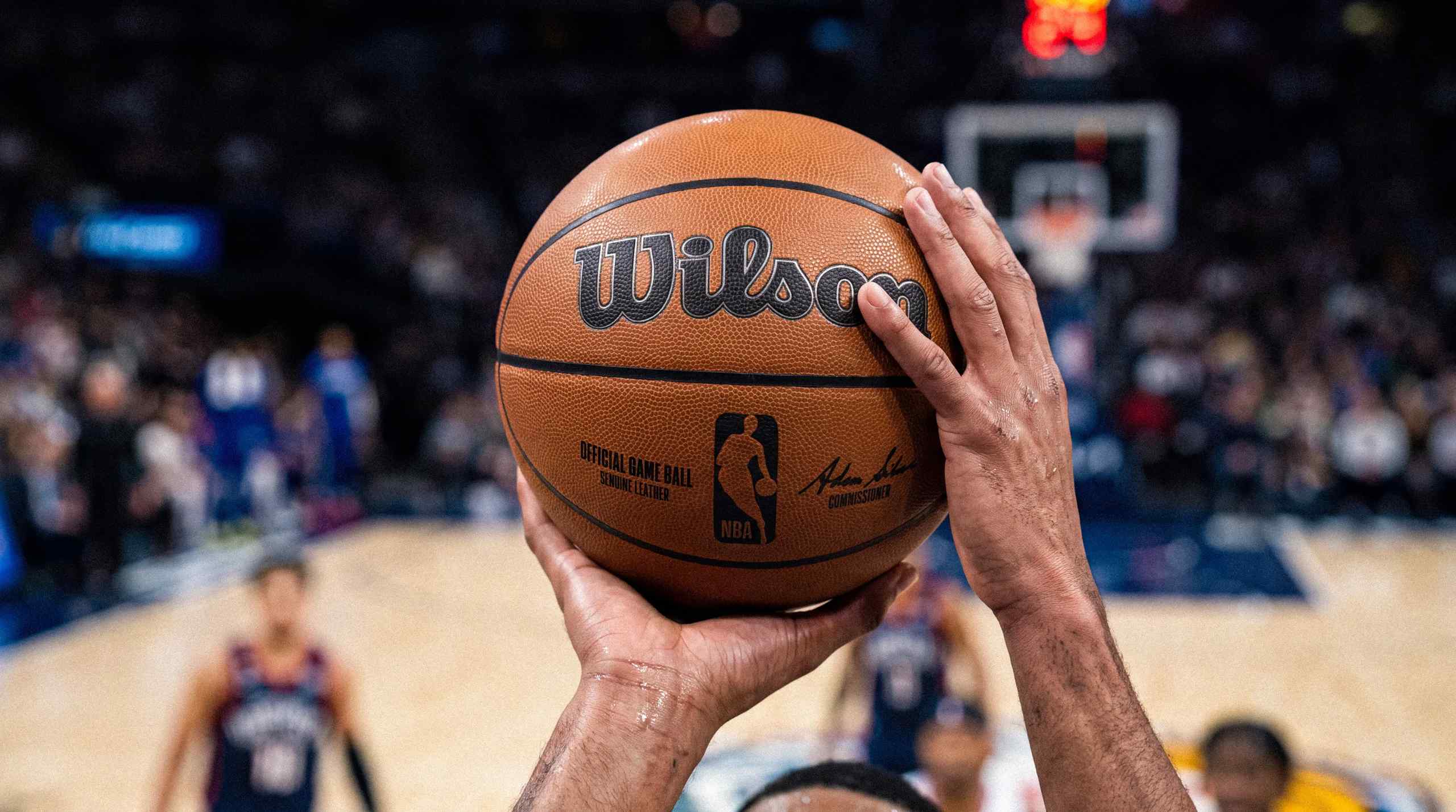
The NBA is testing a sensor-equipped ball in preseason games. It won't change a single call this fall, but it points toward faster reviews and fewer officiating arguments.
By Cole Rush
Apple's $3,199 iPhone Duo Is Even Pricier Than You Think
Apple's new $3,199 iPhone Duo is the priciest iPhone ever. But even after adjusting nearly two decades of Apple pricing for inflation, the size of the gap is surprising.
.webp)
By Cole Rush
Gambling Technology Trends: 5 Technologies That Changed the Industry
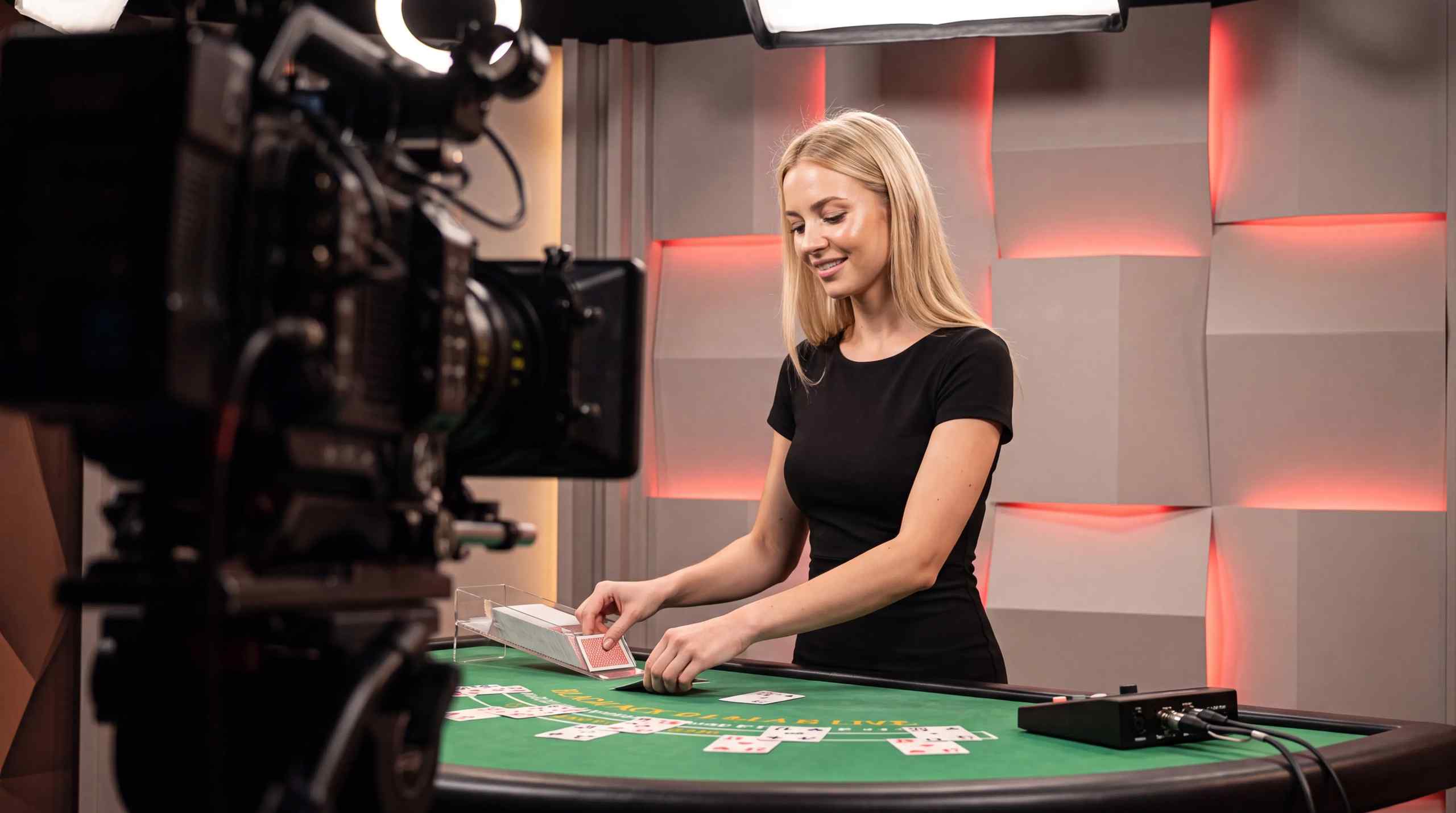
From RNGs and live dealer streaming to geolocation and AI, these gambling technology trends transformed the industry—and could help shape what comes next.
By Charlon Muscat
10 iPhone Battery Tips That Bust Common Battery Myths
Your iPhone can chew through battery even when nothing seems to be happening. Plenty of old-school tips barely help, while others kill the features you paid for in the first place.

By Charlon Muscat
Could GTA VI Bring Back Casinos? Here’s What We Know So Far
GTA VI has lottery signs and gambling references, but Rockstar hasn’t confirmed a casino. Here’s what the clues and GTA’s history tell us so far.

By Charlon Muscat