
Investing or Gambling? The OpenAI, SpaceX IPOs Are Raising Questions
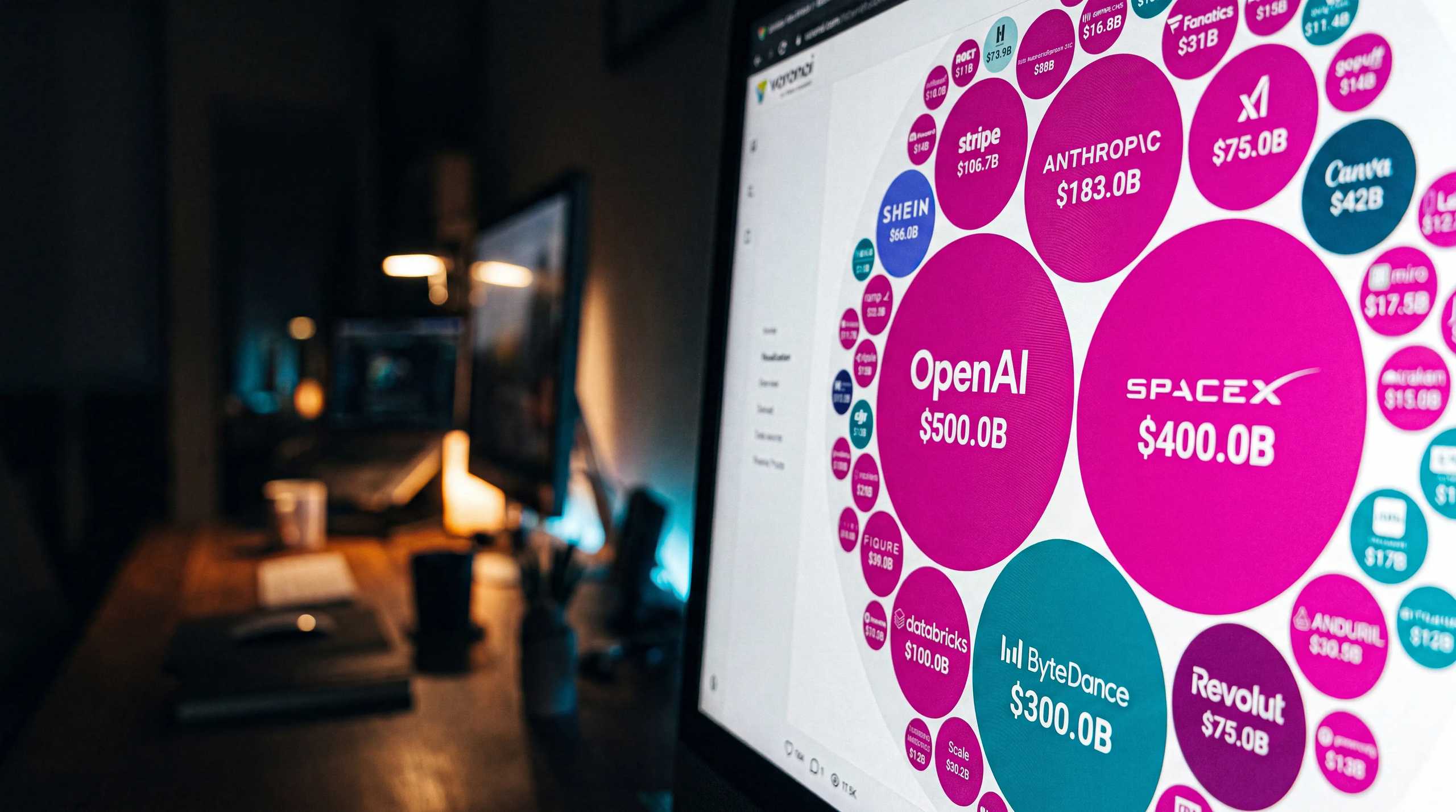
As SpaceX, OpenAI, Anthropic, and other private giants inch closer to public markets, investors face a difficult question: where does smart investing end and pure speculation begin?
.webp)
To be honest, the companies that have become so popular in recent news are not typically the ones that produce everyday items like toothpaste. The names of private companies that generate considerable amounts of media attention include SpaceX, OpenAI, Anthropic, Stripe, and Databricks.
The hype surrounding initial public offerings (IPOs) prompted many people, even before shares were available on the stock market, to predict dates, valuations, and the individuals who would become significantly wealthy once their IPOs hit the market.
I understand why people are getting so excited about this subject. However, we should ask ourselves, "When does investing change to speculation?"
Wouldn't that be the same as saying stock market investing is just gambling, but in a dress shirt?

Why everyone wants the next great IPO
The fear that you are going to miss out on something is very real.
We’ve all heard the stories of that person who invested a few grand in either Tesla or Amazon in their early days and now lives in a house by the ocean. NVIDIA, too. Those stories stick with you.
Here’s what’s changed. Because of the continuous hype around private markets and the venture capital culture, people are conditioned to think that the only way to win is to get in before the IPO.
People are not interested in understanding the business anymore; they want to invest before everyone else shows up.
I’m not saying that’s crazy. I’m just saying it looks a lot like a bet.
The similarities between investing and gambling
After analyzing the statistics, it appears there is a growing trend -- 90% of internet-based day traders will lose money. This rate of loss is similar to that seen at a casino; even Warren Buffett referred to mobile trading apps as turning the stock market into a ‘pocket casino’.
To illustrate, all forms of gambling (e.g., sports betting, options trading, meme stock trading, cryptocurrency trading, prediction market trading (Polymarket) share a psychological basis.
When you place a wager, it is usually based upon probability, and there is likely an uncertain outcome (winning/losing), but there will be a chance for asymmetric outcomes.
The heart will race the same way whether you are watching the stock of a SpaceX IPO or if you are waiting for a last-minute touchdown.
When you trade in volatile markets and do not consider the fundamentals of the company behind the investment, you are not investing; you are gambling on whether the asset's price will move in your favour.
How start‑up culture turned investing into entertainment
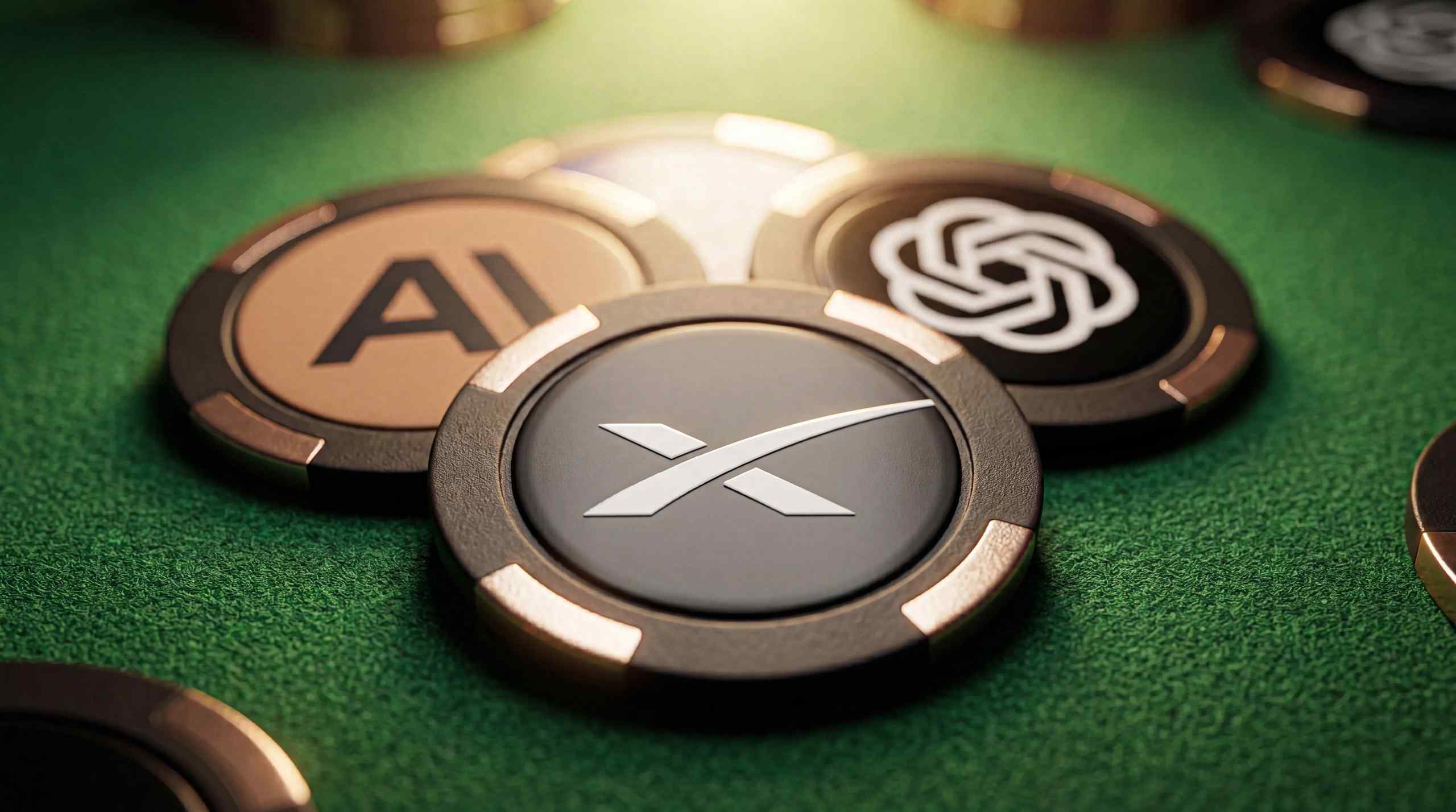
This is where it gets wild. Companies now build fan bases before going public with shareholders. Take Elon Musk as an example, who has helped shape the valuation stories for SpaceX and xAI. Our feeds are full of countdowns until the next big IPO.
I hear people discussing Anthropic's valuation rising to $965 billion, much like they would discuss a championship game. It is part fandom, part finance, and that's not necessarily a bad thing; however, we tend to ignore the research aspect when entertainment takes over.
The combination of venture capital culture, online investing groups, and founder celebrity status seems to meld into one big production. I often find myself getting swept up in this production as well.
The case that investing is fundamentally different
Now, let me be fair. The stock market isn’t just gambling. There’s a real difference.
When you buy a share of a company, you own a piece of something productive. That company hires people, builds products, and generates cash flow. Over time, the global economy grows. Dividends get paid. Compound interest works its magic.
You can’t say that about a roulette wheel. When it comes to gambling, your loss is someone else’s gain, and the house always takes a cut. Investing in a broad market index over decades has a positive expected return. That’s not opinion; that’s history.
So why does it feel so blurry right now?
Why humans love high‑upside opportunities
Because we’re wired for it. Behavioral economists have shown that people overestimate their chances of beating the odds. We hear a story about a guy who turned $5,000 into $2 million with a risky IPO, and suddenly that feels possible for us.
I think the attraction is emotional, not financial. It’s the lottery mentality dressed up in a trading app. Status, ambition, the thrill of being right - those motives don’t show up on a balance sheet.
And that’s fine, as long as you recognize what you’re doing. The problem is when people call it “investing” to feel better about what’s really a high‑stakes bet.
What these IPOS reveal about modern markets
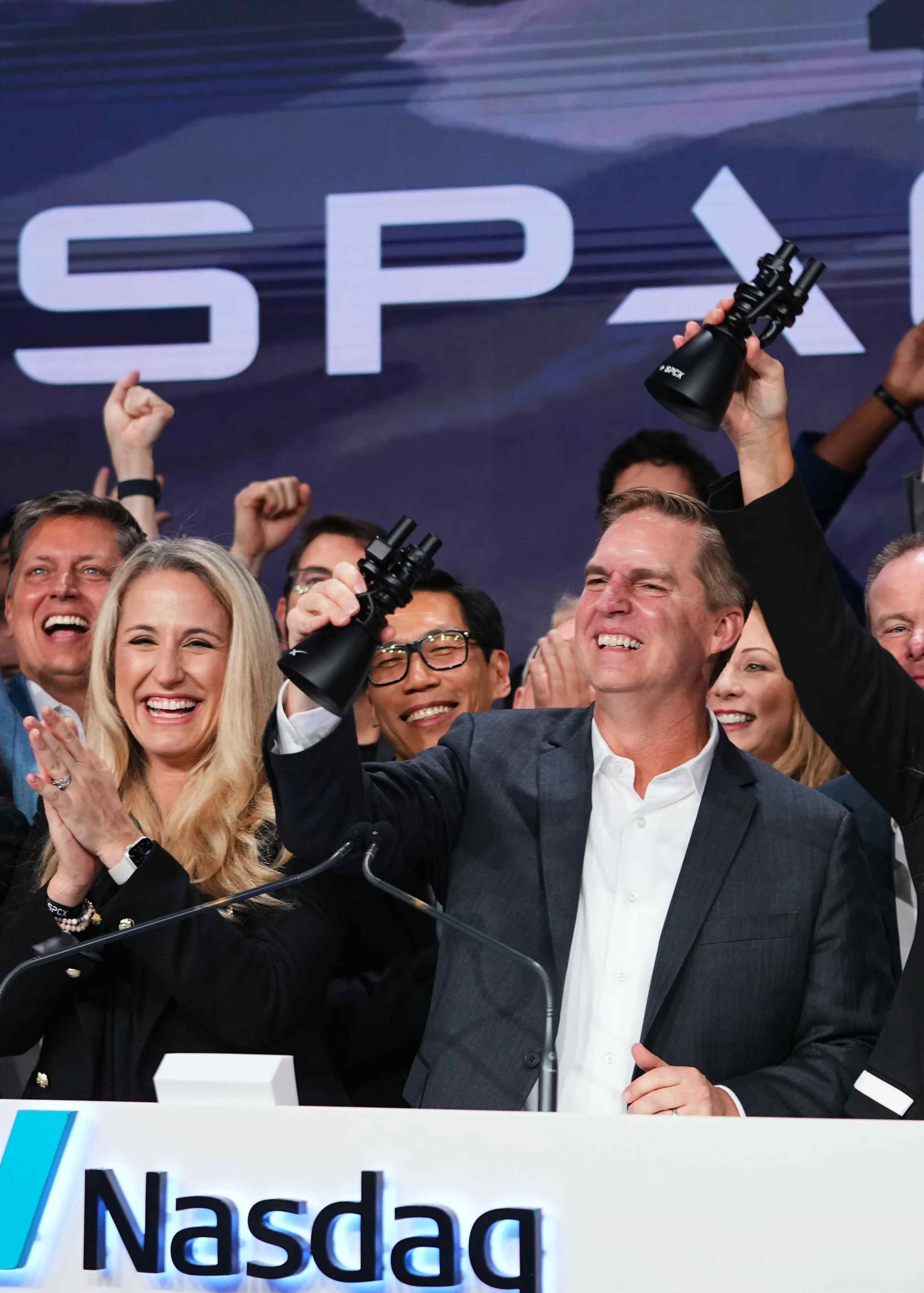
Take SpaceX. It recently went through a successful IPO that peaked at nearly $3 trillion, shattering all expectations (although it’s since lost nearly a trillion dollars in value).
There were plenty of warnings from financial experts that SpaceX would be highly volatile. Nevertheless, demand was still through the roof. Why? Index funds will buy shares based on pre-determined criteria, retirement accounts will passively channel in dollars, and individual investors will all be doing everything possible to ensure they don’t miss out on SpaceX, Anthropic, and OpenAI in the same year, regardless of cost.
I think it’s indicative of something much larger happening - the blurring of the line between finance and entertainment; we’re no longer simply making investments; we are beginning to watch, bet, and cheer.
Here’s a snapshot of how different forms of speculation compare today:
Risk Profile of Investments
| Activity | Estimated Participants (US) | Potential Upside | Risk Level |
|---|---|---|---|
| Stock Investing | ~60% of adults | Moderate to High | Moderate |
| Sports Betting | ~20% of adults | Variable | Very High |
| Options Trading | ~15% of adults | Very High | Very High |
| Crypto | ~20% of adults | Extremely High | Extreme |
| Prediction Markets | ~5% of adults | Moderate | Moderate to High |
So is it all just one big gamble?
Here’s where I land.
The notion that stock trading is nothing more than an extension of gambling has been pervading culture for quite some time.
In reality, long-term investment in real companies creates far more wealth than all the casinos in the world put together. The way most people trade today – chasing after IPOs from well-known tech companies at crazy valuations, day trading stocks on momentum, and trading meme stocks because someone else made a comment on Twitter (sorry, X) – is really gambling. The only difference is that they put on a suit when they do it.
You don't have to be left behind when it comes to new IPOs. Just be real about what it is you are doing.
If you can't articulate what makes the enterprise value of a specific stock worth more than the current share price, then you are not investing - you are speculating, which is a very expensive way to have fun.
Lucie brings almost 20 years of iGaming experience, combining sports writing expertise with deep casino knowledge. Her work spans live sports coverage, slot mechanics, player-focused reviews, and strategic casino content. Known for her no-nonsense, first-hand approach, Lucie cuts through jargon to deliver clear, practical insights for both operators and players.
More Articles like this
Could the NBA's Smart Ball Change Basketball Forever?
The NBA is testing a sensor-equipped ball in preseason games. It won't change a single call this fall, but it points toward faster reviews and fewer officiating arguments.

By Cole Rush
Apple's $3,199 iPhone Duo Is Even Pricier Than You Think
Apple's new $3,199 iPhone Duo is the priciest iPhone ever. But even after adjusting nearly two decades of Apple pricing for inflation, the size of the gap is surprising.
.webp)
By Cole Rush
Gambling Technology Trends: 5 Technologies That Changed the Industry
From RNGs and live dealer streaming to geolocation and AI, these gambling technology trends transformed the industry—and could help shape what comes next.
By Charlon Muscat
10 iPhone Battery Tips That Bust Common Battery Myths
Your iPhone can chew through battery even when nothing seems to be happening. Plenty of old-school tips barely help, while others kill the features you paid for in the first place.

By Charlon Muscat
Could GTA VI Bring Back Casinos? Here’s What We Know So Far
GTA VI has lottery signs and gambling references, but Rockstar hasn’t confirmed a casino. Here’s what the clues and GTA’s history tell us so far.

By Charlon Muscat
How Streamers and YouTubers Rewired Gambling Culture
Forget billboards. The gambling industry's most effective marketers are streamers who build parasocial relationships and promote affiliate codes. Here's how they work, why they work, and what it means for you.
By Cole Rush