

The Only Wellness Habits That Actually Work in Vegas
Vegas is built around excess, so the goal is not perfection. It is surviving the weekend without completely wrecking yourself.
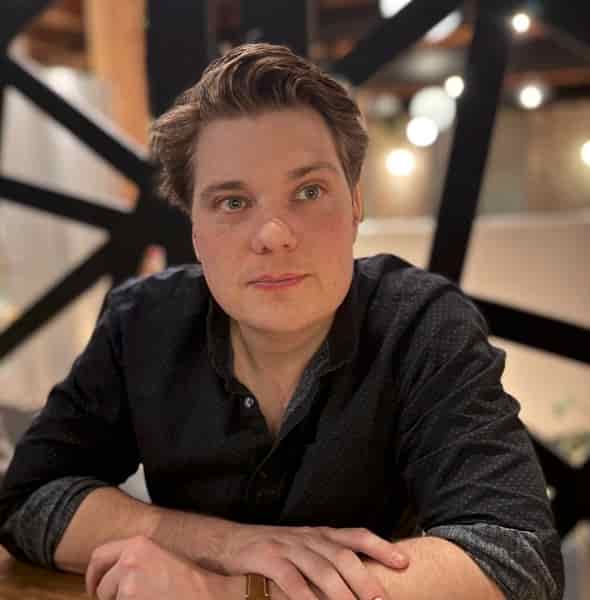
You fly into Las Vegas, promising yourself this trip will be different, you’re going to put your wellness first.
You’ve packed workout clothes. You’ve mentally committed to “eight hours of sleep.”
Then the first night hits, and that 2 a.m. room-service burger arrives. There are the sportsbook sessions that bleed into the early morning, and that first bourbon on the rocks that somehow becomes four.
The air is so dry your nose feels like it’s been sandblasted.
Vegas is designed to ruin routines. The ceilings are high, the windows are rare, the clocks are few, the drinks are large, and the schedule is fake. The goal here isn’t to make you feel guilty. It’s to admit that you’re not going to turn a Vegas trip into a wellness retreat. The real question is: Which habits actually survive a weekend in the desert, and which ones are just hopeful noise.
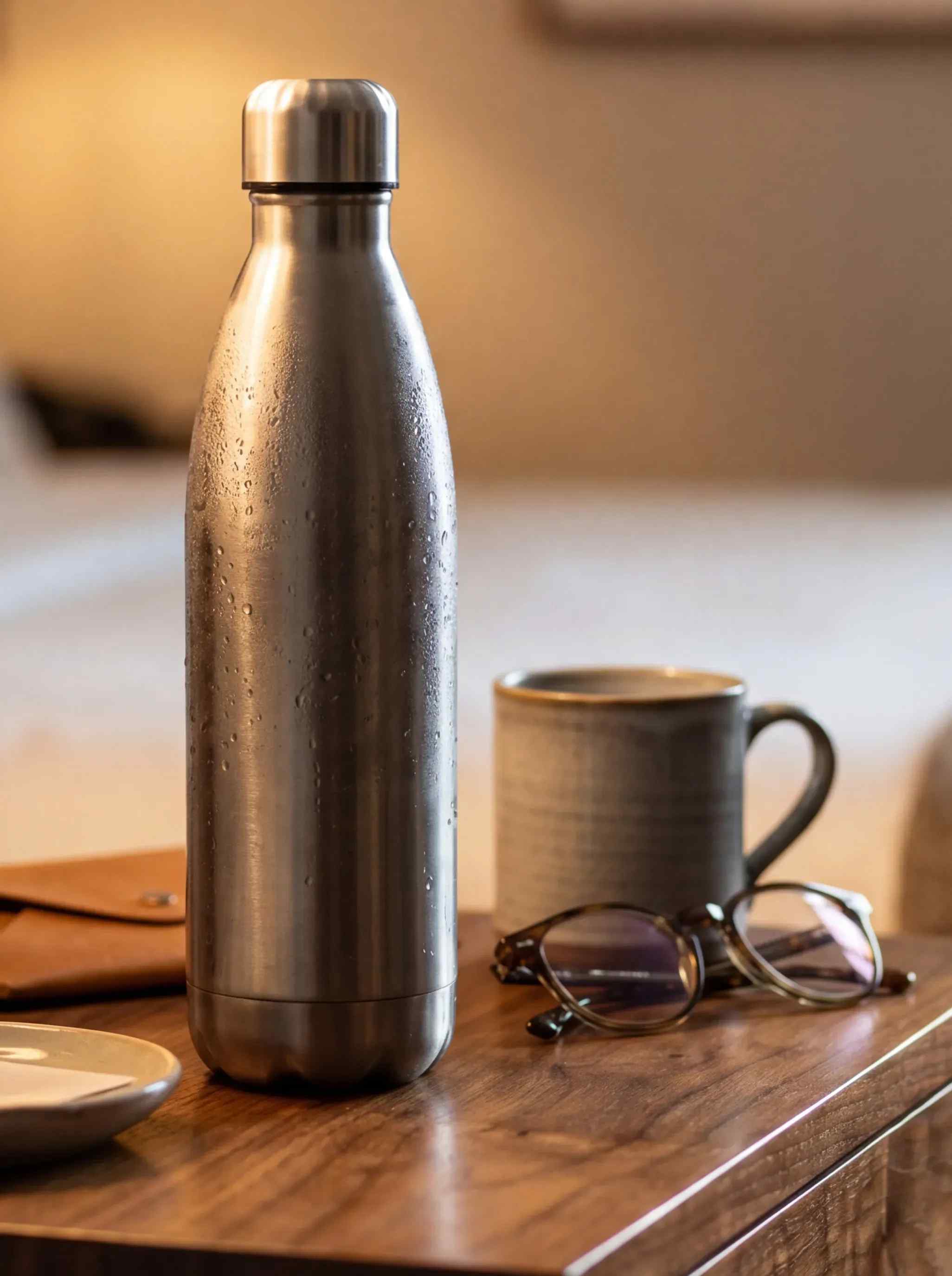

Hydration Is the Only Non‑Negotiable
If you’re used to the Midwest like I was when I moved out to Vegas for a few years, the first thing that hits you in Vegas isn’t the casinos or the price of a grocery store water bottle. It’s the dryness.
Before I moved out west from Michigan, hydration felt like something only marathoners and hiking instructors talked about. I’d never really considered “water” as a bodily function.
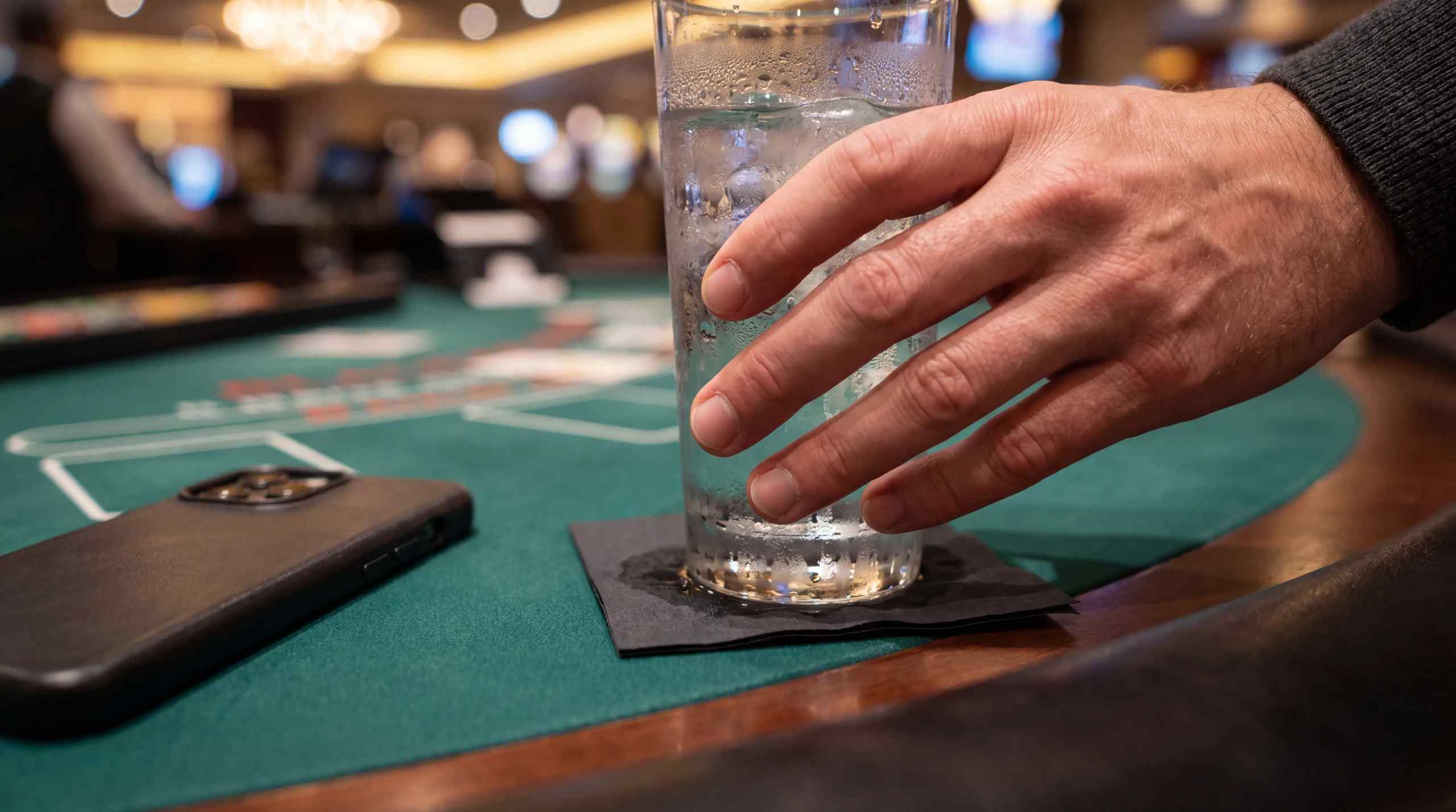
But arriving in Vegas changed that overnight. The air in that desert climate is so thin and dry that dehydration becomes a physical symptom you can feel. Your skin tightens, your throat turns into a cereal packet, and your head feels like it’s wrapped in a plastic bag.
In a city built on alcohol, energy‑rich foods, and walking distances that feel like mini‑treks, dehydration is the one force that amplifies everything else. Alcohol, long casino floor walks, and terrible sleep all stack on top of dry air.
The best Vegas habit isn’t skipping cocktails. It’s water before bed, alternating each drink with a glass of water, and keeping an electrolyte-infused bottle in your bag at all times.
The Sleep Battle You’re Probably Losing Anyway
Nobody goes to Vegas to get eight hours of perfect sleep. The Strip is built on “you’ll sleep when you’re dead,” and the sportsbook layout is designed to keep you there longer than you planned.
The problem isn’t the occasional 3 a.m. turnaround. It’s sleep debt. One bad night typically feels fine, but two or three in a row with early mornings and late nights sandwiched around ice-cold beers, and the body starts to rebel. You get irritable, your decision‑making deteriorates, and your bets start to feel like they’re being made by a version of you that’s running on empty.
The goal isn’t to win back your sleep routine. It’s to create a few small recovery windows. A 20‑minute nap in the afternoon, a 30‑minute quiet time in the morning where you don’t check phones or plans, and a deliberate 1 a.m. cutoff on at least one night can make a big difference.
Avoid true all‑nighters not because they’re sinful, but because they’re a multi‑day drag on the rest of the trip. Vegas punishes consecutive bad decisions more than isolated ones.
Movement Matters More Than Workouts
Vegas does not need to be a gym‑focused fitness retreat. Just being in the city usually means you’re walking more than most people in the U.S. do in a week. The hotels and the distance between them might look normal, but they are gigantic. The real question is: How do you stay functional without trying to force a perfect fitness plan?
The answer is movement, not workouts. Morning walks along the Strip or a recovery session at the pool, where you’re not training per se, but just moving your body, can do more than a 45‑minute spin class in a hotel gym.
Stretching your legs, taking your phone out of your pocket, reconnecting with your body, and getting a few minutes of fresh air outside the casino floor can all act as resets.
The goal isn’t performance. Its functionality. You want to be able to walk back to your hotel at 2 a.m. without feeling like your legs are made of sand, not to hit a new personal best on a treadmill.
The Gambling and Drinking Spiral
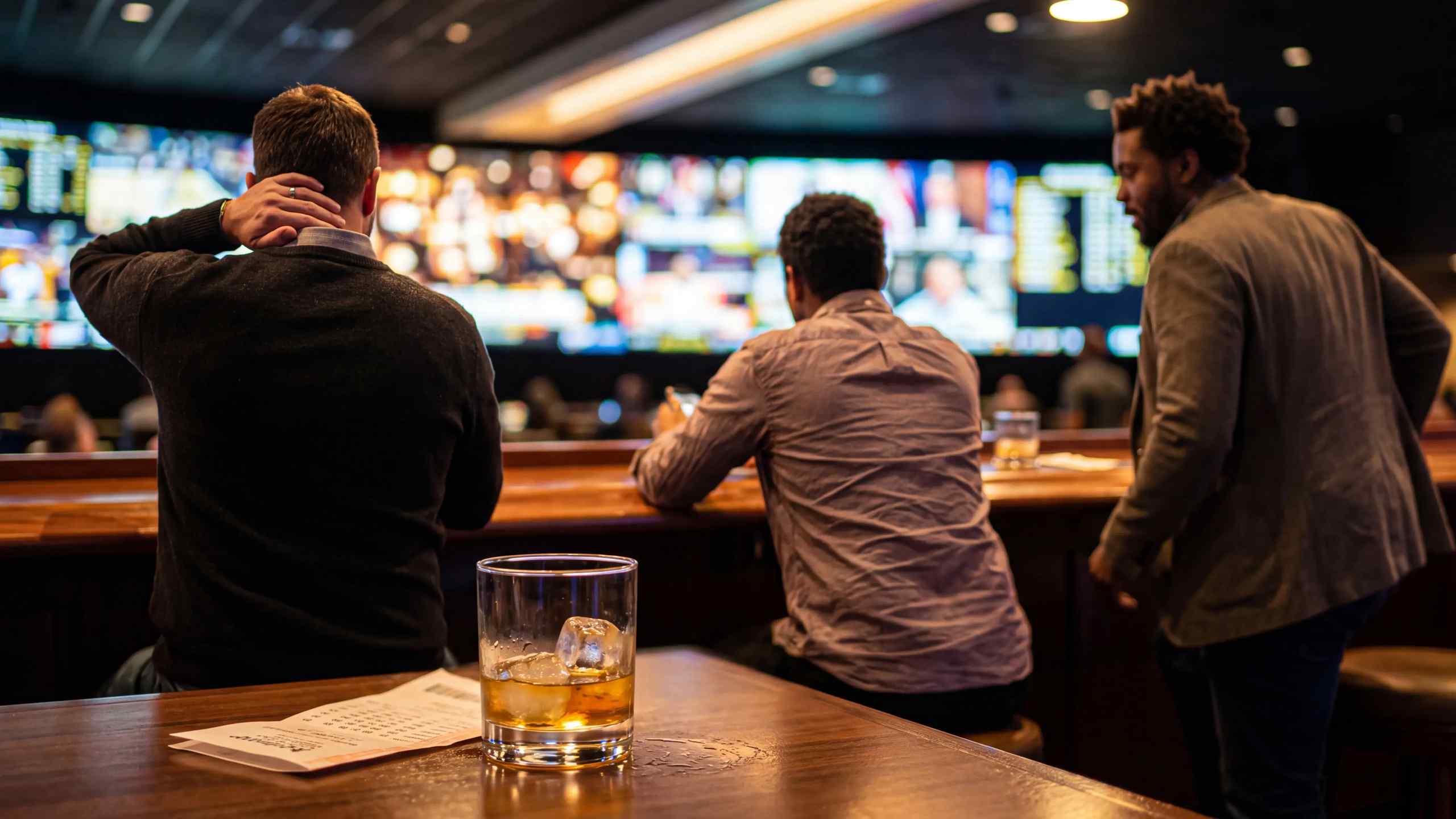
The psychological trap of Vegas is real. The sportsbook layout, the noise, the constant flow of people, and the lack of a clear clock combine to blur your schedule.
Alcohol lowers your betting discipline, and Vegas’s compressed time perception makes a 5 p.m. bet on a 7 p.m. game feel like it’s worth it, even though you’ve already been sitting for four hours.
The result is a spiral where poor decisions accumulate:
- More drinks
- More bets
- Less sleep
- Less clarity
The solution isn’t to become a total abstainer. It’s to create small, intentional breaks. Eat a real meal before you start drinking or betting. Take a 15‑minute breather outside the casino every few hours, and leave one session intentionally early.
Separate your “fun money” from your trip budget so the inevitable ups and downs don’t derail the rest of the weekend. The best gamblers in Vegas aren’t the ones who never lose. They’re the ones who know when to walk away, even if it’s just for a hydration break.
The Vegas Survival Tips Chart
| Category | Habit | Why It Works |
|---|---|---|
| Hydration | Water before bed and alternating drinks with water | Desert air dries you out fast. Hydrating before bed softens the next‑day fog and helps you recover from alcohol and long walking sessions. |
| Hydration | Carry water constantly, add electrolytes on heavier walking days | The Strip isn’t built for walking, but you’ll do it anyway. Electrolyte‑infused water prevents the kind of dehydration that turns into headaches. |
| Sleep | Aim for one decent recovery night (1 a.m. cutoff is enough) | Sleep debt compounds in Vegas. One slightly better night resets mood, focus, and betting discipline. |
| Sleep | Short naps or 20‑minute downtime mid‑afternoon | You’re not going to get eight hours, but a quick reset can help. |
| Movement | Morning walks or pool‑time movement. | Vegas involves a lot of walking already, so adding low‑effort, joint‑friendly movement keeps you functional. |
| Gambling / Drinking | Separate “fun money” from the rest of your trip budget | Emotional betting is inevitable in Vegas. A clear line between your “fun” and “real” money protects the rest of the weekend. |
Stay Healthy in Las Vegas
Vegas is designed around excess, and no one maintains a perfect wellness routine there.
The smartest habit isn’t pretending you’ll behave perfectly. It’s knowing which habits actually work once the weekend stops being reasonable.
Hydration, small recovery windows, and a few intentional decisions about sleep and money are all you need to keep the chaos from turning into a total meltdown.
The rest of the trip is just part of the experience.
Pat Evans is a Grand Rapids-based journalist and editor covering the intersection of business, sports, lifestyle, and gambling regulation. With a background in business journalism and legislative reporting (LSR, iGamingBusiness), he brings an analytical, human-focused approach to stories about modern trends. His work has appeared in regional and national publications, and he is also the author of two books on beer history.
More Articles like this
Seven Ways Your Brain Tricks You Into Taking Risks
From chasing losses to trusting AI predictions, science reveals seven mental traps that can make risky decisions feel surprisingly reasonable.
By Stuart Hughes
From Creatine to Collagen: Which Supplements Actually Work?
From bigger muscles and healthier skin to getting a better night's sleep, wellness supplement advertising promises the world, but is the marketing department spinning scientific facts?
By Stuart Hughes
The 5 Craziest Wellness Trends People Once Swore By
Beauty is pain, or so the saying goes. Throw in the promise of a shortcut, and people will listen. Some of the wellness trends that caught on, though, were wild even by the standards of their own time.
.webp)
By Charlon Muscat
Time to Wake Up: 8 Hours of Sleep Isn't a Magic Number
For years, eight hours has been drilled into us as the perfect night's kip. Turns out, the sleep doctors think there's more to getting a good night's sleep than just clocking up the hours.

By Stuart Hughes
Do You Really Need Eight Glasses of Water a Day?
Think you need eight glasses of water a day? The science never really said that. Here’s how one of wellness’s most persistent myths took hold.
By Charlon Muscat
Hate the Gym? Try These Five Ways to Stay Active
Gyms aren’t for everyone, and that’s fine. From pickleball obsession to aerial silks, biking, bouldering, and rec leagues, here are five sweat-worthy alternatives that make exercise feel like fun, not a chore.
By Cole Rush