

Control or Chaos? The Traits of Successful Gamblers
The math matters, but mindset is what separates disciplined players from everyone else.

The best gamblers play a different game than someone just throwing a bet down. You might think that picking winners decides everything. Research, however, shows that the mental side plays as big a part. This article looks at the traits most common among successful gamblers, and how a run of poor calls paired with weak discipline quickly shuts the door on any real chance of coming out ahead.
Why psychology matters in gambling
Think of two people, Tom and Dave, both putting on the exact five bets in a row, all at identical odds. Tom had a budget set up front and stuck to it the whole way through, including those that came after. Dave let emotions take over and slipped into chasing, doubling his stake in a push to win everything back.
That right there is a clear example of why psychology matters in gambling. Even if both ended up losing their first five bets:
- Player 1 only risked what fit the bankroll. He stepped away, came back the next day as planned with a fresh balance and another shot.
- Player 2 went down a bad path and burned through way more than he could afford.
All forms of gambling revolve around uncertainty and incomplete information. You never really get the full picture, no matter how many metrics you’ve got to hand, or all the research and stats, if we’re talking sports betting. Likewise, it’s extremely difficult to pin down the exact probabilities. Research shows that people overweight recent information and rely on memory cues rather than probabilistic reasoning when making decisions under uncertainty. That makes streaks look meaningful, and near misses feel like a big one is right around the corner. Then, once emotion gets involved, fear, excitement, frustration, and overconfidence can push decisions far away from the smartest path.
Even when two gamblers go in with identical facts on the exact bets, things can still end up miles apart, not because the data changed, but because behavior did.
Core traits of successful gamblers
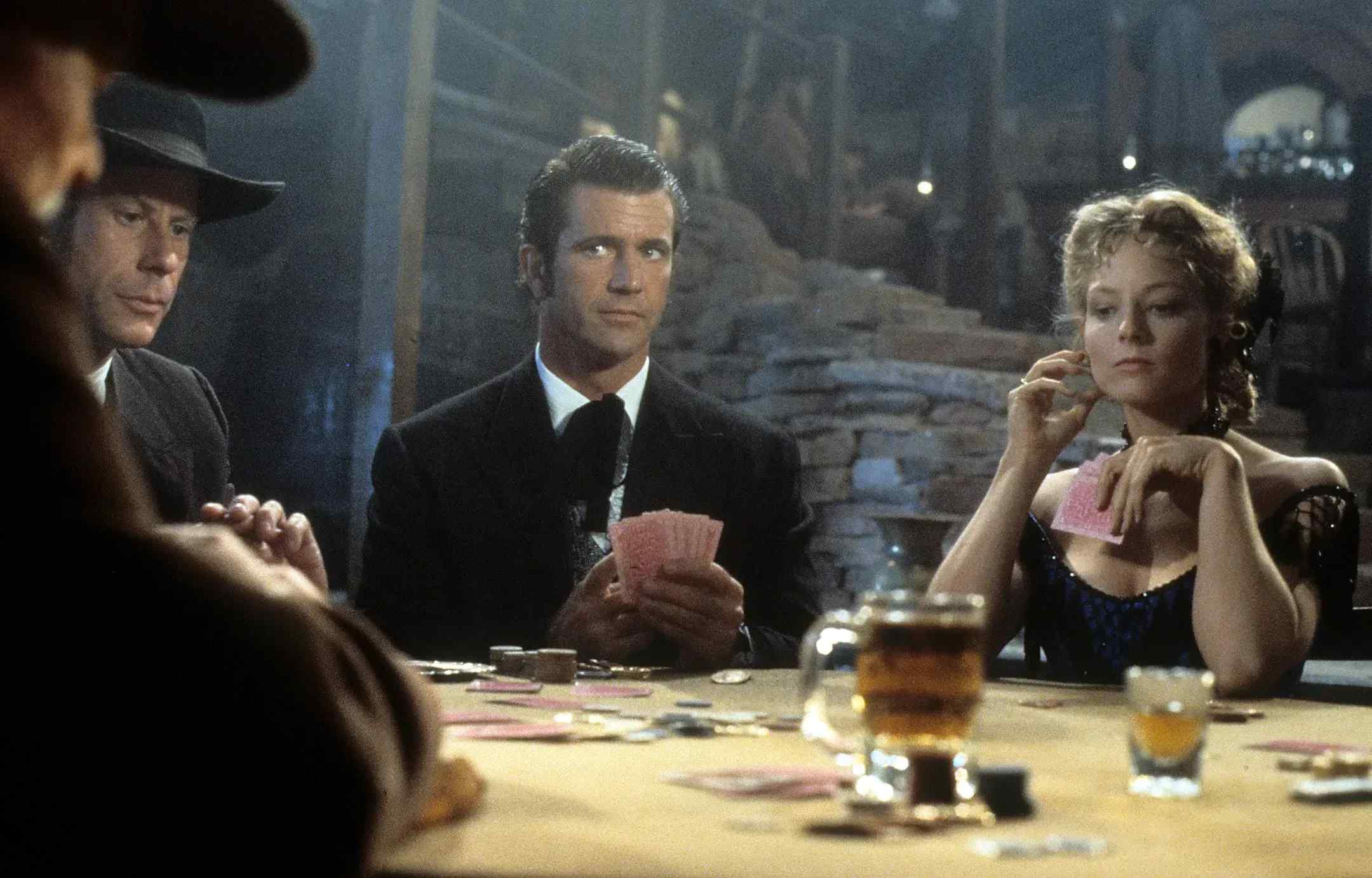
Successful gamblers like Billy Walters, Edward O. Thorp, and Phil Ivey treat gambling as a disciplined process, with decisions rooted in probability first rather than anything else. A few traits tend to separate them from the rest, such as:
Emotional control
A smart gambler sticks to the plan and does not let one moment pull them off course. The most obvious one that comes to mind is chasing losses after a bad run. But just as risky is when you scale up too quickly on the back of a hot streak. Anything driven purely by emotion is dangerous because, as Daniel Kahneman points out, those responses can easily override rational judgment under uncertainty.
Long-term mindset
Having a long-term mindset builds on the above, because it means judging performance over a large sample instead of a handful of outcomes. Billy Walters, widely seen as one of the most successful bettors ever, warned against reacting to short-term swings in an interview with Yahoo Sports, calling any attempt to “catch up” a “suicide” move.
The way in here really is getting your head around variance. A coin toss bet that should win 50 times out of 100 can still lose over the next 10 or 20 plays purely by chance. Same story in card counting. Mathematical models of gambling show that outcomes can deviate widely in the short term, yet over many trials, they converge toward the expected value, which is why an edge only becomes visible across volume.
Discipline and bankroll management
Bankroll management is what everything else hangs on when it comes to responsible, and potentially successful, gambling. The American Gaming Association puts setting a budget from the get-go right up there as a core principle. For low risk, a common guideline is keeping total exposure within about 1% of income. You can take it a step further by fixing a percentage per bet, something the bankroll can handle, so downturns do not spiral. Then, on the upside, setting a cap on how much to scale when ahead helps keep exposure from getting out of hand.
Comfort with uncertainty
Comfort with uncertainty is being able to carry on without needing instant proof that a call was right. Because most of the time, you’re not getting it. You can line up a well-priced bet and watch it miss five on the bounce, then see a same-game parlay with a heavy built-in hold land straight after. Good bets still fail plenty, and those less likely to happen can get there now and then. Without a bit of tolerance for that, doubt starts creeping in, and before long, the strategy gets tweaked or abandoned, even though the original thinking was sound.
Probabilistic thinking
Retired US poker pro Annie Duke says good decisions come from weighing probabilities and expected value, not previous outcomes or personal biases. That’s the core idea behind her book Thinking in Bets (it should be noted that Duke remains a controversial figure in the poker industry thanks to her connection to the infamous Ultimate Bet scandal).
A gambler with such a trait understands that every wager comes down to how the true chance lines up against the price on offer. You start by calculating the implied probability:
- Take the American odds,
- Divide the absolute value by that number and add 100 for negative odds
- ... or divide 100 by the odds and add 100 for positive odds
- Convert the result into a percentage.
Then it’s a case of lining that up against your own read on the true chance, and if yours comes out higher, you’re on the right side of the price.
Section 3: Cognitive Biases That Hurt Gamblers
Gamblers who struggle over time are rarely undone by variance alone. Here are the cognitive biases most often driving poor decisions and negative outcomes:
- Gambler’s Fallacy: You start believing the next result “has to” balance out what just happened. In reality, it does not. Each spin or round has the same odds every time.
- Overconfidence Bias: A short winning stretch can trick the brain into thinking it has cracked the game. That false edge inflates belief in ability, and you start making decisions on a false sense of control.
- Loss Aversion: This makes losses feel heavier than equivalent wins. It quickly turns into chasing. Instead of stopping, you add more risk and dig a deeper hole.
- Confirmation Bias: You back a pick, then your head starts hunting for anything that says it was right.
- Recency Bias: Recent results get treated as a reliable signal for what happens next. Casino games make that thinking fall apart quickly. In sports betting, form matters, but it's only one piece alongside H2H records, underlying stats, injuries, home or away splits, table position, and so much more.

Successful gambler traits vs common mistakes
The table below sets the traits of successful gamblers against the opposite behavior that often leads to losses:
| Trait of Successful Gamblers | Opposite Behavior (Losing Players) |
|---|---|
| Calm and measured approach. Emotions kept from driving decisions | Emotions take over, swings dictate behavior |
| Performance judged over a large sample | Short-term results treated as a meaningful signal |
| Structured bankroll control | No structure. Stake sizes drift over time |
| Comfortable with variance. Outcomes do not shake belief | Doubt creeps in quickly after a few losses |
| Continuously comparing true probability against market price + shops for odds | Gut feel is what drives choices |
What research says about gambling behavior
I analyzed various psychology materials while putting this piece on successful betting traits together. Below are seven findings that kept showing up across that work:
- Gamblers consistently overestimate their chances of winning, driven by false beliefs about probability.
- Cognitive biases directly sustain addiction. They distort how risk and reward are perceived.
- People fear losses about twice as much as they value gains.
- Humans rely on mental shortcuts (heuristics) that simplify choices but can lead to systematic errors.
- Positive emotions increase risky choices, especially in younger individuals exposed to reward cues.
- Near-misses activate reward circuits and increase the urge to continue playing (even when there's no win).
- People naturally see patterns in random events and treat chance outcomes as meaningful.
Can winning gambling traits be learned?
Winning gambling traits can be learned to an extent. The behavioral side often responds best. I’m referring to setting a budget, reading probabilities properly, knowing where to find better odds, staying disciplined with stakes, building awareness, that sort of thing. Other elements, like impulsivity, patience, risk tolerance, and how strongly you react to wins or losses, lean more toward personality and wiring.
You can improve awareness and add guardrails, but full change is far harder, especially once pressure builds.
The bottom line
The gap between Tom and Dave was never in the bets themselves. It showed up in how each handled uncertainty once things started to move against them. Over time, that's where results begin to separate.
Successful gamblers know how to protect their bankroll, weigh probability carefully, accept variance, and keep emotion from taking the wheel after a win or a loss. The biggest mistakes come from mental biases. Chasing and reading patterns into random outcomes pushes decisions away from logic and into costly errors. The same goes if you’re overconfident.
For the best shot at lasting results, stay disciplined under pressure rather than letting impulse take over.
Charlon Muscat is an established iGaming expert who entered the space in 2019 and went on to build a name across both casino and sportsbook content.
More Articles like this
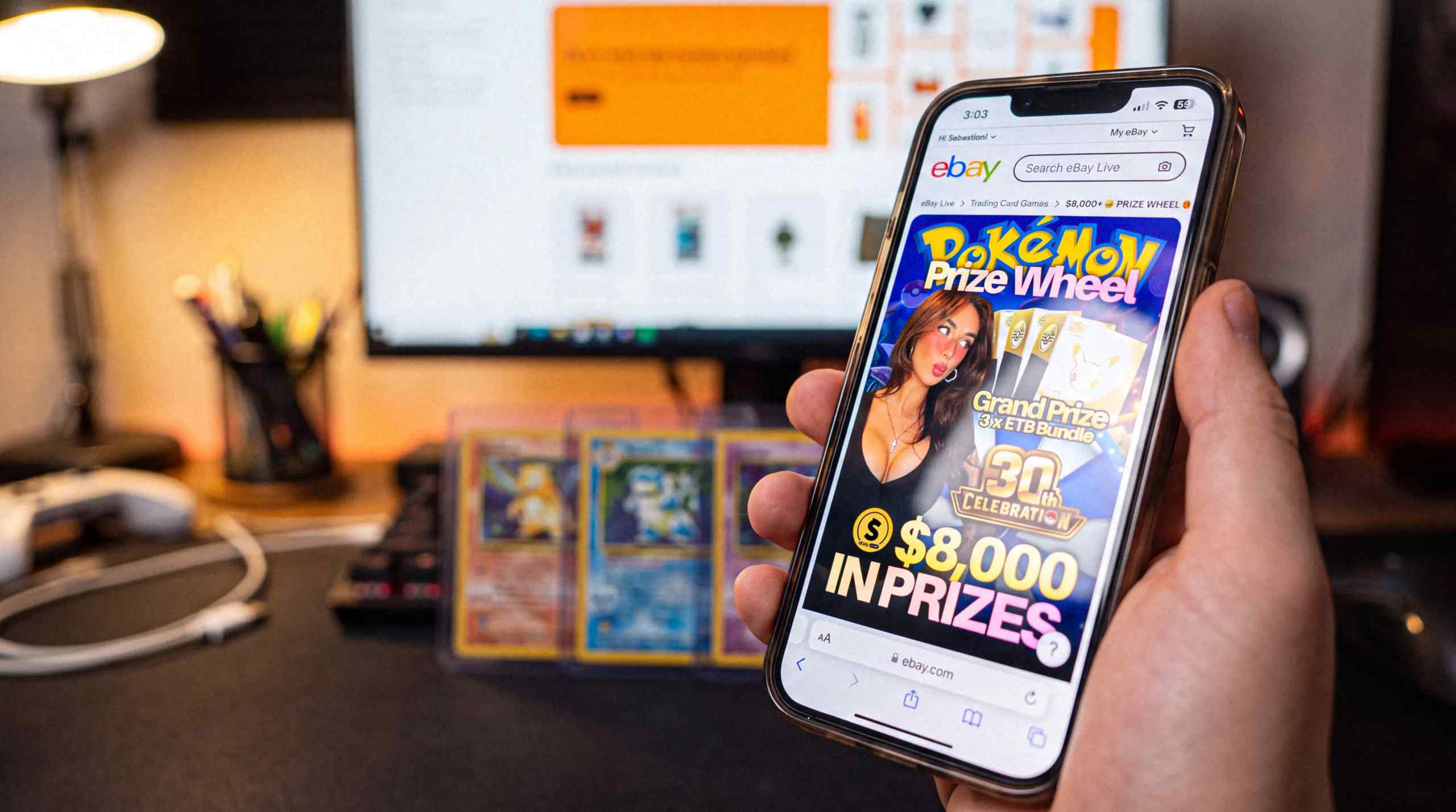
Are eBay's "Spin the Wheel" Listings Just Gambling?
A corner of eBay Live auctions off wheel spins instead of actual items. Bid starts at $1, the price climbs, and the winner finds out what they bought only after the wheel stops. Here's why that's not really shopping.
By Cole Rush
Casino Carpets Are Ugly. But Not for the Reason You Think
Casino carpets have long been accused of keeping gamblers disoriented and glued to the games. The truth is considerably more practical, though just as strange.

By Cole Rush
The Strange Gambling Laws Behind Cruise Ship Casinos
Cruise ship casinos only open once a ship clears territorial waters, and the odds, oversight, and rules that follow are nothing like a Vegas floor. Here's what actually changes at sea.

By Cole Rush
Six Reasons Bettors Are Starting to Ditch Credit Cards
States are increasingly questioning whether borrowed money has any place in gambling. From instant interest to damaged credit, the risks can extend far beyond the bet itself.

By Charlon Muscat
How Subscriptions Use Gambling Psychology to Hook You
Streaming services, apps, and subscription boxes may look nothing like a casino, but many tap into the same psychological forces that make gambling so hard to walk away from.

By Cole Rush
The Best Gambling Songs Ever Written, Ranked
From Kenny Rogers to Sting, these seven songs go beyond casino clichés to capture the risk, psychology and obsession behind gambling.

By Cole Rush