

Life’s a Gamble: The Real Odds Behind Trading Cards
Ripping a pack is basically a scratch-off with cardboard. Published odds, a house edge, and a resale market that reprices in real time. Here's how to read the board before you buy in.
%20(1).webp)
Trading cards are one of the most popular hobbies going. Ripping packs, chasing rookies, hunting the one card that makes the whole box worth it.
What most people don't clock is how much that hobby overlaps with straight-up gambling. Published odds, a house edge, a resale market that moves like a live line. You're not just collecting. You're betting, one pack at a time.
What 'Odds' Actually Means on the Wrapper
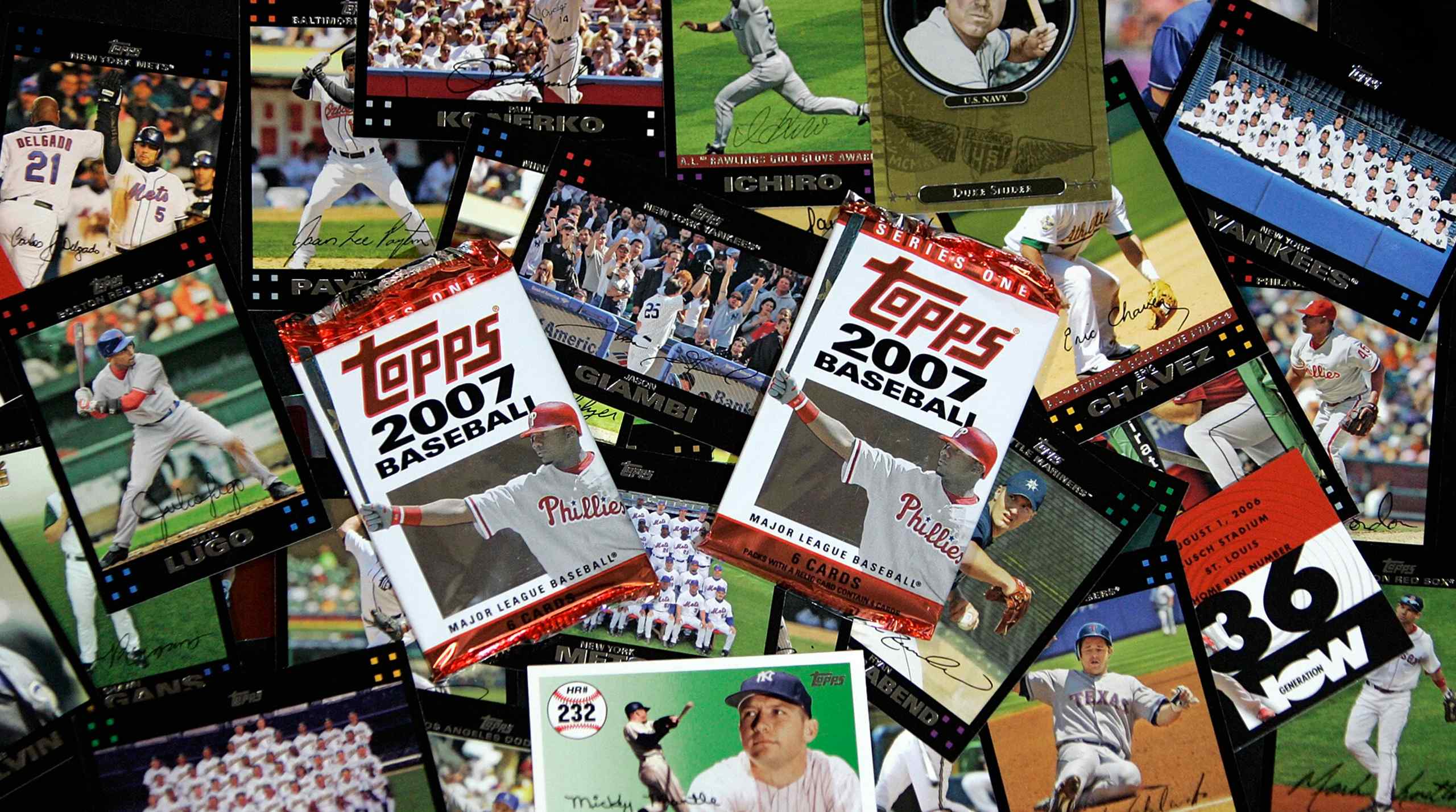
Topps maintains official odds sheets for its release, which is a contrast to Panini and Pokémon. Card collectors have reverse-engineered the odds, however, to calculate the chances of pulling a particular Pokémon card.
Meanwhile Topps keeps a full odds page for every release, and the spread is wild. A common insert might land at roughly 1 in 2 packs, while a top-tier autograph parallel can sit at something like 1 in 96,027. That's not a typo. That's closer to the odds on a scratch-off's top prize than anything resembling a coin flip.
Here's where most people get tripped up, though. The "advertised odds" tell you how often a card is inserted into a pack. They don't tell you the "hit rate," which is how often you actually pull something worth more than what you paid. Those are two very different numbers, and only one of them determines whether ripping that pack was a good bet. A card can be common by insertion rate and still be worthless on the resale market, the same way a scratch-off can pay out constantly in small two-dollar prizes while the actual jackpot sits untouched for months.
Other games have cards too, like poker, but they’re fundamentally different beasts. Poker is a game of skill layered on top of chance, where a good player can shift the odds in their favor hand after hand. Ripping a pack is closer to a straight lottery draw. Your skill stops the moment you decide which box to buy.
The House Edge: Box Price vs. Expected Value
Serious collectors calculate something called expected value, or EV. You take every possible pull in a box, multiply each one by its odds, add up the market value, and compare that total to what the box actually costs. From my perspective a box that returns 90% or more of its price in expected value is strong. Anything under 75% is overpriced, plain and simple. It’s like the RTP on a slot machine.
Box breaks (where you pay for a random team or slot in someone else's case) are almost always worse math than buying a box yourself. The breaker has to mark up the total take to turn a profit, which means the group is collectively paying more than the box is worth for a randomized outcome. That's the textbook definition of negative expected value, and it's the same basic structure as a slot machine. If you want a deeper breakdown of how that math tends to favor the house on the casino floor, it's worth reading up on why scratch offs are so often played wrong in the first place. The logic transfers almost perfectly.
In 2024, Fanatics brought in KPMG to independently audit Topps' packaging process after online chatter accused the company of sending "loaded" boxes to big-name breakers. The audit found the cards were packed randomly, exactly as advertised. The odds are real. They're just not always in your favor.
Vintage Scarcity vs. Modern Hype
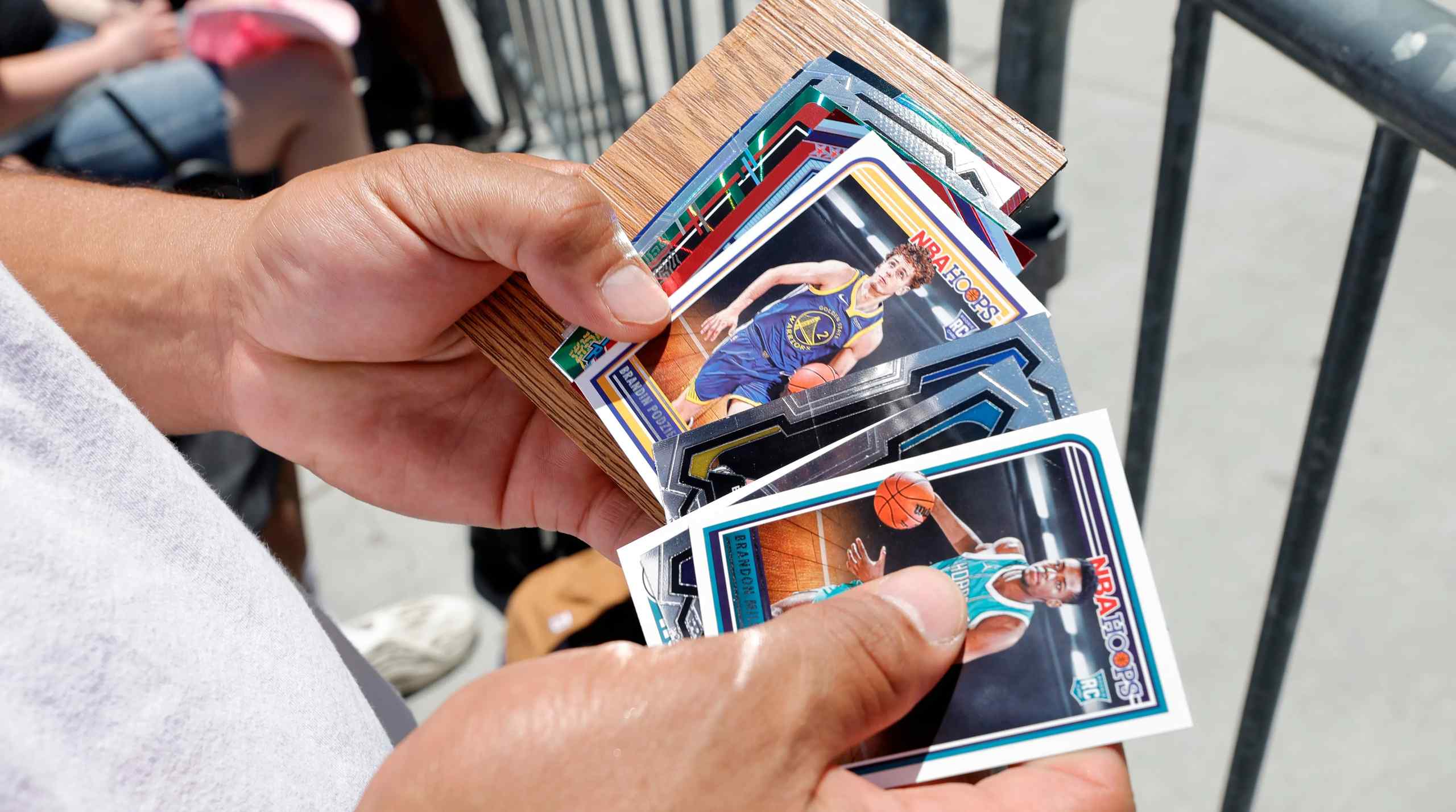
Vintage cards, your Topps and Bowman wax from decades back, earn their scarcity the slow way. Nobody knew at the time how many copies of a given rookie card would survive in top condition. That number only reveals itself gradually, as old boxes get cracked open and cards get graded over the following decades. Vintage scarcity is discovered, not promised.
Modern scarcity works backward. Companies build it in on purpose. Pokémon alone printed roughly 10 billion cards in 2025 just to keep up with demand, and yet the chase parallels and one-of-one cards inside that flood are manufactured to be rare from day one. Vintage odds are still being written as pop reports fill in over time. Modern odds are closer to a fixed paytable you can read before you ever buy in, similar to knowing exactly how many top prizes remain in a given scratch-off game before you hand over your cash.

PSA Pop Reports and eBay Sold Comps: A Live 'Odds Board'
A Professional Sports Authenticator (PSA) population report tracks exactly how many copies of a card have been graded at each grade level, and it updates constantly. A card with fewer than 50 copies at the top grade tends to carry a real premium. A card with a population north of 1,000 gets crowded out fast, and the premium shrinks. Watch how quickly a population is climbing (collectors call this pop velocity) and you get a decent signal for whether today's price still has room to hold.
Pair that with eBay's sold listings, and you've basically got a live odds board. Prices move on completed sales the same way a sportsbook line shifts on incoming bets. Reading pop reports and sold comps together, rather than one or the other, is how experienced collectors actually price a card before they buy, sell, or send it in for grading. It's a lot more homework than scratching a ticket at the counter, but it's also the difference between guessing and actually knowing your odds going in.
Box Price vs. Expected Value, By The Numbers
| Category | Example | Typical EV vs. Box Price | Main Risk |
|---|---|---|---|
| Vintage wax | 1970s to 80s Topps or Bowman unopened box | Highly variable, driven by rare surviving high grade pulls | Condition risk, resealed or counterfeit boxes |
| Modern hobby box | Current year Topps, Bowman, or Panini hobby box | Often 75 to 95%, release dependent | Chase card dependent, price swings on hype |
| Modern TCG (Pokémon) | Elite Trainer Box or booster box | Varies widely by set popularity | Reprints and high print runs erode value fast |
| Box break | Paying into someone else's case break | Structurally below 100%, breaker markup | Negative EV by design, entertainment value only |
Conclusion
Ripping a pack isn't just nostalgia wrapped in metallic casing. It's a bet with published odds, a price structure that usually favors the house, and a resale market that reprices itself in real time, not unlike checking whether your local scratch-off still has any big prizes left before you buy one. None of that makes it less fun. It just means the collectors who do best are the ones who know the difference between what's advertised and what actually pays out, and who check the board before they buy in.
Cole Rush is a freelance writer, crossword constructor, and creative tinkerer with more than 10 years of experience writing about anything and everything. Cole’s primary area of expertise is the gambling industry, covering the expansion of sportsbooks and online casinos alongside emerging spaces like sweepstakes casinos and prediction markets.
More Articles like this
Are eBay's "Spin the Wheel" Listings Just Gambling?
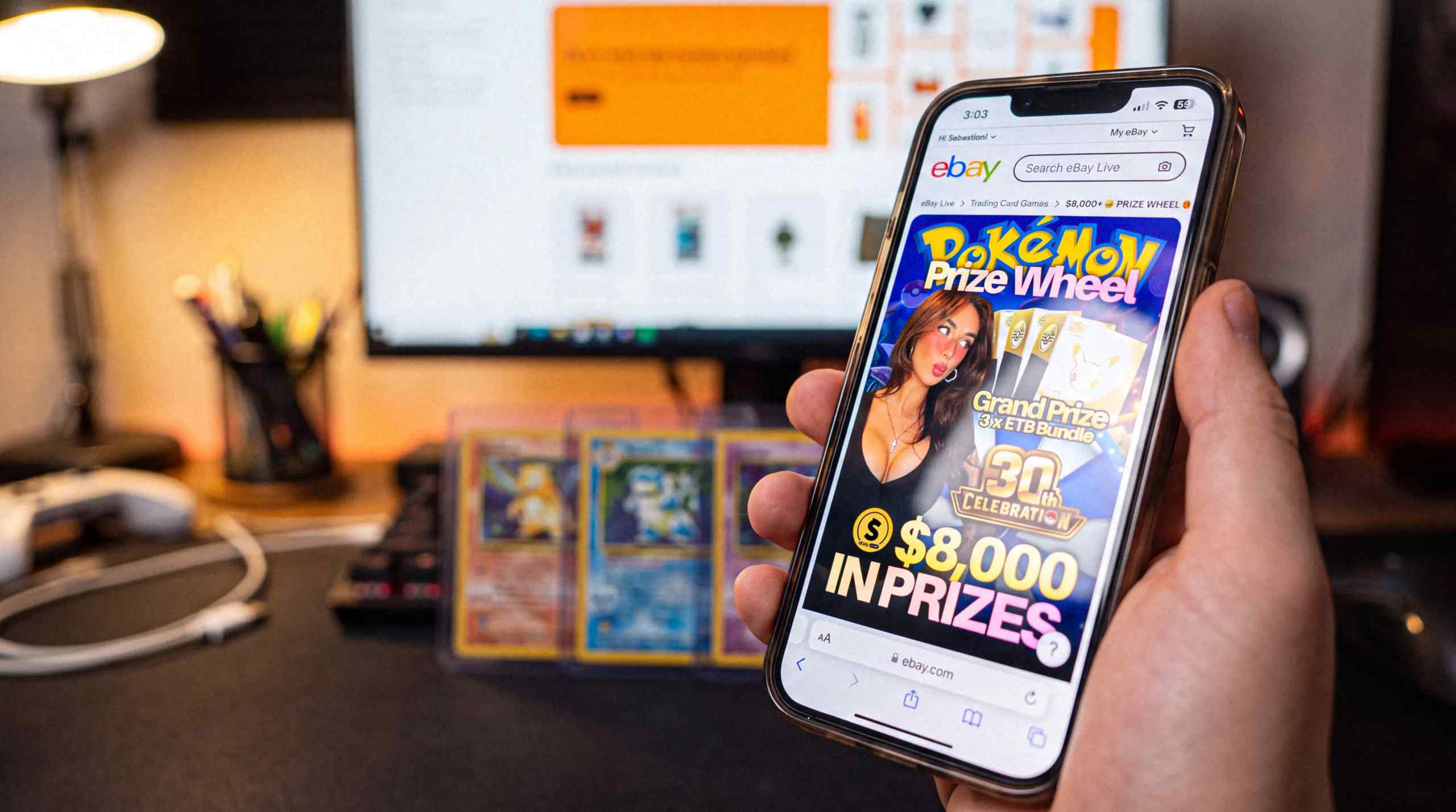
A corner of eBay Live auctions off wheel spins instead of actual items. Bid starts at $1, the price climbs, and the winner finds out what they bought only after the wheel stops. Here's why that's not really shopping.
By Cole Rush
Casino Carpets Are Ugly. But Not for the Reason You Think
Casino carpets have long been accused of keeping gamblers disoriented and glued to the games. The truth is considerably more practical, though just as strange.
By Cole Rush
The Strange Gambling Laws Behind Cruise Ship Casinos
Cruise ship casinos only open once a ship clears territorial waters, and the odds, oversight, and rules that follow are nothing like a Vegas floor. Here's what actually changes at sea.

By Cole Rush
Six Reasons Bettors Are Starting to Ditch Credit Cards
States are increasingly questioning whether borrowed money has any place in gambling. From instant interest to damaged credit, the risks can extend far beyond the bet itself.

By Charlon Muscat
How Subscriptions Use Gambling Psychology to Hook You
Streaming services, apps, and subscription boxes may look nothing like a casino, but many tap into the same psychological forces that make gambling so hard to walk away from.

By Cole Rush
The Best Gambling Songs Ever Written, Ranked
From Kenny Rogers to Sting, these seven songs go beyond casino clichés to capture the risk, psychology and obsession behind gambling.

By Cole Rush