
Six Reasons Bettors Are Starting to Ditch Credit Cards
States are increasingly questioning whether borrowed money has any place in gambling. From instant interest to damaged credit, the risks can extend far beyond the bet itself.

Maine, Virginia, and Colorado are among the latest states confronting credit card gambling risks head-on by cutting borrowed money from their regulated betting systems. The moves add momentum behind a growing push for tighter betting safeguards nationwide.
Speaking about the measure, Colorado Gov. Jared Polis said his concern was the debt burden. “My focus is on saving Coloradans money, not exposing them to loans from casinos that could be their financial ruin.”
Several US states are drawing a line on credit card gambling
A recent study published by the Federal Reserve Bank of New York found that legalizing mobile sports betting contributed to more borrowers falling behind on their debts. Across the population, serious delinquency — at least one account 90 days overdue — rose about 0.3 percentage points. In other words, the count rose from 107 in every 1,000 to 110. By year three, the difference had grown past five people per 1,000. And because only about 3% of adults newly took up betting, researchers said the implied effect among that group was far larger.
One thing worth noting is that the New York Fed analysis tracked credit outcomes across entire populations, not individual bettors, so we can’t say every additional delinquency was directly attributable to gambling. Researchers, however, found more borrowers falling behind after legalization than their model projected would have otherwise. Nonetheless, the underlying concern remains. For anyone who can still gamble on credit, what changes when losing also means owing?
Here are seven of the biggest risks I see with credit card gambling.
1. Gambling with money you don’t have
Before I get anywhere near the interest, there’s the question of whose money is being put at risk. A credit limit is borrowed money. Having $10,000 available on a card doesn’t mean you’ve got $10,000 to blow on entertainment, especially if your whole paycheck is already spoken for by rent, groceries, and the rest of the basics.
In a 2024 NatCen evaluation of Britain’s credit-card gambling ban, some interviewees said switching to debit made them pay much closer attention to what they were spending. With credit, especially when the limit was high, it had been easier to keep going.
2. Higher fees and immediate interest charges
Gambling transactions often get treated as cash advances, a practice the Consumer Financial Protection Bureau found at each of the seven issuers it reviewed in 2024 — Chase, Discover, American Express, Citi, Capital One, Bank of America, and Wells Fargo.
I went through the Chase sample agreement and found that cash advances incur a $10 or 5% fee, whichever is greater, while interest starts adding up from day one (regular purchases avoid extra charges if you pay the balance in full by the due date). The cash-advance rate is 28.49% APR. Therefore, a $200 credit-card gambling deposit would cost you $10 upfront, then roughly another $4.70 in interest over 30 days.

3. Chasing losses with borrowed money
Once you owe money, even a little, chances are you’ll lose sight of responsible gambling and go over budget trying to win it back. A 2017 qualitative study had participants describing a big win as a way out of financial trouble. Debts and bills were among the main reasons they kept going. The National Council on Problem Gambling says going back after losses is one sign things may be getting out of hand. The problem with credit is that hitting your budget should mean you’re done, but an open balance makes it look like there’s still money left.
4. Debt that follows into relationships
The same 2024 NatCen evaluation I mentioned above also heard from people affected by someone else’s credit card gambling. Many talked about secrecy and damaged trust, partly because the spending never showed up in the checking account where others in the household could see it. Another thing that came up was how draining it felt having money on their minds all the time. Paychecks were going toward gambling debt instead of savings, even after the spending itself had eased.
5. Damage to your credit score
Fair Isaac Corporation, the company behind the FICO Score, says gambling is “no different from any other type of credit card spending” when it comes to your score. The risks, however, are indirect, starting with bets leaving you with a much higher card balance, which factors into “amounts owed.” Falling behind on payments after losses pile up can do more damage, since your track record of paying bills on time is the biggest factor FICO looks at.

6. Difficulty obtaining future loans and mortgages
Even though gambling itself won’t appear on your credit report, lenders still see the financial fallout. Credit card balances and missed payments affect your FICO Score, while mortgage underwriters also review bank statements for overdrafts and the amount of cash you have in reserve. That helps explain why many prefer other methods, like ewallets and cryptocurrencies, which don’t impact your FICO score.
Seven Credit card alternatives for gambling
There are several other payment methods you can use for gambling in Canada and the US instead of a credit card. I’ve rounded up some popular options below, along with the pros and cons of each.
| Payment method | Why it’s better than a credit card | Pros | Cons |
|---|---|---|---|
| Debit card | Uses money already in your checking account, so there’s no revolving credit or cash-advance APR. | Familiar, spending shows up immediately | Overdraft risk (if enabled), some banks block gaming charges |
| ACH / online banking | Moves money straight from your bank account without creating credit card debt. | Usually low-cost, often works for withdrawals | Direct access to checking, transfers may take longer |
| PayPal | Bank-funded deposits avoid putting the charge on a credit card balance. | Keeps bank details from the casino, convenient withdrawals | Not accepted everywhere, protections are limited |
| Venmo | Lets you fund eligible accounts from your existing balance or linked bank account. | Familiar, quick deposits | Limited availability |
| Prepaid / gaming card | Spending is limited to money loaded onto the card rather than available credit. | Separate balance, easier budgeting | Reload fees may apply |
| Cash / retail deposit | No borrowing is involved, so there’s no card balance or interest charge. | Hard spending limit, no credit impact | Less convenient |
| Cryptocurrencies | Uses coins you already own | Fast transfers, transactions do not appear on bank statements | Price volatility, network fees, transfers are usually irreversible |
Charlon Muscat is an established iGaming expert who entered the space in 2019 and went on to build a name across both casino and sportsbook content.
More Articles like this
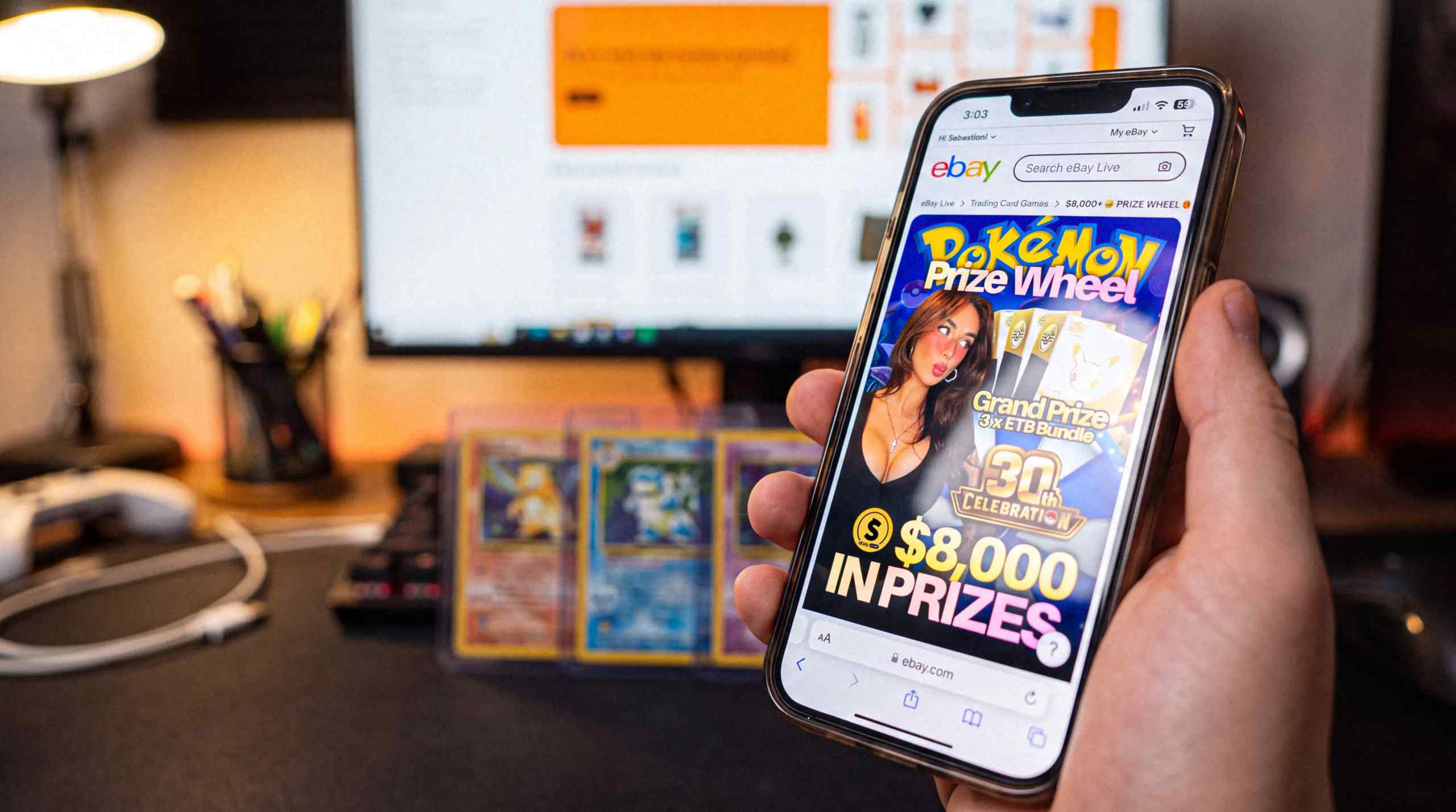
Are eBay's "Spin the Wheel" Listings Just Gambling?
A corner of eBay Live auctions off wheel spins instead of actual items. Bid starts at $1, the price climbs, and the winner finds out what they bought only after the wheel stops. Here's why that's not really shopping.
By Cole Rush
Casino Carpets Are Ugly. But Not for the Reason You Think
Casino carpets have long been accused of keeping gamblers disoriented and glued to the games. The truth is considerably more practical, though just as strange.

By Cole Rush
The Strange Gambling Laws Behind Cruise Ship Casinos
Cruise ship casinos only open once a ship clears territorial waters, and the odds, oversight, and rules that follow are nothing like a Vegas floor. Here's what actually changes at sea.

By Cole Rush
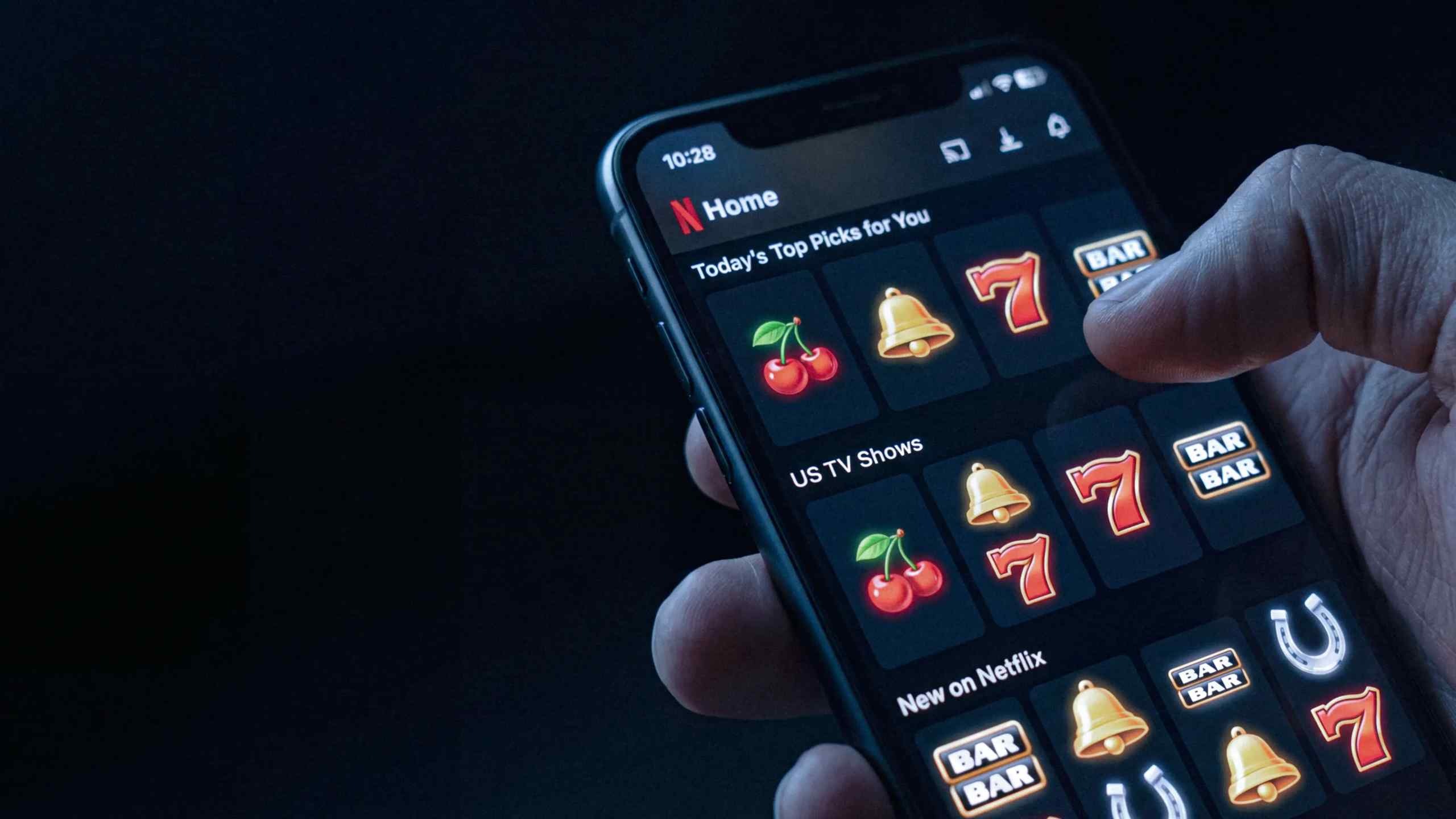
How Subscriptions Use Gambling Psychology to Hook You
Streaming services, apps, and subscription boxes may look nothing like a casino, but many tap into the same psychological forces that make gambling so hard to walk away from.
By Cole Rush
The Best Gambling Songs Ever Written, Ranked
From Kenny Rogers to Sting, these seven songs go beyond casino clichés to capture the risk, psychology and obsession behind gambling.

By Cole Rush
Best Online Blackjack Sites & Casinos for Real Money
Compare online blackjack sites for real money, including game rules, RTP, live dealer blackjack, table limits and legal availability across the U.S.

By James Guill