
How Subscriptions Use Gambling Psychology to Hook You
Streaming services, apps, and subscription boxes may look nothing like a casino, but many tap into the same psychological forces that make gambling so hard to walk away from.
%20(1).webp)
Casinos figured out decades ago that an unpredictable reward keeps people at the machine longer than a predictable one. Subscription platforms figured out the same thing, on their own timeline, and never had to explain the mechanism to a single customer for it to work. Neither industry is doing anything mysterious. They're both running on the same handful of well-documented behavioral economics principles operating on different systems.
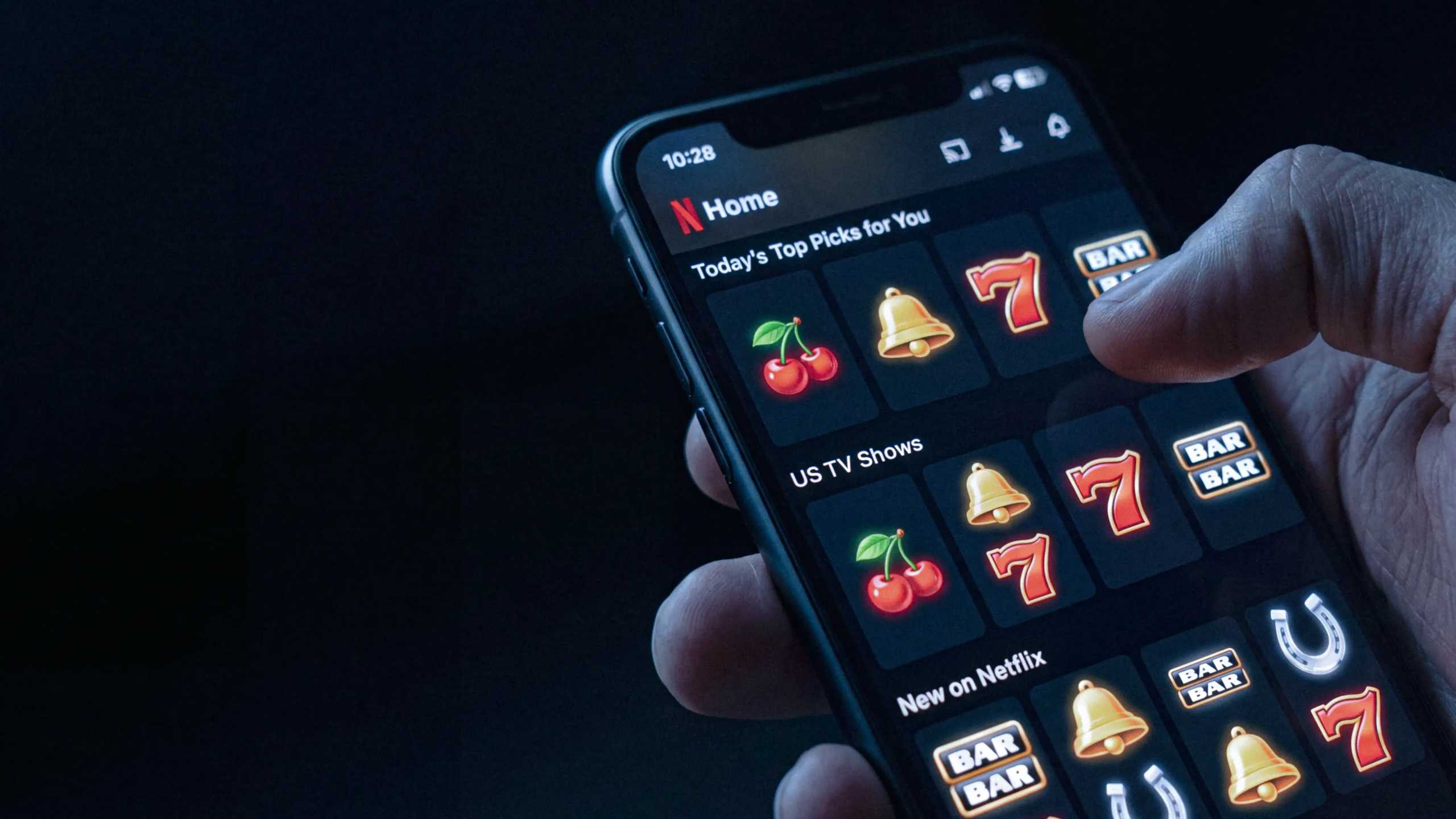
I'm not saying your TV is a slot machine, but I am saying those streaming services on it have a lot more in common with slots than you'd think. The same goes for other subscription services, including mystery boxes/loot boxes, and login streaks at paid apps.
Variable Rewards: The Slot Machine's Oldest Trick, Now Running Your Queue
The core mechanic behind a slot machine is called variable-ratio reinforcement. In layman's terms: a reward arrives after an unpredictable number of attempts rather than a fixed one. Behavioral research going back decades has shown this is one of the most persistent, hardest-to-quit reward patterns there is, more resistant to extinction than a reward you can predict and schedule around.
A vending machine, where you know exactly what you get every time, doesn't create that pull. A slot machine with an unknown prize and an uncertain timeline of when that prize could hit pushes those buttons precisely.
A streaming queue can tap into a similar variable-reward dynamic. You don't know which login session lands on the show that actually hooks you, so you keep opening the app. You don't know which streamer will acquire the rights to produce the next big show, so you have accounts switched on across most of them.
Mystery-style subscription boxes work the same way. Most months are fine, but the unpredictability of which month is great is exactly what keeps the subscription active past the point where a flat, predictable box would have gotten canceled months ago.

Loss Aversion Is Why a Streak Feels Like a Threat
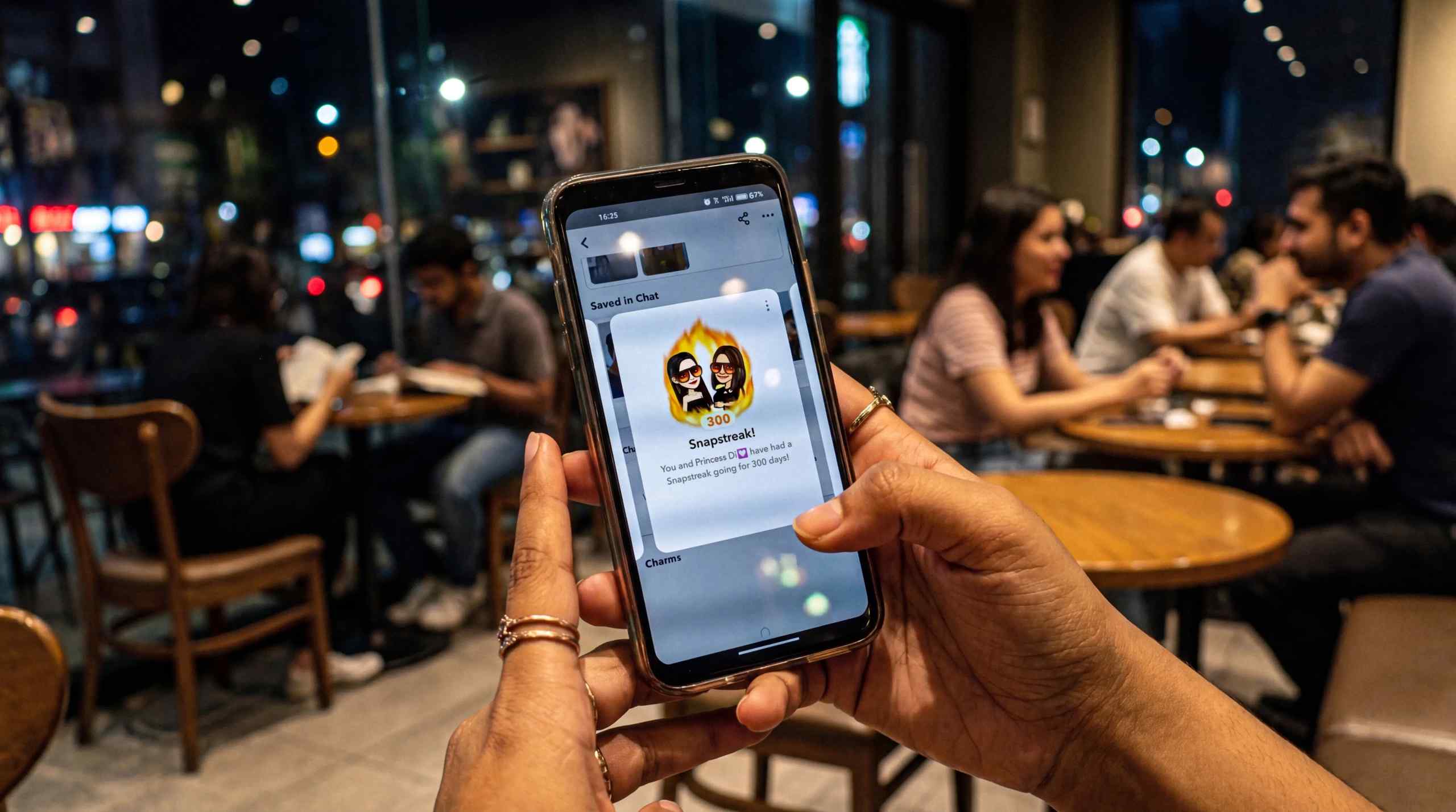
Losing something hurts roughly twice as much, psychologically, as gaining the equivalent amount helps. Loss aversion is the entire engine behind a login streak. Duolingo's own reported data shows next-day retention jumping from around 12% to 55% after the company introduced streaks, and users who cross the seven-day mark become dramatically more likely to keep opening the app daily. Snapchat's streak feature pushes some users to open the app 30 to 40 times a day.
Those numbers and the streaks that drive them aren't about the actual value users are getting from their app or subscription. Instead, it's more akin to gambling in that you don't want to lose a number you've already built. That's functionally identical to a gambler who keeps playing specifically to avoid locking in a loss, rather than because the next bet has good odds.
You might even draw a connection to casino loyalty programs, where frequent gamblers get access to free meals and rooms. You obviously lose those perks if you stop gambling.
Sunk Cost Is Why You Keep the Subscription You Don't Use
The foundational research here goes back to a 1985 study by Hal Arkes and Catherine Blumer, who found that people who paid full price for theater tickets attended significantly more shows than people who got the same tickets at a discount. The money already spent shouldn't affect a rational decision about whether to go tonight, but it does, because walking away feels like admitting the earlier spending was wasted.
A $15-a-month subscription sitting untouched on your card statement works the same way. Canceling it means acknowledging that some portion of what you already paid bought you nothing of value. Keeping it, even unused, avoids that admission, which is the opposite of what actually saves you money. It's the identical mechanic behind chasing gambling losses. The money that's already gone shouldn't influence the next decision, but to our brains, it always does.
Auto-Converting Trials Are a Real Regulatory Fight, Not Just a Vibe
Free trials that convert into paid subscriptions with little notice and cancellation flows that require a phone call when signup took one click aren't accidents of bad design. The psychological principles at work are well understood, and regulators have taken notice. The Federal Trade Commission's "click-to-cancel" rule was built specifically to require that canceling a subscription be exactly as easy as signing up for one.
Unfortunately, the Eighth Circuit vacated that rule on procedural grounds in 2025, so it isn't currently enforceable as a standalone federal regulation. That hasn't stopped enforcement under existing consumer protection law, though. The FTC's active litigation against Uber over how hard it is to cancel an UberOne membership, now joined by 21 state attorneys general, shows regulators are still going after the same underlying behavior even without the specific rule in place.
The Fix Is the Same for Both
A streaming service, a language app, and a meal kit can all be genuinely good products that happen to also be built, at least in part, on the same psychology that keeps a slot machine profitable. It's just how modern product design works once a company has read the same research everyone else has.
The actual fix for individuals isn't complicated, and it's the same one that works for gambling: regular, honest self-evaluation. Not "is this technically still a good deal," but "am I still choosing this, or am I just afraid to admit what I've already put into it." However, regulations also need to keep tabs on these things, lest they get out of hand. There will always be segments of the population who need assistance beyond self-checks, which is why the responsible gambling movement is so powerful right now.
Run that question against your subscription list the same way a disciplined bettor runs it against their sportsbook account. The psychology only works on autopilot. When you take control, complacency and sunk-cost fallacies can fall apart fast and save you money along the way.
Cole Rush is a freelance writer, crossword constructor, and creative tinkerer with more than 10 years of experience writing about anything and everything. Cole’s primary area of expertise is the gambling industry, covering the expansion of sportsbooks and online casinos alongside emerging spaces like sweepstakes casinos and prediction markets.
More Articles like this
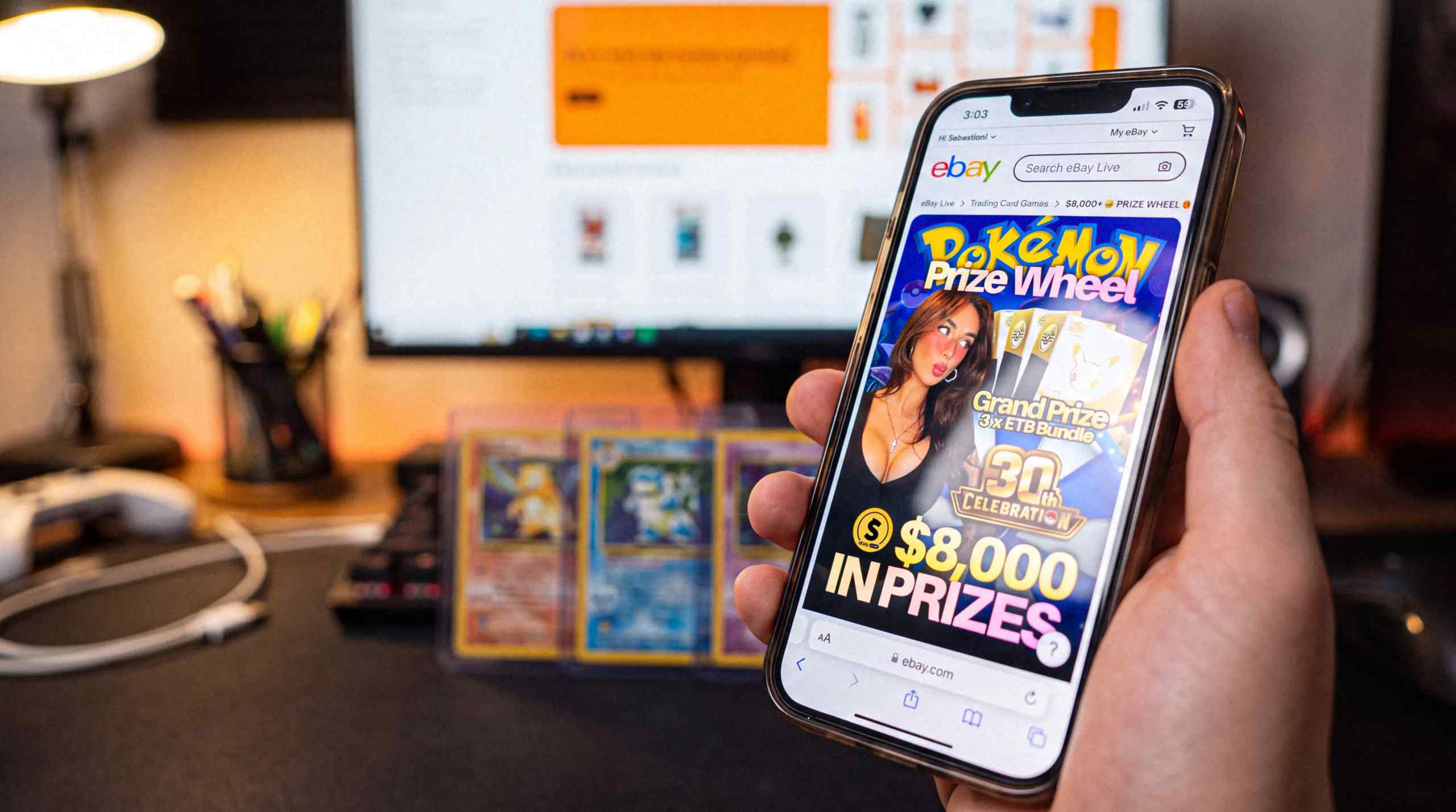
Are eBay's "Spin the Wheel" Listings Just Gambling?
A corner of eBay Live auctions off wheel spins instead of actual items. Bid starts at $1, the price climbs, and the winner finds out what they bought only after the wheel stops. Here's why that's not really shopping.
By Cole Rush
Casino Carpets Are Ugly. But Not for the Reason You Think
Casino carpets have long been accused of keeping gamblers disoriented and glued to the games. The truth is considerably more practical, though just as strange.

By Cole Rush
The Strange Gambling Laws Behind Cruise Ship Casinos
Cruise ship casinos only open once a ship clears territorial waters, and the odds, oversight, and rules that follow are nothing like a Vegas floor. Here's what actually changes at sea.

By Cole Rush
Six Reasons Bettors Are Starting to Ditch Credit Cards
States are increasingly questioning whether borrowed money has any place in gambling. From instant interest to damaged credit, the risks can extend far beyond the bet itself.
By Charlon Muscat
The Best Gambling Songs Ever Written, Ranked
From Kenny Rogers to Sting, these seven songs go beyond casino clichés to capture the risk, psychology and obsession behind gambling.

By Cole Rush
Best Online Blackjack Sites & Casinos for Real Money
Compare online blackjack sites for real money, including game rules, RTP, live dealer blackjack, table limits and legal availability across the U.S.

By James Guill