

Five Fallacies Gamblers Need To Know (And Why)
Think you're just bad at math? Think again. Gambling messes with your wallet and your wiring. We break down the five mental traps, from chasing losses to "near miss" mind games, that quietly nudge every bettor toward bad decisions.
%20(1).webp)
Gambling involves a lot of mathematical mumbo jumbo that the average player may not understand. We see the outcomes, but we don’t always know the inner workings that fuel them. And yet, we play. The same goes for our headspace. Deep down, most gamblers know there are psychological factors encouraging more play or pushing them to chase wins. Our brains are essentially programmable, and gambling operators have the code.
While it’s important to keep the house edge and other mathematical intricacies in mind, you can give yourself a mental edge by knowing common fallacies or psychological shortcomings. When you notice them happening, it’s much easier to keep them in check. Whether you’re a sports bettor, prediction market trader, poker player, or slot spinner, you should know these five mental concepts before you play.
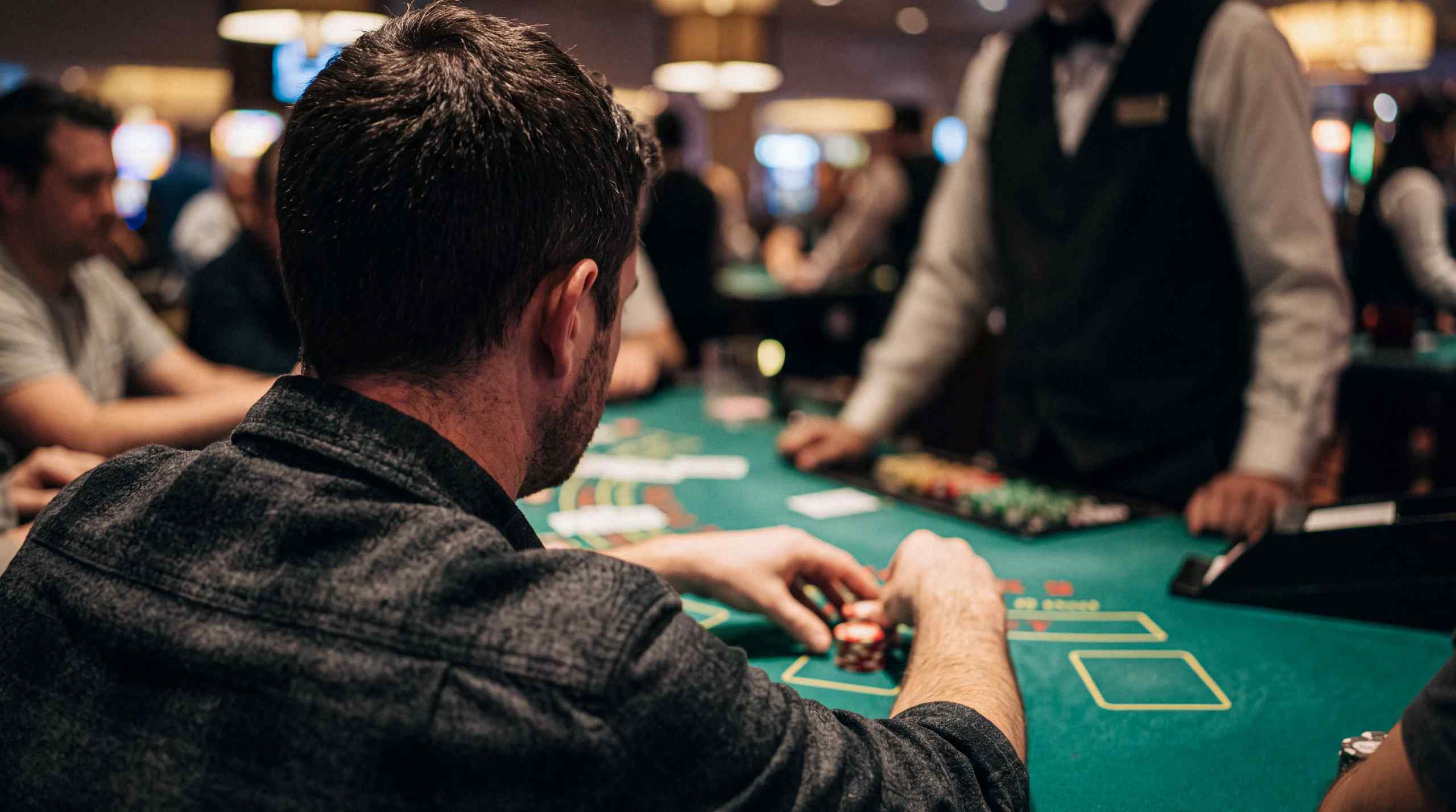
The Sunk Cost Fallacy
If you play for a while, you might start to think, “I’ve come this far, I should keep going.” Doing this in search of a win is an easy psychological trap to fall into, and it goes hand-in-hand with the gambler’s fallacy (which I’ll cover next). Playing because of what you’ve spent instead of what you have left in your budget is a recipe for a bad time.
- Example: Doubling a blackjack bet to win back your losses or refusing to walk away from a slot session because of how much you’ve already put in.
- Why It Happens: Sunk Cost is where “chasing losses” can come from. You keep playing to recoup your losses, when the reality is that our odds are the same in a given hand or game round.
- How to Avoid It: Set your budget and quit if you lose it. Stick to your limits so you don’t fall into the sunk cost pitfall.
The Gambler’s Fallacy
This one’s a classic. The Gambler’s Fallacy involves thinking a win is “due” after a streak of losses. It has less to do with your actual bets/money and more with a game’s tendency to vary its outcomes.
Think of a roulette table with the last 10-20 outcomes listed, and you see a bunch of black wins with only a touch of red. You might think red is “due” to hit. Or, perhaps on a slot machine, you’ve lost 10 spins in a row. The bonus is sure to hit soon, right? Wrong, at least in most cases. Remember, the odds are the same for any round, spin, or game. What has happened in the past does not impact the future.
- Example: Betting on red after a long run of black at the roulette table.
- Why It Happens: The brain searches for patterns and connects dots that aren’t always meant to connect.
- How To Avoid It: Ignore displays that show the last handful of results, and don’t let them influence your decision.
The Hot Hand Fallacy
If the Gambler’s Fallacy assumes a streak of losing will beget a win, then the Hot Hand Fallacy is essentially its opposite. This fallacy involves assuming you’re on a “streak” and that the game or machine is “hot.” You’re winning, so why would you stop?
This takes many forms, as far as the terminology goes. You might be “on a run,” or “in the zone,” or “locked in.” Beware those terms and their associated feelings.
- Example: Building a large, inadvisable parlay after a series of wins at the sportsbook.
- Why It Happens: Again, our brains love patterns so much that they will create them out of nothing. This is confirmation bias at its finest.
- How To Avoid It: Treat every bet or game round as its own event. Don’t allow yourself to believe one bet can influence another.
.webp)
The Illusion of Control
This is the only fallacy/common pitfall I advise you to have a little fun with, as long as you’re reasonable about it. Remember that outside of games with minor elements of skill like blackjack, gambling is entirely chance-based. You may develop superstitions about specific ways to “influence” outcomes, but they’re just as chance-based as someone approaching it completely randomly.
I say “have fun with it” because certain behaviors like this are harmless, so long as you don’t assume they’ll actually give you an edge. So go ahead and blow on those craps dice, talk to the slot mascot on the screen. Pick your lucky numbers for the lotto.
- Example: Pressing “spin” on a slot machine with specific timing in the hopes that it will influence the outcome.
- Why It Happens: We like to be in control! We’ll convince ourselves we can sway results even when we can’t.
- How To Avoid It: Remind yourself that gambling is all about chance at work. Little idiosyncrasies are fun, but don’t assume they’re actually making a difference.
The Near-Miss Effect
Slot machine developers love to use this little trick. You spin the reels and two bonus symbols land on reels 1 and 3. You just need one on reel 5 to earn the bonus. The reel highlights with slick animations and comes to a stop in slow motion, only for the symbol you needed to slide past and land just off the screen. IF you're not careful, you can take this as a sign that the bonus “wants” to hit. It’s due!
Of course, it isn’t, and the next couple of rounds are just as likely to result in losses as they are to hit the bonus.
- Example: Assuming your next lotto ticket will win because the last one was one number off.
- Why It Happens: Near-misses activate the reward center of our brains and encourage playing more to seek a payout.
- How To Avoid It: Enjoy the moment when a near-miss happens, but acknowledge that it has no bearing on the next round.
Gambling Fallacies: Quick Reference
| Fallacy | The Belief | The Reality |
|---|---|---|
| Sunk Cost | “I’ve spent too much to quit now.” | Past losses don’t impact future odds. |
| Gambler’s Fallacy | “I’ve lost a bunch; I’m due for a win.” | Each spin/hand/round has its own odds and occurs independently. |
| Hot Hand Fallacy | “I’m on a roll. Let’s keep it going.” | Streaks are almost always attributed to random variance. |
| Illusion of Control | “My actions can influence the outcome.” | The vast majority of casino games have zero skill-based input. |
| Near-Miss Effect | “I almost won, so I’m close.” | A near-miss is still a loss and doesn’t give you better chances of future wins. |
The Real Pattern: They’re All Related
Most gambling-related fallacies revolve around our brains finding patterns where there are none. The actual pattern at work is completely psychological. We’re hardwired to create a narrative surrounding our experience. When we’re losing, we assume we’re “due.” When we’re winning, we assume we’re “hot.” Our minds will find a way to convince us we’re on the up-and-up, when the reality is that gambling is always a game of chance. Use your knowledge of these fallacies to play responsibly!
Cole Rush is a freelance writer, crossword constructor, and creative tinkerer with more than 10 years of experience writing about anything and everything. Cole’s primary area of expertise is the gambling industry, covering the expansion of sportsbooks and online casinos alongside emerging spaces like sweepstakes casinos and prediction markets.
More Articles like this
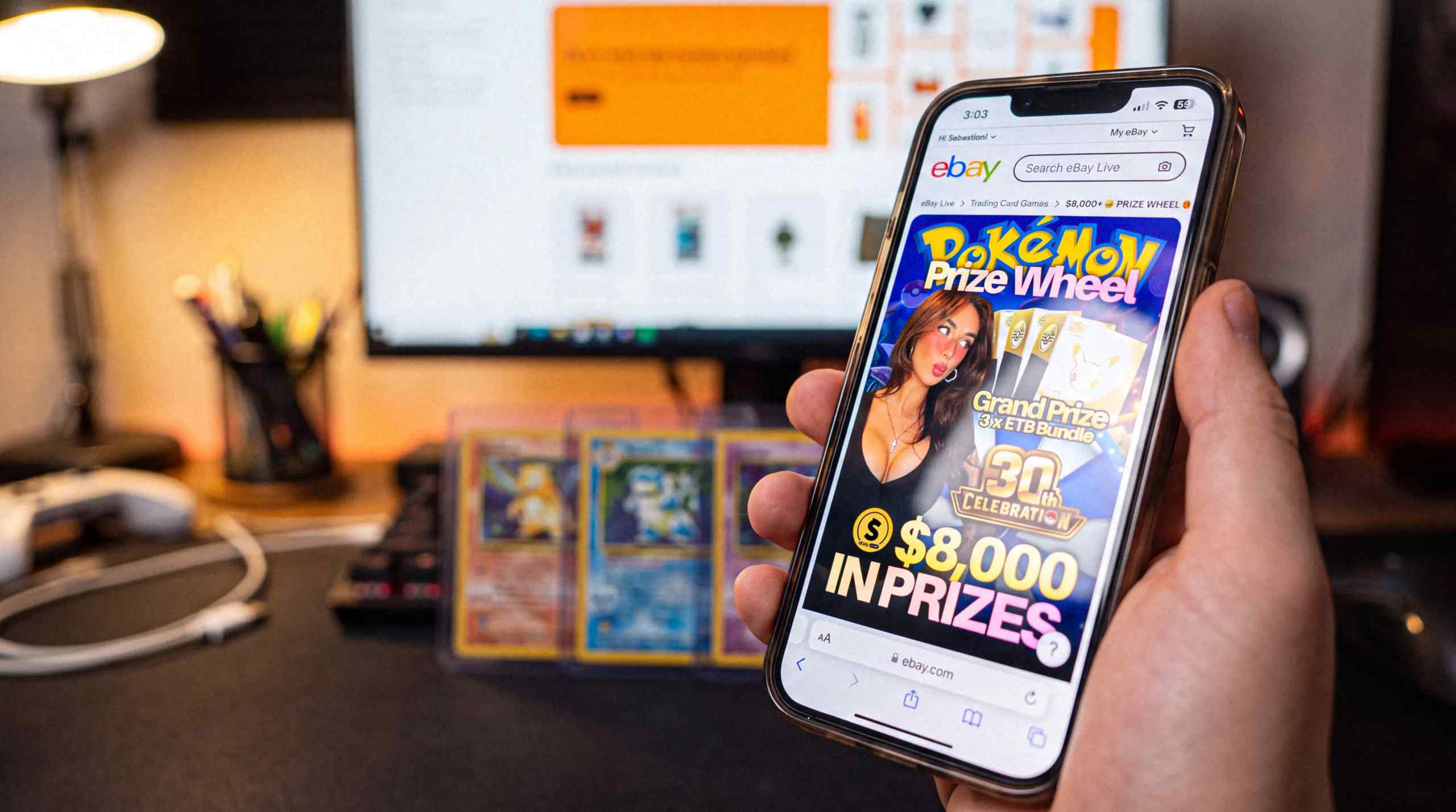
Are eBay's "Spin the Wheel" Listings Just Gambling?
A corner of eBay Live auctions off wheel spins instead of actual items. Bid starts at $1, the price climbs, and the winner finds out what they bought only after the wheel stops. Here's why that's not really shopping.
By Cole Rush
Casino Carpets Are Ugly. But Not for the Reason You Think
Casino carpets have long been accused of keeping gamblers disoriented and glued to the games. The truth is considerably more practical, though just as strange.

By Cole Rush
The Strange Gambling Laws Behind Cruise Ship Casinos
Cruise ship casinos only open once a ship clears territorial waters, and the odds, oversight, and rules that follow are nothing like a Vegas floor. Here's what actually changes at sea.

By Cole Rush
Six Reasons Bettors Are Starting to Ditch Credit Cards
States are increasingly questioning whether borrowed money has any place in gambling. From instant interest to damaged credit, the risks can extend far beyond the bet itself.
By Charlon Muscat
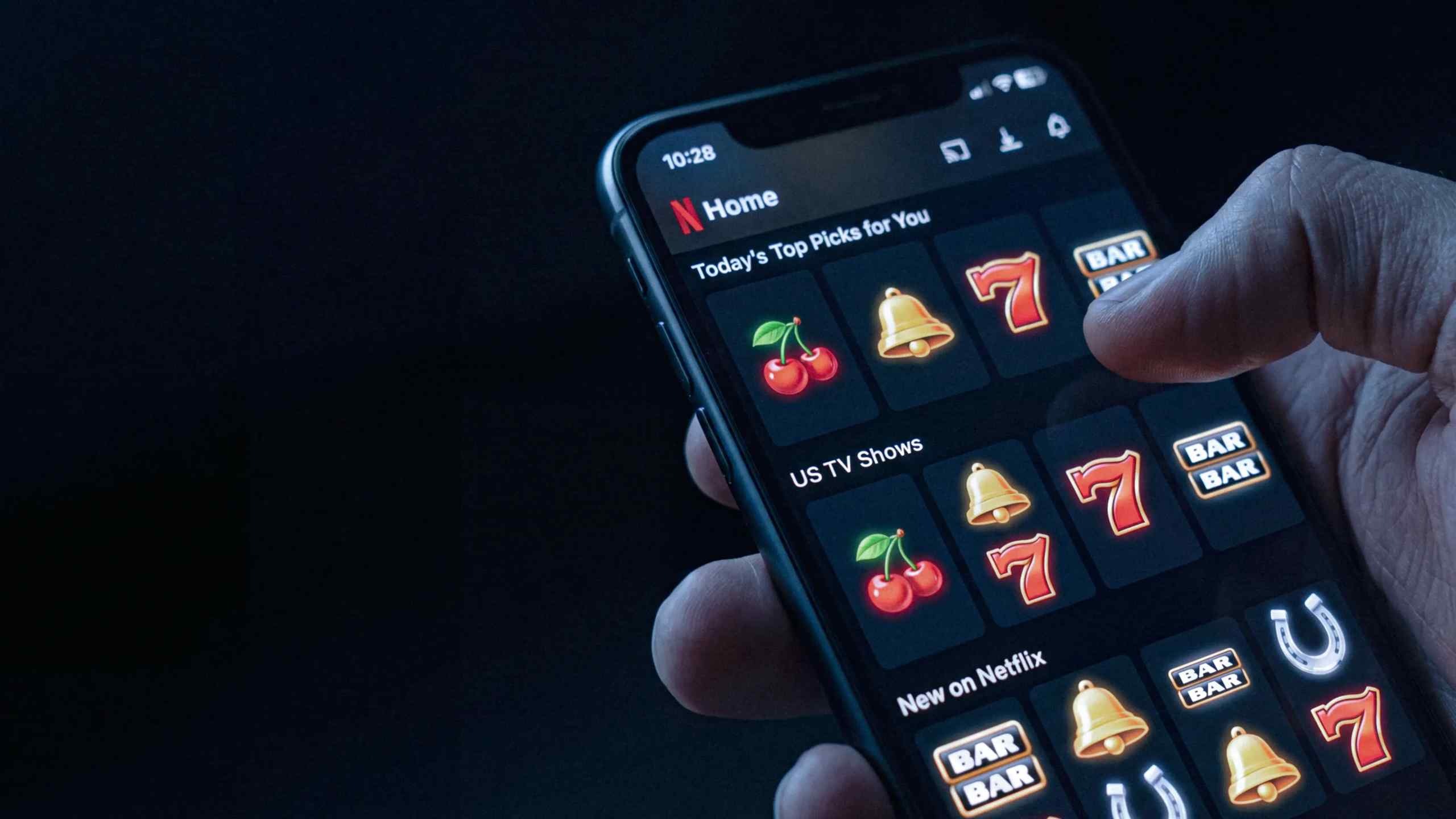
How Subscriptions Use Gambling Psychology to Hook You
Streaming services, apps, and subscription boxes may look nothing like a casino, but many tap into the same psychological forces that make gambling so hard to walk away from.
By Cole Rush
The Best Gambling Songs Ever Written, Ranked
From Kenny Rogers to Sting, these seven songs go beyond casino clichés to capture the risk, psychology and obsession behind gambling.

By Cole Rush