
Gambling Mysteries Explained: Why Do We Blow on Dice for Luck?
Every craps table has a shooter cupping the dice and blowing on them before the roll. The gesture does nothing to a fair roll, but its backstory runs from cheating scams to Hollywood folklore.
%20(1).webp)
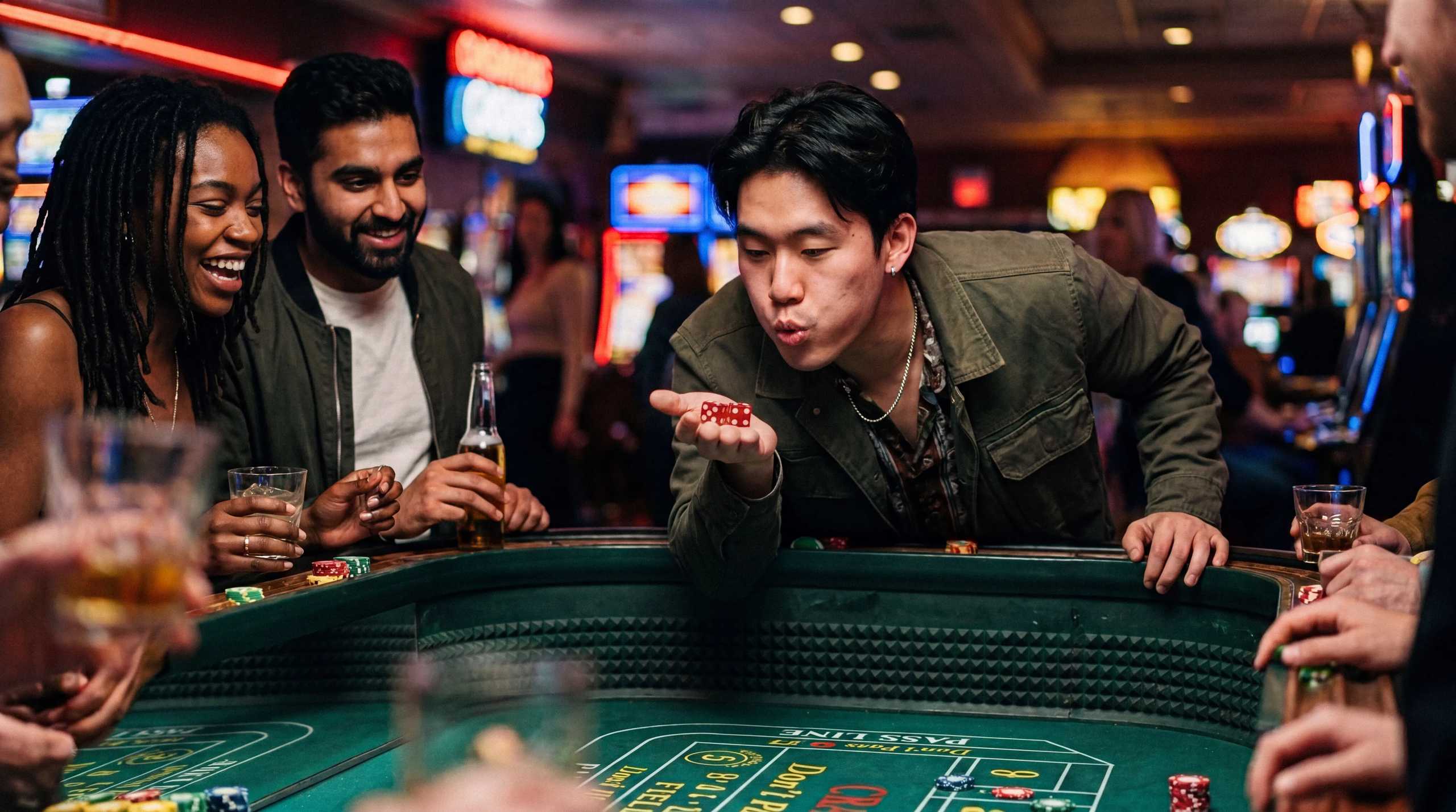
Watch any casino craps table long enough and you'll see it: a shooter cups the dice, blows on them like they're a birthday candle, then lets them fly. It's one of the most familiar gestures in gambling. It's also doing absolutely nothing to a fair pair of dice. So where did it come from, and is there any logic buried beneath the theatrics of it all?
Theory One: A Cheater's Trick That Outlived the Cheat
One popular theory traces the ritual back to the early 20th century, when some crooked gamblers coated dice with a sticky substance activated by moisture. A quick breath before the roll wasn't superstition, it was mechanics: the moisture helped the dice cling to certain faces and nudge the outcome. This theory shows up consistently across gambling-history sources, though it isn't tied to a single documented case, so treat it as the leading popular explanation rather than settled fact.
If that origin holds, the modern habit is a magician-esque method that survived long after the trick itself became useless. Casino dice today are precision-cut, regularly weighed, and swapped out constantly specifically to prevent this kind of tampering, but the gesture stuck around anyway.
Theory Two: Breath as Borrowed Luck
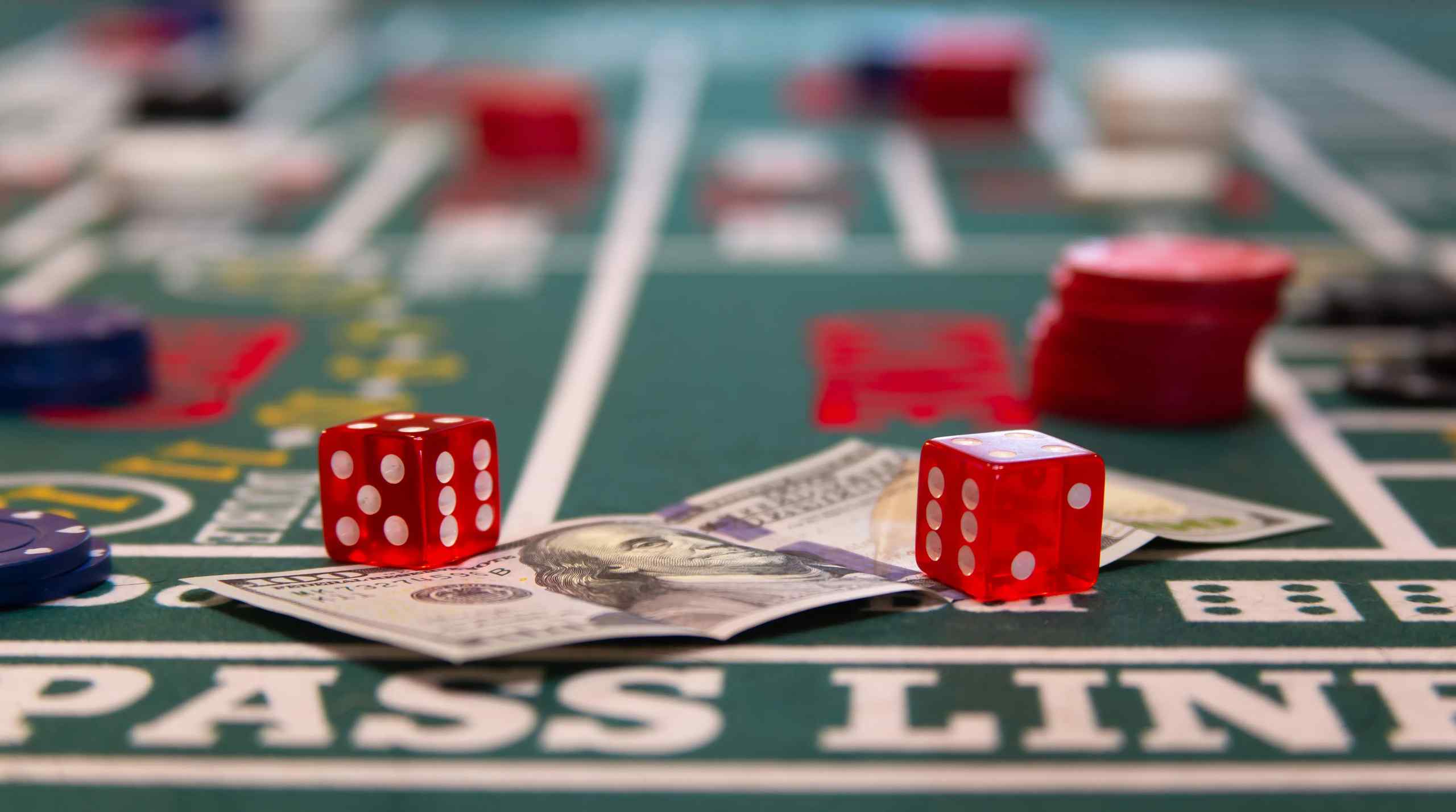
The older, less mechanical explanation is folklore: the belief that a person's breath carries a piece of their luck or life force, and blowing on the dice transfers it directly onto them before the roll.
It fits neatly alongside the rest of craps table superstition.
Think avoiding the word "seven" after a come-out roll or treating a new shooter as either lucky or cursed. The common thread is an attempt to influence a game that's mathematically unaffected by anything except the dice themselves.
Theory Three: Hollywood Locked It In
Popular accounts credit the 1955 film version of Guys and Dolls, and Marlon Brando's high-roller character Sky Masterson, with cementing the gesture as screen-ready craps-table business.
The stage musical's signature number, "Luck Be a Lady," even references the superstition directly in its lyrics, warning that "a lady wouldn't wander all over the room and blow on some other guy's dice."
That the song was already joking about the habit in the 1950s suggests the superstition predates the film. What the movie did was lend it a visual, repeatable, camera-ready moment, and from there it became shorthand in film and television for a high-stakes gambling scene, reinforcing the ritual for audiences who'd never stood at a real table.
Dice-Blowing Origin Options
| Theory | Verdict |
|---|---|
| Sticky dice, cheating origin | Popular and plausible, not tied to one verified case |
| Breath transfers luck | Pure folklore, consistent with other table game superstitions |
| Guys and Dolls popularized it | Likely accelerant, not necessarily the origin |
The psychology behind all of it is well documented. Potawatomi Casino Hotel's own breakdown of table superstitions lists blowing on dice right alongside avoiding the number 13 and never counting your chips at the table, all variations on the same instinct.
The Bottom Line
Dice have no memory. A roll's odds don't shift based on anyone's breath, and the cheaters' trick that may have started this whole habit stopped working decades ago.
The ritual survives anyway because it was never really about physics. It's theater, a jolt of confidence, and a shared bit of table culture passed down from actual scam artists to a Broadway stage to every craps table running today. For more on the numbers behind the games themselves, see our breakdown of craps odds and house edge and our guide to common gambling fallacies.
Cole Rush is a freelance writer, crossword constructor, and creative tinkerer with more than 10 years of experience writing about anything and everything. Cole’s primary area of expertise is the gambling industry, covering the expansion of sportsbooks and online casinos alongside emerging spaces like sweepstakes casinos and prediction markets.
More Articles like this
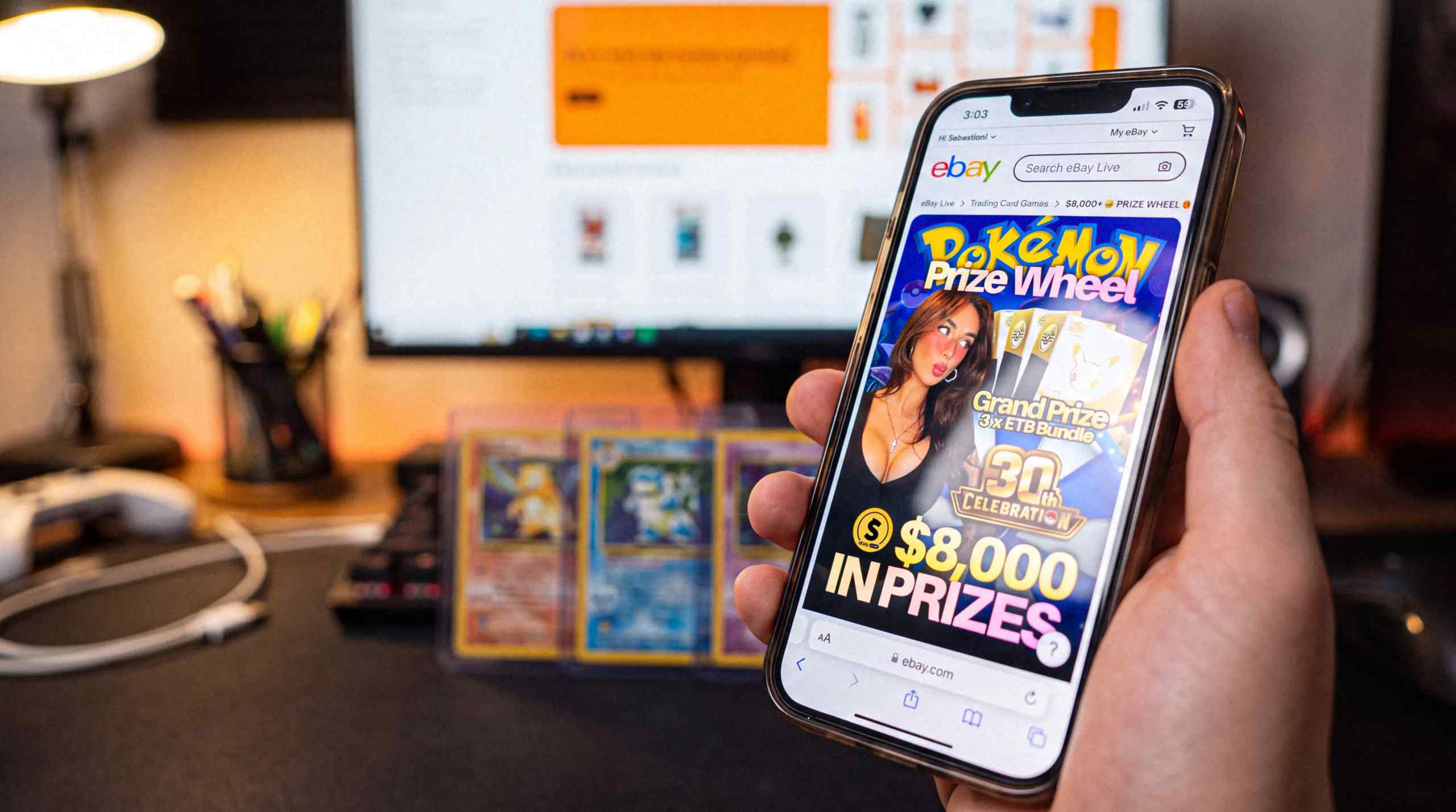
Are eBay's "Spin the Wheel" Listings Just Gambling?
A corner of eBay Live auctions off wheel spins instead of actual items. Bid starts at $1, the price climbs, and the winner finds out what they bought only after the wheel stops. Here's why that's not really shopping.
By Cole Rush
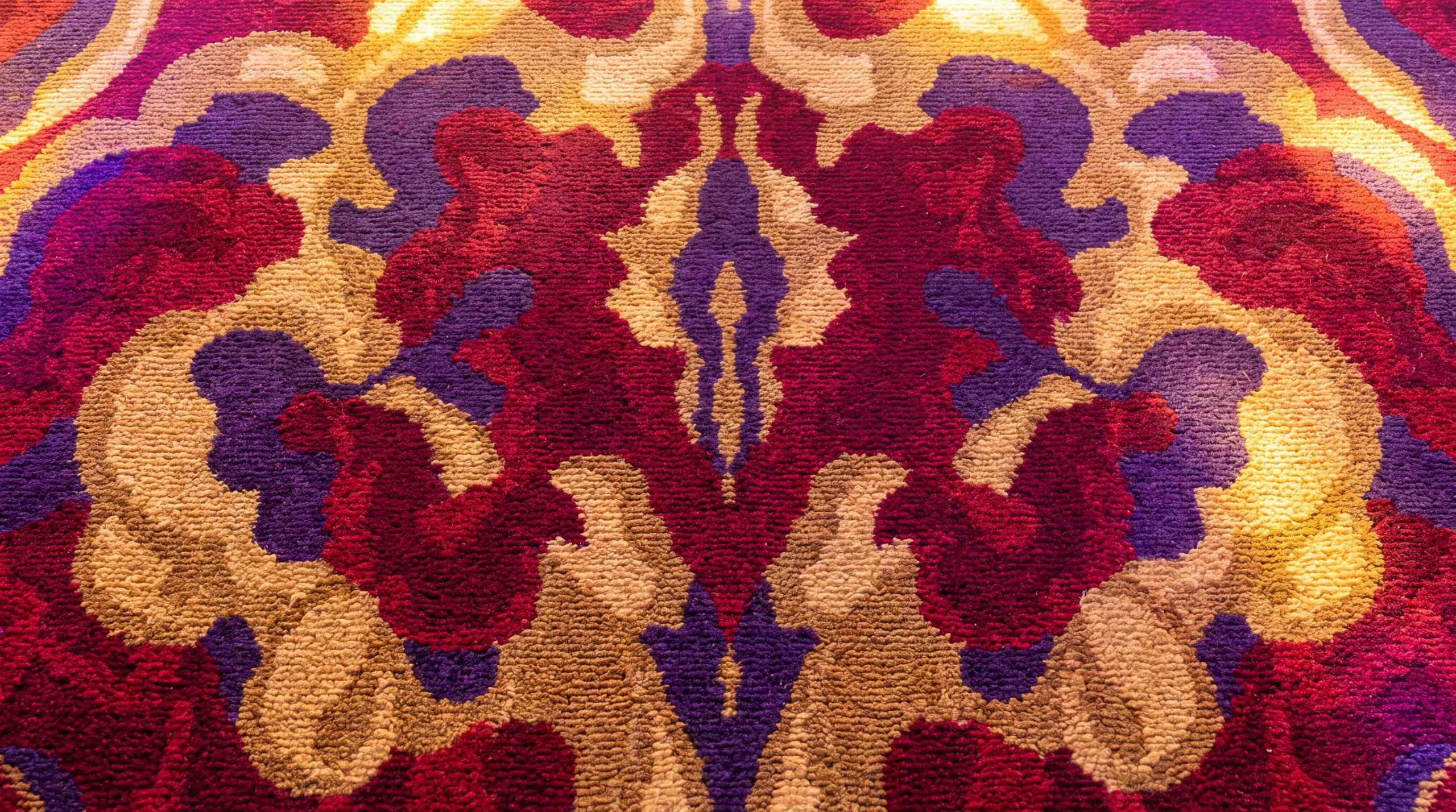
Casino Carpets Are Ugly. But Not for the Reason You Think
Casino carpets have long been accused of keeping gamblers disoriented and glued to the games. The truth is considerably more practical, though just as strange.
By Cole Rush
The Strange Gambling Laws Behind Cruise Ship Casinos
Cruise ship casinos only open once a ship clears territorial waters, and the odds, oversight, and rules that follow are nothing like a Vegas floor. Here's what actually changes at sea.

By Cole Rush
Six Reasons Bettors Are Starting to Ditch Credit Cards
States are increasingly questioning whether borrowed money has any place in gambling. From instant interest to damaged credit, the risks can extend far beyond the bet itself.
By Charlon Muscat
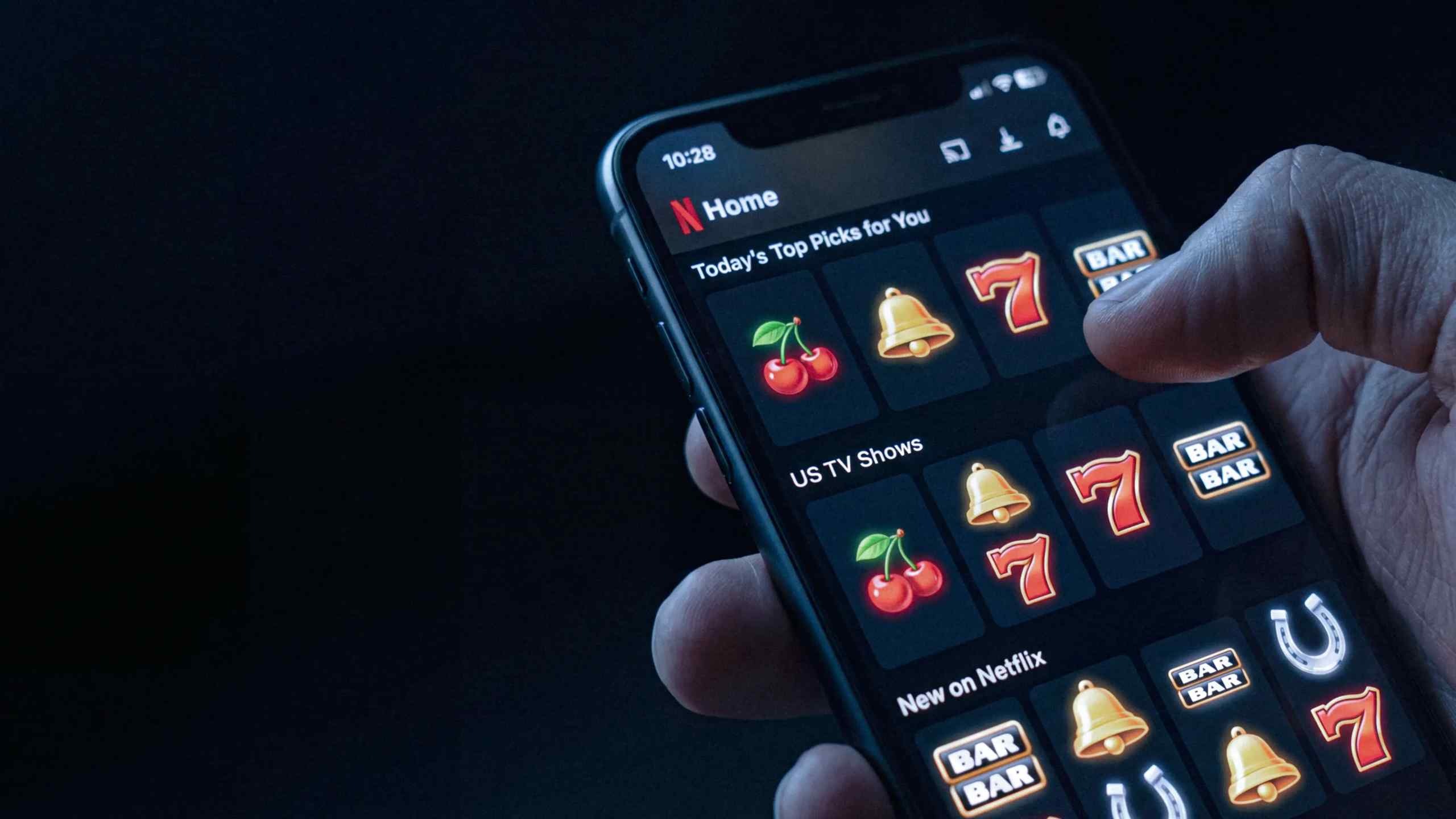
How Subscriptions Use Gambling Psychology to Hook You
Streaming services, apps, and subscription boxes may look nothing like a casino, but many tap into the same psychological forces that make gambling so hard to walk away from.
By Cole Rush
The Best Gambling Songs Ever Written, Ranked
From Kenny Rogers to Sting, these seven songs go beyond casino clichés to capture the risk, psychology and obsession behind gambling.
By Cole Rush