
Five Times Casinos Said No to Million-Dollar Payouts
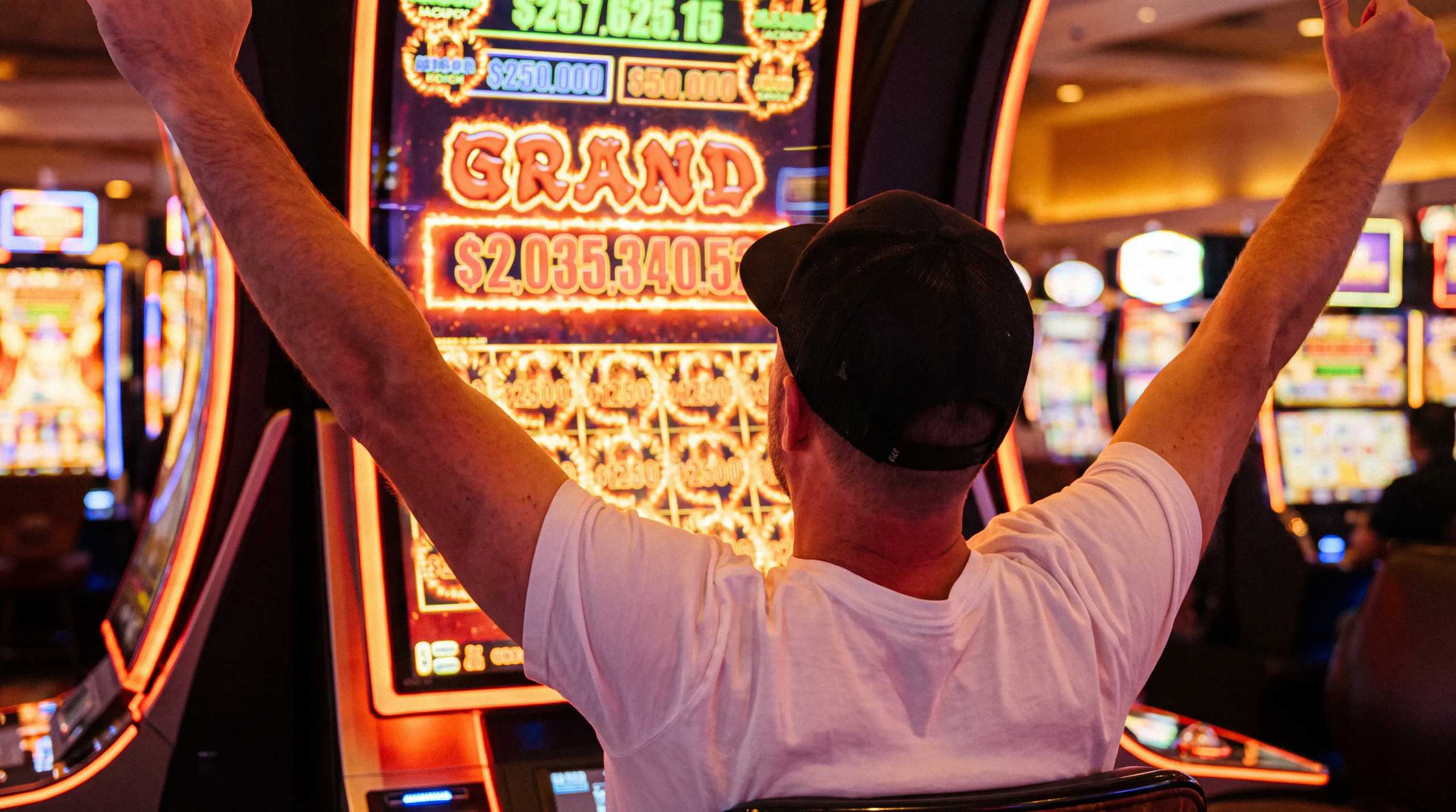
Imagine the digits on a slot machine dramatically climbing to $42,949,672.76 before casino staff dismiss the jackpot and offer a steak dinner instead. Players have challenged all kinds of payout refusals, even over tiny imperfections on playing cards.

An Alberta gambler received roughly 15 congratulatory emails from 888 Casino, only to have CA$1.27 million in winnings removed from his account.
James Kotylak told Gaming America that the operator blamed a software error affecting Jackpot Drop prizes during his March 2026 session.
I looked into five other major payout disputes to see how far casinos can take these explanations, and who ultimately decides whether a seven-figure jackpot must be paid.
5 casino jackpots that ended in disputes
Several casino payout disputes have caught my attention, from across the pond in London to Atlantic City, with one even playing out online.
Malfunctions were a recurring explanation for withheld winnings, although the circumstances varied considerably. In one case, neither the casino nor the players were responsible. The mistake traced back to the company that supplied the playing cards.
Jackpot Winner Disputes
| Player or Group | Casino / Location | Amount Disputed | Reason Given |
|---|---|---|---|
| Katrina Bookman | Resorts World, New York | $42.9M | Jackpot display malfunction |
| Phil Ivey | Crockfords, London | £7.7M | Edge sorting |
| Golden Nugget players | Golden Nugget, New Jersey | $1.5M | Card decks not shuffled for baccarat |
| Roney Beal | Bally's Atlantic City, New Jersey | $2.6M | Reel tilt malfunction |
| Jacqueline Davis | BetMGM, Michigan | $3.2M | Software payout calculation error |
Katrina Bookman Saw $42.9 Million and Got a Dinner Offer
It’s August 23, 2016, and Katrina Bookman, a single mother of four, is playing a penny slot machine at Resorts World Casino in Queens, New York. Out of nowhere, the screen lights up with a whopping $42,949,672.76 jackpot!
“I kept thinking about my family,” she later told ABC7. Bookman had grown up in foster care and experienced homelessness as a teenager. She was already planning to buy her son a barbershop and give some of the money back to her community.
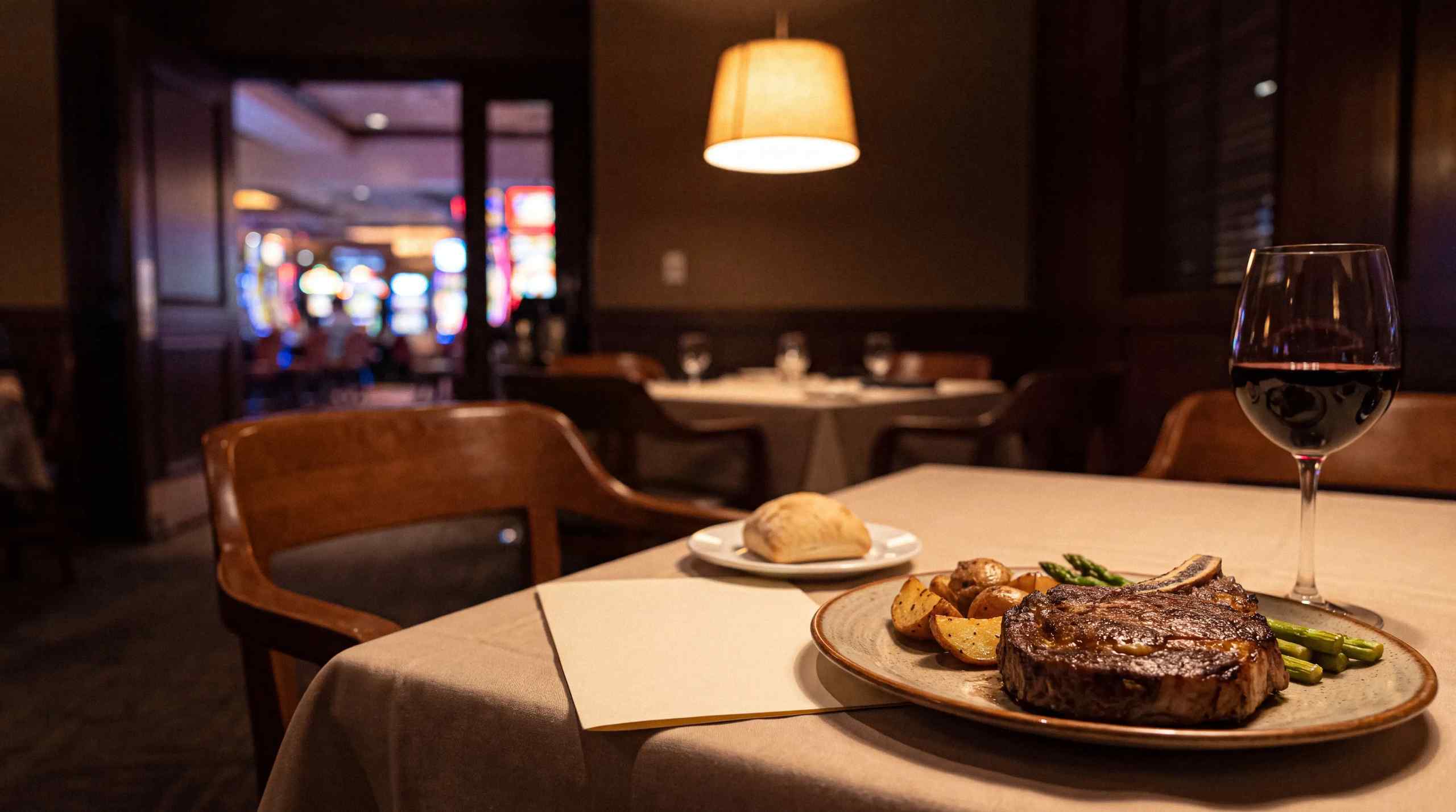
After taking a selfie beside the machine, the celebration was cut short when casino security escorted Katrina away and asked her to come back the following day. Upon returning, she learned that the machine had supposedly malfunctioned and the actual payout was just $2.25. To make up for the missing $43 million, the casino offered a steak dinner.
Katrina hired attorney Alan Ripka, who sued Resorts World and its machine manufacturer in June 2017, seeking at least $43 million over alleged negligence and breach of contract.
But New York’s Gaming Commission confirmed the displayed amount resulted from a malfunction. The Sphinx machine’s maximum payout was only $6,500, which Ripka had initially demanded, although malfunction rules barred even that.
In 2018, a judge dismissed the negligence claims but allowed the breach-of-contract claim to proceed. Court records list a January 2025 conference, with no confirmed payout.
Phil Ivey lost his £7.7 million claim over edge sorting
The £7.7 million dispute attracted attention not only for the money involved, but because the man claiming it was Phil Ivey. In August 2012, the American poker star visited Crockfords Club in London's Mayfair district with fellow gambler Cheung Yin Sun to play punto banco baccarat.
They noticed the backs of the casino's playing cards had tiny, uneven printed edges. Feigning superstition, Sun persuaded the dealer to rotate sevens, eights and nines, distinguishing them from lower values.
A mechanical shuffler preserved those orientations, allowing Ivey to read the exposed edges and identify whether the opening draw favored player or banker. Played perfectly, the gambling technique, called edge sorting, offered a long-term 6.5% advantage over the house.
He eventually won £7.7 million, but Crockfords reviewed surveillance footage and refused payment, accusing him of cheating. Ivey sued, insisting the technique was legitimate.
In 2017, the dispute reached the UK Supreme Court, which unanimously ruled against him, finding that manipulating an unsuspecting dealer amounted to an unlawful advantage. The casino refunded his original £1 million deposit.
Golden Nugget sued its own customers over $1.5 million
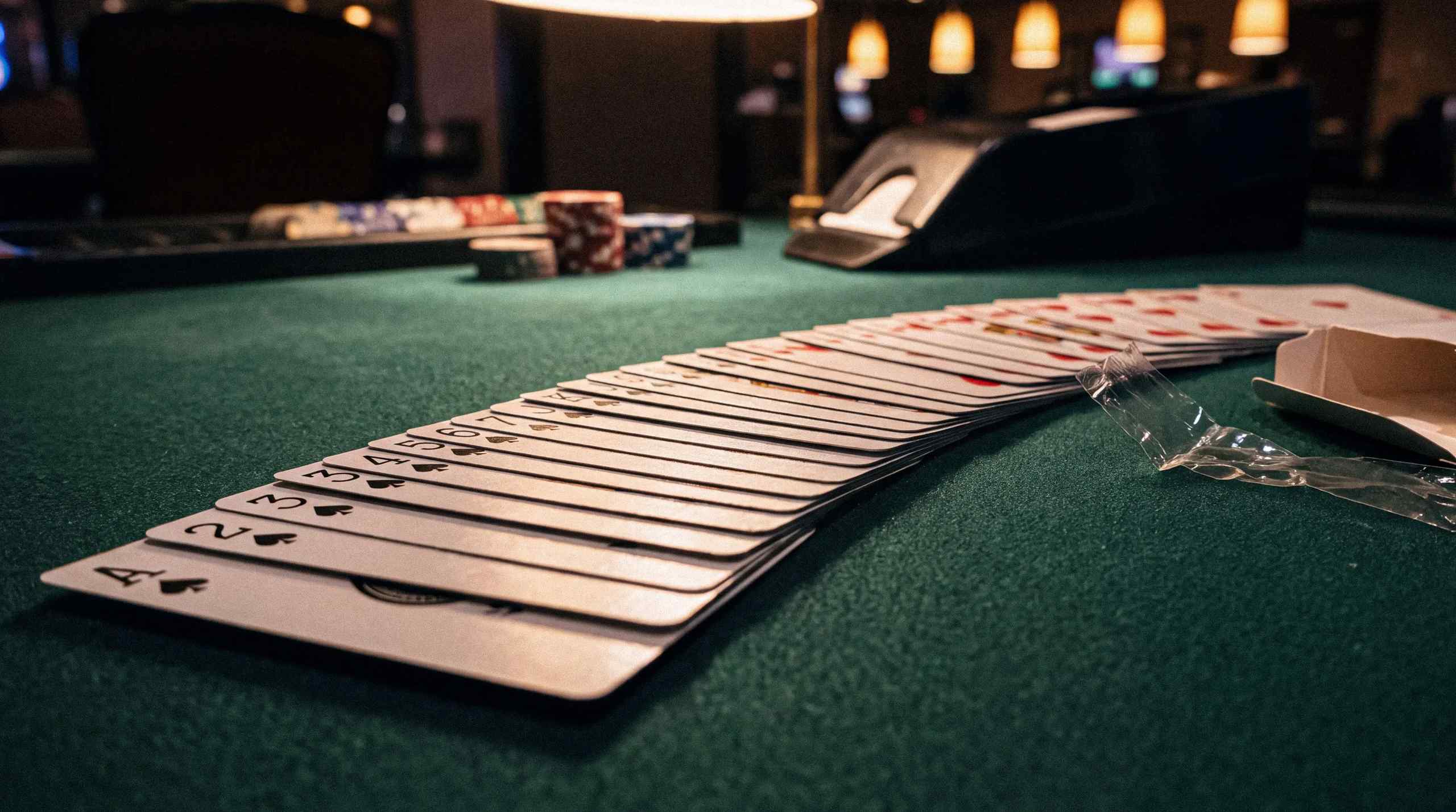
Golden Nugget’s dispute started with a mistake by the company supplying its cards. The decks were supposed to arrive pre-shuffled, ready for the Atlantic City casino’s mini-baccarat game in April 2012. Instead, the order repeated every 16 hands, and those around the table recognized the pattern.
- Players increased their wagers from $10 per round to as much as $5,000.
- Fourteen customers accumulated $1,536,700 across 41 consecutive winning hands.
- The casino paid $558,900 before withholding another $977,800 in chips awaiting redemption.
The supplier acknowledged that the cards had arrived unshuffled, after casino officials initially suspected a cheating scheme. Judge Donna Taylor ruled in February 2015 that the games violated state dealing requirements. She ordered winnings returned and initial stakes refunded.
BetMGM paid $100,000 before blocking the remaining millions
Similar disputes have also played out at online casinos, including one involving BetMGM and Michigan gambler Jacqueline Davis. Beginning March 18, 2021, she played Luck O’ the Roulette over five days, escalating wagers from $4.50 to $5,000 as her account reached $3,289,500.75.
“Pretty much every number on the table,” she told FOX 2 Detroit, describing her betting strategy. “I was losing a lot, but I was also winning a lot.” The operator approved a $100,000 withdrawal, collected at MGM Grand Detroit on March 23, then suspended access to approximately $3.2 million.
BetMGM claimed a software malfunction inflated winnings on 2.5% of Davis's plays, allowing her to finance further bets with money incorrectly credited. On the 28th turn alone, a $12.25 win allegedly generated an extra $33.24. According to court records, the operator calculated that without these errors, her balance would have reached zero around turn 368. Davis sued, and Michigan's Supreme Court reinstated her claims in July 2025. The dispute remains before the Court of Appeals, with the next briefing deadline set for December 4, 2026.
Roney Beal and the disputed $2.55 million Wheel of Fortune jackpot
Among the most recent high-profile U.S. casino jackpot disputes is the case of Roney Beal, a 72-year-old New Jersey resident and longtime Bally’s customer. On February 25, 2024, she was visiting the casino’s Atlantic City property as an invited guest when a Wheel of Fortune slot machine appeared to award her more than $2.5 million.
➡️ Read More: Do NJ Gamblers Prefer Online Casinos or Atlantic City?
As is customary when a major slot jackpot requires staff verification and a hand pay, Beal pressed the service button to summon an attendant. According to her lawsuit, only afterward did the screen display “REEL TILT.” Casino employees opened the machine using an ID card and reset key, then repeatedly pressed buttons and spun the wheel despite her objections. Staff eventually declared the $2.56 million jackpot invalid, citing a malfunction.
“When the man came over to talk to me he said, ‘Lady, get it in your head, you won nothing,’” Beal told 6ABC. She also alleged the casino offered just $350 instead. In June 2024, Beal sued for the jackpot. A federal judge subsequently dismissed her negligence claim with prejudice under the economic loss doctrine, leaving a breach-of-contract dispute. The latest court development saw U.S. Magistrate Judge Elizabeth A. Pascal administratively close the federal lawsuit pending an investigation into the disputed jackpot by the New Jersey Division of Gaming Enforcement.
Who gets involved when a casino refuses payment
When someone hits a major jackpot, casinos normally verify the result before authorizing payment, often through a hand-pay process involving staff. But if something appears suspicious or the winnings are contested, the next steps depend on state regulations.
In Nevada, for example, operators must immediately notify the Gaming Control Board of unresolved disputes involving $500 or more. New Jersey has stricter evidence-preservation requirements under N.J.A.C. 13:69E-1.31. Any unresolved disagreement involving at least $100 over an electronic gaming device's outcome requires the casino to disable the machine, preserve its game history for at least one year and photograph the displayed result before allowing further play.
There have been several cases where players successfully challenged casinos over unpaid winnings. Back in 2000, Nevada regulators sided with Sylvia Gutierrez over misaligned slot symbols, and she eventually collected $116,851, including interest. A Louisiana appeals court upheld Garrett Griggs and Stephen Livaudais’s $1.36 million award, accepting eyewitness testimony that the jackpot preceded a machine malfunction.
Of the five disputes covered above, three still have no confirmed final resolution, leaving millions in contested winnings and the possibility of further legal proceedings.
James Guill is an experienced iGaming journalist with a diverse background spanning IT, poker, and online gambling media. With over 20 years in the industry, he’s covered a wide range of gaming topics and has been featured in outlets like USA Today and G4 TV.
More Articles like this
Which US States Are Winning the $17.9B Gambling Jackpot?
As states across the country revel in the unprecedented rise in record-breaking gaming tax revenues, find out why it’s paying dividends for America’s costly public services.

By Stuart Hughes
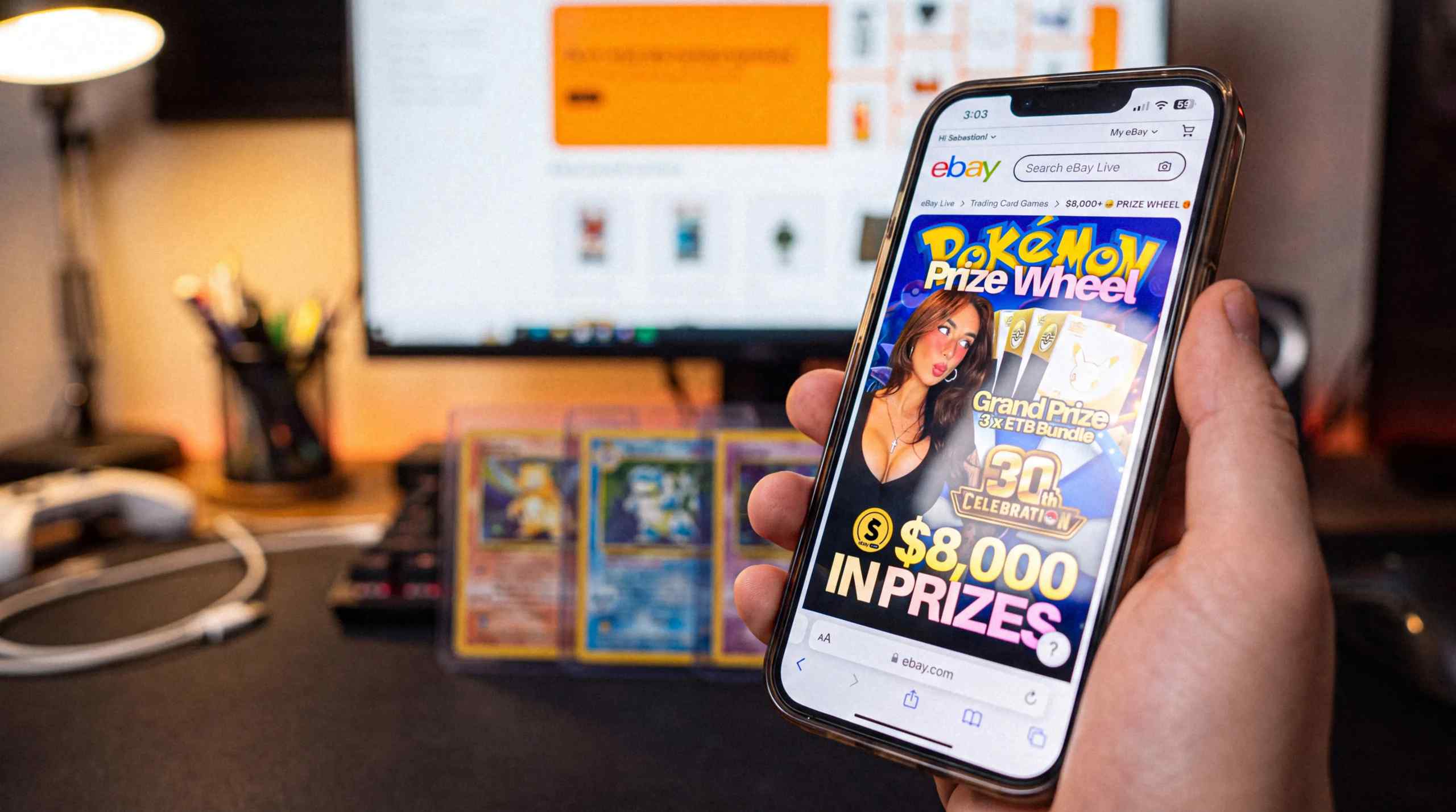
Are eBay's "Spin the Wheel" Listings Just Gambling?
A corner of eBay Live auctions off wheel spins instead of actual items. Bid starts at $1, the price climbs, and the winner finds out what they bought only after the wheel stops. Here's why that's not really shopping.
By Cole Rush
Casino Carpets Are Ugly. But Not for the Reason You Think
Casino carpets have long been accused of keeping gamblers disoriented and glued to the games. The truth is considerably more practical, though just as strange.

By Cole Rush
The Strange Gambling Laws Behind Cruise Ship Casinos
Cruise ship casinos only open once a ship clears territorial waters, and the odds, oversight, and rules that follow are nothing like a Vegas floor. Here's what actually changes at sea.

By Cole Rush
Six Reasons Bettors Are Starting to Ditch Credit Cards
States are increasingly questioning whether borrowed money has any place in gambling. From instant interest to damaged credit, the risks can extend far beyond the bet itself.
By Charlon Muscat
How Subscriptions Use Gambling Psychology to Hook You
Streaming services, apps, and subscription boxes may look nothing like a casino, but many tap into the same psychological forces that make gambling so hard to walk away from.

By Cole Rush