

Do Gambling Systems Actually Work? Here’s the Truth
Some systems promise guaranteed profit, while others claim to exploit real edges. The difference comes down to math, discipline, and how quickly risk can spiral out of control.

Gamblers have always searched for a way to beat the house. Whether it is incorporating a betting system or using a “guaranteed profit” strategy, many believe they have a way to consistently profit where many have failed.
Systems like the Martingale have been around for centuries, while newer approaches like bonus grinding and arbitrage betting have gained popularity alongside online casinos and sportsbooks. The rise of gambling content online has only added to the confusion. It’s easy to find videos and guides claiming that certain systems “always work,” but these claims often blur the line between short-term success and long-term reality.
The truth sits somewhere in the middle. Some techniques are fundamentally flawed and rely on misunderstanding probability, while others can offer small, legitimate advantages under the right conditions. The key is knowing which is which and why. Today, we’ll look at some common gambling systems, why they appeal to gamblers, and whether they actually work.
Why Gambling Strategies Are So Appealing
Gambling strategies appeal to players because they offer a sense of control. The outcomes of casino games are random, and people naturally look for patterns or systems to add predictability. Betting systems provide structure. They give players a plan to follow, making losses feel temporary and wins repeatable.
Many players misunderstand probability. They believe that outcomes “balance out” in the short term, which leads to flawed ideas like expecting a win after a losing streak.
The reality is that most gambling strategies are designed around psychological comfort rather than mathematical advantage. They feel logical, but often don’t change the underlying odds.

Common Gambling Techniques (Explained and Evaluated)
Below are some of the common gambling techniques used by online gamblers. This is not a comprehensive list, but one that you’ll see recommended most often, particularly by online influencers or gaming sites.
Martingale System
How It Works
The Martingale system is a simple doubling strategy. After every loss, you double your bet. When you eventually win, you recover all previous losses plus the profit on your last bet.
Why It Appeals
The Martingale system appeals to players because it “guarantees a profit” when you finally win, giving the illusion that losses are temporary.
The Reality (Math)
The problem with this system is exponential risk. A losing streak can quickly lead to massive bets. Table limits and bankroll constraints make it impossible for most players to sustain this system indefinitely. The game’s house edge does not change, but your risk of ruin is extremely high.
Verdict
Misleading. It may work in the short term but fails in the long term, often with catastrophic results.
Paroli System (Reverse Martingale)
How It Works
Rather than doubling your bets after losses, you double them after wins. The goal is to ride winning streaks while limiting losses during losing streaks.
Why It Appeals
It feels safer than the Martingale because you are not chasing losses, and it appeals to players who prefer to ride winning streaks.
The Reality (Math)
Your risk is lower than with Martingale, but the house edge in games does not change. Winning streaks are unpredictable, and most sessions will not produce the winning streaks needed to generate meaningful profit.
Verdict
Limited use. You can manage variance with this strategy, but it does not give you an edge.
Oscar’s Grind
How It Works
In Oscar’s Grind, you look to recover losses by increasing bets by one unit after each win, while keeping the same bet after a loss. Your goal is to reach a small profit target for each session.
For example, if you want to win $5 in a $1 per hand blackjack session, here’s how the system would work.
Wager | Result | Total Profit | Action |
$1 | Win | + $1 | Increase bet by 1 |
$2 | Win | +$3 | Increase bet by 1 |
$3 | Lose | $0 | Keep same bet |
$3 | Lose | -$3 | Keep same bet |
$3 | Lose | -$6 | Keep same bet |
$3 | Win | -$3 | Increase bet by 1 |
$4 | Win | +$1 | Only four units needed to reach goal, keep same bet |
$4 | Win | +$6 | Stop – Goal Reached |
Note: In this system, your goal is an exact profit target. If increasing a bet will result in you overshooting a goal, you must adjust that bet to meet the target.
Why It Appeals
It feels controlled and less risky than aggressive systems like Martingale. Betting doesn’t escalate quickly during losing streaks.
The Reality (Math)
While Oscar’s Grind reduces volatility, it doesn’t eliminate the house edge. Long losing sessions can still drain a bankroll, and turning a profit can be a slow grind, hence the name.
Verdict
Misleading. While lower risk than Martingale, it can still lead to big losses, and profits are limited.
Bonus Grinding (Advantage Play)
How It Works
In this system, players use casino promotions, such as deposit matches, free bets, or free spins, to generate positive expected value. Players minimize risk by meeting bonus requirements and cashing out.
Why It Appeals
This strategy can actually produce profit when executed successfully. The edge comes from bonuses, not from the games played.
The Reality (Math)
Bonus grinding can provide a small edge, but it requires discipline, careful game selection, and strict adherence to bonus terms. Mistakes can quickly erase your advantage.
Verdict
Legitimate, but only in the right circumstances. In some cases, the long-term profit may not justify the time required to execute the strategy.
Arbitrage Betting
How It Works
Arbitrage betting is a sports betting strategy that involves placing bets on all outcomes of an event across multiple sportsbooks when the total bets are lower than the payout. For example, if you bet $1 on BetOnline for the Mets to win, paying $2.50 and then $1 on BetUS for the Mets to lose, paying $2.50, you are guaranteed a profit of $.50.
Why It Appeals
It offers a mathematically guaranteed return when executed correctly, making it one of the few true “no-risk” strategies in theory.
The Reality (Math)
Arbitrage opportunities are rare and often short-lived. Limits, account restrictions, and slow execution can reduce or eliminate profits. Many sportsbooks also flag or restrict accounts that consistently exploit these opportunities.
Verdict
A legitimate system, but opportunities are rare. Sportsbook restrictions can make scaling difficult, and you may risk being banned from certain sportsbooks.

Which Strategies Actually Work (If Any)?
The only strategies that provide a real edge are those that leverage external factors. Bonus grinding can be profitable when promotions favor the player and are executed carefully. Arbitrage betting is mathematically sound, but it’s difficult to maintain due to limited opportunities and platform restrictions.
Most traditional betting systems, such as the Martingale system, do not overcome the house edge. They only change how bets are structured, not the underlying probabilities. In most cases, they increase your “risk of ruin” or the likelihood that you will go broke.
Other betting systems fall into the category of variance management rather than edge creation. These systems may influence short-term outcomes, but they do not change long-term expectations.
The Core Problem: House Edge Doesn’t Disappear
The main problem with gambling systems is that they do not eliminate the house edge. Every casino game is designed with a built-in advantage for the house, and no betting system or strategy can completely remove it.
Short-term wins can create the illusion that a system is working. You might double your money using Martingale or hit a streak with Paroli, but these outcomes are driven by luck. Variance will ultimately eliminate those wins and likely result in massive losses.
In the end, there isn’t a betting system that can guarantee a profit. The house edge is in place to guarantee the casino a profit. If a system actually existed that could beat the house edge of a game, casinos would find a way to reclaim their edge, either by changing game rules, adding decks, or adjusting any other factor to shift the odds back in their favor.
Betting systems may seem like they’re giving you control over wins and losses, but they don’t eliminate the house advantage. Ultimately, the illusion falls to the reality that the house always wins.
Why These Systems Persist
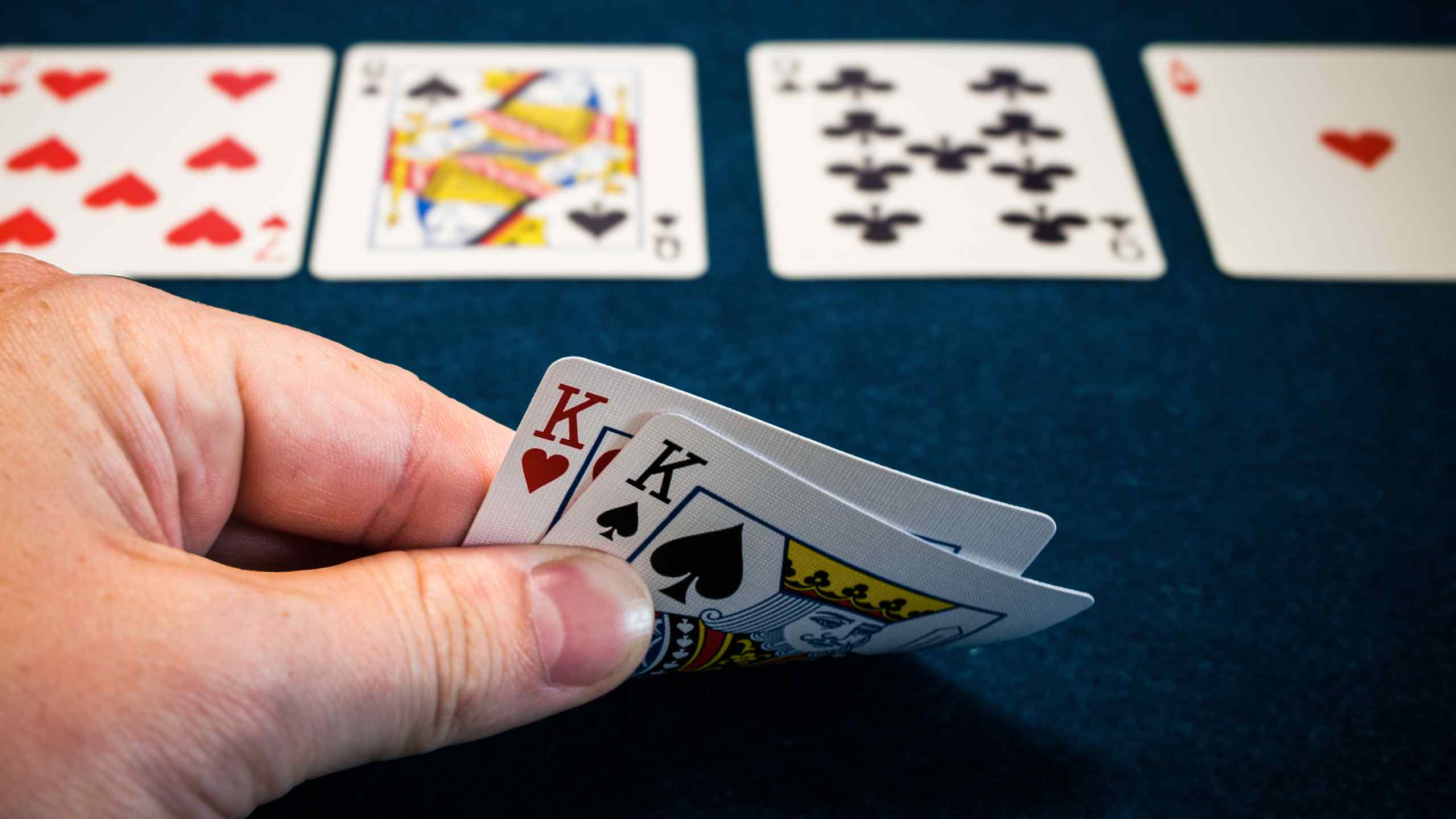
If most betting systems fail, then why do players continue to use them? There are several reasons, usually driven by feelings or short-term luck.
One reason is survivorship bias. Players who experience short-term gambling success are more likely to share their results. Those who lose tend to stay quiet because they don’t want others to label them as losers.
Selective storytelling also plays a role. It’s easy to highlight a winning session and ignore the long-term losses that follow. Short-term wins reinforce belief in a system. A few successful sessions can make a flawed strategy feel reliable, even when the underlying math and overwhelming evidence say otherwise.
Finally, probability is often misunderstood. Many players assume that past outcomes influence future results, leading to confidence in systems that rely on patterns or streaks.
A True Edge or Just Managing Risk?
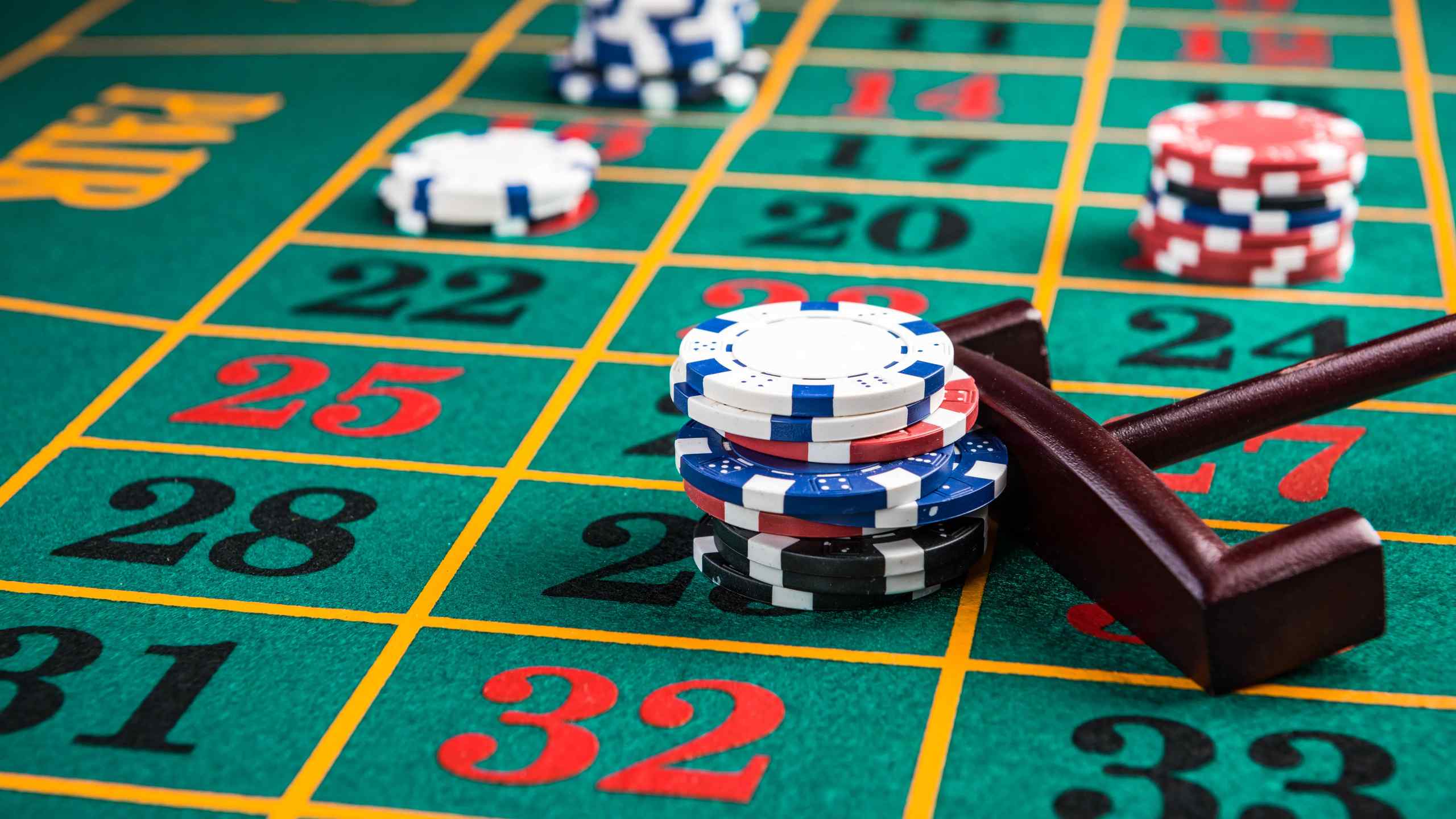
Most gambling strategies do not work long-term because they fail to overcome the house edge. A small number of approaches, such as bonus grinding and arbitrage betting, can provide limited advantages when executed carefully, but they require discipline and are not scalable for most players. The key difference is understanding whether a strategy creates a real edge or simply changes how risk is managed. Once you recognize the difference, it becomes much easier to separate useful techniques from misleading ones.
James Guill is an experienced iGaming journalist with a diverse background spanning IT, poker, and online gambling media. With over 20 years in the industry, he’s covered a wide range of gaming topics and has been featured in outlets like USA Today and G4 TV.
More Articles like this
Are eBay's "Spin the Wheel" Listings Just Gambling?
A corner of eBay Live auctions off wheel spins instead of actual items. Bid starts at $1, the price climbs, and the winner finds out what they bought only after the wheel stops. Here's why that's not really shopping.

By Cole Rush
Casino Carpets Are Ugly. But Not for the Reason You Think
Casino carpets have long been accused of keeping gamblers disoriented and glued to the games. The truth is considerably more practical, though just as strange.

By Cole Rush
The Strange Gambling Laws Behind Cruise Ship Casinos
Cruise ship casinos only open once a ship clears territorial waters, and the odds, oversight, and rules that follow are nothing like a Vegas floor. Here's what actually changes at sea.

By Cole Rush
Six Reasons Bettors Are Starting to Ditch Credit Cards
States are increasingly questioning whether borrowed money has any place in gambling. From instant interest to damaged credit, the risks can extend far beyond the bet itself.

By Charlon Muscat
How Subscriptions Use Gambling Psychology to Hook You
Streaming services, apps, and subscription boxes may look nothing like a casino, but many tap into the same psychological forces that make gambling so hard to walk away from.

By Cole Rush
The Best Gambling Songs Ever Written, Ranked
From Kenny Rogers to Sting, these seven songs go beyond casino clichés to capture the risk, psychology and obsession behind gambling.

By Cole Rush