
Slots 101: Four Things Every New Player Should Know
Slots look like pure chance from the outside, but four mechanics quietly shape every session. Here's what RTP, volatility, bonus features, and bet sizing actually mean before you hit spin for the first time.
%20(1).webp)
Slots feel random because they are. But "random" isn't the same as "unknowable." Four numbers and terms determine what a machine's particular version of random actually looks like, and once you know them, every spin, from your first to your last, makes a lot more sense.
It's also worth knowing what you're walking into: slot machines alone generated more than $37 billion in U.S. commercial gaming revenue in 2025, roughly three-quarters of all traditional casino gaming revenue.
RTP: The Long-Term Average
RTP stands for return to player, the percentage of all wagered money a slot is designed to pay back over the long run. Most online slots run somewhere between 94% and 98% RTP, and licensed operators have to keep that number accurate and on file. Nevada's Gaming Control Board, for example, requires every slot machine's theoretical payback percentage to be approved and documented with the state before it ever hits a casino floor, and the board publishes hold-percentage data by denomination every month.
Here's the part that trips people up: RTP is a long-run average, not a per-spin rule, and the math doesn't "correct" itself the way people assume. A 96% RTP machine could theoretically pay out its biggest jackpot twice in a row, back to back, on the very next two spins after you sit down. Nothing about the math forbids it. Each spin is an independent event with no memory of the last one, no sense that it "owes" anyone a win because of what happened three spins ago. What RTP actually describes is where the results trend over millions of spins, not what happens in any one session. It's a mathematical tendency, not a guarantee, and definitely not a countdown clock ticking toward a payout you're "due" for.
Volatility: How the Payout Feels
Volatility measures how a slot pays out, separate from RTP entirely. Two machines can carry the identical 96% RTP and feel like completely different games. One delivers a steady drip of small wins. The other sits quiet for long stretches, then spikes. RTP tells you how much a machine pays back over time. Volatility tells you how bumpy the ride is on the way there.
Volatility Cheat Sheet
| Volatility Level | Win Frequency | Typical Win Size | Best For |
|---|---|---|---|
| Low | Frequent | Small | Longer sessions, stretching a bankroll, low-drama play |
| Medium | Moderate | Moderate | A balance of steady action and occasional bigger hits |
| High | Rare | Large | Players chasing big swings who can stomach dry spells |
Bonus Features: Where the Big Money Hides
Free spins, multipliers, and pick-a-prize bonus rounds are how most modern slots deliver their biggest payouts. A slot loaded with bonus features often runs higher volatility, since a meaningful chunk of the total payout is parked in the bonus round instead of spread through the base game. A game might feel dead for two hundred spins and then hand back half its RTP in a single free-spins round with stacked multipliers.
That's worth knowing before you judge a slot as "cold." The base game might be running exactly as designed while the real payout sits behind a bonus trigger that hasn't hit yet.
Bet Size: The One Thing You Actually Control
RTP and volatility are baked into a game before you ever load it. Bet size is the one variable that's fully in your hands, and it works through a few moving parts most new players never look at.
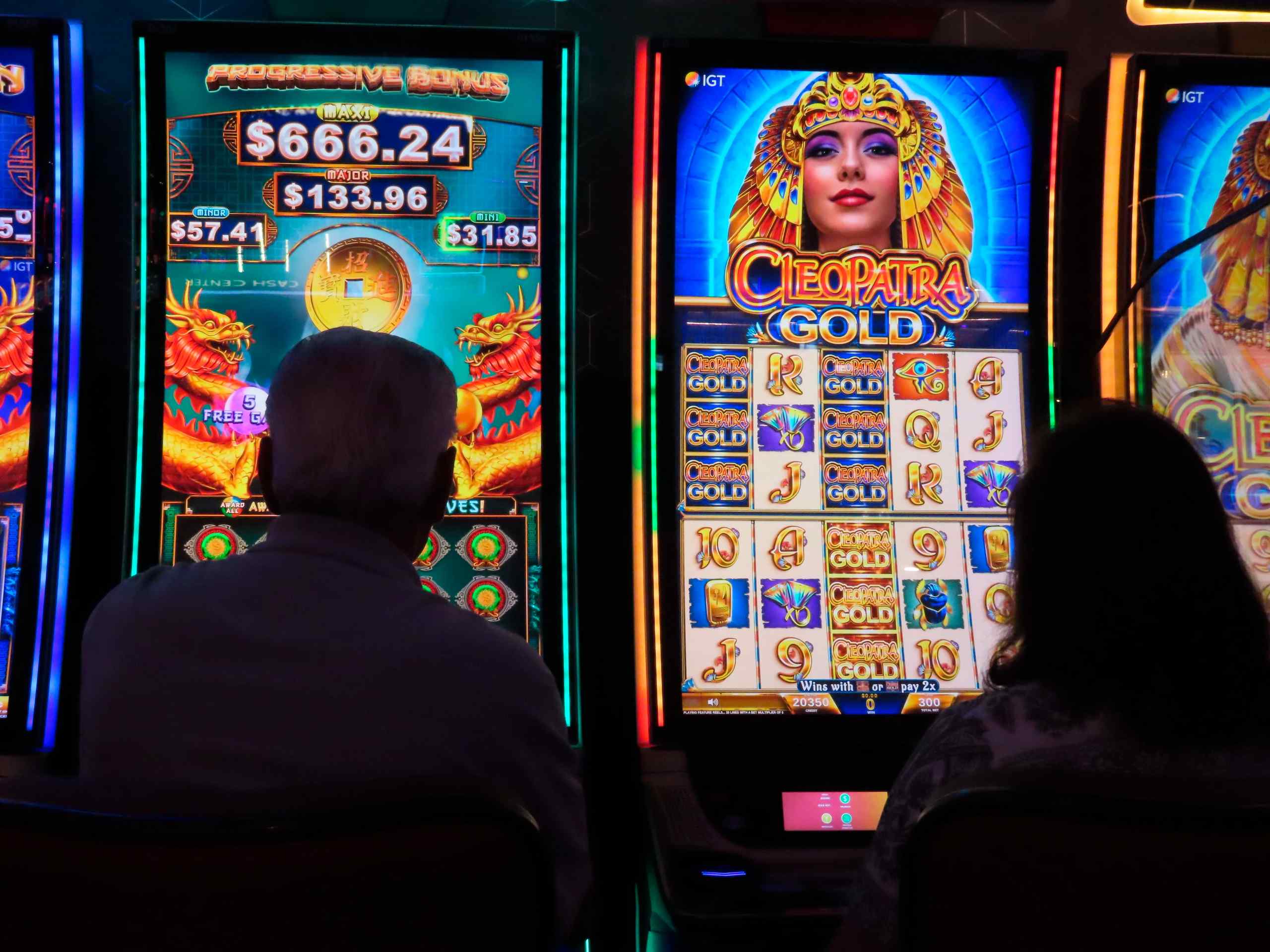
Every slot runs on a denomination, the dollar value of a single credit, separate from your total bet per spin. Denominations typically range from a penny up to $25 or more on high-limit machines, and most games let you adjust both the denomination and the number of credits wagered per line or per spin. Stack those together, and the same game can play as a $0.40 penny spin or a $100 max-bet spin depending on how the denomination and bet level are set, all on the exact same machine.
Max bet matters for a reason beyond just risking more money per spin. On some machines, specific bonus features or progressive jackpots are only available at max bet or above a designated qualifying wager. Bet below that line and you can still play and still win base-game prizes, but you're not eligible for the game's top prize at all. This isn't universal; most modern slots pay out every feature regardless of bet size, but on the games where it does apply, it's often buried in the paytable rather than the marketing. It pays to actually check before assuming a small bet gets full access to everything the machine offers. Betting bigger can also unlock bet-level multipliers on some machines, but it burns through a bankroll faster and shrinks the number of spins you get to actually see the game's design play out.
Putting It Together
None of these four things predict any single spin. RTP, volatility, bonus design, and bet size don't tell you what happens next. They tell you what kind of experience you're signed up for. A low-volatility, high-RTP penny slot and a high-volatility, bonus-heavy dollar slot can carry similar math and feel nothing alike. Once you've got the vocabulary down, matching a specific game's volatility profile to the session you actually want gets a lot easier, whether that's a quiet weeknight at the online casino or a bigger swing on a weekend trip.
Cole Rush is a freelance writer, crossword constructor, and creative tinkerer with more than 10 years of experience writing about anything and everything. Cole’s primary area of expertise is the gambling industry, covering the expansion of sportsbooks and online casinos alongside emerging spaces like sweepstakes casinos and prediction markets.
More Articles like this
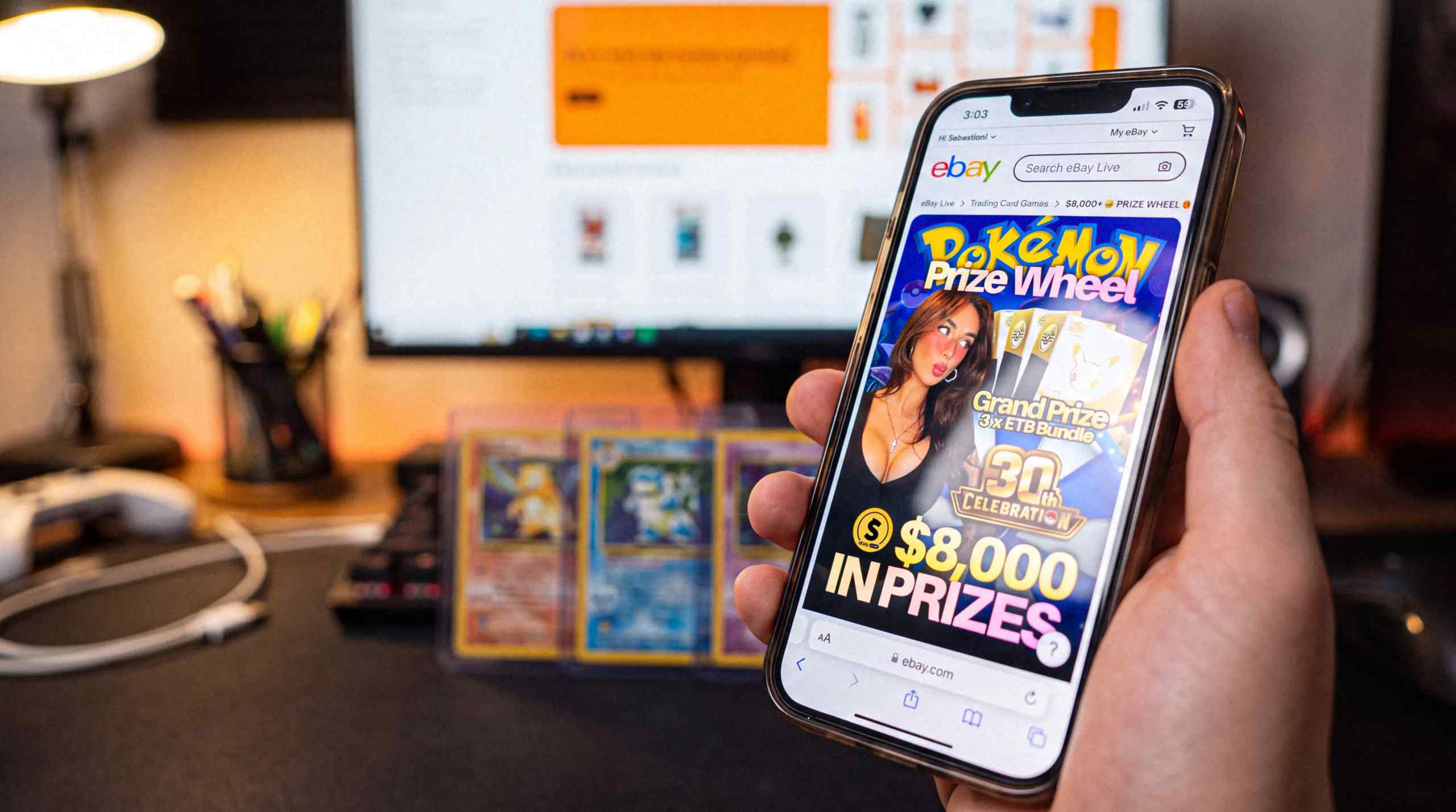
Are eBay's "Spin the Wheel" Listings Just Gambling?
A corner of eBay Live auctions off wheel spins instead of actual items. Bid starts at $1, the price climbs, and the winner finds out what they bought only after the wheel stops. Here's why that's not really shopping.
By Cole Rush
Casino Carpets Are Ugly. But Not for the Reason You Think
Casino carpets have long been accused of keeping gamblers disoriented and glued to the games. The truth is considerably more practical, though just as strange.

By Cole Rush
The Strange Gambling Laws Behind Cruise Ship Casinos
Cruise ship casinos only open once a ship clears territorial waters, and the odds, oversight, and rules that follow are nothing like a Vegas floor. Here's what actually changes at sea.

By Cole Rush
Six Reasons Bettors Are Starting to Ditch Credit Cards
States are increasingly questioning whether borrowed money has any place in gambling. From instant interest to damaged credit, the risks can extend far beyond the bet itself.

By Charlon Muscat
How Subscriptions Use Gambling Psychology to Hook You
Streaming services, apps, and subscription boxes may look nothing like a casino, but many tap into the same psychological forces that make gambling so hard to walk away from.
By Cole Rush
The Best Gambling Songs Ever Written, Ranked
From Kenny Rogers to Sting, these seven songs go beyond casino clichés to capture the risk, psychology and obsession behind gambling.

By Cole Rush