

From Bogus Bars to Visa Fails: AI’s Worst Travel Advice
From fake attractions to disastrous visa advice, these real-world AI travel planner fails show why every recommendation still needs checking.

We get it, planning a vacation isn't anywhere near as fun as grabbing your passport and going away, so the concept of outsourcing the hard graft to AI bots like ChatGPT, Gemini, or Claude sounds ideal, right?
Not necessarily, as this shortlist of some of AI's most spectacular fails might just inspire you to stick to the old-fashioned approach of consulting Google Maps, guidebooks, and, crucially, using common sense thinking.
What Happens When an AI Travel Planner Gets It Wrong
For some, the allure of chucking in your interests, a rough budget, and a set of available dates into a chatbot to be rewarded with a once-in-a-lifetime dream vacation sounds too good to be true. Yet, securing your digital privacy before going away is one thing; risking your life based on some automated travel advisory is another, as these cautionary tales reveal.
The Peruvian Tourist Attraction That Never Existed
Now, being sent to a fictitious attraction in downtown Manhattan would be considered inconvenient; doing so in the Andes Mountains in Peru based on an AI recommendation is another matter entirely. As was the case when two intrepid hikers embarking on a trek to one of Peru’s best-kept secrets were warned by a local guide just as they set off that the place actually doesn’t exist.
Believing they had found a true Peruvian bucket-list destination and having forked out an extra $160 for the privilege, the unassuming tourists were all set to hike to the epic-sounding "Sacred Canyon of Humantay." Fortunately for them, fate saved them that day, as this particular AI travel tip would have left them stuck 4,000 meters above sea level with no oxygen supply and no phone signal to alert rescuers either.
ChatGPT Said No Visa Required But Chilean Customs Officers Said Think Again
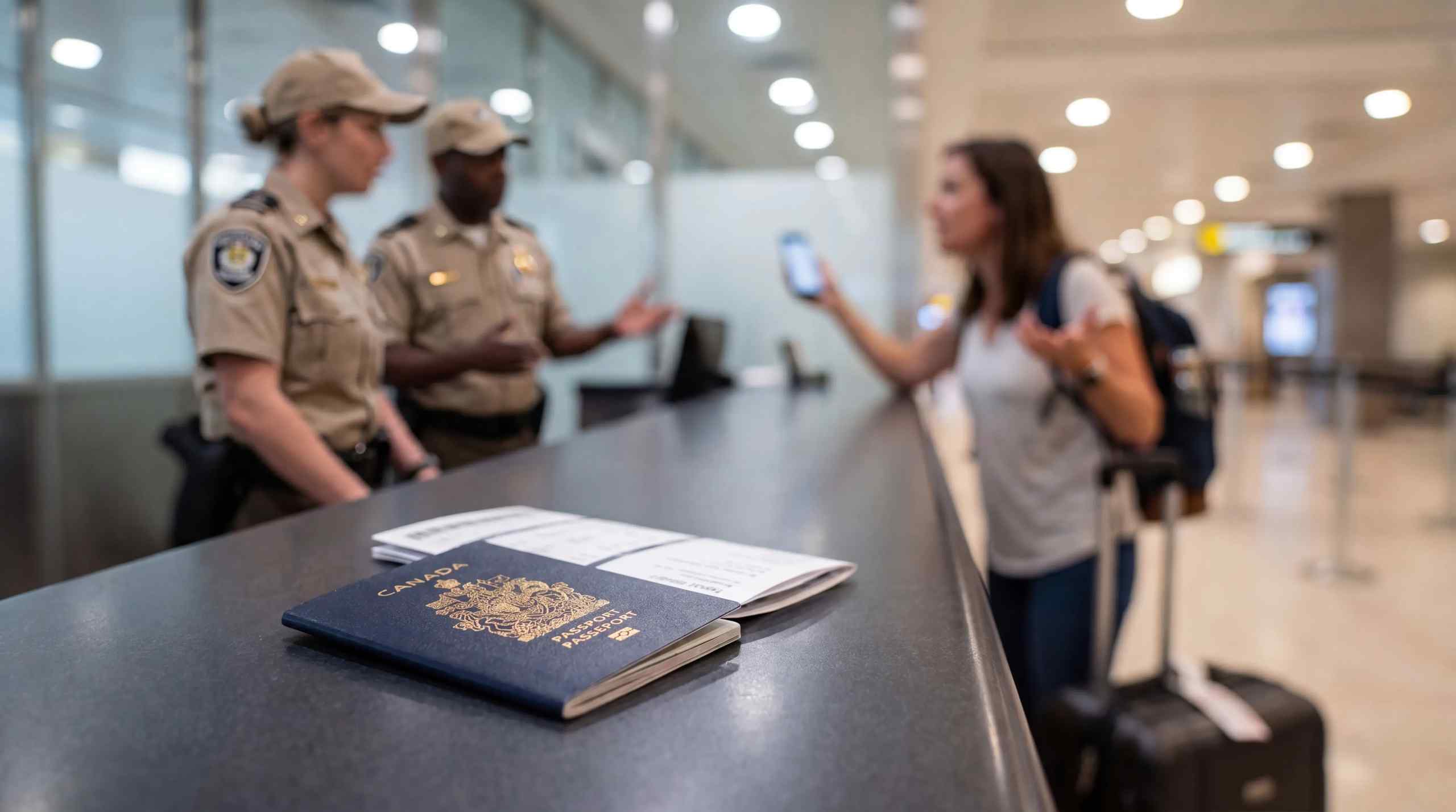
Perhaps one of the best examples of flawed AI travel planner advice going awry happened to Australian marketing strategist and author Mark Pollard, who unwittingly trusted ChatGPT's assurances regarding his visa requirements to enter Chile. This decision reportedly left him stranded in Mexico City after he was unable to board his flight to Chile, meaning he missed the conference he was due to attend.
Embarrassingly for Pollard, the incident turned out to be serious enough for Australia's Department of Foreign Affairs and Trade to publicize the blunder, warning travellers of the dangers of blindly following AI travel responses.
A Relaxing 1,400km "Day Trip" in Vietnam
In this instance, a Singaporean traveler tasked Notion AI with building an exciting 12-day travel itinerary for her trip to Vietnam, which, on the face of it, looked impressively comprehensive. The only problem being, was that her AI guide had scheduled in a quick day trip to Ba Na Hills while she was based in Hanoi… the only thing is, it’s a 1,400km round trip there and back.
We're sure you'll agree that that's not quite the relaxing day trip most of us would expect to be advised to take, unless you prefer your travel escapades to constitute a proper endurance workout.

The Magical Restaurant That Vanished into Thin Air
Fortunately, the next AI-inspired indiscretion was rather more comical than it was concerning, as one travel writer, Jordan Waller, discovered upon requesting recommendations during a magic-themed getaway to Lisbon, Portugal. All seemed well until ChatGPT suggested the writer try out the Palácio do Mago in the heart of the city, a popular haunt where local magicians were regularly said to perform.
The only problem was… this particularly apt Lisbon travel tip turned out to be nothing more than a wild ChatGPT hallucination - a startling revelation the chatbot eventually conceded to after being pressed for more details of the establishment’s dazzling credentials.
Other AI Travel Planner Fails That’ll Make You Laugh
Okay, so not every AI travel foible will leave you stranded in the Andes Mountains or having to share screenshots with Chilean immigration officials to justify your visit, but there are several chatbot gaffes that have gone viral, if only because of the rather hilarious circumstances involved.
One of the funniest, and more glaringly obvious examples of this was Layla AI Trip Planner’s suggestion that, for a time, Paris’ Eiffel Tower was actually located in Beijing, China.
Another was a laughable dining recommendation made by ChatGPT for a family with a baby visiting the Faroe Islands, which named the Michelin-starred KOKS restaurant as a glamorous suggestion: hardly suitable for infants to start with, but made worse because it had since relocated across the water to Greenland.

It’s Not Just Us: Even the Biggest Travel Firms Have Suffered from Major AI Goofs Too
Don’t for a second think that it’s just us punters who are prone to relying on AI to solve our travel dilemmas either. On the contrary, airlines and global travel companies have all fallen foul of AI’s unwittingly Machiavellian suggestions at one point in time.
A case in point was Air Canada, which was ordered to pay compensation to a customer after its own AI chatbot had declared he was eligible for a refund in relation to the airline's discounted bereavement fare - which turned out not to be the case.
Similarly, in countering these types of AI-infused errors, leading online booking platforms like Airbnb and Expedia now have dedicated disclaimer pages stating that machine-generated responses may be inaccurate and prone to making mistakes: handy to know ahead of purchasing your airline tickets in future.
Planes, Trains & AI Travel Hallucinations
Why Is Travel Such a Difficult Problem for AI? To be honest, the fundamental problem with AI chatbots is that while they are ultra-efficient in generating suggestions at the drop of a hat, sometimes the resources they draw from can be misconstrued or, more often than not, simply out of date. At the same time, their inspiring travel-themed suggestions are superbly worded to sound very convincing, even when the underlying claim may be totally nonsensical.
Worse still, in an effort to please, if AI can’t distinguish an actual answer, as with Palácio do Mago it has a really bad habit of making things up. This is all well and good when you turn up at an address, and the restaurant you had planned to eat in doesn’t exist, but it’s an entirely different matter when AI recommends climbing an active volcano.
The Things You Really Shouldn’t Leave to an AI Travel Planner
Whether you’re planning a dream Caribbean vacation or attending an event following the latest sports tourism trend, the number one rule when utilizing an AI travel planner to help plan your trip… always independently check every aspect of your itinerary. This can range from basic chatbot advice like hotel and restaurant recommendations to more complex matters such as travel insurance, vaccinations, visa requirements, not to mention the terms and conditions of any booking policies.
The AI Travel Booking Danger Signs
| Never Trust AI With | What Can Go Wrong | Trust Instead |
|---|---|---|
| Visa & entry regulations | Refused entry into a country | Government/embassy websites |
| Booking flights and transport | Purchase non-refundable tickets | Official booking platforms |
| Safety & local laws | Serious danger or complex legal troubles | Government travel advice |
| “Hidden gem” destinations and attractions | You turn up somewhere that doesn't exist | A business's own website & contact details |
| Live transport information | Missed planes, trains, buses, & ferries | Transport operator's website |
Wherever you plan to go and whatever you plan to do, there is no doubt that AI can help you with the heavy lifting - the only caveat to this is to do so by verifying the information provided before you book anything.
If you don’t, in the best-case scenario, you’ll have a funny travel anecdote to share when you get home, but in the worst case, you may be risking your life or putting yourself at risk of legal jeopardy while abroad.
Stuart Hughes is a London-based freelance journalist covering sports, travel, lifestyle, and technology. He’s worked with brands like Lenovo, Best Western, and Frontier Airlines, bringing a global perspective shaped by years of travel.
More Articles like this
One Vegas Weekend, 10 Years Apart: An 82% Price Surge
A weekend in Vegas costs a lot more than it did a decade ago. We priced the same hotels, meals, and entertainment in 2016 and 2026 to see just how much.

By Charlon Muscat
From NYC to Melbourne: Four Ultimate Sports Vacations
From New York to Melbourne, these four cities offer much more than a game ticket, combining iconic venues, major events, sightseeing, food, and nightlife into a bucket-list sports vacation.

By Bill Gelman
6 Luxury Vacation Destinations That Are Astonishingly Affordable
So, you thought you needed to be rich to vacation like a billionaire? Well, check out these glamorous destinations that famously deliver lavish getaways for far less than you think.

By Stuart Hughes
What to Do Before You Travel With Betting Apps
A little preparation can save you from blocked access and login errors. Knowing how sportsbooks track location helps you stay ahead of the most common problems.
By Charlon Muscat
Long Layover? Here’s When You Should Actually Leave the Airport
Flight delays and lengthy airport layovers are part and parcel of flying these days, so why not seize the chance to head off for a spontaneous adventure outside the airport instead?

By Stuart Hughes
Travel Destinations Where Grown-Ups Still Get To Feel Wonder
Wonder isn't just for kids at a theme park. These five U.S. destinations, from a surreal art maze to a 300-foot redwood grove, are built (or grown) to make grown-ups feel it too.

By Cole Rush