

Digital Security: Protecting Your Data, Accounts, and Online Life
Your passwords, accounts, and personal data are more exposed than you think — here's how to protect your digital life without becoming a tech expert.

Most hackers don't need sophisticated tools. They need the password you've been using since secondary school, and the fact that it unlocks your betting account, your banking app, your email, and half the services tied to your daily life. That's not a security gap. It's a welcome mat.
Digital security is no longer a niche concern for IT professionals. It's a modern life skill, as fundamental as knowing not to hand your wallet to a stranger. Phones now store banking credentials, payment methods, private conversations, and login access to dozens of services. Losing control of a single account can trigger a chain reaction that affects far more than most people expect.

One compromised login rarely stays contained. A cracked entertainment password reveals a saved payment method. That payment method leads to your email. Your email leads to every other account tied to it. In a connected digital ecosystem, security failures spread quickly.
For people who live large portions of their lives online, tracking sports, managing digital wallets, participating in online communities, or using entertainment platforms, protecting accounts and personal data becomes even more important. The Digital Security section exists to explore that landscape. Rather than focusing only on technical jargon or worst-case scenarios, this section looks at the practical side of online safety: the habits, tools, and technologies that actually protect accounts, devices, and personal data in everyday situations.
Understanding the Modern Digital Security Landscape
Security risks in 2026 rarely involve dramatic Hollywood-style hacking scenes. Most breaches happen through far simpler methods: stolen passwords, phishing links, or reused login credentials circulating in massive data dumps.
Because so many digital services are interconnected, attackers don't need direct access to a financial account to cause damage. They only need a starting point. Once they gain access to one account, automated tools can attempt logins across dozens of other services within minutes.
That's why digital security today revolves less around complex defensive software and more around smart habits and layered protection. Password managers, multi-factor authentication, network security, device security, and privacy awareness work together to create barriers that slow or stop automated attacks.
This section explores those layers in practical terms: what they do, why they matter, and how everyday users can apply them without becoming cybersecurity experts.

What You'll Find in the Digital Security Section
Digital security is a broad topic, and most people encounter it through scattered advice: a warning about phishing here, a reminder about passwords there. The goal of this section is to bring those conversations together into a clearer picture of how modern digital protection actually works in today's complex digital threat landscape.
Coverage in this section includes:
Account security fundamentals: How password managers, passkeys, multi-factor authentication, and access management help protect online accounts from common attack methods like credential stuffing and social engineering.
Privacy and data protection: Understanding how apps collect sensitive data, how personal information circulates online, and how users can limit unnecessary exposure and improve data protection through data governance and security controls.
Security tools and technologies: Explaining the role of encryption, secure coding practices, virtual private networks (VPNs), security cameras, intrusion detection, and network security in everyday digital life.
Myth-busting and scam awareness: Breaking down common misconceptions about cybersecurity and highlighting the tactics threat actors use across social platforms, messaging apps, and online communities, including phishing and AI systems exploitation.
Rather than presenting security as a technical discipline, the goal is to treat it as a practical skill set for navigating connected environments, protecting digital assets, and responding to emerging threats with continuous monitoring and proactive risk reduction.
Why Digital Security Matters in Connected Entertainment and Gaming
For users of online entertainment platforms, including sports communities, gaming environments, and betting platforms, strong digital security habits are particularly important.
These environments, including sports betting platforms, combine financial transactions, personal data, and active online communities, making them attractive targets for phishing campaigns, account takeover attempts, and impersonation scams.
Bodog operates within a global digital entertainment ecosystem where protecting user accounts, payment information, and personal data is a core priority. Alongside platform-level protections, responsible users also play an essential role in safeguarding their accounts through good digital security practices.
This section regularly explores how security intersects with digital entertainment environments, from protecting betting accounts and financial transactions to identifying common scams circulating in online communities. It also emphasizes the importance of access control, multi-factor authentication, and real-time threat detection in protecting sensitive data and preventing cyber attacks.
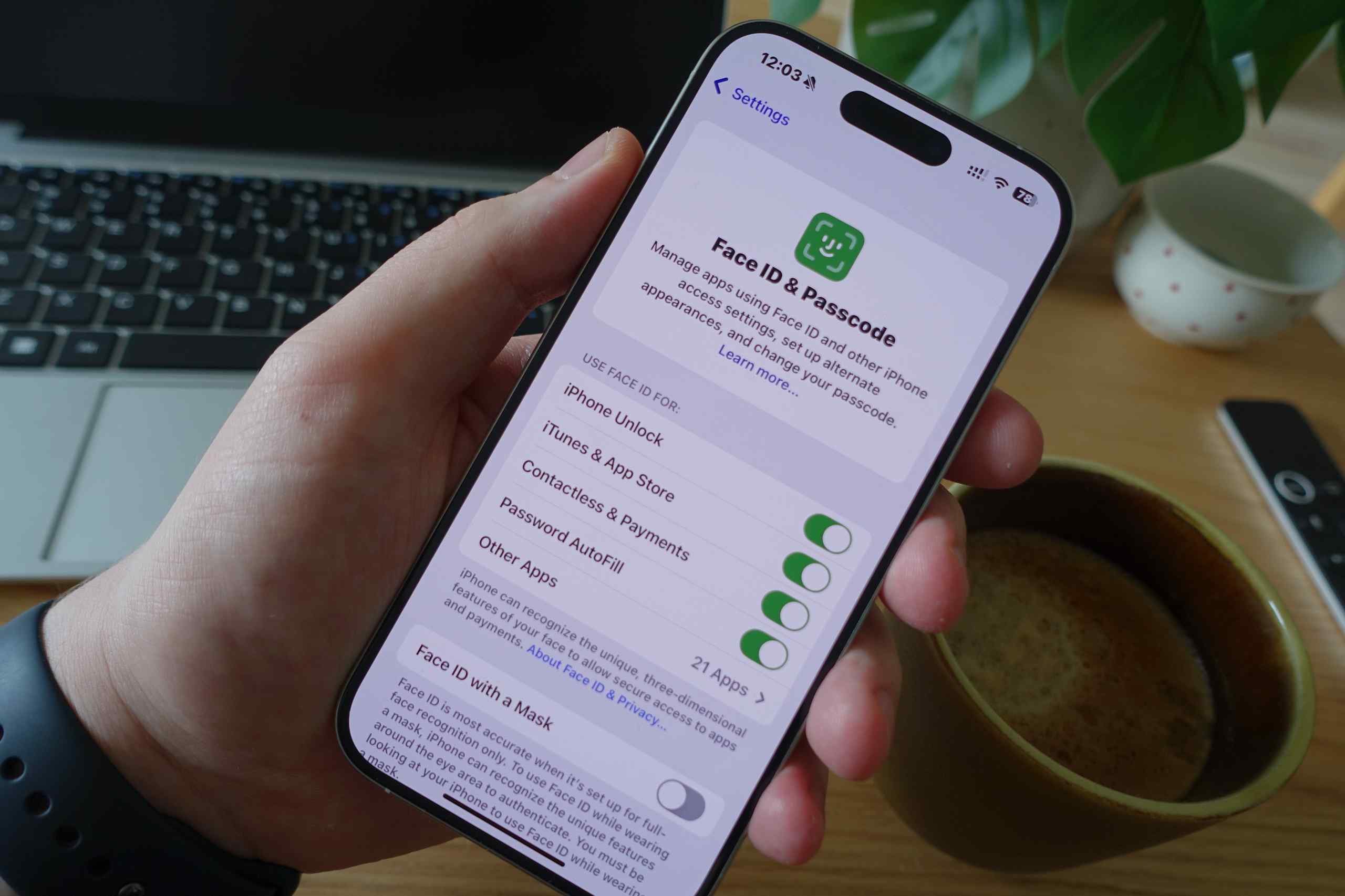
By understanding and applying security processes such as endpoint security, cloud security, and identity security, users can better protect sensitive company data and reduce vulnerabilities. Staying informed about cybersecurity trends and employing tools like virtual private networks, biometric authentication, and patch management further strengthens defenses against evolving security threats.
Embracing these security technologies and proactive risk management strategies helps users navigate the complex landscape of online entertainment safely, ensuring their critical systems and communication channels remain secure.
The Role of Responsible Digital Habits
Technology continues to evolve, but many of the most effective digital security defenses still come down to user behavior.
Using unique passwords, enabling multi-factor authentication, verifying suspicious messages, and protecting devices with endpoint security may sound simple, but these steps dramatically reduce exposure to the most common types of cyber attacks.
Digital security ultimately works much as physical security does. Locks, alarms, web application firewalls, and surveillance systems reduce risk, but awareness and good habits complete the system.
Understanding how cyber threats work, and how everyday security measures such as access control, cloud security, and mobile device management can prevent them, is the foundation of staying safe online in today's evolving threat landscape.
Bodog Delivers the Bottom Line on AI Trends
Artificial intelligence is neither magic nor meaningless hype. It is a rapidly evolving set of tools; AI continues to combine genuine breakthroughs with ambitious marketing. While some AI systems dramatically accelerate workflows, boost efficiency, and reveal valuable insights through advanced data analysis and computing power, others offer smaller improvements wrapped in bigger promises.
The most reliable way to understand AI and its impact on business and industries is not through headlines but through experimentation. This section explores that process by testing tools, examining recent AI trends, and separating useful innovation from noise. In a fast-moving landscape, the real competitive advantage lies not in blind enthusiasm or total skepticism, but in curiosity and the ability to adapt to new ways of working with AI.
For example, AI agents are increasingly acting as digital coworkers, helping teams tackle complex tasks and decision-making at a faster pace. To learn more about AI's progress and its role in transforming enterprises, explore our Tech Hub, Smart Tech, and Digital Security sections to see how emerging technologies are shaping everyday digital life.
The Bodog editorial team is comprised of experts in the iGaming, Sportsbetting, Lifestyle, Travel Wellness and Casino space.
More Articles like this
Do AI Detectors Like Pangram, ZeroGPT, Grammarly Actually Work?
There are plenty of AI detectors out there – including Pangram, ZeroGPT, Grammarly – but do any of them actually work? The answer might surprise you.

By Cole Rush
Could the NBA's Smart Ball Change Basketball Forever?
The NBA is testing a sensor-equipped ball in preseason games. It won't change a single call this fall, but it points toward faster reviews and fewer officiating arguments.

By Cole Rush
Apple's $3,199 iPhone Duo Is Even Pricier Than You Think
Apple's new $3,199 iPhone Duo is the priciest iPhone ever. But even after adjusting nearly two decades of Apple pricing for inflation, the size of the gap is surprising.
.webp)
By Cole Rush
Gambling Technology Trends: 5 Technologies That Changed the Industry
From RNGs and live dealer streaming to geolocation and AI, these gambling technology trends transformed the industry—and could help shape what comes next.

By Charlon Muscat
10 iPhone Battery Tips That Bust Common Battery Myths
Your iPhone can chew through battery even when nothing seems to be happening. Plenty of old-school tips barely help, while others kill the features you paid for in the first place.

By Charlon Muscat
Could GTA VI Bring Back Casinos? Here’s What We Know So Far
GTA VI has lottery signs and gambling references, but Rockstar hasn’t confirmed a casino. Here’s what the clues and GTA’s history tell us so far.

By Charlon Muscat