
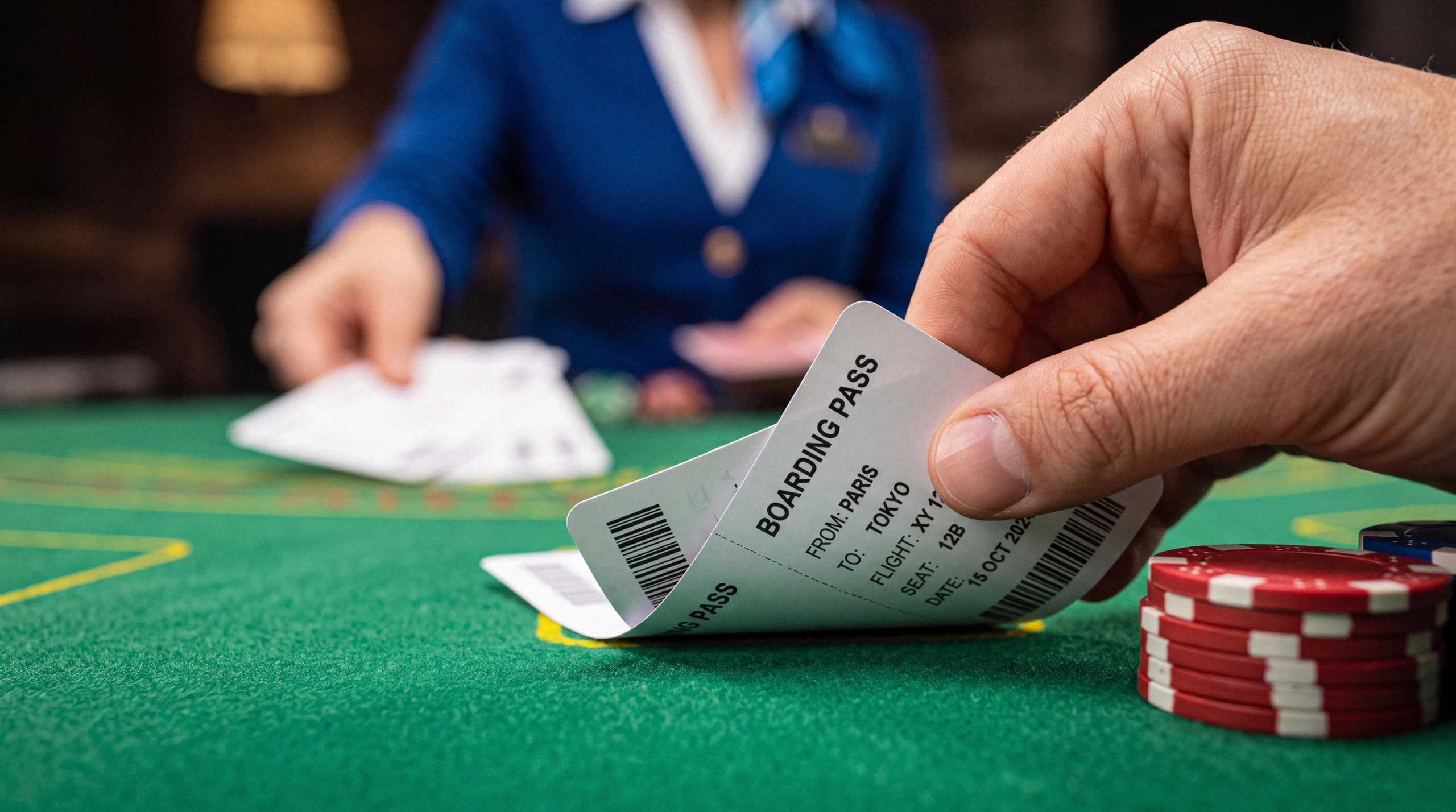
Airfare Isn't a Puzzle. It's a Bet, and the Airline Sets The Odds
The Tuesday-booking myth is dead. What's left is a harder truth: airline pricing is a real-time algorithm setting odds against you, not a puzzle with a hidden answer. Here's how to bet it smarter.
%20(1).webp)
Airline booking advice is all over the place.
- Book on a Tuesday
- Clear your browser cookies
- Search in incognito mode
Every one of those travel tips has been passed around for years like it's insider knowledge, and every one of them is debunked by cold, hard data.
Multiple 2026 studies, from Going, NerdWallet, and Expedia's own newsroom, agree there's no magic day that guarantees the cheapest airfare. So if there's no code to crack, what exactly are travelers doing when they refresh a search page hoping the price drops?
They're betting, and the airline is the house.
I promise that's not a cute metaphor stretched to fit my usual "Life's A Gamble" purview. It's closer to literal than most people realize once you look at how airline pricing actually works.
The Airline Is Running the Book
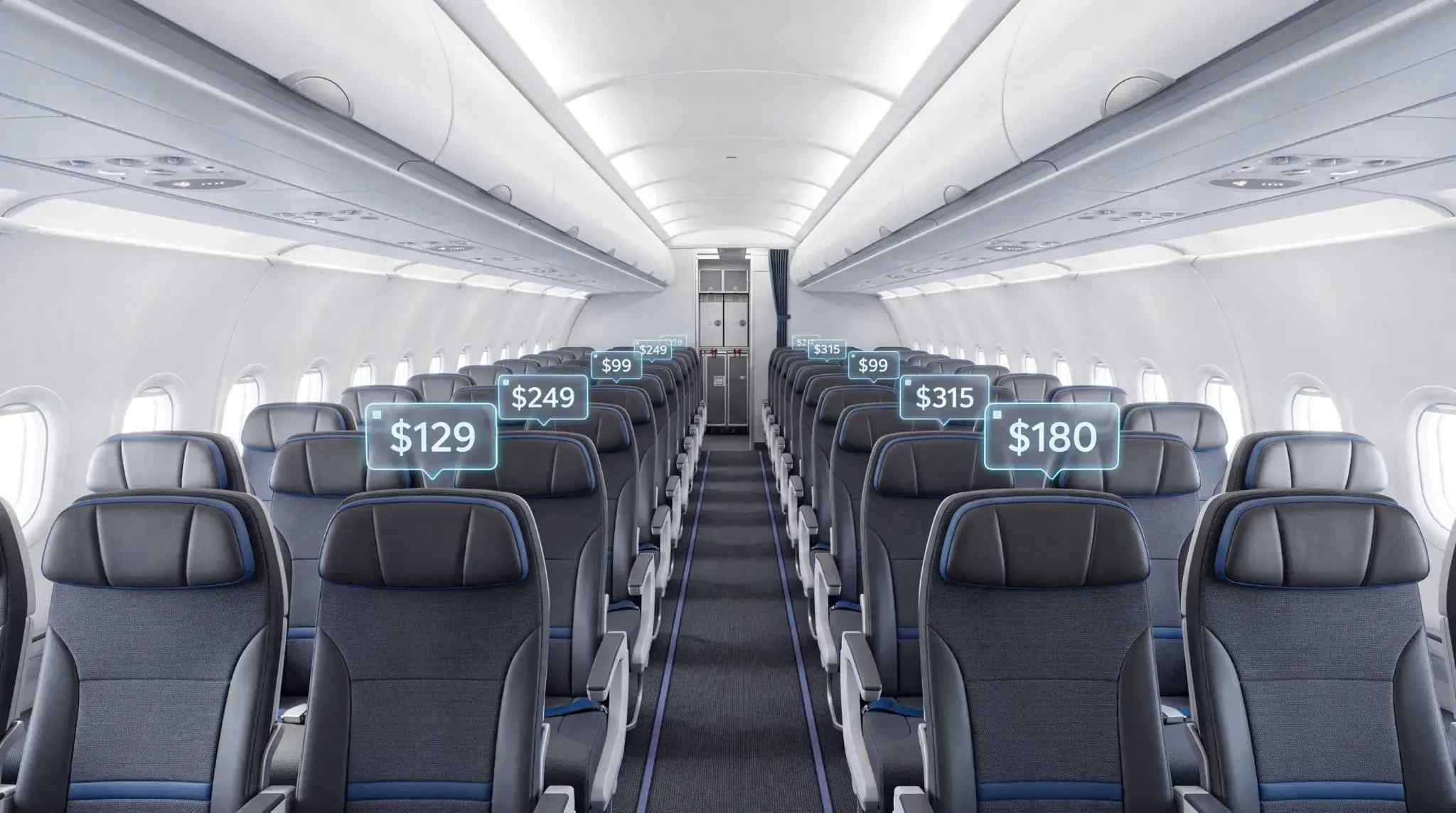
Modern airfare doesn't come from a printed price list. It comes from a revenue management system that recalculates constantly.
It pulls in tons of data points, including demand signals, available seats in a given cabin, how close the flight is on the calendar, and competitor pricing. All these points are used to formulate the price you see on any given day.
As a flight's inventory sells down, typically once a cabin crosses somewhere around 80% sold, the system starts pushing remaining seats into higher price tiers.
Wait too long and the algorithm has already priced in the fact that you're running out of opportunities to book elsewhere.
According to IATA's own research on dynamic pricing, airlines are moving further in this direction. Some carriers are testing fully continuous pricing models that generate an individualized offer for nearly every search rather than pulling from a fixed set of fare buckets.
This essentially turns airfare from a static shelf price into a moving line like you’d see at a sportsbook. It’s almost the exact mechanic a sportsbook uses when it shifts a spread because too much money is landing on one side.
Why the “Book on a Tuesday” Myth Refused to Die
The myth stuck around because it occasionally looked true. Prices genuinely do fluctuate hour to hour, so somebody, somewhere, always books a cheap Tuesday fare and tells everyone about it.
That’s mostly coincidence and a bit of fallacy. Nobody remembers the Tuesday fares that were expensive. That's survivorship bias, the same mental shortcut that keeps every gambling superstition alive, from lucky numbers to hot slot machines.
Our brains are pattern-hunting organic machines using a system with far more variables than a single day of the week, and a simple rule feels better than admitting the system is mostly impossible to game.
The actual research settles it.
Day of the week barely moves the needle compared to how far ahead you book and how demand is trending on that specific route. Chasing a "good day" is chasing bunk advice like your buddy’s “sure thing” that ends with an empty balance.
What Actually Shifts the Odds?
None of this means travelers are powerless, but it means the real edge looks different than the folklore suggests.
The booking window that consistently holds up in 2026 data runs roughly one to three months out for domestic flights and two to eight months out for international ones, tied to how airlines release and price inventory in stages rather than any calendar superstition.
A few tools function as a genuine hedge instead of a guess:
- Fare-tracking alerts that watch a route for you
- Flexible date searches that widen the net instead of fixating on one departure day
- Friday tends to run cheaper than Sunday for domestic flying, per Expedia's 2026 Air Hacks Report, with Tuesday and Wednesday seeing the lightest passenger traffic overall.
See the difference? That's about which day to fly, not which day to book. Conflating the two is exactly how the Tuesday myth got started in the first place.
None of it touches the rest of the trip either, the boarding rituals and airport routines that shape how the day actually feels regardless of what the ticket cost.
Airfare Booking Myths Examined
| Claim | Verdict | What the Data Shows |
|---|---|---|
| Book on Tuesday for the cheapest fare | Myth, busted | Day of booking has negligible effect versus lead time and demand trends |
| Book 1-3 months out for domestic flights | Real window | Matches how airlines stage and price inventory release |
| Book 2-8 months out for international flights | Real window | Longer booking curve, same staged-inventory logic |
| Friday is the cheapest day to fly | True, different claim | That's travel day, not booking day |
The Gambler's Fallacy Wearing a Pilot Hat
One flight-booking behavior bears more than a passing resemblance to gambling psychology: waiting indefinitely for a fare to drop further, certain that a better number is one more refresh away.
That's the same math as chasing a loss at a table.
At some point the expected value of waiting turns negative. The fare that was available last week is gone, the flight is closer to full, and the "better price" you were betting on never lands.
Bettors know this instinct by name. Travelers rarely do, because nobody's told them the fare screen is playing the same game as a sportsbook line.
That's the piece the standard travel advice leaves out. It's not that the traveler has no information, it's that the traveler is negotiating against a system built specifically to know more than they do.
Sounds like a house edge?
It sure does.
The Bottom Line
Airfare was never a puzzle with a hidden correct answer sitting behind the right day of the week. It's a live, adversarial market, run by an algorithm that adjusts faster than any traveler can outguess it.
The people who consistently do better aren't the ones who found a secret; they're the ones who understood which game they were actually playing and bet accordingly:
- Real booking windows
- Real tracking tools
- Willingness to stop waiting once the expected value turns against them
That discipline matters more every year as the travel boom reshapes what's worth booking and when, and the traveler who treats airfare like a bet instead of a puzzle is the one who (occasionally) comes out ahead.
Cole Rush is a freelance writer, crossword constructor, and creative tinkerer with more than 10 years of experience writing about anything and everything. Cole’s primary area of expertise is the gambling industry, covering the expansion of sportsbooks and online casinos alongside emerging spaces like sweepstakes casinos and prediction markets.
More Articles like this
Are Airport Lounges Actually Worth Paying For?
Crowded rooms, tighter access rules, and rising fees have changed the lounge math. Our break-even calculation shows which travelers should still pay for access.

By Cole Rush
Is Fall Travel Still a Bargain? Not Everywhere
Fall used to mean cheaper flights and thinner crowds. In 2026, lodging in top U.S. cities runs 20% above summer. Here's where autumn still wins on price, weather, and crowds.

By Cole Rush
One Vegas Weekend, 10 Years Apart: An 82% Price Surge
A weekend in Vegas costs a lot more than it did a decade ago. We priced the same hotels, meals, and entertainment in 2016 and 2026 to see just how much.

By Charlon Muscat
From NYC to Melbourne: Four Ultimate Sports Vacations
From New York to Melbourne, these four cities offer much more than a game ticket, combining iconic venues, major events, sightseeing, food, and nightlife into a bucket-list sports vacation.

By Bill Gelman
6 Luxury Vacation Destinations That Are Astonishingly Affordable
So, you thought you needed to be rich to vacation like a billionaire? Well, check out these glamorous destinations that famously deliver lavish getaways for far less than you think.

By Stuart Hughes
What to Do Before You Travel With Betting Apps
A little preparation can save you from blocked access and login errors. Knowing how sportsbooks track location helps you stay ahead of the most common problems.

By Charlon Muscat