

Is Fall Travel Still a Bargain? Not Everywhere
Fall used to mean cheaper flights and thinner crowds. In 2026, lodging in top U.S. cities runs 20% above summer. Here's where autumn still wins on price, weather, and crowds.
%20(1).webp)
For years, the travel advice fit on a sticky note: skip summer, go in the fall. Then Expedia ran the numbers for this season. Across the 10 U.S. destinations its customers searched most, fall lodging averages 20% more than summer, and flights run 2% higher. That's the reverse of a shoulder-season deal.
So is autumn still the smart pick? For flexible travelers, mostly yes. For anyone who assumes fall means cheap, not anymore.
Why Fall Built Its Reputation
Shoulder season is the stretch between peak and off-peak, and AAA Northeast says it typically brings lower prices, fewer crowds, and milder weather. In the U.S., September and October fit the mold. Kids are back in school, families stop traveling, and the summer heat breaks.
The savings used to be real. In 2023, Hopper found September and October domestic fares averaging 29% below the summer peak, with hotel rates down about 5%. Numbers like that trained a generation of travelers to wait for the leaves to turn.
Is Fall Actually Cheaper in 2026?
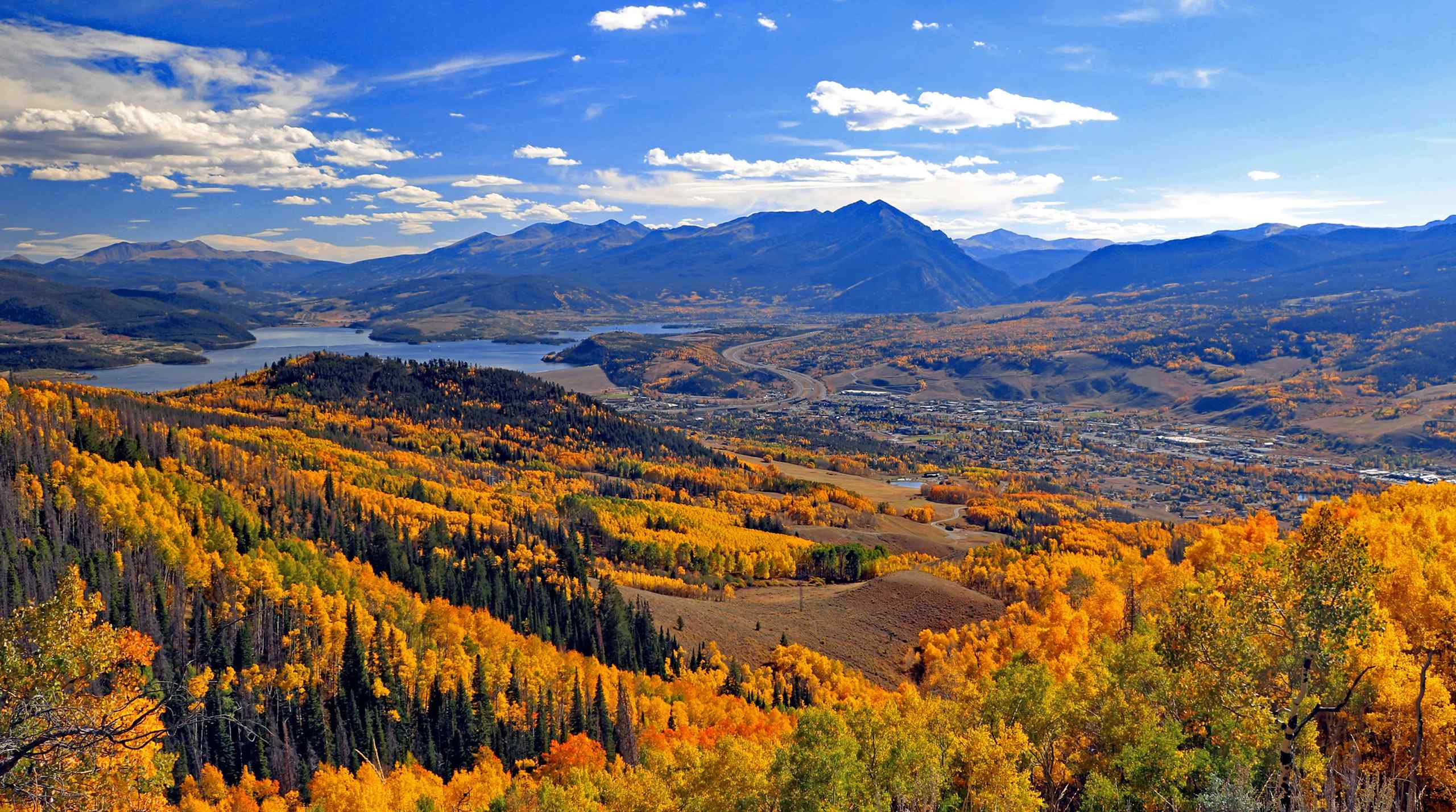
It depends on where you're going. Expedia compared travel from September 7 through November 26 with late May through early September. In big, popular destinations such as New York, Las Vegas, and Orlando, summer demand spilled into fall and kept prices high.
Pockets of savings survive. Expedia flagged six places where fall still beats summer on combined lodging and flights: Aspen (about 45%), Anchorage (about 40%), Fort Walton Beach, Florida (about 30%), San Diego (about 15%), Honolulu (about 10%), and Bozeman, Montana (about 5%).
Europe looks different. Kayak's September data for travelers departing from France shows economy flights averaging €233 in September and October versus €345 in July and August, a 32% drop, with hotels down 14%. That's a European snapshot, not a U.S. forecast, and even there the discount isn't uniform. Fares to Seville ran 10% below summer. Munich fell just 1%. The old rule no longer applies everywhere, but savings remain in select mountain destinations and coastal escapes.
Where Fall Weather Beats Summer
Price is half the pitch. The other half is that plenty of places are miserable in July. Kayak's data shows searches for Seville, a city known for brutal midsummer heat, up 165% for September and October trips compared with July and August. AAA Northeast's booking data points to Florida, Alaska, Italy, Ireland, Spain, and the Bahamas as top shoulder-season destinations, a list that mixes heat escapes with last-warm-stretch beach trips.
Closer to home, Expedia describes Aspen and Anchorage as crisp-air, fall-color trips, while Fort Walton Beach, San Diego, and Honolulu keep beach weather and lose some of the summer rush. If you're building a list, Bodog's picks for U.S. destinations that make adults feel wonder again are a good place to start.
Crowds Are Thinner, Just Not Empty
Fewer families on the road still helps. School calendars pull a big chunk of travelers out of the market after Labor Day, which can mean shorter lines and easier dinner reservations.
The cushion is shrinking, though. AAA Northeast's analysis of TSA data found October posted the largest increase in domestic passengers from 2024 to 2025, and its advisors now say to book fast if a price within six months of departure looks good. Popular foliage towns can feel as packed as any beach in July.
Where Fall Falls Short
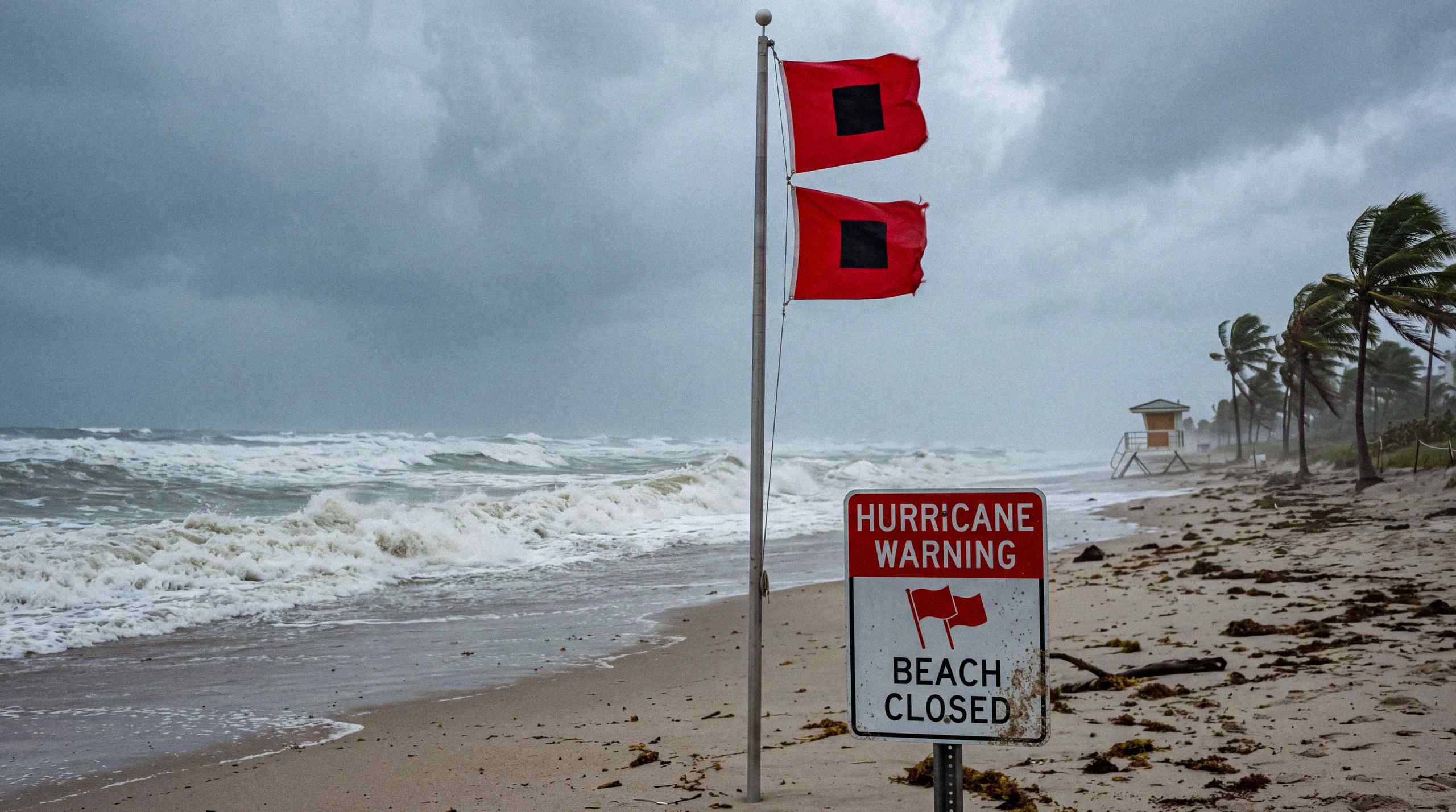
Hurricane season comes first. NOAA puts the Atlantic season at June 1 through November 30, with the peak around September 10, so Florida, the Caribbean, and the Gulf Coast carry real weather risk into October. Shorter days cut into sightseeing. Seasonal attractions close. Thanksgiving week brings its own price spike.
"Shoulder season" also means different things in different places. Aspen's, Honolulu's, and Seville's don't line up, so a deal in one tells you nothing about the others.
Fall vs. Summer at a Glance
| Factor | Summer | Fall | Advantage |
|---|---|---|---|
| Airfare | Peak pricing | About 2% higher in top U.S. destinations (Expedia); up to 32% lower on Europe trips (Kayak, France departures) | Depends on destination |
| Hotels | Peak rates | About 20% higher in top U.S. destinations; 14% lower in Kayak's Europe data | Summer in big U.S. cities; fall in Europe, Aspen, Anchorage |
| Crowds | School-break peak | Thinner, though October air travel is climbing | Fall, narrowly |
| Weather | Hot in the South and Mediterranean | Milder, but hurricane risk runs to November 30 | Fall, outside hurricane zones |
| Restaurant and attraction availability | Reservations tight, everything open | Easier reservations in many places; some seasonal closures | Mixed |
| Seasonal experiences | Beaches, festivals, long daylight | Foliage, harvest events, shorter days | Tie |
So Is Fall the Best Time to Travel?
For travelers with flexible dates who pick destinations where autumn is still the quiet stretch, yes. It's a worse bet for anyone assuming a September or October trip will automatically cost less, especially in popular U.S. destinations.
Price the same trip both ways before you book. If fall comes out even, take it for the weather and the shorter lines. If you want somewhere new to price, Bodog's list of emerging travel destinations is a decent shortlist.
Cole Rush is a freelance writer, crossword constructor, and creative tinkerer with more than 10 years of experience writing about anything and everything. Cole’s primary area of expertise is the gambling industry, covering the expansion of sportsbooks and online casinos alongside emerging spaces like sweepstakes casinos and prediction markets.
More Articles like this
One Vegas Weekend, 10 Years Apart: An 82% Price Surge
A weekend in Vegas costs a lot more than it did a decade ago. We priced the same hotels, meals, and entertainment in 2016 and 2026 to see just how much.

By Charlon Muscat
From NYC to Melbourne: Four Ultimate Sports Vacations
From New York to Melbourne, these four cities offer much more than a game ticket, combining iconic venues, major events, sightseeing, food, and nightlife into a bucket-list sports vacation.

By Bill Gelman
6 Luxury Vacation Destinations That Are Astonishingly Affordable
So, you thought you needed to be rich to vacation like a billionaire? Well, check out these glamorous destinations that famously deliver lavish getaways for far less than you think.

By Stuart Hughes
What to Do Before You Travel With Betting Apps
A little preparation can save you from blocked access and login errors. Knowing how sportsbooks track location helps you stay ahead of the most common problems.
By Charlon Muscat
Long Layover? Here’s When You Should Actually Leave the Airport
Flight delays and lengthy airport layovers are part and parcel of flying these days, so why not seize the chance to head off for a spontaneous adventure outside the airport instead?
By Stuart Hughes
Travel Destinations Where Grown-Ups Still Get To Feel Wonder
Wonder isn't just for kids at a theme park. These five U.S. destinations, from a surreal art maze to a 300-foot redwood grove, are built (or grown) to make grown-ups feel it too.

By Cole Rush