

How Gambling Took Over Video Games (And Everything Else)
Random rewards, microtransactions, and high-risk gameplay are now common across modern games. These systems increase engagement, but they also introduce the same psychological hooks found in gambling.
%20(1).webp)
In the ancient past (say, 100 years ago), gambling was relegated in the minds of the public to race tracks, casinos, and shady speakeasy craps games. Now, it’s everywhere. I mean this both in the literal sense—sportsbooks are legal in 30+ states and online casinos are spreading to new markets—and the metaphorical sense. Gambling mechanics or chance-based features are worming their way into mainstream culture. Video games have been quick to adopt gambling-adjacent trends, including loot boxes or even outright gameplay that resembles gambling.
This trend isn’t an accident. As gambling platforms like sportsbooks and casinos have proliferated, entertainment industries have taken notice. We now see gambling-related mechanics in many other sectors, most prominently video games.
Gambling mechanics aren’t confined to casinos or racetracks anymore; they are embedded across gaming, media, and culture. Let’s dig deeper into this trend and explore what it means for players.
Gambling Mechanics in Video Games
If you’re a gamer or related to one (maybe your kid or spouse is a gamer), you’ve probably seen this trend in action. Gambling mechanics have become a core facet of the gaming experience, particularly in service-based games that consistently update to keep players interested. The intersection of gambling and gaming is part of a broader pattern in which tech industries increasingly borrow behavioral design principles from one another.
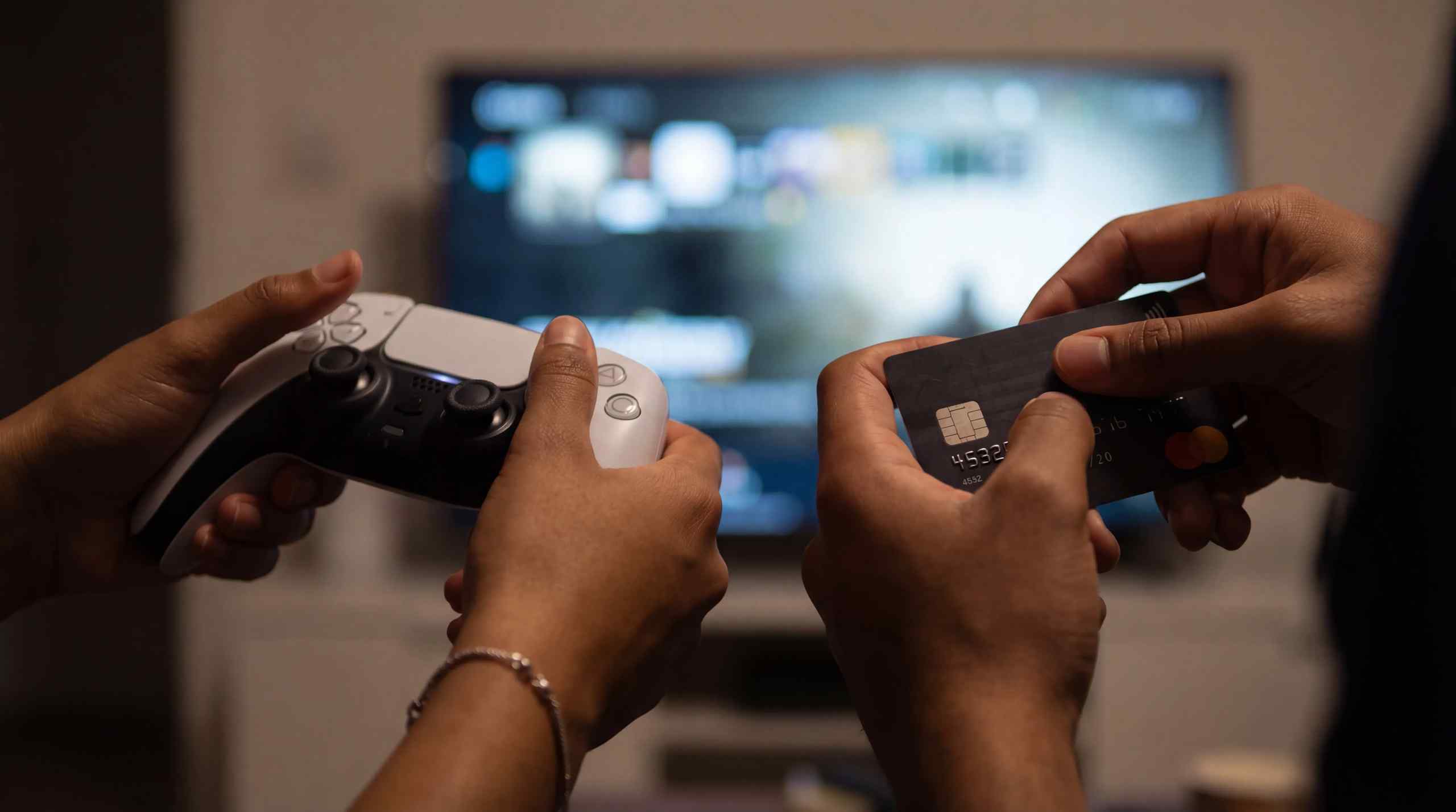
The big buzzword in this space is loot boxes, which are randomized rewards doled out to players, occasionally as in-game rewards but often for actual money. The outcome is remarkably similar to a slot machine, with the reward randomly determined after the player has paid or otherwise earned the outcome.
Similarly, microtransactions within an existing game encourage repeat spending and give small rewards in return. The in-game economy aims to earn long-term loyalty of players and push them to spend more over time. You might pay $2.99 for a character skin that does nothing to impact performance but simply “looks cool,” represents one of your interests, or serves as an in-game status symbol.
All of these systems, whether operating solo or in tandem with one another, emulate gambling principles: pay, wait, and hope.
Gameplay That Feels Like Gambling
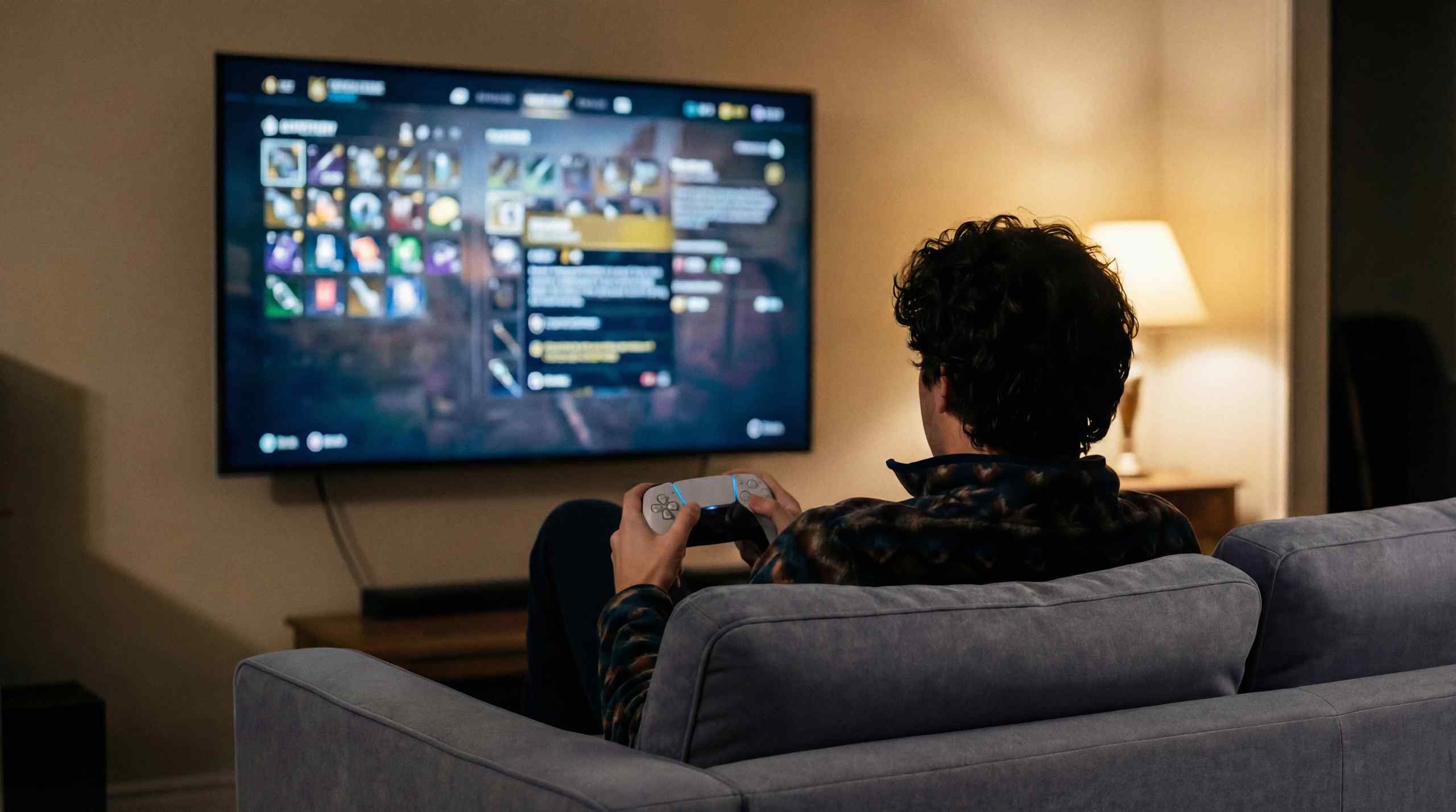
Monetization is just one way games can replicate the feel of gambling. Some titles remove the financial aspect and instead inject gambling structures into their gameplay loop.
Battle Royale games are one example. You might play with 100 players, and only one can emerge victorious. It’s a high-risk, sudden elimination format that can emulate the anticipatory rush of gambling. Fall Guys and Fortnite are two popular examples.
Another prime example is the field of games that straight-up use gambling mechanics in their gameplay. Balatro is one wildly popular example (and a personal favorite, I might add!). The game has players build poker hands with special jokers active that can increase a hand’s value. With good multipliers and high-value hands, the “number goes up” part of your brain illuminates as your score compounds. Balatro pairs that effect with flashy visuals that feel like the ringing and dinging of a slot machine on a big win.
Video game developers have unlocked one of the core facets of gambling. Uncertainty plus reward equals engagement.
How the Psychology Works
Ever play a roguelike game and lose, only to tell yourself, “It’s fine, just one more run!” Suddenly, it’s midnight and you’re four more runs deep. That’s just one example of the gambling-focused psychology at work in video games.
Rewards are variable in games based on your performance. In Balatro, you might unlock a new deck or Joker. In Hades, the resources you earn on a run can be used to get new weapons or character upgrades that will improve your next run.
There’s also the dopamine effect to consider. Our brains light up when we’re rewarded, even when we do relatively little work to earn that reward. The brain immediately seeks more, feeding into that endless loop of “one more run” I mentioned above.
On a smaller scale, some games can give us that gambling-related feeling of a near miss. Maybe a random drop shows us the reward we want, but ends up giving us something slightly different. These features are built to make us keep trying.
Gambling Is Now Mainstream
The undeniable truth is that gambling is everywhere. The expansion of sports betting has made sites like DraftKings and FanDuel household names. Online casinos are available to a lesser extent, while sweepstakes casinos fill the gaps in states without real-money online gaming.
Prediction markets are the latest development along this trend, allowing players to invest in event contracts tied to yes or no outcomes.
As all of these platforms proliferated into mainstream culture, gambling went from a niche, destination-based hobby (think Vegas weekends) to being largely accepted by the everyday zeitgeist. There’s a reason the Super Bowl is flooded with gambling product plugs and advertisements.
This trend will only continue as gambling works its way further into our lives and its mechanics bleed into other industries.
Gambling vs. Gaming Mechanics
| Feature | Gambling | Video Games |
|---|---|---|
| Random Rewards | Yes | Loot boxes, drops |
| Real-money input | Yes | Microtransactions |
| Variable outcomes | Yes | RNG systems |
| High-risk scenarios | Yes | Battle Royale formats |
| Psychological hooks | Yes | Engagement loops |
| Mix of skill and chance | Rare | Yes |
| Regulation | Highly Regulated | Limited Regulation |
| Age accessibility | 18+ or 21+ | Accessible for most ages despite ratings and guidelines |
Where This Is Headed (and Why It Matters)
The trend of gambling features making their way to other types of gaming begs the question: Are players being conditioned to think like gamblers?
I think the answer is a complicated yes, provided we explore the context. Gambling is on our minds more than ever, thanks to how much the industry pushes itself into the mainstream. In a way, gambling is like a barnacle, latching onto other industries like video games, sports, and media to amplify its success.
The lines between gaming and gambling, especially, are blurring. Video games are normalizing the behavior of spending on chance-based outcomes and encouraging quick decision-making with the promise of potential rewards.
Is this all a natural evolution of entertainment or a more sinister overall trend? If you ask me, that question encourages false dichotomies. There should be strict oversight and controls on actual spending for random outcomes, particularly when kids have access to such features. There's also a digital security dimension worth noting here: the personal and financial data collected through in-game purchases and microtransaction systems creates real exposure for players, particularly younger ones. On the other hand, what’s wrong with gambling-based game features if they don’t involve real money being offered to the appropriate audience?

Conclusion
Where do we stand now? The overarching takeaway here is that gambling reaches its tendrils into any industry that will have it. Whether it’s a good or bad thing is subjective and completely reliant on context.
The more concerning element is how video game mechanics like loot boxes emulate gambling and, potentially, serve as a gateway to real money gambling. The trend is accelerating, which means we’ll need strict guardrails. Responsible gaming organizations and regulators should take notice now so things don’t get out of hand. In the meantime, encourage your gamer friends to check in with their behavior and, if applicable, keep tabs on their kids’ activity while gaming. Responsible gambling frameworks built around concepts like spending limits, self-exclusion, and behavioral awareness are increasingly relevant to the gaming world as the line between play and wagering continues to blur.
Cole Rush is a freelance writer, crossword constructor, and creative tinkerer with more than 10 years of experience writing about anything and everything. Cole’s primary area of expertise is the gambling industry, covering the expansion of sportsbooks and online casinos alongside emerging spaces like sweepstakes casinos and prediction markets.
More Articles like this
Gambling Technology Trends: 5 Technologies That Changed the Industry
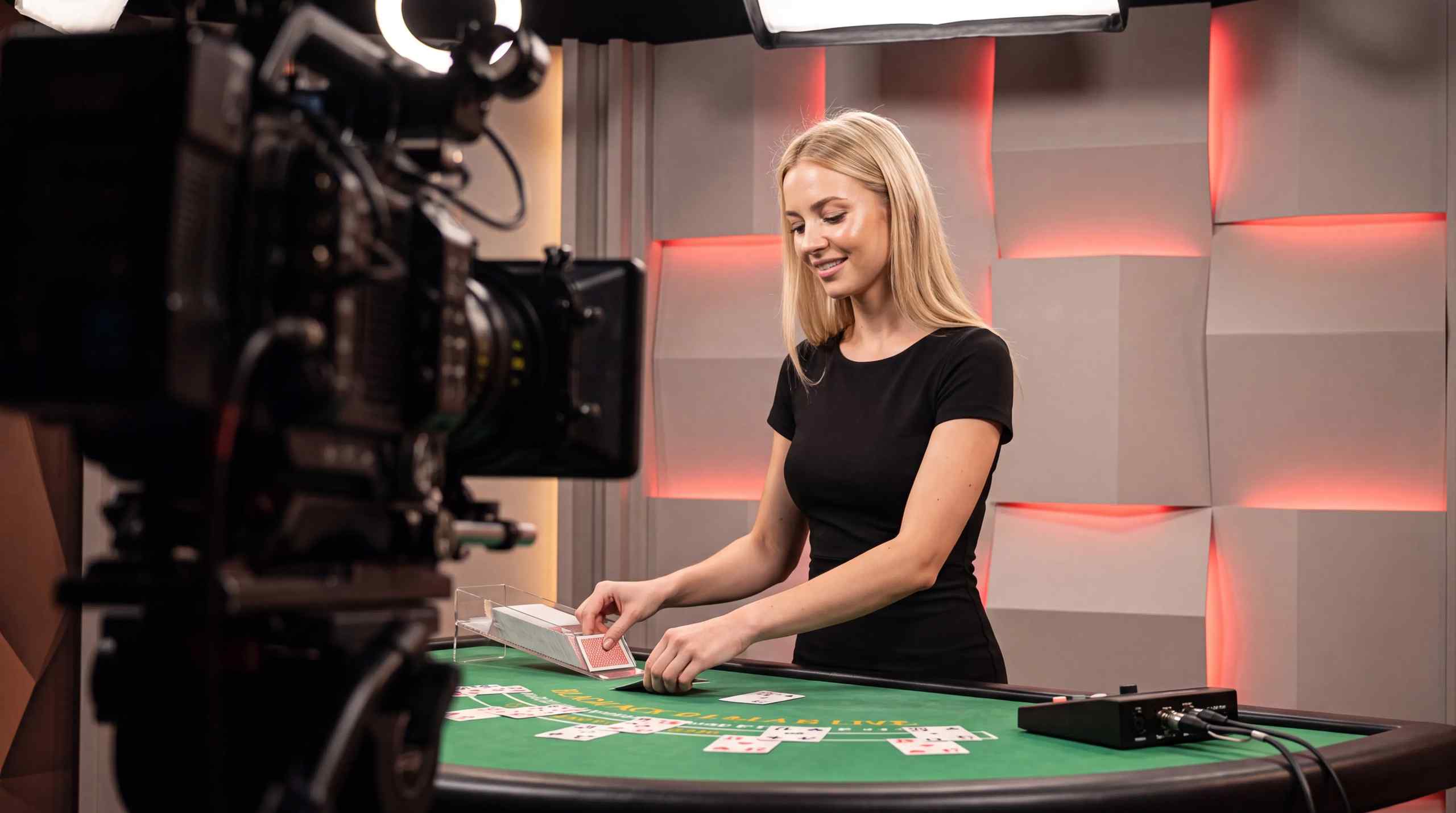
From RNGs and live dealer streaming to geolocation and AI, these gambling technology trends transformed the industry—and could help shape what comes next.
By Charlon Muscat
10 iPhone Battery Tips That Bust Common Battery Myths
Your iPhone can chew through battery even when nothing seems to be happening. Plenty of old-school tips barely help, while others kill the features you paid for in the first place.

By Charlon Muscat
Could GTA VI Bring Back Casinos? Here’s What We Know So Far
GTA VI has lottery signs and gambling references, but Rockstar hasn’t confirmed a casino. Here’s what the clues and GTA’s history tell us so far.

By Charlon Muscat
How Streamers and YouTubers Rewired Gambling Culture
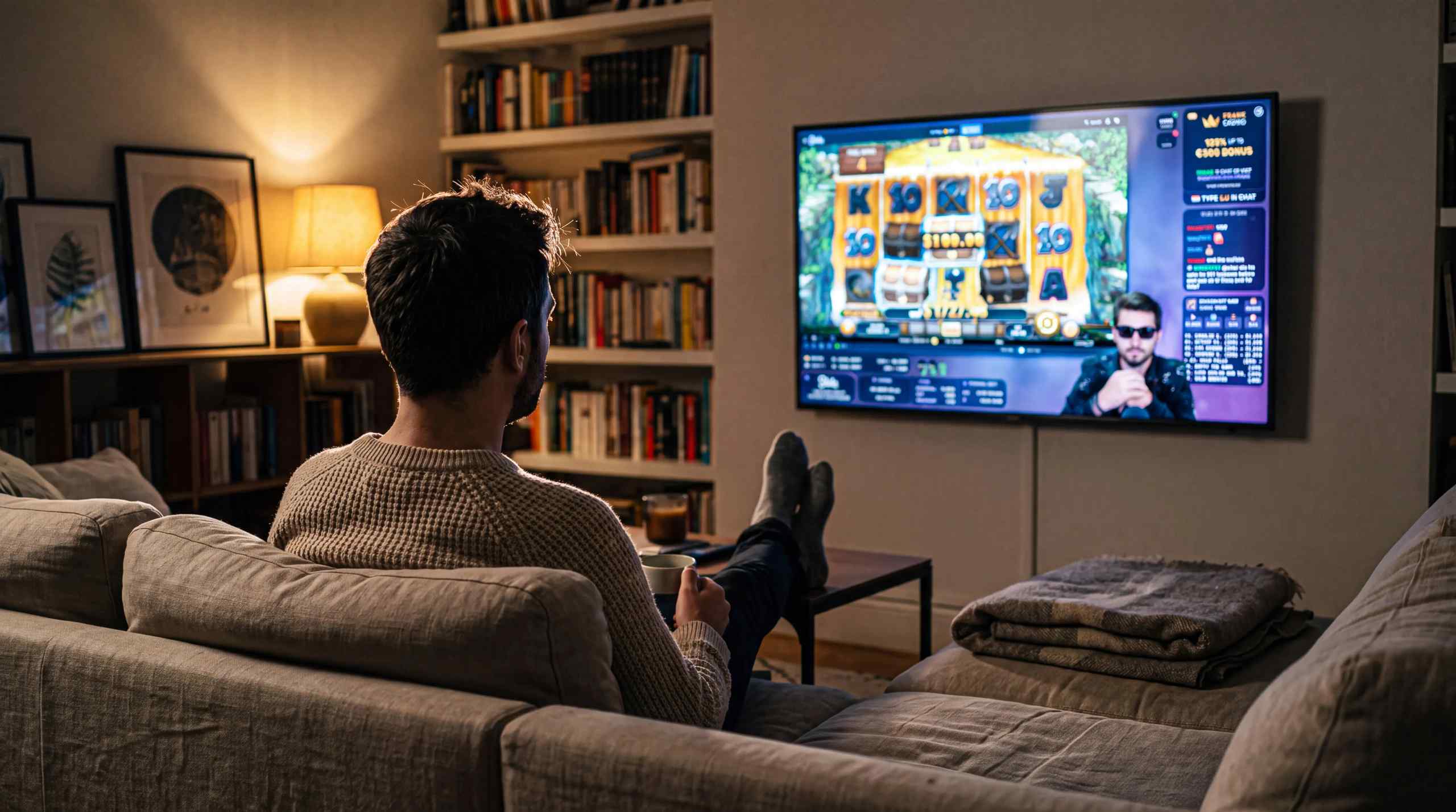
Forget billboards. The gambling industry's most effective marketers are streamers who build parasocial relationships and promote affiliate codes. Here's how they work, why they work, and what it means for you.
By Cole Rush
Investing or Gambling? It's Harder to Tell Than Ever Before
Meme stocks, penny shares, and leveraged ETFs may all promise traders big paydays, but from the outside looking in, it’s still just gambling, isn’t it?
By Stuart Hughes
Can Apple's Siri AI Upgrade Win Over Sports Fans?
From prepping sports bets to keeping tabs on live score updates and stats, Apple's biggest Siri upgrade yet promises the world, but for sports fans and bettors, it's still far from perfect.

By Stuart Hughes