
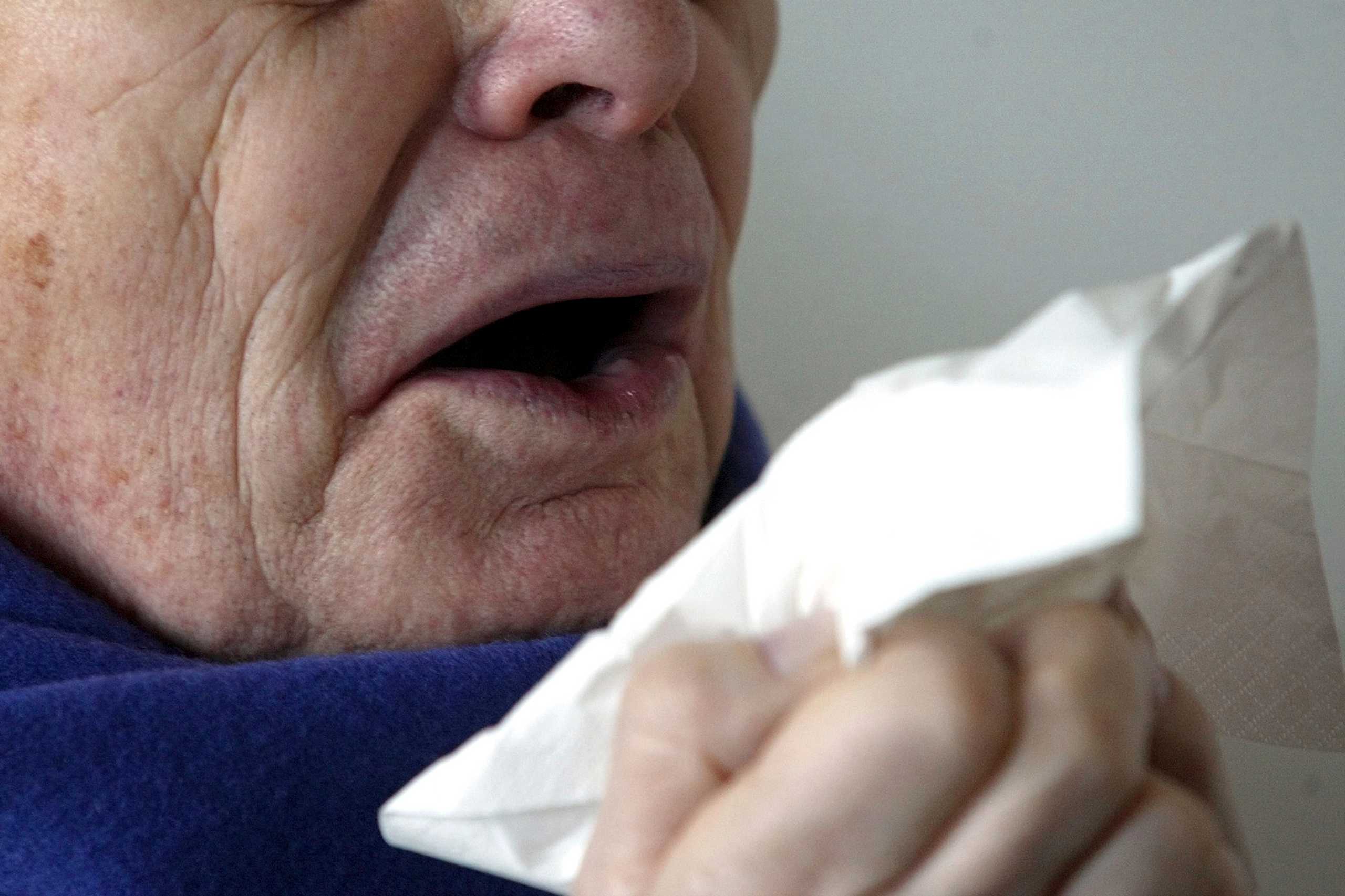
Does Cold Weather Really Make You Sick? 5 Winter Health Myths, Busted
Cold air, wet hair, vitamin C and “sweating it out”: here’s what science says about five winter health myths.

Every winter comes with the same warnings.
Don’t go outside with wet hair. Take vitamin C before you get sick. Bundle up or you’ll catch a cold. And if illness does arrive, maybe you can sweat the thing out before Monday.
Most of us have heard these claims so many times that they feel less like advice and more like accepted medical fact.
The timing is right to put them to the test.
Respiratory illness season is underway across North America. As of Nov. 20, 2026, the CDC said seasonal influenza activity was increasing across much of the U.S. In Canada, federal surveillance recorded a 14.5% influenza test positivity rate for the week ending Nov. 14, putting national flu activity at a moderate level.
So which wellness advice actually holds up?
Some are complete myths. Others contain just enough science to explain why they have survived.
Winter Health Myths Examined
| Winter health claim | Verdict | What the evidence says |
|---|---|---|
| Cold weather gives you a cold | Mostly false | Viruses cause colds, although cold air may make parts of the nose less effective at fighting viruses after exposure |
| Going outside with wet hair makes you sick | False | Being wet doesn't infect you with a respiratory virus |
| Vitamin C prevents colds | Mostly false | Regular supplementation may modestly shorten or soften a cold, but generally doesn't stop people from catching one |
| You can sweat out a cold | False | Exercise can temporarily ease mild congestion, but sweating doesn't eliminate the virus |
| Antibiotics help cure a cold | False | Antibiotics target bacteria, while common colds are caused by viruses |
Myth No. 1: Cold Weather Makes You Sick
Verdict: Mostly false, with an interesting catch.
Your parents weren't completely making this one up. But they had the cause wrong.
A common cold is a viral infection. Johns Hopkins Medicine notes that more than 200 different viruses can cause cold symptoms, with rhinoviruses among the most common. Standing outside when the thermometer drops doesn't create one of those viruses inside you.
So why do we get sick so much more often in winter?
Part of the explanation is behavioral. People spend more time indoors and closer together, giving respiratory viruses more opportunities to spread. Winter air also tends to be drier, which can affect the nasal passages.
But newer research makes the story more interesting.
A study published in the Journal of Allergy and Clinical Immunology examined one of the nose's first lines of antiviral defense. Researchers found that lowering nasal temperature by about 5 C impaired the release and effectiveness of tiny extracellular vesicles involved in fighting respiratory viruses.
In the laboratory model, cooler temperatures reduced the release of those vesicles by roughly 42%.
That's not proof that spending 20 minutes outside without a jacket will give you a cold. You still need to encounter a virus.
But it suggests cold conditions may make the environment inside your nose a little more hospitable to a virus once it arrives.
Myth No. 2: Going Outside With Wet Hair Will Give You a Cold
Verdict: False.
This may be the most persistent winter warning of them all.
Leave for school with damp hair and generations of parents have predicted some combination of a cold, pneumonia and immediate regret.
The science is considerably less dramatic.
Johns Hopkins is explicit: cold weather and wet hair don't cause colds. Viruses do.
Wet hair can certainly make you feel colder because moisture helps pull heat away from the body. If the conditions are severe enough, prolonged cold exposure can create legitimate risks such as hypothermia.
But a wet head doesn't manufacture rhinovirus.
The confusion likely comes from the same seasonal pattern behind the previous myth. Wet hair, cold temperatures and respiratory viruses all become associated with winter, so it's easy to connect things that often happen at the same time.
Going outside after a shower may leave you uncomfortable.
It won't give you a viral infection.
Myth No. 3: Loading Up on Vitamin C Will Stop You From Getting Sick
Verdict: Mostly false.
Orange juice has arguably done some of the best marketing in medical history.
Vitamin C genuinely matters. It is an essential nutrient involved in immune function, and getting enough of it is important for overall health.
But swallowing huge doses whenever somebody in the office starts coughing isn't the protective shield many people imagine.
The National Institutes of Health says that, for most people, vitamin C supplements do not reduce the risk of catching a common cold.
There is a little more to the story.
People who regularly take vitamin C may experience slightly shorter colds or somewhat milder symptoms. There is also evidence of a larger preventive effect among people undergoing extreme physical stress, such as marathon runners or soldiers working in very cold environments.
What doesn't appear particularly useful is waiting until symptoms appear and then suddenly loading up on vitamin C. Research has not consistently shown a meaningful benefit from starting supplementation after a cold begins.
So eat the orange.
Just don't expect it to generate a force field around your immune system.
Myth No. 4: You Can Sweat Out a Cold
Verdict: False.
The logic sounds almost plausible.
You're sick. Your body feels sluggish. Get on the treadmill, crank up the heat, sweat through your shirt and somehow push the illness out with it.
Unfortunately, viruses don't leave through your pores.
What makes this myth confusing is that exercising with a mild cold isn't necessarily a bad idea.
The Mayo Clinic says light to moderate exercise is generally fine when symptoms remain “above the neck,” such as a stuffy nose, sneezing or a minor sore throat, and you don't have a fever. Movement can even temporarily open nasal passages and make congestion feel better.
That's symptom relief, though. It isn't a cure.
Exercise becomes a much worse idea when illness includes fever, widespread muscle aches, significant fatigue, chest congestion or a severe cough.
And pushing through a hard workout because you're determined to “sweat out” an infection may simply add physical stress at a time when your body could use recovery.
Rest isn't losing a workout.
Sometimes it is the workout your body needs.
Myth No. 5: Antibiotics Will Help You Get Over a Bad Cold
Verdict: False.
This is the winter myth with the most serious consequences.
Antibiotics kill or inhibit bacteria.
Common colds are caused by viruses.
That means antibiotics don't cure a cold, don't make the virus disappear faster and generally won't make cold symptoms feel better.
The CDC specifically warns against using antibiotics for viral colds. Unnecessary antibiotic use can cause side effects and contributes to antimicrobial resistance. More serious complications can include severe allergic reactions and C. difficile infections.
There is one important distinction.
Sometimes a viral respiratory illness can be followed by a bacterial infection, such as certain cases of pneumonia or sinus infection. In those situations, a health professional may prescribe antibiotics to treat the bacterial infection.
That's very different from taking antibiotics because a cold feels especially nasty.
The intensity of your sniffles doesn't determine whether antibiotics work.
The organism causing them does.
Why Winter Really Is Cold and Flu Season
Debunking these myths doesn't mean winter illness is imaginary.
Respiratory infections genuinely become more common during colder months.
Several things happen simultaneously.
People gather indoors more frequently. Schools are in session. Indoor air can become dry. Viruses get more opportunities to jump between people. And research suggests colder temperatures inside the nasal cavity may weaken some of our first-line antiviral defenses.
That's very different from saying cold weather itself causes a cold.
The virus is still the essential ingredient.
Understanding that distinction also points toward prevention strategies that make more sense than obsessing over wet hair.
Regular handwashing helps reduce transmission. Avoiding close contact when you're sick helps protect other people. Vaccination can lower the risk of severe illness from viruses such as influenza and COVID-19. Testing can also matter because antiviral treatments for flu and COVID-19 work best when started early for people who qualify.
And when illness does arrive, the boring advice remains surprisingly durable: rest, fluids and enough recovery time to let your body do its job.
The Bodog editorial team is comprised of experts in the iGaming, Sportsbetting, Lifestyle, Travel Wellness and Casino space.
More Articles like this
Is Getting Rid of Daylight Saving Time Good or Bad for Our Health?
The spring clock change is linked to more heart attacks and fatal crashes, but the full science is messier than the memes.
By Cole Rush
Five Caffeine Myths We Use to Justify Another Coffee
Coffee has gone from cancer scare to health miracle. But are we selectively believing the research that gives us an excuse to pour another cup?

By Charlon Muscat
More Gym Time, Worse Health? America's Fitness Paradox
America’s obsession with the gym is more intense than ever, but it doesn’t appear to be solving the nation’s health problems. Here’s why the real issue isn’t how hard or often you train.

By Stuart Hughes
Are Rest Days Overrated? Do You Actually Need a Rest Day From Exercise?
Who doesn’t love and loathe gym rest days in equal measure? From the fear of overdoing it to stressing out about shrinking gains, here’s the science behind striking the perfect balance.

By Stuart Hughes
Why Hobbies Are Good for You (Even Watching Sports)
Research links hobbies to better mood, sharper thinking, and lower disease risk. Even rooting for a team can help, as long as the benefit comes from the community and not just the scoreboard.

By Cole Rush
Is Sitting as Bad as Smoking? Not Even Close
We've all heard that sitting is the new smoking. But while spending too much time on the couch carries genuine health risks, the science behind this alarming comparison tells a very different story.

By Stuart Hughes