
From Creatine to Collagen: Which Supplements Actually Work?
From bigger muscles and healthier skin to getting a better night's sleep, wellness supplement advertising promises the world, but is the marketing department spinning scientific facts?

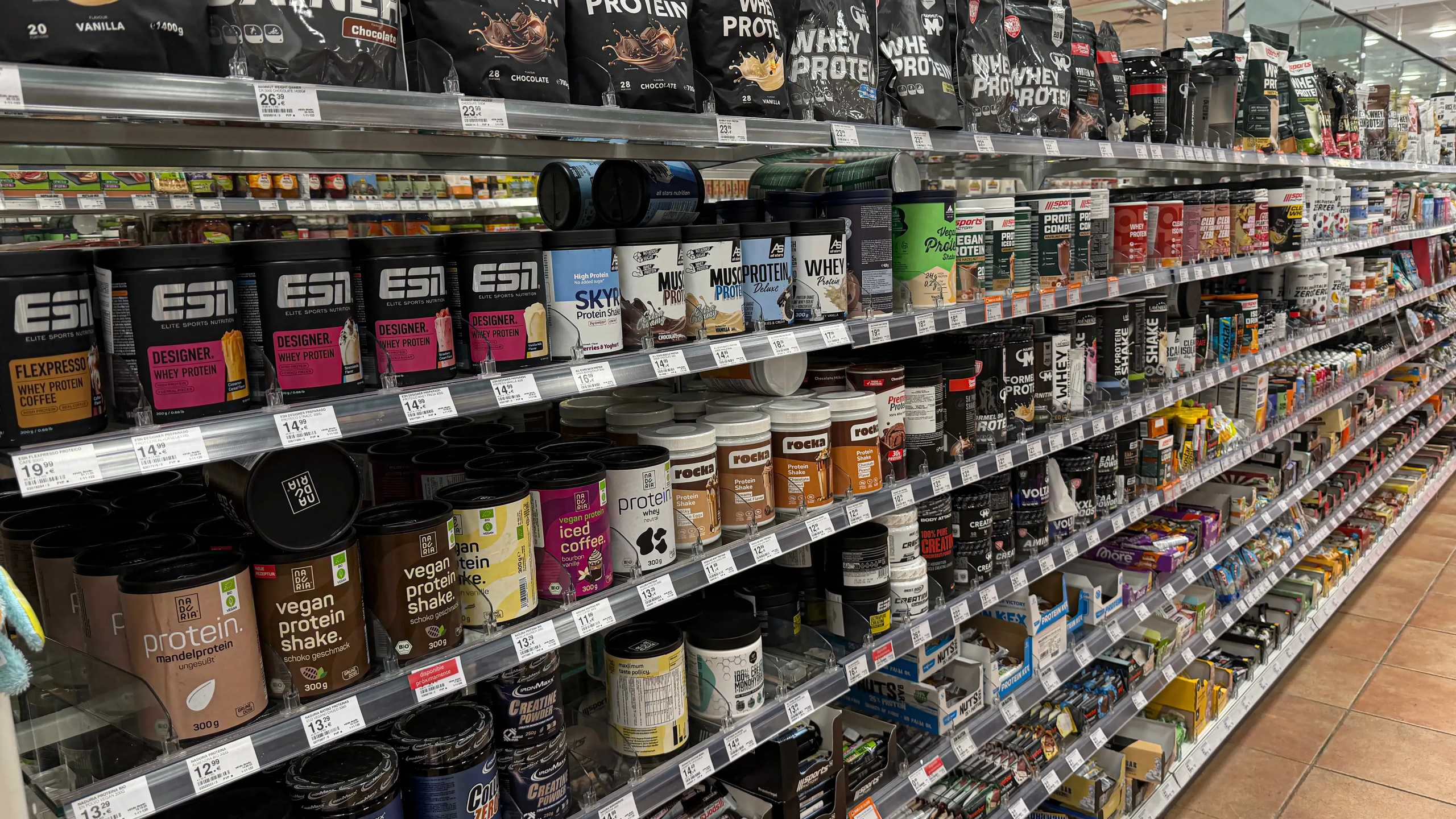
Safe to say we've come a long, long way from the days when healthy living meant chewing chalky multivitamin tablets and partaking in any number of crazy wellness trends. Fast forward to today, and our kitchen counters resemble mini wellness laboratories with countless supplements and powders said to achieve everything from ramping up your sex life to helping you lose weight without breaking up with pizza.
In fact, the modern-day supplement aisle has a practical fix for almost every known insecurity a functioning human might possess, from scooping out health shortcuts to finding a cure for:
- Muscle growth
- Exercise recovery
- Insomnia
- Fat loss
- Increased longevity
- Skin ageing
- Energy boost
The problem is deciphering fact from fiction, as there are plenty of beneficial compounds that are scientifically proven… and then there's the treatments touted by influencers and wellness gurus who simply rely on you believing in miracles.
Welcome to the Wild West of wellness.

The Health Aids and Supplements Worth a Closer Look
The first thing you need to understand is that health supplements and wellness remedies come in many different guises, and trying to compare one with the other is like comparing ibuprofen with a smoothie. Sure, they can be bought in the same shop, but that's about where the similarities end.
As a result, here's the scientific backstory behind the wellness industry's biggest sellers that separates the evidence from the marketing.
Creatine: The One That Actually Has the Receipts
Heading up our list of healthy performance aids is creatine, which, if you imagine that the supplement aisle was a sports league, it would be the team with a history of winning championships.
After all, creatine’s benefits are supported by decades upon decades of medical studies and reams of tangible scientific evidence, with research suggesting taking 3- 5 grams of creatine monohydrate a day is proven to help with:
- Muscle and lean-mass gains
- Increased strength
- High-intensity performance
- Training and recovery support
- Potential cognitive benefits
Perhaps the one catch with creatine powders is that, although it is considered safe, people who have suffered kidney disease in the past should consult a doctor before taking it. In addition, some users may initially experience temporary water weight gain when they first start taking creatine.

Protein Powder: The Supplement That’s Really Just Nutrition
Not surprisingly, protein powders are also a legit supplement, but only because it’s something our bodies actually need to function. More recently touted as a bodybuilding potion, the fact remains -- without protein, your body simply couldn’t repair itself from the daily wear and tear it sustains.
Interestingly, protein powder recommendations are primarily shaped around your target goals, however, in general, most adults need approximately 0.75g - 0.8 grams per kilogram of body weight per day, while older adults (60+) often need 1.0g - 1.2g to help with:
- Muscle growth
- Exercise recovery
- Muscle maintenance
- Satiety
However, for those looking to bulk up, nutritionist-recommended guidelines suggest raising your intake to 1.6g – 2.2g per kilogram of body weight every day, evenly spread out across the day itself.

Collagen: The Go-To Beauty Promise with Some Added Fine Print
As an elastic structural protein, collagen is considered the wellness holy grail, supposedly able to fix your face, joints, hair, and the existential crisis we all face... aging. The truth of the matter is more interesting than it is miraculous, as human trials have suggested that collagen peptides may modestly improve your skin's hydration and elasticity; nonetheless, its other benefits remain hotly contested among scientists.
Recommended dosages vary too, but it's generally considered safe to take between 2.5 and 10 grams of hydrolyzed collagen peptides daily, which are said to aid with:
- Skin hydration
- Skin elasticity
- Reduced appearance of wrinkles
- Joint support
- Bone and connective-tissue support
Skepticism remains, as while several industry-funded studies proclaim the benefits to be genuine, the degree of efficacy is less convincing when you look at more independent, higher-quality studies.

Magnesium: The Mineral Having a Wellness Moment
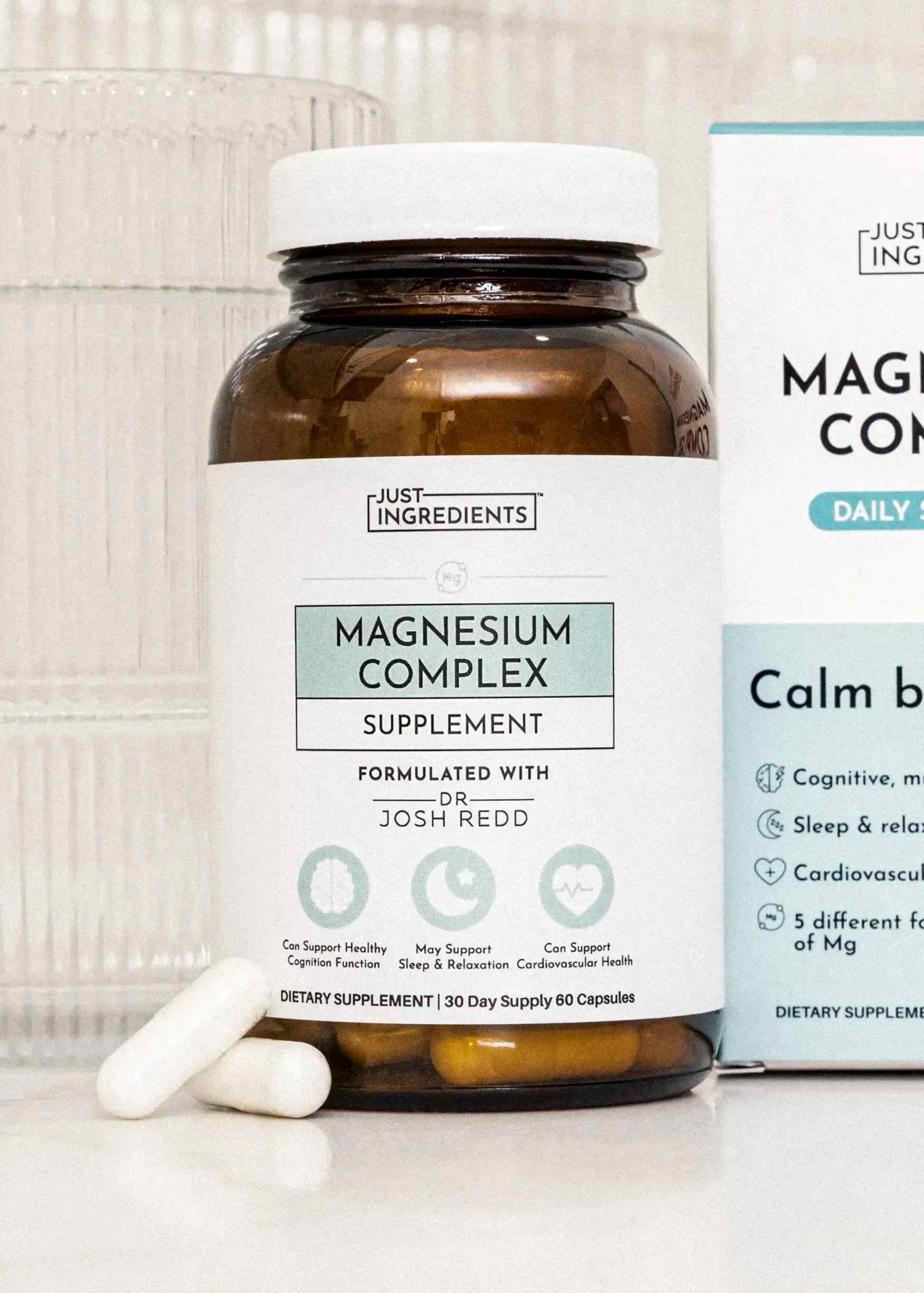
Undoubtedly, magnesium has been elevated from a mineral nobody used to talk about to TikTok's answer to stress relief and hitting your eight hours of sleep. Again, magnesium is another critical element the body needs, which it uses to conduct hundreds of biochemical processes every second, including assisting with nerve, muscle, and cardiovascular functioning.
For adults, it is said that men require 300 mg of magnesium per day, while women need 270 mg, which can rise slightly during pregnancy, with the potential benefits said to include:
- Better sleep
- Reduced stress and anxiety
- Muscle relaxation
- Exercise recovery
- Nerve and cardiovascular support
Nevertheless, evidential claims about the true extent of magnesium's effectiveness in managing sleep, anxiety, migraines, and post-exercise soreness remain limited or inconsistent, arguably an example where retailers' wellness claims may be doing some extra heavy lifting.
Greens Powders: Can a Daily Scoop Really Replace Your Greens?
Now, green powders, on the other hand, use wellness spin worthy of a political campaign, given you simply pulverize a plant, add elements such as adaptogens, probiotics, and enzymes to create a blended mix - then stick a label on it, and you have yourself a sellable health hack. Of course, they still provide useful vitamins and minerals, particularly if your diet is lacking, but it’s a giant leap to say it's anything more than what you find in whole fruit and veg.
Most green powder advocates suggest taking between 5 - 10 grams daily, but as with eating a humble carrot and broccoli, the benefits typically include helping with:
- Micronutrient intake
- Added Energy
- Improved gut health
- Immune support
- Antioxidant support
One caveat with green powders is that their formulas can vary enormously, with some containing added fat-soluble vitamins or herbal extracts, which can be harmful if consumed in excess, especially when taken in tandem with other supplements. Not only that, but dietitians also state that the processing of green powders extracts some of the fiber pulp content that the body naturally gets from eating the original produce in the first place.
The Daily Cost of Wellness Supplements
| Supplement | Suggested Daily Intake | Approximate Cost Per Day |
|---|---|---|
| Creatine Monohydrate | 3 - 5 g | $0.20 - $0.35 |
| Protein powder | 0.75g to 0.8g per kg of body weight | $1.80 - $3.00 |
| Collagen | 10 grams | $0.60 - $1.00 |
| Magnesium | 300 mg | $0.30 - $0.50 |
| Greens powders | 5-10 grams | $1.15 and $2.25 |
The Bottom Line
As is the case with most wellness supplements and products, they’re designed to support our body’s natural building blocks. However, while some are concentrated shortcuts helping people strive for enhanced goals such as gaining muscle mass or achieving a better night’s sleep, others could be considered redundant or worse, exploitative marketing claims designed to inflate unproven health benefits.
Ultimately, creatine, protein, and magnesium have years of research to back them up, while collagen and green powders sit in a complex middle ground, which further research may indeed later support. As for the others, science may one day catch up with the more outrageous, snake-oil-like claims, but in the meantime, always ask yourself before taking a supplement: will it solve a genuine problem that eating sensibly, exercising more, or getting more sleep could resolve for less?
Stuart Hughes is a London-based freelance journalist covering sports, travel, lifestyle, and technology. He’s worked with brands like Lenovo, Best Western, and Frontier Airlines, bringing a global perspective shaped by years of travel.
More Articles like this
Why Hobbies Are Good for You (Even Watching Sports)
Research links hobbies to better mood, sharper thinking, and lower disease risk. Even rooting for a team can help, as long as the benefit comes from the community and not just the scoreboard.

By Cole Rush
Is Sitting as Bad as Smoking? Not Even Close
We've all heard that sitting is the new smoking. But while spending too much time on the couch carries genuine health risks, the science behind this alarming comparison tells a very different story.

By Stuart Hughes
Seven Ways Your Brain Tricks You Into Taking Risks
From chasing losses to trusting AI predictions, science reveals seven mental traps that can make risky decisions feel surprisingly reasonable.

By Stuart Hughes
The 5 Craziest Wellness Trends People Once Swore By
Beauty is pain, or so the saying goes. Throw in the promise of a shortcut, and people will listen. Some of the wellness trends that caught on, though, were wild even by the standards of their own time.
.webp)
By Charlon Muscat
Time to Wake Up: 8 Hours of Sleep Isn't a Magic Number
For years, eight hours has been drilled into us as the perfect night's kip. Turns out, the sleep doctors think there's more to getting a good night's sleep than just clocking up the hours.

By Stuart Hughes
Do You Really Need Eight Glasses of Water a Day?
Think you need eight glasses of water a day? The science never really said that. Here’s how one of wellness’s most persistent myths took hold.

By Charlon Muscat