

Seven Ways Your Brain Tricks You Into Taking Risks
From chasing losses to trusting AI predictions, science reveals seven mental traps that can make risky decisions feel surprisingly reasonable.
We all know that sensation: whether you've just nailed a result on an NFL prediction market trade or walked away after an online poker victory, the elation can make you feel invincible. On the flip side, how many times have you ridden the rough end of a losing streak in the belief that a reversal of fortunes must be around the corner?
That's the thing with the brain: either scenario can convince you to make reckless wagers that common sense would normally tell you to avoid. But why does this happen?
The Seven Mental Traps That Make You Push Your Luck
Taking silly risks every now and then can be tied to several familiar psychological traps, from making impulsive emotion-driven decisions to chasing losses or placing too much belief in AI's perceived expertise. As a result, here are seven reasons why we tend to miss the normal warning signs until hindsight kicks in and the damage is already done.
1. The Psychology of Chasing Losses
As perhaps the most impulsive act in sports betting, the desire to win back a losing bet is an overwhelming sensation that even seasoned pro bettors must fight off the temptation to do.
For instance, say you're down $50 after an NBA game day, but the late game flags up an opportunity to level up for the day - this classic mental reflex is as old as gambling itself. This finding was reinforced by Kahneman and Tversky's 1979 study on prospect theory, which showed how participants often chose riskier options as opposed to simply accepting they'd be better off pocketing the loss.
2. A Near-Miss Feels Almost Like a Win
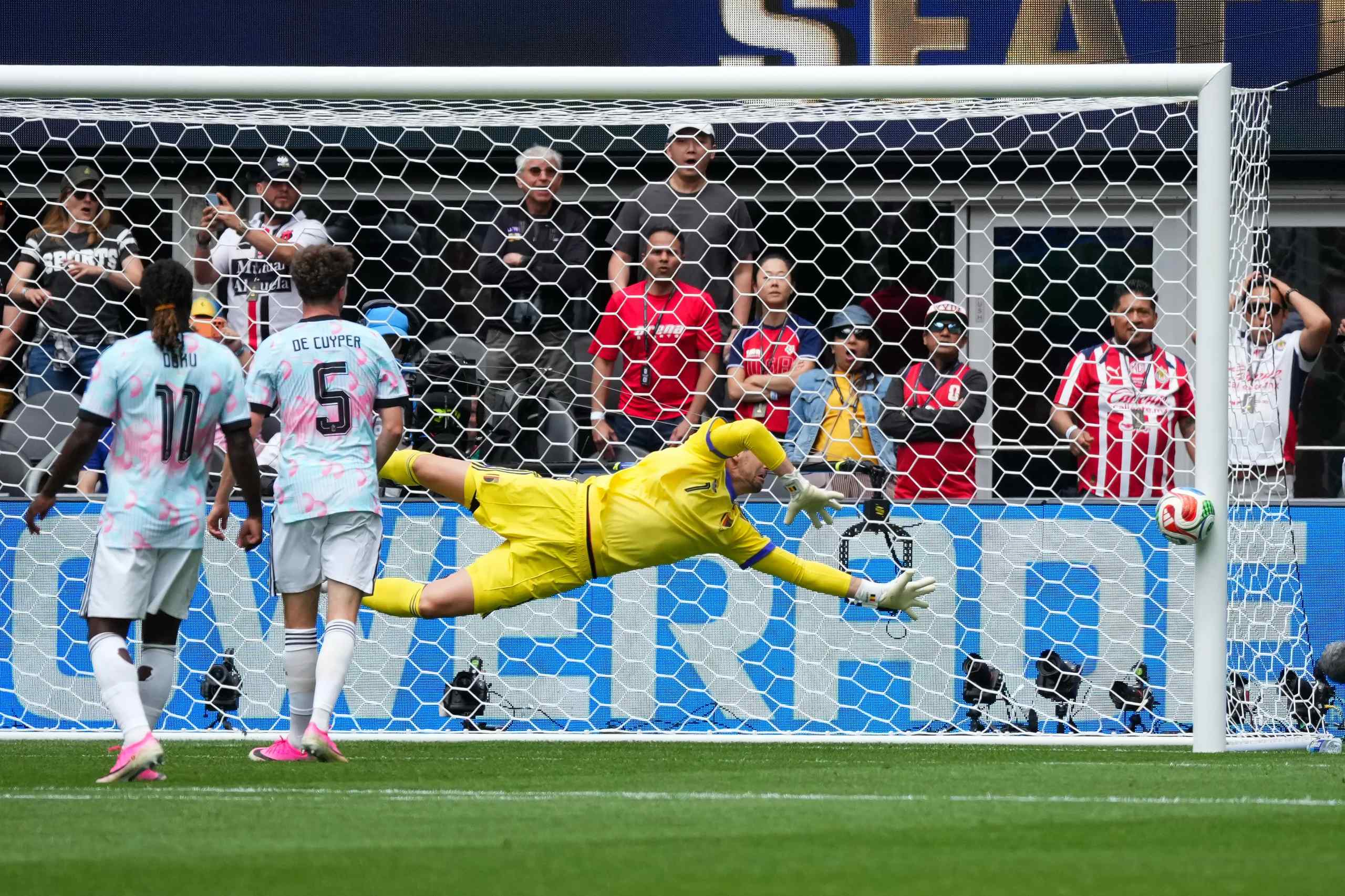
Another key risk-enduring factor sports bettors often encounter is the deceptive near-miss sensation that can falsely reinforce the belief that an individual betting strategy or selection criteria works.
This could be in the form of a last-minute EPL goal being ruled out by VAR or a horse losing by a nose, yet the near-miss result leans towards a confirmation bias that the next bet should win. Furthermore, an insightful 2009 slot-machine study by Luke Clark and colleagues found that near-misses often increased participants' motivation to keep playing by engaging the same brain circuitry that also responded to wins.

3. Winning Streaks That Make You Feel Unbeatable
After hitting several sizable wins on the trot, you'd be forgiven for momentarily thinking you unlocked a secret hack to a profitable wagering strategy - but as time often tells, that's rarely the case.
Given that the vast majority of winning streaks are nothing more than a fortuitous collection of independent results, the lure of continuing this run of good luck often falls foul of the hot-hand fallacy. Nevertheless, a 2014 study by Juemin Xu and Nigel Harvey on online gambling revealed that while bettors did consistently look to extend winning runs, they often did so by opting for lower-risk wagers, perhaps knowingly attempting to keep the risk in check. The study also found that winning bettors tended to choose the safer odds, while losing bettors would take unnecessary risks.
4. Losing Streaks Can Make You Think A Win Is Due
In direct contrast to the hot-streak conundrum, an unjust run of consecutive losses often leads to the belief that the next wager or spin of the wheel will come up trumps to end the unwanted sequence.
Sadly, this too is a well-known misconception about gambling, which was further supported by a 2005 field study of the empirical data from casinos, in which Croson and Sundali found repeat player behavior consistent with mistaken beliefs about streaks. The fact remains that every MLB result or spin of the roulette wheel remains wholly unaffected by the results before, so the chances of a continued losing streak are just as likely as not.
5. Fatigue Can Easily Lead to Poor Decision Making
Who hasn't found themselves dealing with the consequences of a fatigue-induced misstep, whether it was the result of working late or not hitting your eight-hour sleep goals two nights in a row?
The same applies when implementing riskier behaviors like backing a late-night NHL longshot parlay when you should be heading for bed or aimlessly wagering on a horse just because it shares the name of your first crush. Supporting this notion, in a 2011 experiment into the effects of tiredness on decision-making, Vinod Venkatraman and colleagues found that after a night without sleep, participants were far more inclined to chase gains than to sensibly protect themselves against losses.
6. Polished AI Predictions Can Create A False Confidence
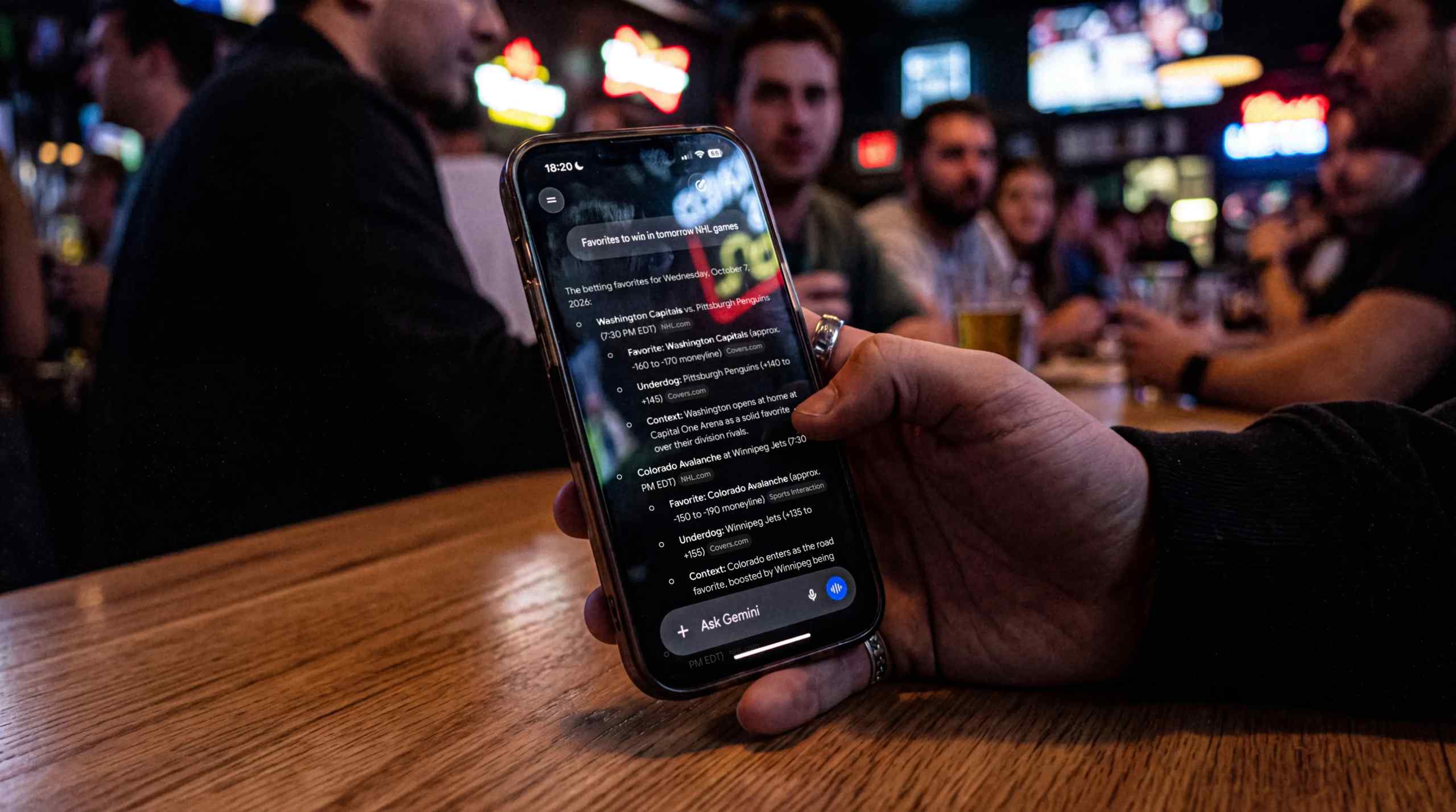
A more recent risk-related trend is an AI-induced phenomenon of utilizing chatbots to process data, form, and player matchups and expecting them to be able to predict the result of the Super Bowl.
For sure, platforms like ChatGPT can absorb reams of historical data to confidently produce a logical sports result prediction, but we tend to forget AI also has a habit of making mistakes. Our faith in AI’s accuracy can also override our own good judgment, as a 2024 experiment by Artur Klingbeil and colleagues showed that participants regularly followed AI’s advice, even when it went against logic and was to the detriment of their own financial interests.
7. Scarcity Can Make a Gamble Feel Necessary
Our final rule of thumb when it comes to reasons why our brain encourages us to take riskier endeavors is an age-old adage that dates back millennia- that is, when time, money, or opportunities feel scarce, taking elevated risks can seem almost sensible.
Not only plausibly demonstrated when a sportsbook posts a limited-time offer, but this psychology also draws on behavioral economics, which encourages us to act when we feel we’re about to lose something. Similarly, a study by Wohl, Branscombe, and Lister in 2013 found that participants who were reminded of their limited funds and poor future economic prospects wagered far more money on a single spin of a roulette wheel than those in a control group in the experiment.
Now You Know, Can You Outsmart These Biases?
It’s never easy fighting the urge to be sensible when any number of these mental biases kick in; the key is more about understanding when they do and the rationale we place on them.
Why Your Brain Takes Bigger Risks
| Brain Trick | What It Can Make You Think | Possible Effect |
|---|---|---|
| Loss chasing | “I can win it back” | Bigger or repeated risks |
| Near-miss effect | “I was so close” | Encourages another attempt |
| Hot hand fallacy | “I'm on a roll” | Greater confidence |
| Gambler's fallacy | “I'm due” | Misjudges probability |
| Sleep deprivation | “This seems worth it” | Weaker judgment / altered risk perception |
| AI overreliance | "The algorithm knows best" | Excessive trust in predictions |
| Scarcity mindset | "This is my last chance" | Greater willingness to gamble |
Ultimately, while the brain’s propensity to convince us to accept risks that we’d normally refuse can be applied across the spectrum of situations and incidents in our everyday lives, perhaps it’s while sports betting that the practice becomes more obvious. A top tip here would be to create some responsible gambling guidelines for yourself, such as acknowledging when you’re tired or taking a short break during a losing streak to assess if carrying on is wise.
After all, our brains do love a dramatic comeback story, but your bank balance is often the one that feels it in the morning.
Stuart Hughes is a London-based freelance journalist covering sports, travel, lifestyle, and technology. He’s worked with brands like Lenovo, Best Western, and Frontier Airlines, bringing a global perspective shaped by years of travel.
More Articles like this
From Creatine to Collagen: Which Supplements Actually Work?
From bigger muscles and healthier skin to getting a better night's sleep, wellness supplement advertising promises the world, but is the marketing department spinning scientific facts?

By Stuart Hughes
The 5 Craziest Wellness Trends People Once Swore By
Beauty is pain, or so the saying goes. Throw in the promise of a shortcut, and people will listen. Some of the wellness trends that caught on, though, were wild even by the standards of their own time.
.webp)
By Charlon Muscat
Time to Wake Up: 8 Hours of Sleep Isn't a Magic Number
For years, eight hours has been drilled into us as the perfect night's kip. Turns out, the sleep doctors think there's more to getting a good night's sleep than just clocking up the hours.

By Stuart Hughes
Do You Really Need Eight Glasses of Water a Day?
Think you need eight glasses of water a day? The science never really said that. Here’s how one of wellness’s most persistent myths took hold.

By Charlon Muscat
Hate the Gym? Try These Five Ways to Stay Active
Gyms aren’t for everyone, and that’s fine. From pickleball obsession to aerial silks, biking, bouldering, and rec leagues, here are five sweat-worthy alternatives that make exercise feel like fun, not a chore.

By Cole Rush
Would You Pay $2,000 for a Better Night’s Sleep?
Sleep tourism promises better rest through luxury rooms, weighted blankets, melatonin and expert programs. We examine what works and whether it is worth the cost.

By Lucie Turner