

The 5 Biggest Mistakes Sports Bettors Make With AI
AI can mislead bettors with misplaced confidence, unreliable predictions, and flawed data.
%20(1).webp)
AI models like ChatGPT, Claude, Gemini, and many others are more popular and widespread than ever. Day-to-day uses are expanding, and some bettors/predictors are taking notice.
That’s no surprise. Large language models have excellent appeal in betting thanks to their quick responses, perceived intelligence, and the confidence they exude. While AI may seem like it can give you an edge on your next bet, the truth isn’t so cut and dry. Betting systems have existed since the very early days of gambling, and they’re all losing systems over time. I’ve written before about why gamblers lose, and the simple fact is that the system is built that way.
So, sure, AI can serve a valuable purpose in betting. It can function as a research tool. As a pick generator, though, it comes with a specific set of risks you might not see coming.
The Illusion of Predictive Power
You know the phrase: Hindsight’s 20/20. You can always think of a better solution to past mistakes. It applies to AI and betting, too. LLMs are fine-tuned to analyze the past, and they use historical data to shape requested predictions about the future.
At their core, sports are unpredictable. The underdog can stage a 4th-quarter comeback. A star player can suffer an injury and shift the game in the opponent’s favor. AI isn’t clairvoyant and can’t predict these things any better than a human can. The danger here is that AI will repackage probabilities as confidence. If an AI perceives a 67% chance of one team winning, it’s easy for a bettor to think “That team will win.” Probabilities are not certainties, though, and such data should be considered with a grain of salt.
The short and sweet piece of advice here? Remember that AI can’t predict the future. It can only research historical data.
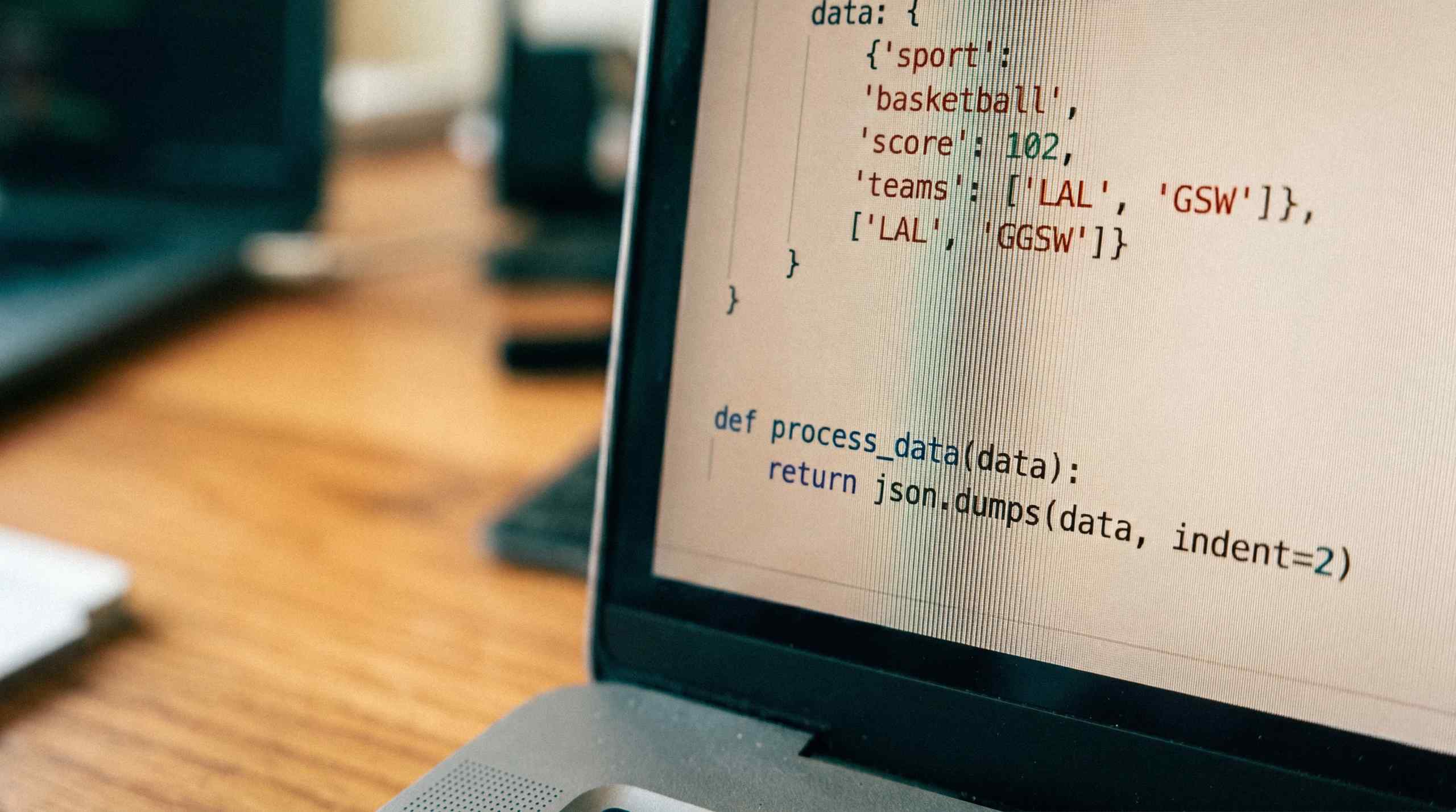
Bad Data, Bad Outputs
An AI’s response is only as good as the prompts and data put into a request. If data is incomplete or outdated, the output can be misleading.
While many AI tools will show you which sites they’re exploring to build an answer to your query, it's hard to keep tabs on the model and guarantee it’s working on the proper data.
The real kicker here is that public data from leagues and sporting organizations is already widely available. Sportsbooks bake that data into the odds. Oddsmakers are also quick on the uptake. Injuries, weather changes, benching decisions, and other external factors can shape the odds, and sportsbooks have full teams of dedicated people with well-built tools to catch them and adjust accordingly. Even with an AI, you’re never going to match their pure speed at data intake.
One phrase to keep in mind here is “Garbage in, garbage out.” Your data should be squeaky clean when making heavily researched betting decisions.

Overfitting and False Signals
Overfitting is a common issue with AI, especially when historical data and future predictions are involved. These models can produce brilliant, insightful research on historical data, but they can’t overlay that data into salient future predictions.
This is particularly dangerous in sports. Sample sizes can be small; consider that you may be using data from just a few games to predict the next one’s outcome. Variance is also high, with underdog wins and Hail Mary payoffs skewing big-picture results.
AI can produce misleading results when analyzing patterns. Trends may be present in data, but they don’t hold any water when applied to predictions. Herein lies the sticking point. AI can still present those predictions with unfounded confidence.
Consider, for example, the possibility of an AI noticing that an NFL team tends to win night games in October and November, statistically speaking. That’s more likely coincidental than set in stone, and it’s not necessarily a viable betting strategy. Even so, an AI model may package that pattern into a prediction and overfit it to the future.
False Confidence and Over-Betting
The word “confidence” appears no less than five times in this article, and there's a good reason for it. AI outputs have the vibe of authority, especially if they aren’t calibrated or instructed to do otherwise. The outputs you get are likely to sound full of gusto and coerce you into a false sense of reliability.
AI’s overconfidence is dangerous for sports betting on its own, but the natural results of that overconfidence can be even worse. An AI model telling you how strongly it believes in its outcome can convince you to bet more than you’re used to. It’s like an emotional (and financial) multiplier without reliable predictive tendencies. Bettors advised by AI may be less likely to second-guess an LLM’s predictions. This is one of the biggest reasons to treat AI as a helpful tool and not an end-all be-all for betting decisions.

Market Reality
Sports betting markets are highly efficient already. As I mentioned earlier, sportsbook operators have big teams and big tech behind their second-by-second odds changes. A sportsbook will always adjust the odds to increase the company’s chances of turning a profit.
When you use AI to make predictions, you are at best accessing the same data. More likely, however, the AI is accessing outdated info or drawing patterns from now-irrelevant historical points.
In short, this means that AI is very unlikely to give you an edge over sportsbooks, which are finely honed to play the odds in their favor and turn a profit.
Conclusion
AI can be a helpful tool in deciding which bets to place. You just shouldn’t treat it as a crystal ball that feeds you divine predictions from the beyond. It can be just as wrong (or more wrong) than any number of other sources. Further, it can skew data based on historical patterns and paint a smudgy picture of potential future outcomes.
The biggest danger isn’t that AI can be wrong (though that’s up there). No, the real danger is that AI can make you believe you’re right even when you’re not.
Cole Rush is a freelance writer, crossword constructor, and creative tinkerer with more than 10 years of experience writing about anything and everything. Cole’s primary area of expertise is the gambling industry, covering the expansion of sportsbooks and online casinos alongside emerging spaces like sweepstakes casinos and prediction markets.
More Articles like this
Why Does Everybody Hate Us? Top 10 Most Hated Sports Teams Ever
Some teams always win; others get caught breaking the rules. Either extreme is a surefire way to become universally hated, as these 10 sports teams can attest to.
By Stuart Hughes
5 Outrageous Sports Rules That Need to Die
From a missed signature disqualification to a two-minute penalty for a tucked-in jersey, find out about the top five dumbest rules in sport that leave common sense in the locker room.

By Stuart Hughes
The 10 Most Unforgettable Quotes in Sports History
From Jordan's hard truths to Healy's cheeseburger dig, these legendary greats uttered 10 iconic quotes that turned out to be as memorable as their sporting achievements.

By Stuart Hughes
Eight Years, Eight NBA Champions. Is Parity Here to Stay?
Eight different teams have won the NBA championship in eight years, the longest such streak in league history. Can the Knicks finally break the cycle, or will another contender claim the crown?
By Bill Gelman
Is This the Biggest Acquisition Era in Sports Betting History?
Sportsbooks, prediction markets, and sweepstakes apps are fighting for the same customers. We compared 11 welcome offers to see who's offering the biggest incentives.

By Cole Rush
Does a 4-0 NFL Start Mean You're Playoff Bound?
A 4-0 start can put your team on the fast track to the playoffs, but history shows that even Super Bowl champions don't always start strong.
By Marcus Mosher