

The Hidden Sleep Trap Every Gambler Should Know
Dopamine, cortisol, and the brain chemistry that makes "just one more hand" feel irresistible, plus practical strategies for knowing when to log off.
.webp)
Every serious bettor knows this scene. It's way past midnight. The rest of the house is fast asleep. But somehow, you just cannot put your phone or laptop away. Doesn't matter if you're winning or losing - sleep doesn't even cross your mind.
But here's the thing: this has less to do with being undisciplined and more to do with biology. Once you understand what's going on in your brain at 2 am, that's the first step toward regaining control and actually sleeping through the night.
The chemistry of a winning streak
It all starts with dopamine. It's the drug that your brain pumps out when you win a big hand, catch a winning bet, or hit the slot bonus. Essentially, dopamine is reward, the chemical that causes great food to taste delicious and a great song to feel amazing. A win feels good because, neurologically speaking, it really is good.
And where does this put you in a trap? Let's say your reward system is activated at 3:00 AM. Your brain has no idea that you are supposed to be in bed. The brain does know, however, that you have been rewarded for an action, and it craves another hit.
What you do know is that you have been rewarded for an action, and your brain will crave it again.
This is why you can play in a poker tournament until 12 o’clock in the morning and have no reason to believe that you are not prepared to continue all night. Instead of winding down, you can only seem to wind up.
Another hand makes no sense, except you have been rewarded and feel compelled to get another "hit" of that reward; the problem is that "one hand" quickly turns into "a hundred hands", the clock keeps on resetting, and you soon feel like you could keep going until 5:00 AM.
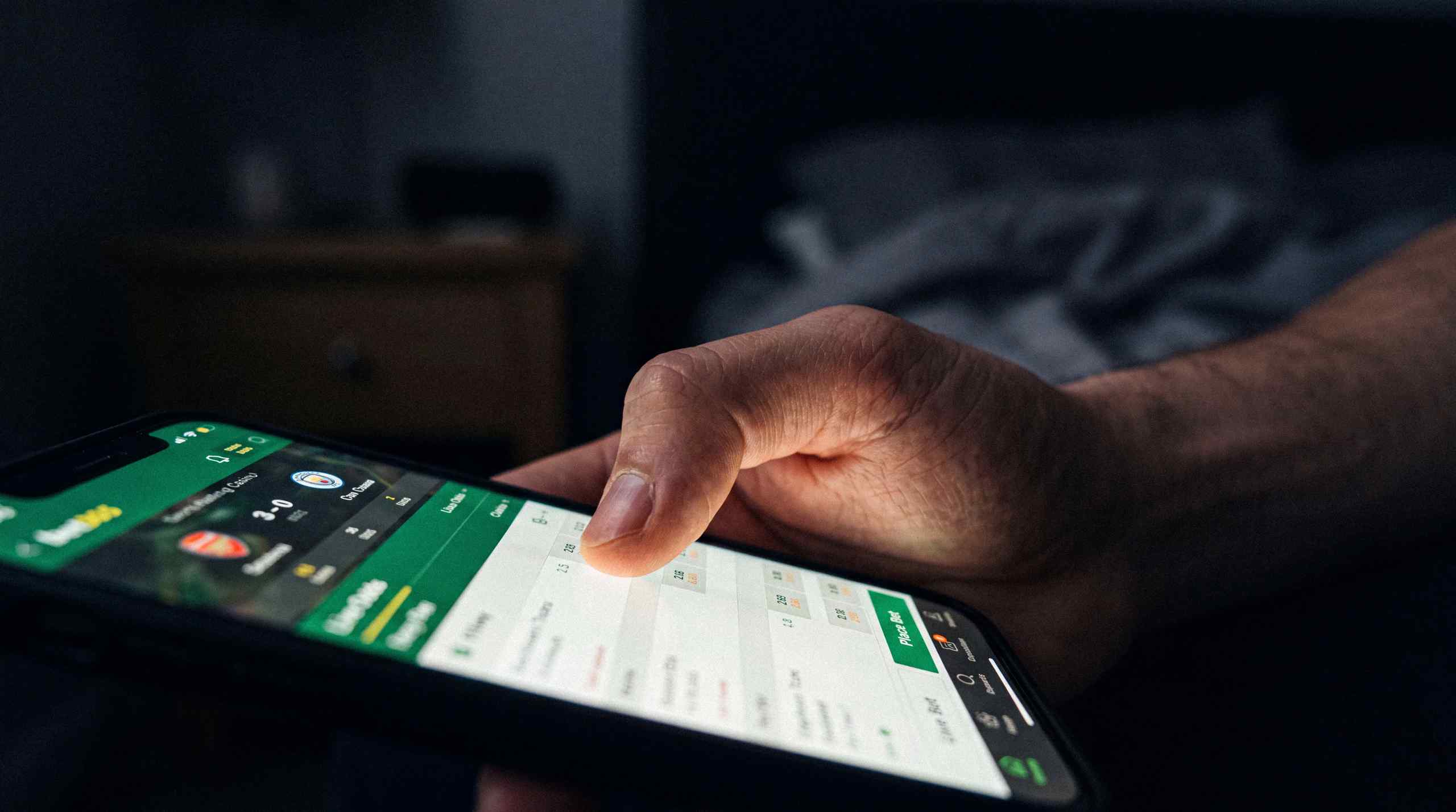
The stress of a loss
Sleep loss after loss is triggered by cortisol. A bad bet (and especially a close one) floods your system with cortisol-you go into fight or flight. Your heart rate increases, and you become much more alert. The identical reaction occurs when an emotional loss occurs: the death of a pet or the departure of a loved one.
Cortisol is wonderful for survival, but poison to sleep. When you can't stop replaying the hand in a multi-thousand-dollar parlay hit or the unfathomable bad beat on the river, your nervous system is jacked up for battle.
Physically drained as you may be, your brain is wide awake; winning players will eventually crash. Losers locked in the cortisol feedback loop could lie in bed awake until dawn.
Why Gambling Keeps You Awake
| Brain chemical | Effect |
|---|---|
| Dopamine | Reinforces rewarding experiences and encourages repetition |
| Cortisol | Increases alertness after stressful losses |
| Adrenaline | Raises heart rate and makes winding down harder |
| Melatonin | Suppressed by late-night screen exposure and stimulation |
Quality over quantity
However, even when you eventually lie down, the sleep won't necessarily be good. Those high cortisol levels prevent you from entering the slow wave stages of sleep, which are the most restorative type of sleep. If you stopped betting at 3 am and got six hours of sleep, you would wake up, but not be refreshed in comparison to 6 hours of undisturbed sleep, where cortisol was at low levels.
Instead, you wake up feeling tired, moody, and a bit foggy-headed, which is the worst state to be in before embarking on any betting session.
Poor decisions, sloppy bankroll management - it all snowballs, and breaking out of that poor-sleep, bad-decision cycle can take days.
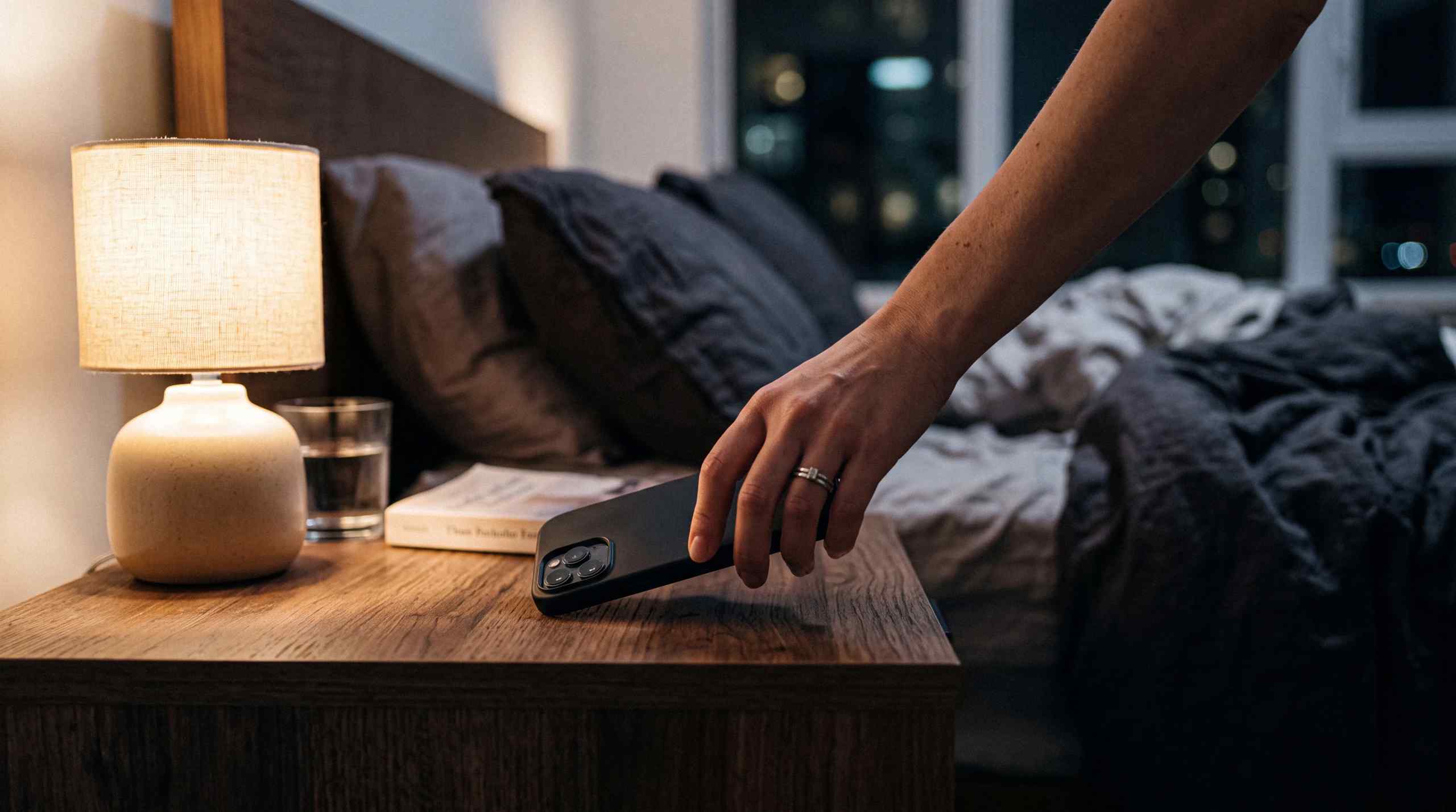
Practical strategies for logging off
So, while there is science behind this, to implement behavior, you will need tools or strategies to apply it. Here are a few strategies that many gamblers use to avoid losing their sleep:
- Determine a stopping point prior to making your first bet. Write down the time (e.g., 1 am) or the conditions (eg 3 consecutive losses) under which you will stop, and put this rule where you can clearly see it (on the front of your computer). The reason for this is that when your brain becomes overwhelmed with dopamine/cortisol, you can use this written rule as an anchor to remind yourself to stop gambling.
- Use your device to deny yourself registration access to gambling. On an average cell phone/computer, you can set an hour limit to revoke access to your gambling applications. By doing this, you completely eliminate all temptation to gamble and don't need to rely on willpower.
- Step away from the screen physically. This creates a new thought pattern. Splash cold water on your face or perform light stretching or physical activity. The purpose of this is not to be physically relaxed, but rather to interrupt your thought process.
- Verbalize the outcome. Speak out loud about what you gained or lost from gambling. An example would be "I lost $150 this session." Verbalising this information helps control your desire to obsess over this activity and provides you with closure. This may appear simple; however, it does help.
- You might not get sleep right away. The hardest part can often be lying there wondering when you will fall asleep, so stop! Give your brain something else to think about (reading an actual book, listening to a podcast without a screen); aim to achieve a state of relaxation rather than focusing on falling asleep.
- Separate the bettor from the person. The fact that you did not win does not signify that you have failed. Likewise, you have not become invincible because you won. By separating yourself, the way you play will change too, and you will be able to come back to the game tomorrow when you have gotten some much-needed sleep.
Final Thoughts
In online betting, there is always something going on. Games go on all night, and markets trade round the clock.
The issue is that your body has a 24-hour internal clock. If you ignore it over the long term, it will inevitably damage your health and your day-to-day performance, never mind your betting performance.
A refreshed bettor will make rational decisions, control tilt more healthily and pick out more edges in the market.
A tired bettor will compound losses, believe the perceived edges are higher than they actually are and struggle to stop.
Perhaps the most profitable long-term betting strategy will have nothing at all to do with math and rather all to do with closing the app and getting some sleep.
Lucie brings almost 20 years of iGaming experience, combining sports writing expertise with deep casino knowledge. Her work spans live sports coverage, slot mechanics, player-focused reviews, and strategic casino content. Known for her no-nonsense, first-hand approach, Lucie cuts through jargon to deliver clear, practical insights for both operators and players.
More Articles like this
Is Sitting as Bad as Smoking? Not Even Close
We've all heard that sitting is the new smoking. But while spending too much time on the couch carries genuine health risks, the science behind this alarming comparison tells a very different story.
By Stuart Hughes
Seven Ways Your Brain Tricks You Into Taking Risks
From chasing losses to trusting AI predictions, science reveals seven mental traps that can make risky decisions feel surprisingly reasonable.

By Stuart Hughes
From Creatine to Collagen: Which Supplements Actually Work?
From bigger muscles and healthier skin to getting a better night's sleep, wellness supplement advertising promises the world, but is the marketing department spinning scientific facts?
By Stuart Hughes
The 5 Craziest Wellness Trends People Once Swore By
Beauty is pain, or so the saying goes. Throw in the promise of a shortcut, and people will listen. Some of the wellness trends that caught on, though, were wild even by the standards of their own time.
.webp)
By Charlon Muscat
Time to Wake Up: 8 Hours of Sleep Isn't a Magic Number
For years, eight hours has been drilled into us as the perfect night's kip. Turns out, the sleep doctors think there's more to getting a good night's sleep than just clocking up the hours.

By Stuart Hughes
Do You Really Need Eight Glasses of Water a Day?
Think you need eight glasses of water a day? The science never really said that. Here’s how one of wellness’s most persistent myths took hold.
By Charlon Muscat