
Do Analog Weekends Actually Work?
Younger generations are swapping mindless scrolling for slow, tactile habits that quietly rebuild attention and real‑world connection.

For a generation that grew up glued to screens, the newest trend is a little more old‑school: Put the phone down, pick up a book, string a film camera around your neck, or just go for a long walk without a podcast as younger generations go analog for a digital detox.
The move toward “analog weekends” and flip‑phone nights is not a full‑on rebellion against technology, but a quiet, organized attempt to reclaim focus, sleep, and mood from the algorithms that now run so much of daily life.
A digital detox is no longer a spa retreat luxury. It’s a 24‑hour screen‑free day, a flip phone in your pocket instead of an iPhone, or a weekend spent hiking, crafting, and cooking offline.
Across wellness blogs, lifestyle outlets, and small businesses, this shift is framing analog habits not as nostalgia, but as mental health infrastructure in a time of dopamine fatigue and “brain rot.”
Why people are tired of screens
The problem is not just how much time we spend online, but how that time is structured. The average teenager or twenty-something is now online almost constantly, yet surveys show nearly half of Gen Zers are actively trying to limit screen time or take breaks, recognizing the importance of wellness.
Notification fatigue, sleep‑killing doom scrolling, and the mood‑draining cycle of social comparison are all textbook signs of digital burnout. The constant ping of messages, the scroll of endless feeds, and the low‑grade competition to look busy or happy on social media fray attention, raise anxiety, and make it harder to concentrate on anything that doesn’t buzz.
The World Health Organization and American Psychological Association both describe stress and anxiety as tightly tied to how people manage information overload and social pressure, much of which now flows through devices. In that context, the idea of a digital detox makes sense. It’s a way to step back before the stress solidifies into chronic burnout.
The return of analog habits
The world has become a time when everything is about technology, and that now means everyone is constantly attached to the internet.
But the analog revival is less about rejecting that tech and more about rebalancing it. Flip phones, film cameras, vinyl records, printed books, and board games are not relics. They’re becoming tools for mental resilience.
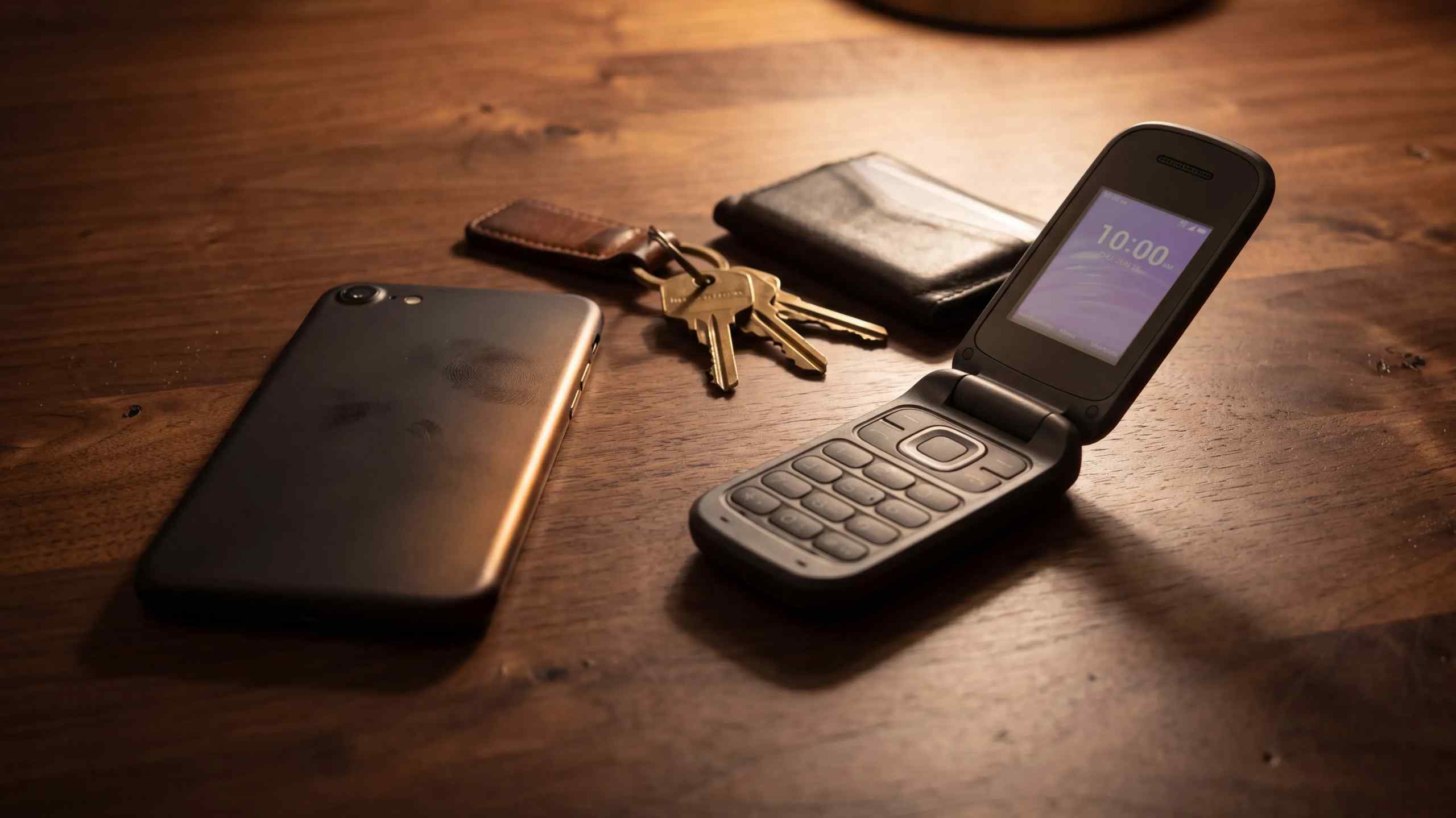
Flip phones, for example, are making a comeback among younger users who want to stay reachable without always being on. These devices limit access to social media, strip down the interface, and force a slower, more intentional style of communication.
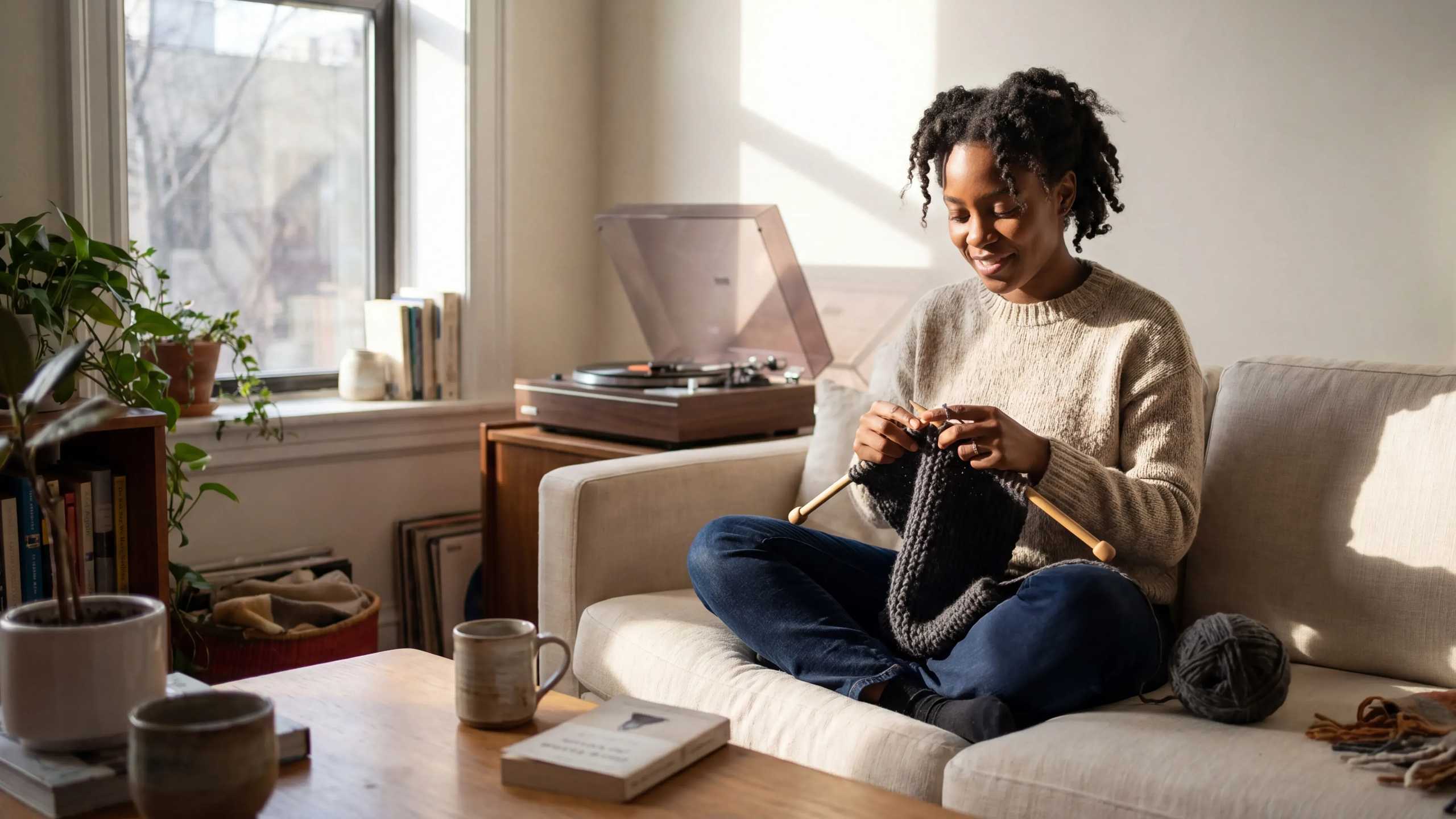
Beyond hardware, analog hobbies are spiking, too. CNN, Yahoo, and CNBC have all reported on a growing market for crafts, knitting, pottery, puzzles, and other low‑tech pastimes that require focus but not a screen. These activities literally force the brain to slow down. Knitting a scarf, writing longhand in a journal, or playing a board game doesn’t offer the dopamine hits of a TikTok scroll, but research shows that can be a feature, not a bug.

Screen‑free weekends as recovery
The most practical version of this trend is the analog weekend: a 24‑ to 48‑hour window where phone use is minimized, Wi‑Fi is optional, and the primary entertainment is outdoors, in‑person, or on paper.
This isn’t about going off‑grid for a month. It’s about creating a regular mental reset, like a weekend spa for the nervous system.
Taking a short hike, camping with friends, or just cooking a meal without scrolling is a deceptively simple form of stress relief. The WHO notes that stress often comes from a sense of loss of control, while activities that are slow, predictable, and sensory‑rich can help restore that balance.
Unstructured time, or time not planned down to the 15‑minute block, is also a rare commodity in a world of calendars, algorithms, and unscheduled doomscrolling.
By planning outdoor time, nature walks, or low‑info‑load hangs like a long meal, a board‑game night, or a walk with a friend, people are effectively scheduling recovery time in the same way they schedule workouts or therapy. The goal is not to stop using tech, but to stop letting it run the entire weekend.
Is this actually useful, or just aesthetic?
There’s a real risk that analog wellness becomes another lifestyle brand. It can become curated minimalist photos, Etsy‑style branding, and Instagramable digital detox titles that mask the deeper work of genuinely changing habits. Skeptics can point out that the same Gen Zers ditching their smartphones for flip phones still post about it, sometimes in carefully styled content.
At the same time, research on digital detox and reduced screen time is fairly detailed. Limiting notifications, lowering social media exposure, and breaking up long stretches of screen time can reduce anxiety, improve focus, and help people feel more in control of their time.
The danger is treating analog as a fashion accessory, rather than a behavioral reset. The benefits come from the repetition of the habit, not its aesthetic.
Analog wellness is not a magic fix, but it is a useful lever. If done thoughtfully, it can be one of the few places where people regain a visceral sense of agency over their attention and mood.
How to try it without going extreme
Going fully analog is not for everyone, and it shouldn’t have to be. The most effective approach is small, structured steps that feel sustainable, not performative:
- Try a 24‑hour phone break a couple of times a month. No social media, no streaming and no email after 7 p.m. until 7 p.m. the next day.
- Swap your smartphone for a flip phone for nights out so you can still be reachable without accessible feeds.
- Set app limits on social media and streaming to cap daily use, using built‑in screen‑time tools rather than willpower alone.
- Plan a monthly analog outing like a hike, a board‑game night, a pottery class, or a craft session. Something that requires engagement without a screen.
- Leave your phone in another room while you read a printed book or journal, at least for an hour before bed.
These are not acts of digital denial. They’re tests of how much better life feels when screens are a tool, not the default.
Analog practices and their benefits
| Analog practice | What it replaces | Potential benefit |
|---|---|---|
| Flip phone weekend | Constant smartphone access | Reduced social media pull, fewer notifications, less FOMO |
| Printed book | Endless scrolling before bed | Longer attention span, deeper focus, calmer mind before sleep |
| Outdoor hike | Passive screen time or doomscrolling | Mood and stress reset, physical activity, sensory richness |
| Journal or planner | App‑based productivity and checklists | Slower, clearer thinking, reflection, and reduced mental clutter |
| Board or card games | Streaming default on nights out | In‑person social connection, low‑stress interaction, play without screens |
The underlying question this trend answers is simple: “Why are people turning to analog habits and screen‑free weekends to feel mentally better?”
The answer is equally simple. The always‑on life is expensive for the brain. The analog shift is not a rejection of progress, simply a recalibration. For a generation that grew up with the internet in their hands, the newest act of rebellion is learning how to put the device down. And how to live a little more slowly, thoughtfully, and offline.
Pat Evans is a Grand Rapids-based journalist and editor covering the intersection of business, sports, lifestyle, and gambling regulation. With a background in business journalism and legislative reporting (LSR, iGamingBusiness), he brings an analytical, human-focused approach to stories about modern trends. His work has appeared in regional and national publications, and he is also the author of two books on beer history.
More Articles like this
Seven Ways Your Brain Tricks You Into Taking Risks
From chasing losses to trusting AI predictions, science reveals seven mental traps that can make risky decisions feel surprisingly reasonable.

By Stuart Hughes
From Creatine to Collagen: Which Supplements Actually Work?
From bigger muscles and healthier skin to getting a better night's sleep, wellness supplement advertising promises the world, but is the marketing department spinning scientific facts?

By Stuart Hughes
The 5 Craziest Wellness Trends People Once Swore By
Beauty is pain, or so the saying goes. Throw in the promise of a shortcut, and people will listen. Some of the wellness trends that caught on, though, were wild even by the standards of their own time.
.webp)
By Charlon Muscat
Time to Wake Up: 8 Hours of Sleep Isn't a Magic Number
For years, eight hours has been drilled into us as the perfect night's kip. Turns out, the sleep doctors think there's more to getting a good night's sleep than just clocking up the hours.

By Stuart Hughes
Do You Really Need Eight Glasses of Water a Day?
Think you need eight glasses of water a day? The science never really said that. Here’s how one of wellness’s most persistent myths took hold.
By Charlon Muscat
Hate the Gym? Try These Five Ways to Stay Active
Gyms aren’t for everyone, and that’s fine. From pickleball obsession to aerial silks, biking, bouldering, and rec leagues, here are five sweat-worthy alternatives that make exercise feel like fun, not a chore.

By Cole Rush