
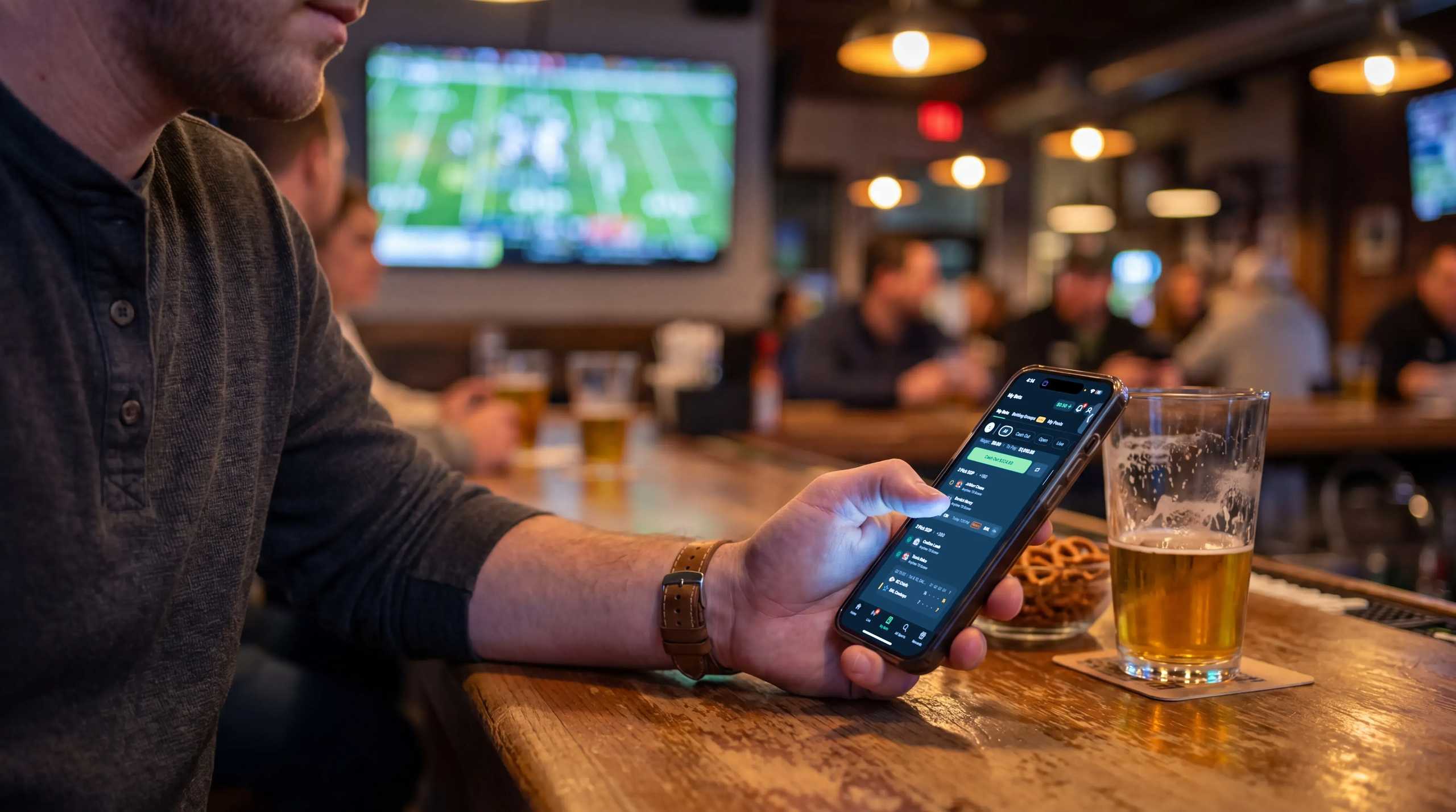
How Much Betting Is Too Much for Sports?
Sports betting has moved from the margins into the core of the game. It brings more eyes and money, but it's also testing the limits of the traditional sports model.

Sports betting comes with the territory across football, basketball, and pretty much anything that keeps score. You can’t get away from it. The biggest clubs and franchises, as well as leagues, pull in a sizable chunk of their income from gambling partnerships, along with the added money that comes thanks to higher viewership and increased fan engagement, even in everyday conversations. When something gets called an upset, it’s usually because the bookies’ odds had it the other way around. Broadcasts and podcasts regularly talk lines, while social feeds put odds right alongside pregame news and lineups.
And all of this has come together in just a few years. Because even though gambling on sports goes back to ancient times, only recently has it been brought right out into the open and made part of the experience. What this article will get into is whether all of this is changing sports too much, and if it is, does it actually make things better or worse? How much betting can sports absorb before it breaks?
How betting became embedded in the sports experience
For decades, most Americans could only bet on sports in Nevada, while everywhere else it ran through local bookies, cash in hand and off the books, outside the law. Then, in 2018, the Supreme Court of the United States, in Murphy v. NCAA, struck down the federal rule that blocked legalization, so each state got to decide for itself.
Fast forward a few years, and 38 states across the US and Washington, D.C., now allow sports betting, either online, in-person, or both. Apart from giving users access, that move opened the door to a regulated commercial market where licensed private operators entered under state frameworks and began driving significant revenue into teams, competitions, and the wider sports ecosystem.
Slowly, aside from the football or basketball game itself, sports betting found its way into the product, to the point where it now just feels like a natural part of it. Let me give you a some examples:
- Leagues and teams signed commercial deals with operators, bringing betting brands into stadiums and official channels
- Live game broadcasts display odds tickers, win probabilities, and “next play” markets during stoppages
- Pre-game shows and studio segments regularly discuss spreads and player props alongside tactics and lineups
- Media companies built betting-focused content, from picks and previews to dedicated shows and segments
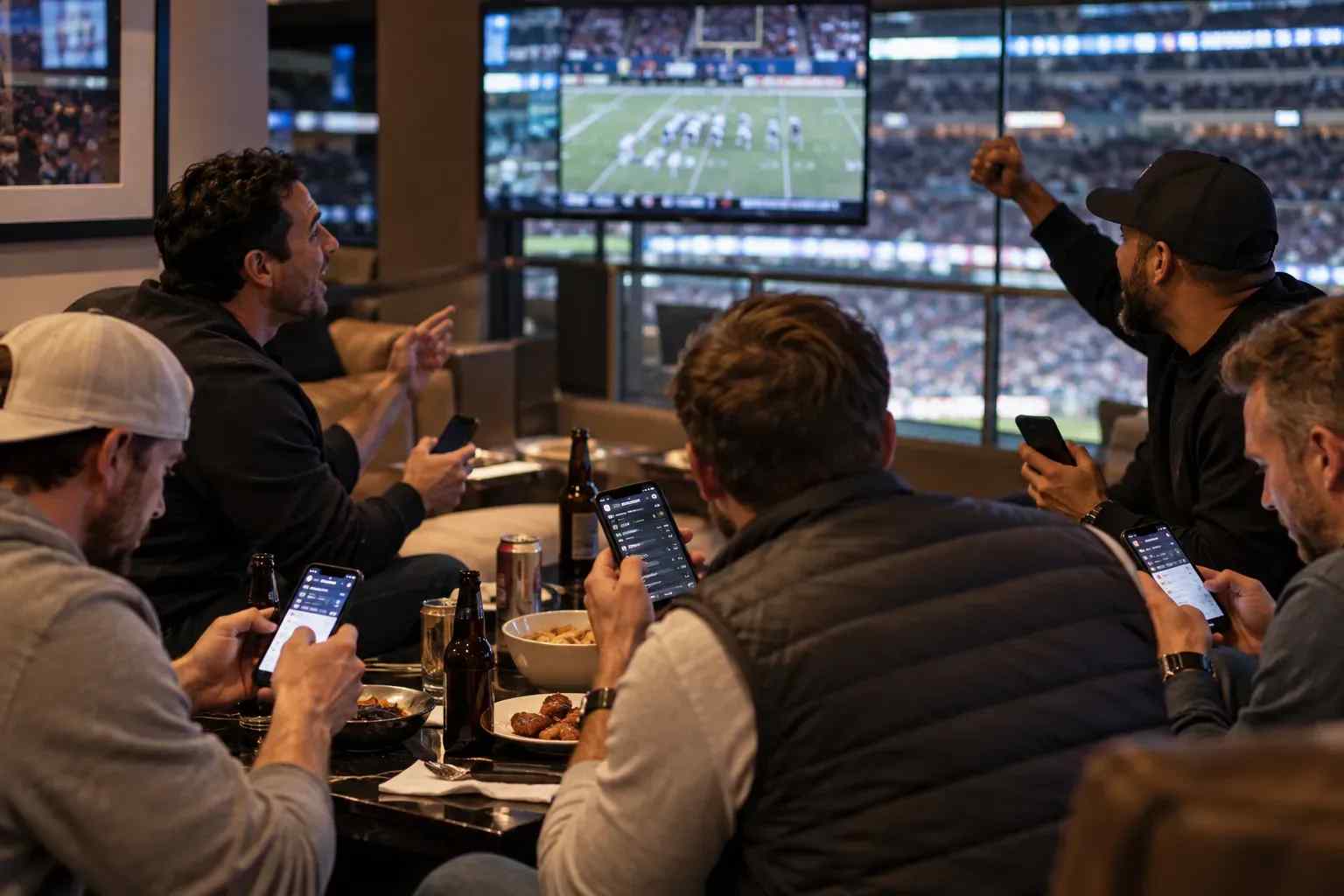
- Mobile apps made placing a bet instant, tying it directly to watching games in real time
- Data providers and sportsbooks partnered to power real-time odds and stats, plus in-play betting
- Betting language and pricing became part of everyday fan conversation
➡️ Read more: Are sports betting and prediction markets the same thing?
What betting brings to the game
Sports betting adds a lot to the overall experience beyond simply putting a ticket together and the chance of a payout. Some of that impact is direct on the user, through how games are watched and followed, while other effects ripple out across everything else connected to it.
Viewership
Sports betting lifts viewership because now fans have a reason to tune into games beyond their own team. A matchup that means nothing in the standings still draws attention when there is money involved. Even if, say, a soccer game is 85 minutes in with one team 5-0 up, a bet on the total or the next team to score is enough to keep you watching those last few minutes.
More attention to the small details
Unless you’ve got a bet on it, or your fantasy team’s hanging in the balance, very little beyond the final score really matters. Someone can be watching a game on TV, step away to grab a cup of coffee, come back, and if the score hasn’t changed, it feels like nothing was missed. But once there is a ticket on a prop or an in-play angle to manage, your eyes stay glued to the action.
Tax revenue
Instead of relying only on traditional taxes, governments now have a dedicated revenue stream tied to sports betting. And the numbers are not small. 2025 saw states pulling in roughly $2.7 billion this way.
New York, New Hampshire, and Rhode Island are the states that tax sports betting the most, all at 51% on mobile or operator revenue share models. Each of them then sets its own rules on where that money goes. States like Louisiana direct it toward education and early childhood programs, while North Carolina allocates funds to youth sports, college athletics, and problem gambling treatment.
Commercial revenue
Across the U.S., sportsbooks have signed dozens of official partnerships. Yahoo Finance analysts point to the UFC deal with DraftKings as the biggest in the space, valued at around $70 million a year. That money allows leagues and teams to invest more into operations and fan-facing experiences, like upgrading stadiums and tech that makes following games more enjoyable. It also creates predictable, multi-year revenue streams, which makes teams more financially stable and able to plan long-term rather than relying only on ticket sales and performance.

The trade-offs of sports betting
The other side of it is that betting has changed how a lot of people watch the game. For some, it’s harder to enjoy or appreciate sports the same way as before now that this layer has become part of the experience. Among the more noticeable downsides are:
Trust in the game can take a hit
As betting becomes more visible, some fans start second-guessing decisions, from referee calls to league priorities, and view parts of the sport through a more skeptical, money-driven lens rather than pure competition.
Exposure to problem gambling increases
With mobile access and constant in-play markets, betting is available to engage with at any moment. That always-on access, combined with frequent prompts and promotions, can make it harder for some users to set limits, thus increasing the risk of excessive or harmful behavior over time.
Watching can stop being just watching
Betting makes it harder to follow a game on its own terms. Attention drifts away from the play itself toward what’s riding on it, which, sure, is fun and exhilarating. But take that money angle out, and suddenly, there’s not much left holding the interest.
Athlete harassment
When bets hinge on individual moments, players often end up on the receiving end if things do not go as expected. Missed shots, turnovers, and late decisions can trigger direct messages or public criticism tied to betting outcomes. A study published by the NCAA last year revealed that 36% of Division I men's basketball student-athletes were victims of this.
Young fan exposure
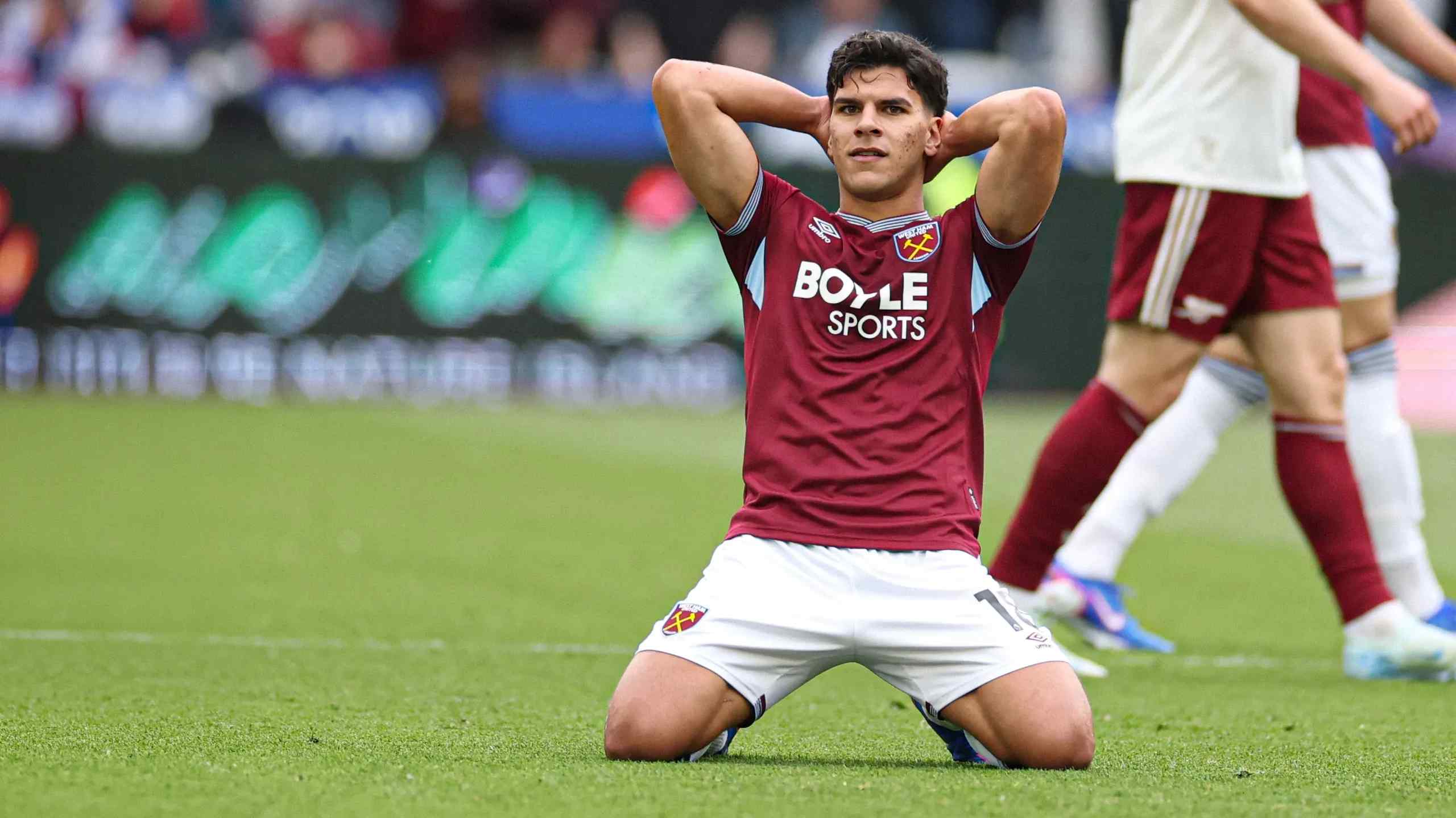
You cannot really control who ends up seeing gambling ads across broadcasts and sports media. Younger audiences grow up in such an environment and start to treat sports betting as a normal part of following a game. Not only that, they even help normalize things without realizing it, just by wearing their team’s home jersey with a big sportsbook logo across the front. All of this happens at an age when they are not legally allowed to take part, and that makes it harder for them to fully understand what sports betting actually involves and the risks behind it. For more, here's why the TikTok effect is taking over sports betting.
The pros and cons of betting in sports
| Pros | Cons |
|---|---|
| Boosts viewership beyond own team | Trust in officiating can erode |
| Increases fan engagement | Higher exposure to problem gambling |
| Makes stats and data more relevant | Focus shifts from sport to bets |
| Generates significant state tax revenue | Athletes face betting-related harassment |
| Funds leagues and team development | Normalizes gambling for younger audiences |
The integrity problem
As betting markets expand, there is greater exposure to match-fixing attempts or inside information being used to influence outcomes. Truth be told, cases are rare, but they do happen, for example:
- Lower leagues and niche events: Smaller competitions with less oversight and lower salaries tend to be more vulnerable to manipulation attempts. Investigations uncovered networks paying players as little as €500 to fix matches.
- Prop markets: Influencing players to trigger specific events like yellow cards to cash prop bets without affecting the final result.
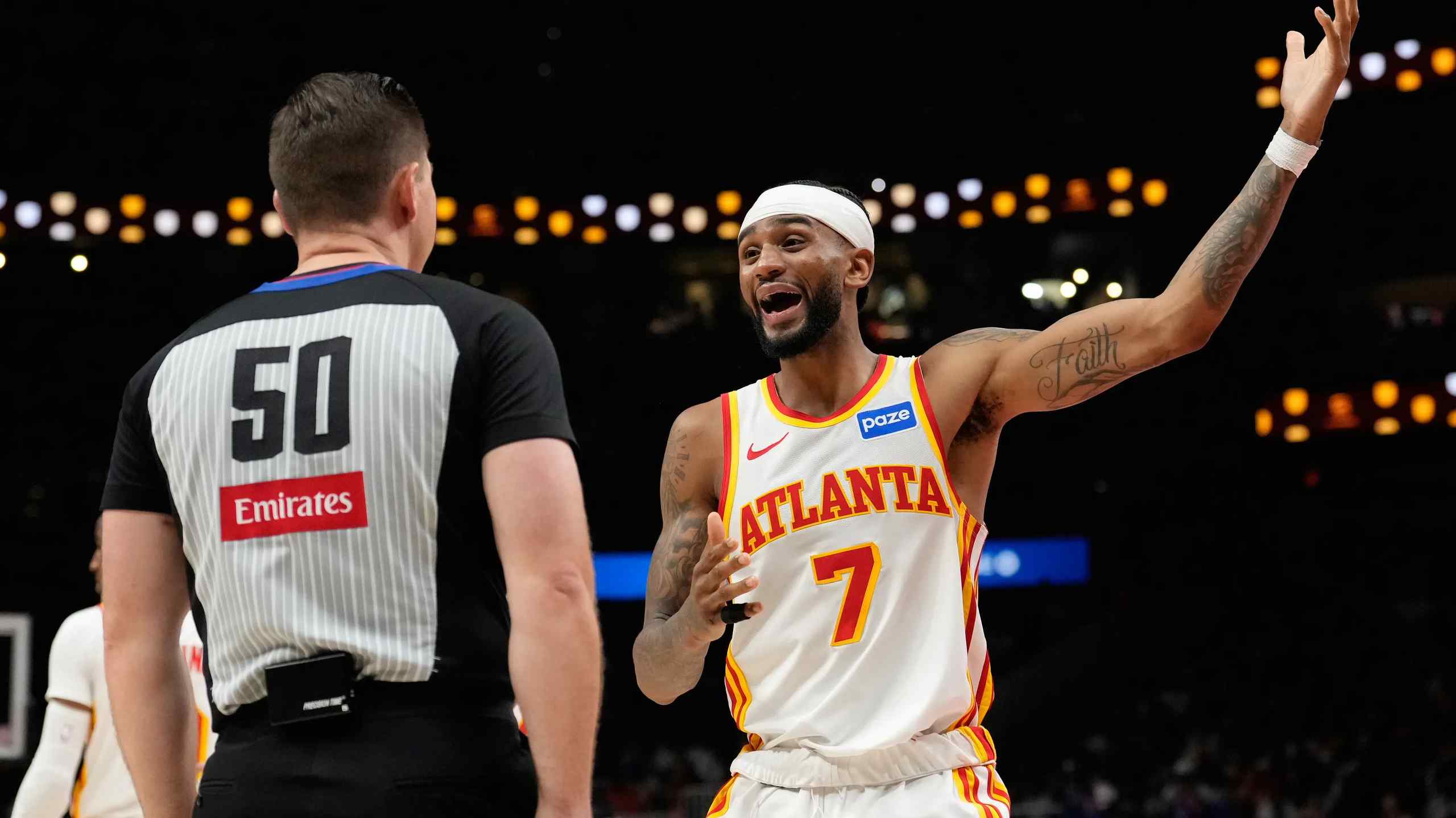
- Officiating decisions: Referees can directly swing betting outcomes, as a single subjective call, like a foul, penalty, or added time, can shift spreads and totals. Tim Donaghy was sentenced to three years in prison for exactly this in 2008.
- In-play betting windows: This is not match fixing, but still an integrity issue. Live betting relies on data feeds and broadcasts that lag behind real action by a few seconds. In sports like tennis, that gap has been used by people at the venue to place bets on points that have already happened before odds update, a practice known as “courtsiding.”
- Inside information leaks: Non-public details like injuries or lineup changes can move odds, and in cases like the 2025 NBA-linked scheme, insiders passed that information to bettors before it went public so they could get their bets before the market caught up.
Where sports hits its betting limit
The breaking point for sports comes when, for most fans, gambling starts driving the experience instead of just sitting on top as a fun add-on. At least for now, we’re not there. Events like the FIFA World Cup and NBA Finals pull in massive audiences where most viewers are not betting. You can see it in the Super Bowl — roughly 50-70 million Americans placed bets, while total TV viewership alone reached around 125.6 million. In domestic leagues and competitions, rivalries, history, and loyalty still shape engagement more than betting positions.
What we need to watch is that things don’t tip into an environment where advertising becomes overwhelming, and coverage leans too heavily toward betting. Scandals and reports of alleged fixing attempts or players receiving abuse need to be taken seriously, while at the same time putting proper safeguards in place to protect vulnerable consumers. Programs that present sports betting for what it really is — another form of entertainment with no guaranteed return — are just as important because they build awareness so fans know exactly what they are getting into.
Charlon Muscat is an established iGaming expert who entered the space in 2019 and went on to build a name across both casino and sportsbook content.
More Articles like this
Does a 4-0 NFL Start Mean You're Playoff Bound?
A 4-0 start can put your team on the fast track to the playoffs, but history shows that even Super Bowl champions don't always start strong.
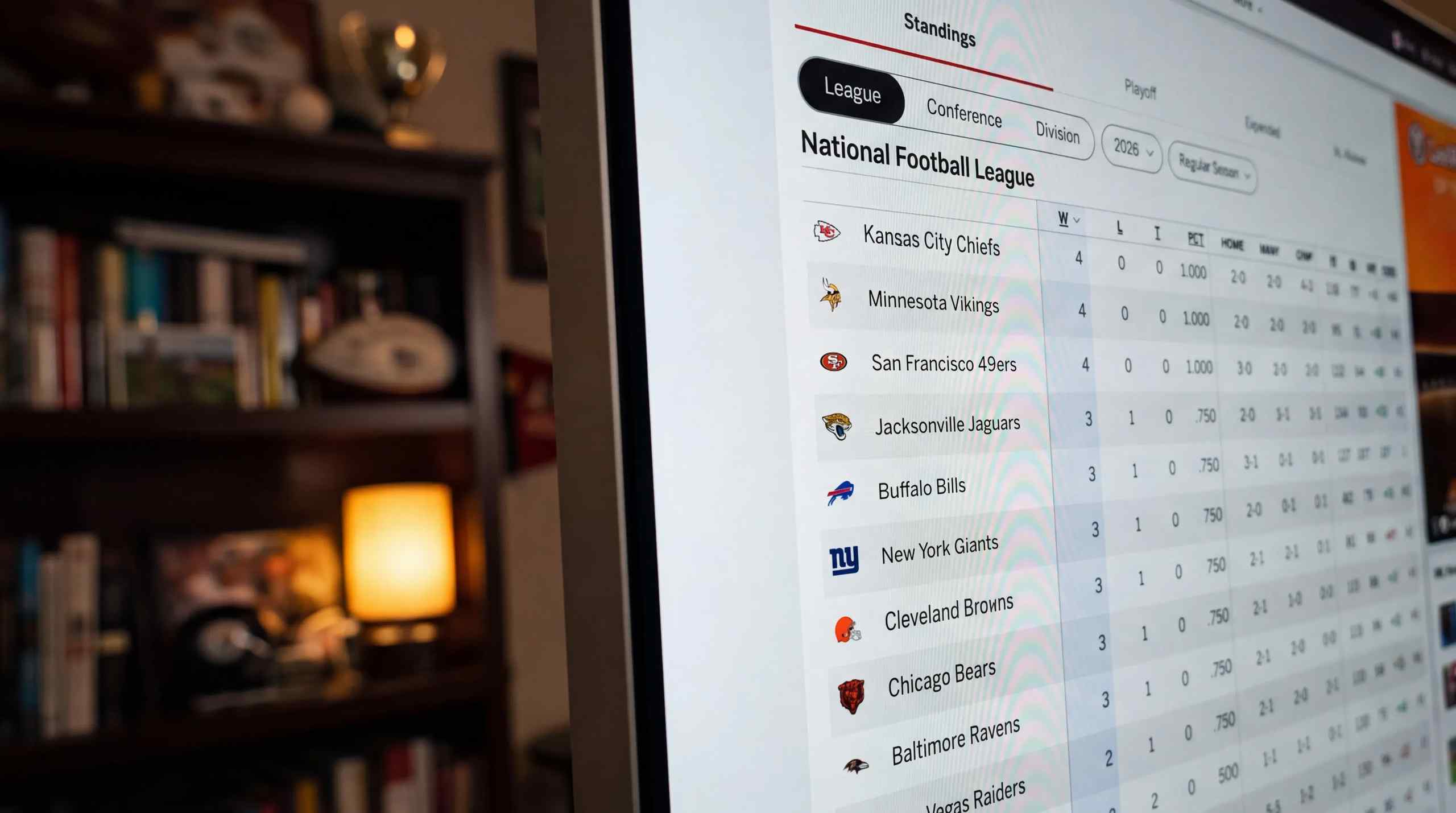
By Marcus Mosher
The 8 Greatest Sports Movies Ever Made, Ranked
Rocky isn't No. 1 by default. We ranked the eight greatest sports movies ever made, from a boxing warhorse to a table tennis fever dream, weighing critical scores against what actually stuck.
By Cole Rush
Which Sports Punish Losing Teams the Most?
From a punishing relegation to first draft pick optimism, discover which sporting leagues have the highest penalties for a losing season and those that feel comparatively lenient.
By Stuart Hughes
MLB Playoff Byes Aren't the Advantage You Might Think
Since baseball went to its current 12-team playoff format, the results show that bye teams only hold a slight Division Series advantage over Wild Card winners.

By Bill Gelman
McKenna, Martone Lead 5 NHL Rookies to Watch
Gavin McKenna and Porter Martone enter as the favorites, but a deep 2026-27 rookie class gives the Calder Trophy race plenty of potential challengers.

By Bill Gelman
Parlaymint Wants to Turn Parlays Into a Team Sport
Parlaymint turns the group parlay into a social sport, giving every bettor one pick, a share of the payout and potentially the entire bill if their leg is the only one that loses.
By Charlon Muscat