
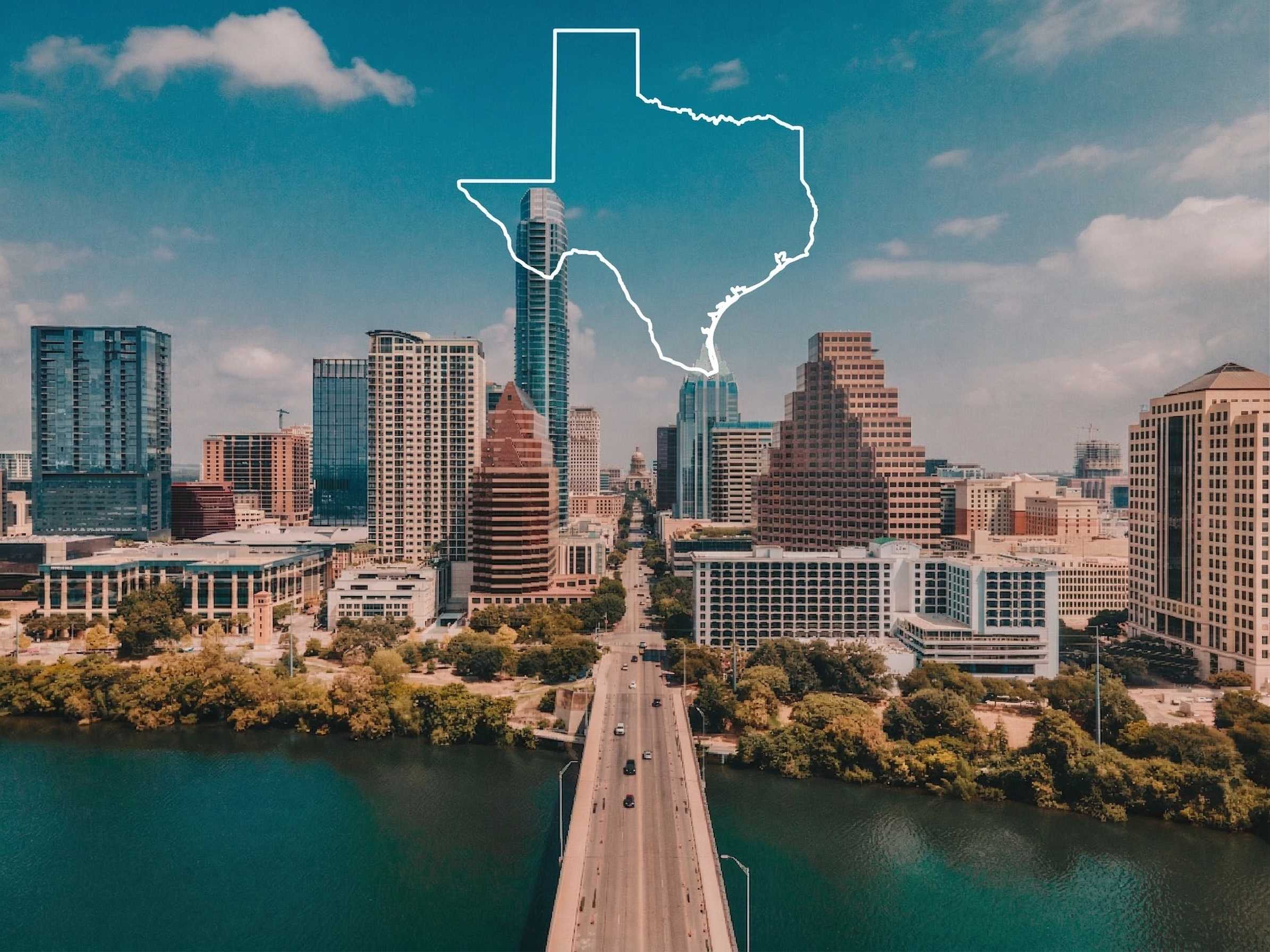
Texas Sports Betting & Online Gambling: What's Legal in 2026
Texas sports betting explained for 2026: Bodog covers what's legal in Texas online betting, including prediction markets, DFS apps, and sweepstakes casinos.

Texas sports betting is illegal in 2026: no licensed sportsbook, mobile or retail, is permitted to operate in the state. Texas is the "White Whale" of the U.S. gambling industry. With a population approaching 32 million and a fervent sports culture built around the Dallas Cowboys, Houston Texans, San Antonio Spurs, and a constellation of college programs, it is widely regarded as the largest untapped regulated wagering market in the country. A regulated Texas sports betting market could yield hundreds of millions of dollars annually in tax revenue, and Texas lawmakers have proposed sports betting legislation since 2020.. However, real-money online casino gaming is also illegal. That said, Texans are far from out of options: prediction markets, sweepstakes casinos, and peer-to-peer daily fantasy sports platforms all operate legally within the state. Many Texans already participate in sports betting through illegal bookmakers or offshore websites; this guide covers the options available to Texans exploring their legal sports betting and gambling options in the state.
BETTING-BY-REGION
BETTING-BY-REGION
Texas
Mobile Sportsbooks
Prediction Markets
4 markets available



.webp)
Online Casinos
Sweepstakes Casinos
Available statewide
Daily Fantasy Sports
Top Prediction Markets
.webp)
Prediction Markets: Legal Online Betting for Texas Sports Fans
Because traditional licensed sportsbooks are banned in Texas, prediction markets have exploded in popularity across the state. Unlike sports betting, which is governed at the state level, these platforms operate as "event contract exchanges" under the federal oversight of the CFTC (Commodity Futures Trading Commission), the same regulatory body that oversees futures and derivatives markets. This federal jurisdictional framework allows them to operate in Texas and other states where sports wagering remains prohibited.
How Prediction Market Contracts Work in Texas
Instead of "betting" $100 on the Texas Longhorns to win, you "buy" 100 "Yes" contracts at a market price (for example, 60 cents per contract). If the Longhorns win, each contract pays out at $1.00. If they lose, the contract expires at $0. You can also sell your contracts before the event concludes if the market moves in your favor, a key structural difference from a traditional sportsbook wager, where your position is locked in at placement. Fees are typically lower than sportsbook vig, and the exchange model means you are trading against other market participants rather than against the house.
Online Casino Gaming in Texas (Illegal)
Real-money online casino gaming is strictly prohibited by the Texas Penal Code. Unlike sports betting, where there is at least a vocal and well-funded coalition pushing for legalization, there is virtually no political momentum to legalize iGaming in Texas in the foreseeable future. The state's conservative legislative majority views online casino expansion as a step too far, even among lawmakers who might otherwise be open to regulated sports wagering.
For Texans who want to play slots, blackjack, or roulette online, the only legal avenue is sweepstakes casinos: platforms that operate under a "no purchase necessary" promotional model.
Sweepstakes Casinos: Legal Gambling Alternatives for Texans
With no commercial casinos in Texas, and the nearest legal slot machines located across the border in Oklahoma or Louisiana, sweepstakes casinos have become the primary way Texans play slots and table games from home. These platforms operate under a dual-currency model. Players use "Gold Coins" for free play and "Sweeps Coins" (earned through promotions or as free gifts with Gold Coin packages) for games that can be redeemed for real prizes. Because no direct purchase of sweeps currency is required, these platforms are considered legal promotional sweepstakes under federal and Texas law.
Sweepstakes casinos are not regulated gambling operators in the traditional sense. They are not licensed by a state gaming commission, and player funds are not protected by the same consumer safeguards that apply in states with licensed iGaming. Players should treat these platforms accordingly: they are legal entertainment products, not regulated gambling sites. Age verification requirements typically set the minimum age at 18 or 21, and responsible gaming tools vary by platform.
Top Sweepstakes Casinos











Top 5 Recommended Sweepstakes Casinos for Texas Players
Stake.us
The Verdict: The undisputed top pick for Texas crypto users. Stake.us offers an excellent Live Dealer library: Blackjack, Roulette, and Baccarat are available to Texans in a sweepstakes format. The "Rakeback" rewards system is superior to any competing platform, making it particularly attractive for high-frequency players. Crypto deposits (BTC, ETH, LTC) are processed quickly and without the friction that card payments sometimes encounter on sweepstakes platforms.
WoW Vegas
The Verdict: The best library of authentic slot titles. WoW Vegas sources its content from the same major studios that supply land-based casinos, giving it a legitimacy that many sweepstakes competitors lack.
High 5 Casino
The Verdict: The most polished and technically stable app in the sweepstakes space. High 5 Games has physically installed machines in casinos worldwide, and that pedigree shows. The app is fast, reliable, and features "Diamonds," a third type of vitual currency that can be redeemed for spins and boosted rewards.. For Texans who prioritize a premium user experience, this is the benchmark.
McLuck
The Verdict: Best for jackpot hunters. The "McJackpot" progressive feature adds a layer of excitement to every spin, and the mobile UI is sleek and modern with a Dark Mode default. McLuck accepts credit cards and Apple Pay, making it one of the most accessible platforms for Texans who prefer not to use crypto or bank transfers.
Global Poker
The Verdict: The only legal way to play online poker in Texas. While "card houses" (private poker clubs) exist in Austin, Dallas, and Houston under a legal gray area, Global Poker allows you to play Texas Hold'em tournaments from home under the sweepstakes model. For Texans who want to grind multi-table tournaments without leaving the house, this is the only option available.
Daily Fantasy Sports in Texas: The Peer-to-Peer Era
Texas residents can access over 10 DFS apps, since daily fantasy sports (DFS) in Texas has operated in a legal gray area since 2016. In 2025, major operators, including PrizePicks and Underdog, shifted their Texas operations toward peer-to-peer (P2P) contest formats: PrizePicks to its "Arena" model and Underdog to its "Champions" format. This structural shift was designed to strengthen their legal position by framing contests as games of skill between players rather than bets against the house. By removing the operator as the counterparty, these platforms argue they fall outside the scope of Texas gambling statutes. Classic salary-cap DFS operators like DraftKings and FanDuel have continued to operate in Texas under the existing legal framework, as their contests have long been defended as skill-based competitions. Minimum age requirements for DFS platforms in Texas are generally set at 18.
Texas DFS Operator List
Operator | Game Mode in Texas | Status |
PrizePicks | Arena (Peer-to-Peer) | ✅ Active |
Underdog | Champions (Peer-to-Peer) | ✅ Active |
DraftKings | Classic Salary Cap | ✅ Active |
FanDuel | Classic Salary Cap | ✅ Active |
Sleeper | Picks vs. Friends | ✅ Active |
Betr Picks | Peer-to-Peer | ✅ Active |
Dabble | Social Copying | ✅ Active |
Vivid Picks | Peer-to-Peer | ✅ Active |
Top 5 Recommended DFS Apps for Texas Players
PrizePicks (Arena)
Experience: You select "More/Less" on 2–6 player props. You are then placed in a group with other users, and the entry with the highest score wins the pot.
Underdog Fantasy
Experience: Underdog dominates the "Best Ball" season (April–August), offering the deepest draft-format contests in the industry.
DraftKings Daily Fantasy
Experience: The classic salary-cap format remains unchanged and continues to operate in Texas. Texans regularly compete in the $1M+ prize pools available in NFL Sunday Millionaire contests.
Sleeper
Experience: Best for social circles. If you have a group of friends in Dallas, Houston, or San Antonio, you can create a contest exclusively for your group, making it a true skill game among people you know.
Dabble
Experience: A unique "Social DFS" app where you can follow top-performing players ("Sharps") and copy their entries with a single tap.
Texas Sports Betting Laws: A Legislative Deadlock
Despite massive lobbying efforts from the Sports Betting Alliance ( a trade group backed by the Dallas Cowboys, Texas Rangers, Houston Rockets, and Dallas Mavericks) and the Adelson family (Las Vegas Sands), legislation to legalize Texas mobile sports betting failed once again in the 2025 Legislative Session. The 2025 session actually saw a regression in support compared to 2023: a dozen House Republicans publicly declared they would oppose any attempt to expand gambling. Because the Texas Legislature meets only in odd-numbered years, the 2025 session was the last opportunity before 2027. With that session now concluded without a vote on sports betting, there is no legislative path to legalized sports wagering in Texas until the 2027 session at the earliest.
Texas Sports Betting: Current Legal Status
- Mobile Betting: ❌ Illegal. No licensed online sportsbook operates in Texas.
- Retail Betting: ❌ Illegal. Texas has one tribal casino: Kickapoo Lucky Eagle Casino Hotel, operated by the Kickapoo Traditional Tribe of Texas near Eagle Pass, but it does not offer a sportsbook.
- Offshore Usage: Significant. According to the Texas Sports Betting Alliance, Texans are estimated to wager billions of dollars annually on unregulated offshore betting sites, though using these platforms carries substantial financial and legal risk.
Given these restrictions, Texans often cross state lines to legally wager, visiting New Mexico, Arkansas, or Louisiana.
Timeline of Texas Online Gambling Legislation
Year | Event | Impact |
2019 | Sports Betting Alliance Formed | Professional teams: Cowboys, Mavericks, Rangers, Rockets, unite to lobby for legalization of regulated sports wagering in Texas. |
2021 | Legislative Failure | First serious push for legal sports betting dies in committee. Lt. Gov. Patrick signals strong opposition. |
2023 | House Passes HJR 102 | Historic moment: The Texas House passes a sports betting constitutional amendment 101–42, but Lt. Gov. Patrick refuses to refer the enabling legislation to a Senate committee, effectively killing it. |
2023 | Adelson Acquires Mavericks Stake | Miriam Adelson (Las Vegas Sands' largest shareholder) acquires a controlling interest in the Dallas Mavericks, signaling a long-term strategic bet on Texas casino legalization. |
2024–2025 | P2P Shift | PrizePicks and Underdog transition to peer-to-peer contest models in Texas to strengthen their legal standing under state gambling statutes. |
2025 | Session Failure: Worse Than 2023 | The 2025 legislative session ends without a hearing on sports betting or casino bills. A dozen House Republicans publicly oppose expansion. Governor Abbott signals openness, but Senate opposition proves insurmountable. |
Dec. 2025 | Prediction Markets Launch | DraftKings launches its Predictions app on December 19, 2025, offering Texans federally regulated sports event contracts for the first time through a major branded platform. |
2026 | Patrick Re-Election Campaign | Lt. Gov. Dan Patrick announces his 2026 re-election bid. If successful, legal sports betting in Texas is considered unlikely before the 2029 legislative session. |
Future Outlook: Will Texas Ever Legalize Sports Betting?
The future of legal gambling in Texas is a high-stakes chess match between massive corporate interests: Las Vegas Sands (backed by the Adelson family), Jerry Jones and the Dallas Cowboys, and major online betting operators like DraftKings and FanDuel, and entrenched political figures led by Lt. Gov. Dan Patrick. The outcome of the 2026 election cycle will be the single most important variable in determining when, or whether, Texans will ever have access to a licensed mobile sportsbook.
- The "Patrick" Problem: Lt. Governor Dan Patrick effectively controls the Senate agenda. He has stated he will not bring a gambling bill to the floor without a majority of Republican support, not merely bipartisan support. He is running for re-election in 2026 and is considered the heavy favorite. If he wins a fourth four-year term, legal sports betting in Texas is unlikely before the 2029 legislative session at the earliest.
- The "Las Vegas Sands" Strategy: The Adelson family is not lobbying for mobile betting apps; they are playing for destination resort casinos in Dallas and Houston. They are unlikely to support a "mobile-only" bill that does not include physical casino licenses. This fundamental tension between the mobile-first interests of DraftKings and FanDuel and the brick-and-mortar ambitions of Las Vegas Sands complicates the path to any comprehensive gambling bill in Texas.
- The 2027 Session: This is the next legislative window for Texas sports betting. If Patrick retires, loses influence, or if the composition of the Senate shifts meaningfully toward pro-gambling Republicans, a "sports betting only" constitutional amendment, which would require voter approval, has a plausible path to passage. However, given the 2025 regression in House support and the Senate's structural opposition, the odds remain challenging.
Texas Online Betting in 2026: Know Your Options
Texas sports betting remains illegal in 2026. The 2025 legislative session was a step backward, not forward. Lt. Gov. Dan Patrick's re-election campaign signals that the 2027 session, the next available legislative window, will face the same structural opposition that has blocked every serious gambling bill since 2021.
But federally regulated prediction markets from DraftKings Predictions and Kalshi allow residents to trade on Cowboys games, Longhorns matchups, and Houston Astros outcomes right now, legally, under CFTC oversight. Sweepstakes casinos like Stake.us and WOW Vegas provide legal casino-style entertainment without requiring a trip to Oklahoma. And peer-to-peer DFS platforms like PrizePicks Arena and Underdog Champions offer the competitive, skill-based engagement of sports betting without the legal exposure of offshore sites.
Texas Sports Betting & Online Gambling FAQs
Is sports betting legal in Texas?
No. Texas sports betting is illegal as of 2026. No licensed mobile or retail sportsbook is permitted to operate in the state.
What online gambling is legal in Texas right now?
Three categories of online wagering are currently available: federally regulated prediction markets (e.g., DraftKings Predictions, Kalshi); sweepstakes casinos (e.g., Stake.us, WOW Vegas); and daily fantasy sports platforms (e.g., PrizePicks Arena, Underdog Fantasy).
Why is sports betting still illegal in Texas?
The primary obstacle is Lt. Governor Dan Patrick, who controls the Texas Senate agenda and has consistently blocked gambling bills from receiving a floor vote or even a committee hearing. Patrick has stated that there is insufficient Republican support in the Senate to justify advancing gambling legislation. The 2025 session saw a regression in support compared to 2023, with a dozen House Republicans also publicly opposing expansion.
When could Texas legalize sports betting?
The earliest realistic opportunity is the 2027 legislative session, the next time the Texas Legislature convenes in an odd-numbered year. However, with Lt. Gov. Dan Patrick running for re-election in 2026 and considered the heavy favorite, meaningful gambling reform may not occur until 2029 or later. Any legalization would also require a constitutional amendment approved by Texas voters.
What are prediction markets, and are they legal in Texas?
Prediction markets are platforms that allow users to trade contracts on the outcomes of real-world events, including sports games. Instead of placing a traditional bet, you buy or sell contracts that pay out at $1.00 if the outcome you selected occurs and $0.00 if it does not. These platforms operate under the oversight of the U.S. Commodity Futures Trading Commission (CFTC) at the federal level, which is why they can operate in Texas despite the state's prohibition on sports betting. DraftKings Predictions, Kalshi, ForecastEx, and Robinhood all offer event contracts to eligible Texas residents.
Are sweepstakes casinos legal in Texas?
Yes. Sweepstakes casinos operate legally in Texas under a "no purchase necessary" promotional model. Players receive Sweeps Coins through free promotions or as a bonus when purchasing Gold Coins (used for free play), and those Sweeps Coins can be redeemed for real prizes. Because no direct purchase of sweeps currency is required to participate, these platforms are considered legal promotional sweepstakes rather than gambling under Texas law. However, they are not regulated by a state gaming commission and do not carry the same consumer protections as licensed gambling operators.
Can I use DraftKings or FanDuel for sports betting in Texas?
Not for traditional sports betting. DraftKings Sportsbook and FanDuel Sportsbook are not licensed to operate in Texas, and placing real-money sports wagers through those platforms from within the state is illegal. However, both DraftKings and FanDuel operate daily fantasy sports products in Texas, and DraftKings launched its separate DraftKings Predictions app in December 2025, which offers federally regulated sports event contracts to Texas residents.
What is the Kickapoo Lucky Eagle Casino, and does it offer sports betting?
The Kickapoo Lucky Eagle Casino Hotel, operated by the Kickapoo Traditional Tribe of Texas near Eagle Pass, is the only tribal casino operating in Texas. It offers slots, poker, and bingo, but does not offer a sportsbook. Sports betting at tribal casinos in Texas would require a separate regulatory framework that does not currently exist under state or federal compact agreements.
Is daily fantasy sports legal in Texas?
DFS platforms remain active in Texas, but their legal status is unsettled. In 2016, Attorney General Ken Paxton issued a non-binding opinion suggesting DFS contests could constitute illegal betting under the Texas Penal Code. No court has definitively ruled on the matter. Major operators have responded by shifting to peer-to-peer contest formats (PrizePicks Arena, Underdog Champions) to strengthen their legal arguments. Classic salary-cap DFS from DraftKings and FanDuel also continues to operate in the state.
What are the risks of using offshore betting sites in Texas?
Offshore betting sites carry significant risks, including a lack of consumer protections, dispute resolution, or payout guarantees, and vulnerability to fraud.
What Texas sports teams can I trade on via prediction markets?
Major professional sports leagues, including the NFL (Cowboys, Texans), NBA (Mavericks, Rockets, Spurs), MLB (Astros, Rangers), and major college football programs.
How does the "no purchase necessary" model work for sweepstakes casinos?
Sweepstakes casinos use a dual-currency system in which "Sweeps Coins" (redeemable for prizes) are always available through free promotions, satisfying the legal definition of a sweepstakes rather than a casino.
Bodog’s Sports Betting Guides by State
At Bodog, we feature up-to-date coverage of sports betting in each state. Explore the following list and find our authoritative guide to sports betting in your home state.
Alabama
Alaska
Arizona
Arkansas
California
Colorado
Connecticut
Delaware
Florida
Georgia
Hawaii
Idaho
Illinois
Indiana
Iowa
Kansas
Kentucky
Louisiana
Maine
Maryland
Massachusetts
Michigan
Minnesota
Mississippi
Missouri
Montana
Nebraska
Nevada
New Hampshire
New Jersey
New Mexico
New York
North Carolina
North Dakota
Ohio
Oklahoma
Oregon
Pennsylvania
Rhode Island
South Carolina
South Dakota
Tennessee
Utah
Vermont
Virginia
Washington
West Virginia
Wisconsin
Wyoming
Arthur Crowson got his start in traditional newspapers before making the jump to digital media, where he's spent the last ten years writing about poker, finance, crypto, gambling, and emerging tech. Over that time, he's developed a knack for spotting the moments when markets, technology, and gambling pull in the same direction. His work has appeared in publications like PokerListings, CryptoVantage, ValueWalk, and PokerScout.
More Articles like this
LeBron to Giannis: Ranking 5 NBA Offseason Stunners
LeBron to Philly, Giannis to Miami, and Wemby staying put. Which NBA offseason move will pay off the most?
By Bill Gelman
NFL Fans Spend $900 to Watch Games. WWE Fans Pay Even More
Think watching every NFL game is expensive? WWE fans would argue otherwise.

By James Guill
How Bad Is It? Ranking the NHL's Original Six by Fan Misery
Nearly 60 years without a Stanley Cup is just the beginning. We rank the NHL's Original Six teams by how much misery their fans have endured.
By Bill Gelman
Why Does Everybody Hate Us? 10 Most Hated Sports Teams Ever
Some teams always win; others get caught breaking the rules. Either extreme is a surefire way to become universally hated, as these 10 sports teams can attest to.
By Stuart Hughes
5 Outrageous Sports Rules That Need to Die
From a missed signature disqualification to a two-minute penalty for a tucked-in jersey, find out about the top five dumbest rules in sport that leave common sense in the locker room.
By Stuart Hughes
The 10 Most Unforgettable Quotes in Sports History
From Jordan's hard truths to Healy's cheeseburger dig, these legendary greats uttered 10 iconic quotes that turned out to be as memorable as their sporting achievements.

By Stuart Hughes