
Who Are the 5 Cheapest Owners in Sports?
Some of the world's richest sports owners have built reputations for spending like they're broke. We ranked the five worst offenders, and tested whether the reputation actually holds up against the numbers.
%20(1).webp)
Being a billionaire doesn't always mean spending like one.
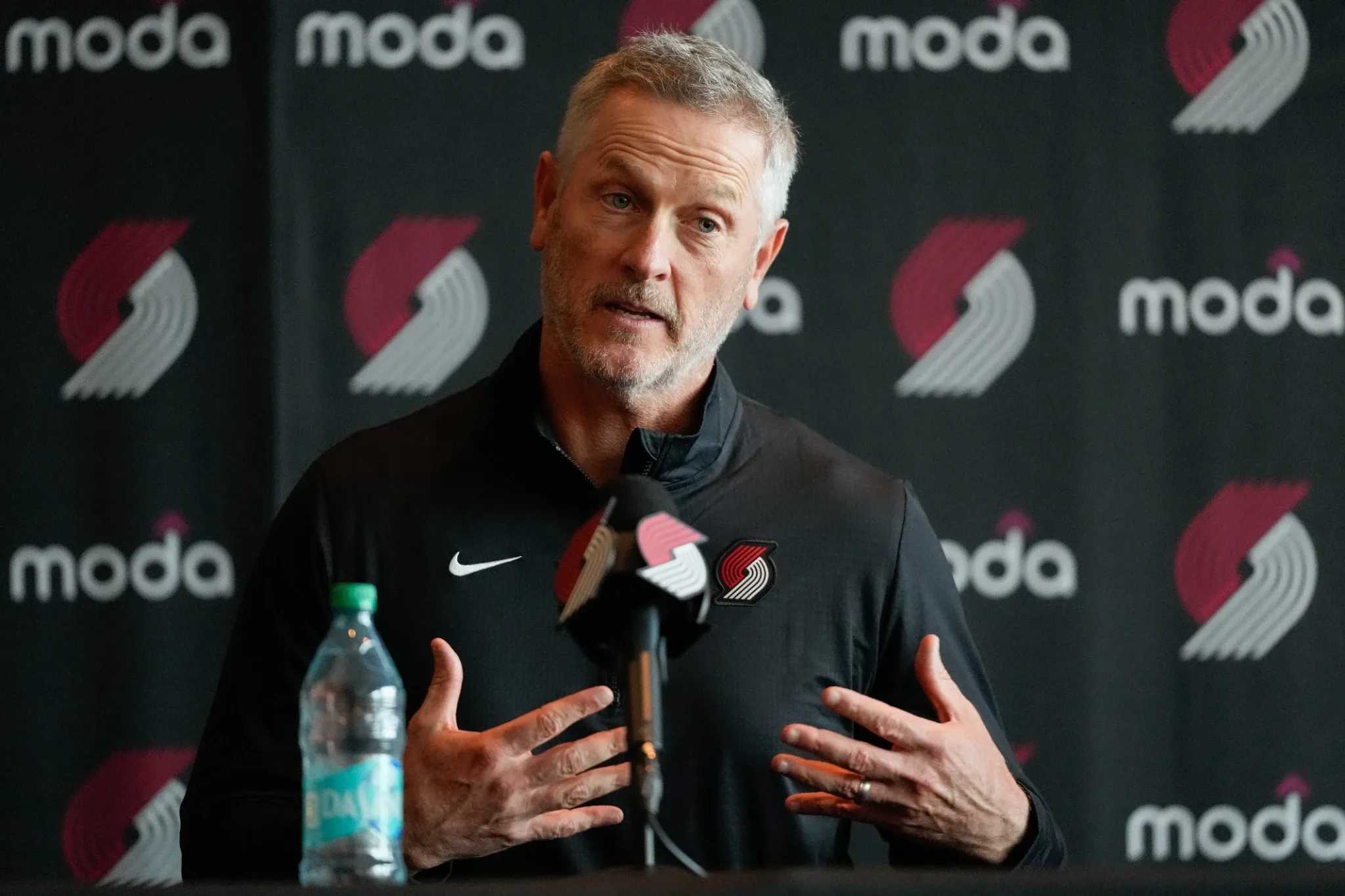
Tom Dundon paid roughly $4.2 billion for the Portland Trail Blazers and immediately started cutting costs like the purchase had cleaned out his checking account.
Since taking control in Portland, the Carolina Hurricanes owner has laid off about 70 employees, pared back travel expenses, overhauled the broadcast crew, and skipped the free playoff T-shirts that practically come standard in the NBA.
Dundon is too new in Portland to crack this ranking, but he is already a useful reminder: Spending billions to buy a team does not mean spending freely to run one. Across professional sports, plenty of owners have spent years proving the difference.
What Actually Makes an Owner "Cheap"?
A small-market owner working with limited local revenue isn't the same as an owner of a billion-dollar franchise who simply chooses not to spend what the business supports.
Payroll relative to league average matters, but so does franchise value, actual team revenue, luxury-tax avoidance, and whether spending disappears specifically during a real championship window.
Cheap should mean spending less than a franchise could reasonably afford, not just spending less than everyone else.
5. Bob Nutting, Pittsburgh Pirates
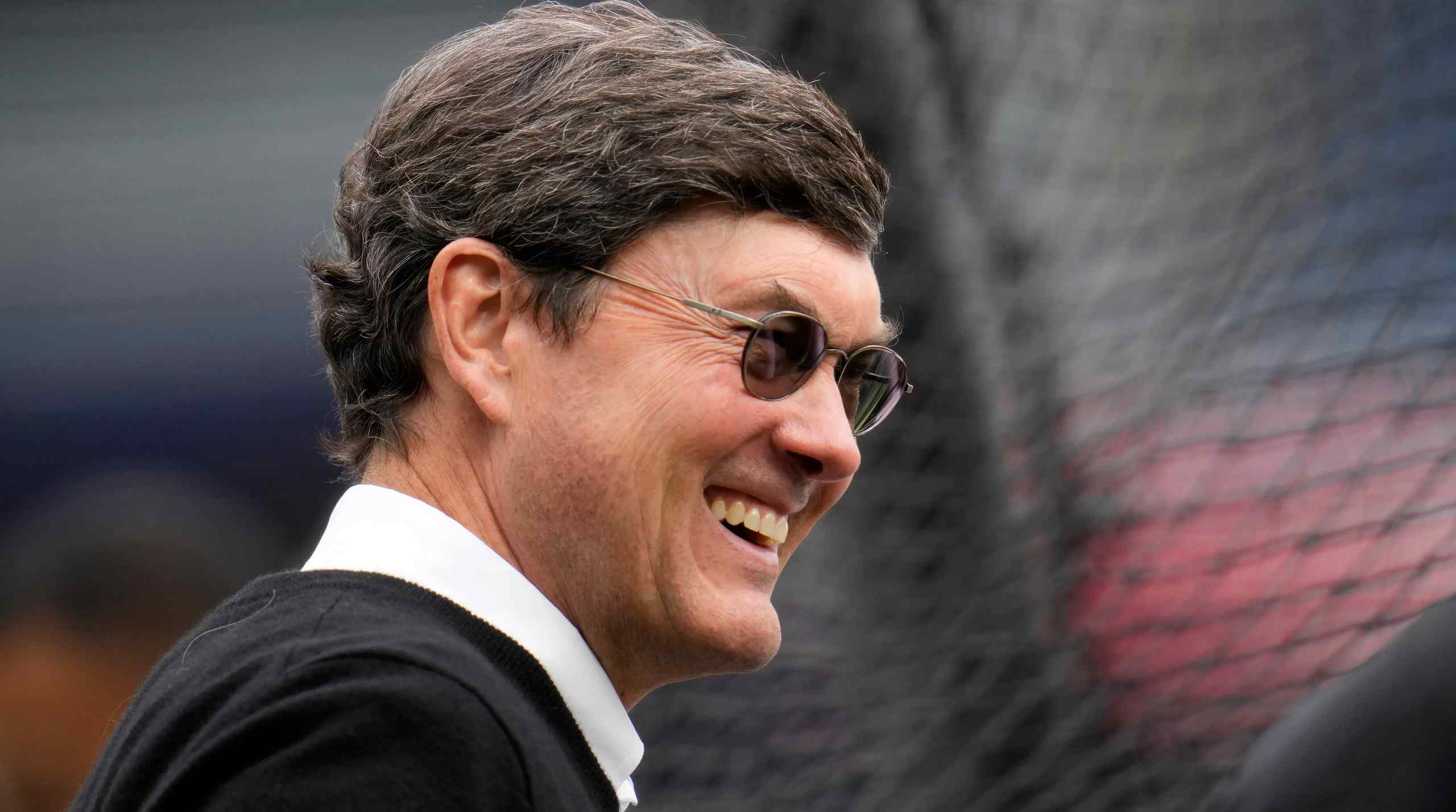
Nutting has owned the Pirates since 2007, and the team has finished in MLB's bottom five for Opening Day payroll in 16 of those 19 seasons.
The 2025 payroll sat at $86.5 million, 26th of 30 teams, on a franchise Forbes values at $1.62 billion.
MLB itself sent an executive to Pittsburgh in 2023 specifically to press Nutting on revenue-sharing money the league felt wasn't being reinvested in the roster.
4. The Glazer Family, Manchester United
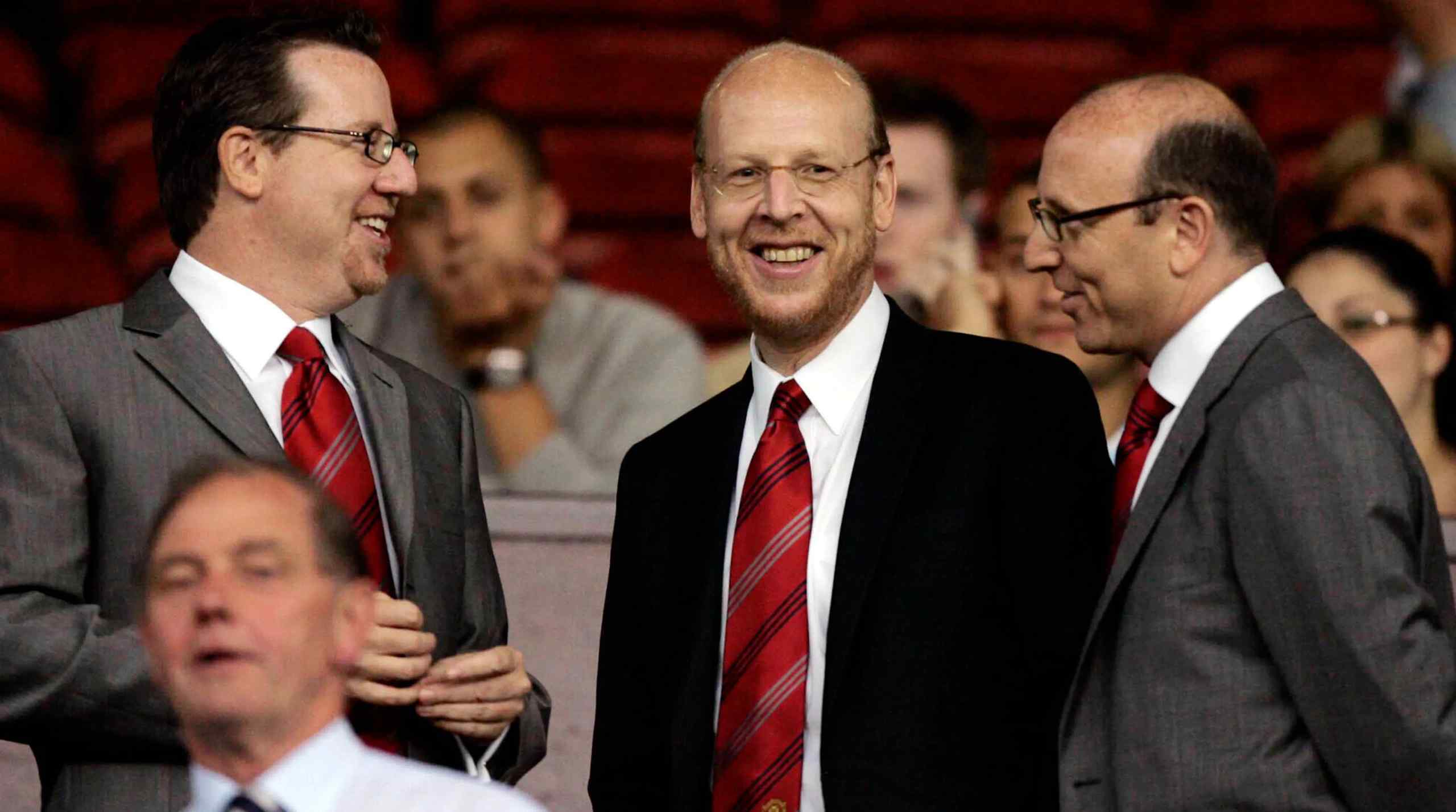
The international entry, and a different flavor of cheap.
The Glazers financed their 2005 takeover of Manchester United with a leveraged buyout that saddled the club with debt still north of £700 million today.
Man United pulled in $835 million in revenue in the 2023-24 season against just $186 million in EBITDA, and the family extracted roughly £90 million in dividends between 2015 and 2019 rather than reinvesting it. By their own admission, they haven't put personal money into the club across two decades of ownership.
Man United is currently worth an estimated $6.6 billion, one of the most valuable clubs on the planet, run by owners who treat it more like a debt-servicing asset than a football club.
3. Bruce Sherman, Miami Marlins

Sherman and Derek Jeter bought the Marlins in 2017 for $1.2 billion and immediately signaled the plan: gut the roster, including trading away Giancarlo Stanton.
The Marlins entered the 2025 season with the lowest payroll in MLB outright, on a franchise Forbes now values at $1.05 billion. Sherman has said the money is going toward infrastructure instead of players. Fans have heard some version of that explanation every year since 2017.
2. John Fisher, Athletics
Fisher's ownership produced one of the ugliest fan revolts in modern sports, "Sell the Team" chants included, as the A's payroll sank into the $50 to $80 million range for years running while the team relocated first out of Oakland and eventually toward Las Vegas.
The relocation deal alone padded the franchise's value to $2 billion, meaning Fisher's team got more valuable while the on-field product got worse and the payroll stayed near the bottom of the league.
1. Jerry Reinsdorf, Chicago Bulls and Chicago White Sox
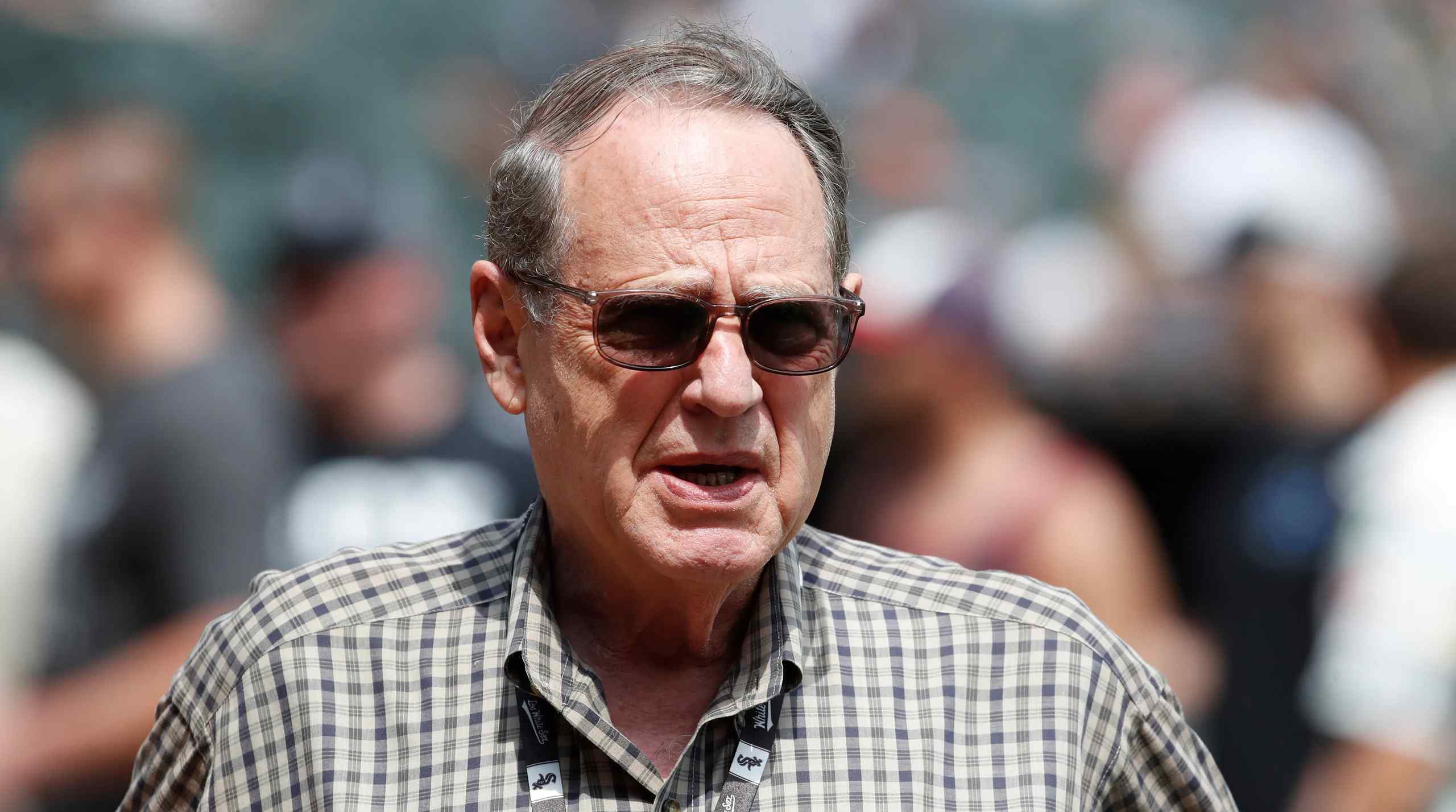
Reinsdorf tops this list for a reason none of the others can match: he runs the cheap-owner playbook across two franchises in America's third-largest market at the same time.
The Bulls are worth $6 billion, sixth-highest in the NBA, in a city that should be able to support real title spending.
Reinsdorf has paid the NBA luxury tax exactly once in his ownership, back in 2012-13, despite his own son and top executives repeatedly promising the team would spend into the tax for a genuine contender.
It hasn't happened since the Jordan era ended in 1998.
The White Sox make the case even harder to defend. Two seasons ago, Chicago carried a $181 million payroll.
By 2025, that number had been slashed to somewhere around $74 to $80 million, one of the lowest payrolls in baseball, on a $2 billion franchise.
This wasn't a rebuild forced by circumstance. It was a choice, made twice, on two different teams, by the same owner.
Does Spending Actually Buy Championships?
Not automatically. The Dodgers ran up a record combined $515 million in payroll and luxury tax in 2025, including a record $169.4 million tax bill, and won back-to-back World Series titles.
The Mets spent $375+ million, the second-highest figure in the sport, and will almost certainly miss the playoffs. Heavy spending buys a roster. It doesn't guarantee the roster gets built well, and the incentives shift by league since the NBA and NFL run salary caps while MLB has no floor at all, the exact structural gap that lets an owner like Reinsdorf or Sherman spend far below what a big-market or big-revenue team could otherwise afford.
Being Cheap Can Be Extremely Profitable
Here's the part that makes all of this (irritatingly) rational instead of just stubborn. Franchise values keep climbing even when the team on the field is losing, missing the playoffs, and infuriating its own fan base.
National media deals, revenue sharing, and the sheer scarcity of franchises mean a sports team can appreciate in value regardless of what happens on the field or court.
The A's got more valuable specifically because they're leaving, not because they got better, the same logic that makes tanking a rational strategy in other leagues even when it infuriates fans. The Bulls added a billion dollars in value over the past year without sniffing contention.
The Bottom Line
Every owner on this list could reasonably spend more than they do. The gap between what a franchise can afford and what its owner is willing to pay is the real measure of cheap, not the raw payroll number by itself.
Reinsdorf lands at number one because he's proven that gap twice, on two teams, in the same city, for decades. Fans hate it. The math, unfortunately, keeps rewarding it anyway.
Cole Rush is a freelance writer, crossword constructor, and creative tinkerer with more than 10 years of experience writing about anything and everything. Cole’s primary area of expertise is the gambling industry, covering the expansion of sportsbooks and online casinos alongside emerging spaces like sweepstakes casinos and prediction markets.
More Articles like this
Why Does Everybody Hate Us? 10 Most Hated Sports Teams Ever
Some teams always win; others get caught breaking the rules. Either extreme is a surefire way to become universally hated, as these 10 sports teams can attest to.
By Stuart Hughes
5 Outrageous Sports Rules That Need to Die
From a missed signature disqualification to a two-minute penalty for a tucked-in jersey, find out about the top five dumbest rules in sport that leave common sense in the locker room.

By Stuart Hughes
The 10 Most Unforgettable Quotes in Sports History
From Jordan's hard truths to Healy's cheeseburger dig, these legendary greats uttered 10 iconic quotes that turned out to be as memorable as their sporting achievements.

By Stuart Hughes
Eight Years, Eight NBA Champions. Is Parity Here to Stay?
Eight different teams have won the NBA championship in eight years, the longest such streak in league history. Can the Knicks finally break the cycle, or will another contender claim the crown?
By Bill Gelman
Is This the Biggest Acquisition Era in Sports Betting History?
Sportsbooks, prediction markets, and sweepstakes apps are fighting for the same customers. We compared 11 welcome offers to see who's offering the biggest incentives.

By Cole Rush
Does a 4-0 NFL Start Mean You're Playoff Bound?
A 4-0 start can put your team on the fast track to the playoffs, but history shows that even Super Bowl champions don't always start strong.
By Marcus Mosher