
NBA Tanking: Ethics and Economics Breakdown
Tanking can help teams secure top draft picks and build future contenders. It also raises serious questions about competitive integrity, fan trust, and what it means to actually play to win.

The fundamental goal of professional sports teams is to win games and a championship. Losing is supposed to be the worst possible outcome.
Or that's the way fans hope it should be.
Many NBA teams intentionally chase losses in order to improve their chances in a draft lottery, and in turn brighten their long-term futures. This strategy is called "tanking."
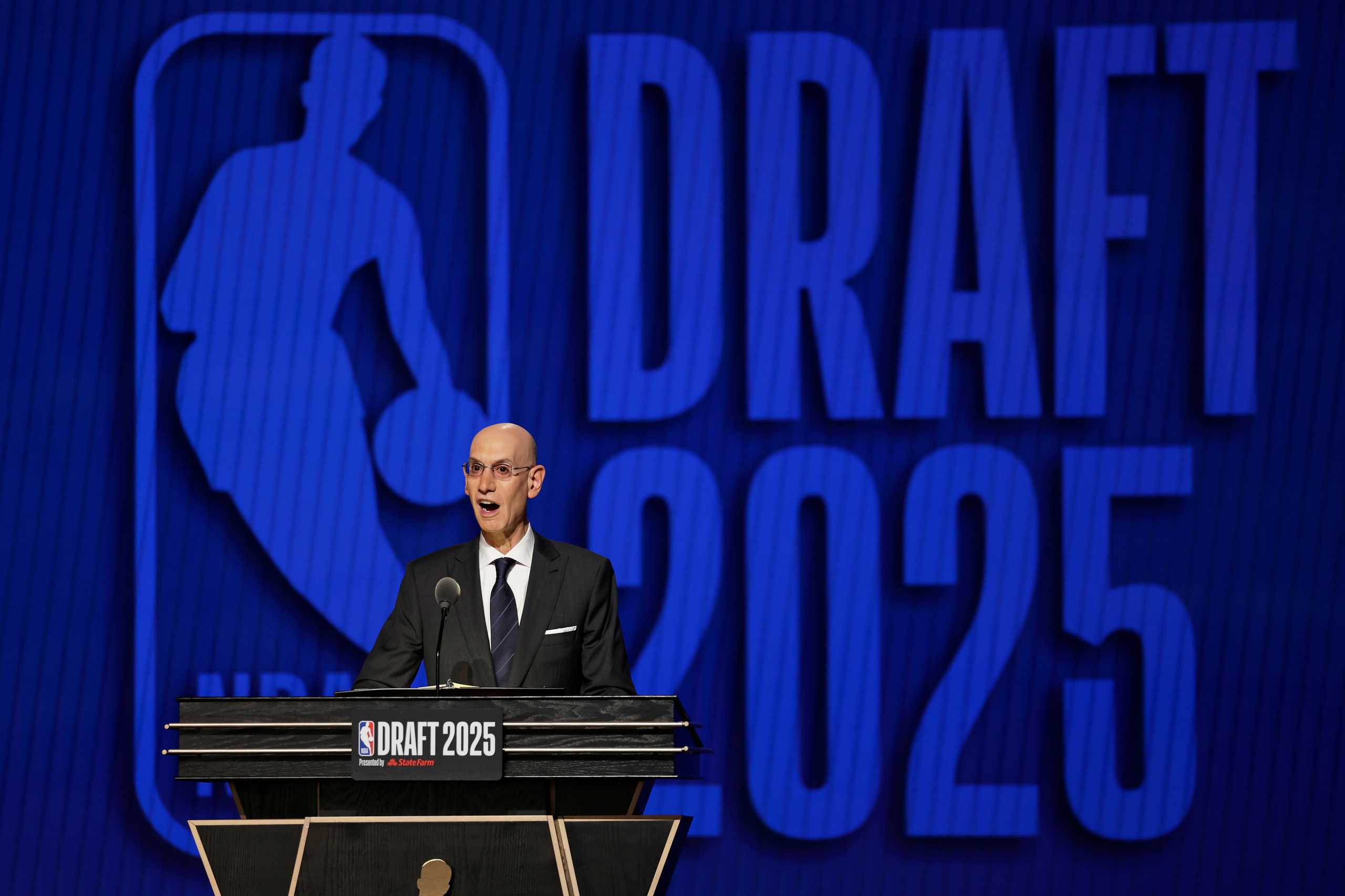
In March 2026, NBA Commissioner Adam Silver stood before the league's Board of Governors and made a stark declaration: "We are going to fix it. Full stop." That a commissioner felt compelled to make such an emphatic statement tells you everything about how serious the problem has become.
What Is Tanking?
Draft position in the NBA is tied to regular-season record. Teams with the worst records receive the highest picks in the following draft, while teams with the best records receive the lowest picks.
Tanking is when teams lose games deliberately in order to prioritize long-term success via high draft picks. The strategy comes in different forms depending on how aggressive teams want to be.
The most transparent method is to trade impactful players during the offseason and intentionally enter the season with a weak roster, essentially guaranteeing a poor record and a high draft selection.
Other teams enter the season with playoff aspirations, realize it's a lost cause, and pivot: stars get rested for long stretches, vague injuries are cited, and bench players suddenly start logging heavy minutes.
A History of Tanking: How We Got Here
The First Tank Job (1983–84)
One of the first teams widely recognized as tankers was the 1983–84 Houston Rockets. After starting 20–26, the team was still mathematically alive for the playoffs — but decided to prioritize draft position instead. The Rockets went 9–27 the rest of the way, finishing with a 29–53 record and the worst record in the Western Conference.
The strategy was brazen. In one of the most notorious examples, coach Bill Fitch played 38-year-old, nearly-retired Elvin Hayes 52 minutes in the second-to-last game of the season specifically to lose. The Rockets won a coin flip against the Indiana Pacers and selected Hakeem Olajuwon with the first overall pick in the 1984 draft. The year before, they had used the same coin-flip method to draft Ralph Sampson. Two years of "winning by losing" netted the Rockets a Hall of Fame frontcourt and an NBA Finals appearance — and word got out.
The NBA Responds: The Draft Lottery (1985)
The league acted fast. In June 1984, the NBA Board of Governors voted to replace the coin-flip system with a draft lottery beginning in 1985. Under the new system, all non-playoff teams had equal odds at the top pick. This was a dramatic change designed to eliminate the incentive to finish dead last.
The lottery has since been modified four times. In 1986, the lottery was narrowed to determine only the top three picks, with remaining teams selecting in inverse record order. In 1989, the league introduced a weighted system giving the worst team 11 of 66 chances at the top pick. The reforms kept coming, but so did the tanking.
The Tim Duncan Tank (1996–97)
Not all tank jobs are premeditated. The San Antonio Spurs fell to 20–62 in 1996–97, largely because injuries decimated their roster — star center David Robinson appeared in only six games all season. The Spurs made no desperate win-now moves, understanding that the 1997 draft was a one-man show: Wake Forest forward Tim Duncan.
They landed the first overall pick and drafted Duncan, who immediately helped the team win 56 games the following season. Duncan went on to deliver five NBA championships, three Finals MVPs, and two regular-season MVP awards over a 19-year career, making the Spurs the gold standard of sustained excellence for nearly two decades. No single tank job in NBA history produced a longer or more stable dynasty.
The 2000s: Tanking Goes Mainstream
By the mid-2000s, tanking was open knowledge around the league. In 2007, with Greg Oden and Kevin Durant as the marquee draft prizes, multiple teams were openly accused of losing on purpose. The Boston Celtics, playing at home against the woeful Charlotte Bobcats, led 69–51 late in the third quarter — and lost by eight, with coach Doc Rivers leaving Paul Pierce on the bench for the entire fourth quarter. Coincidence? The league office thought not, but had little recourse.
"The Process" Changes Everything (2013–2017)
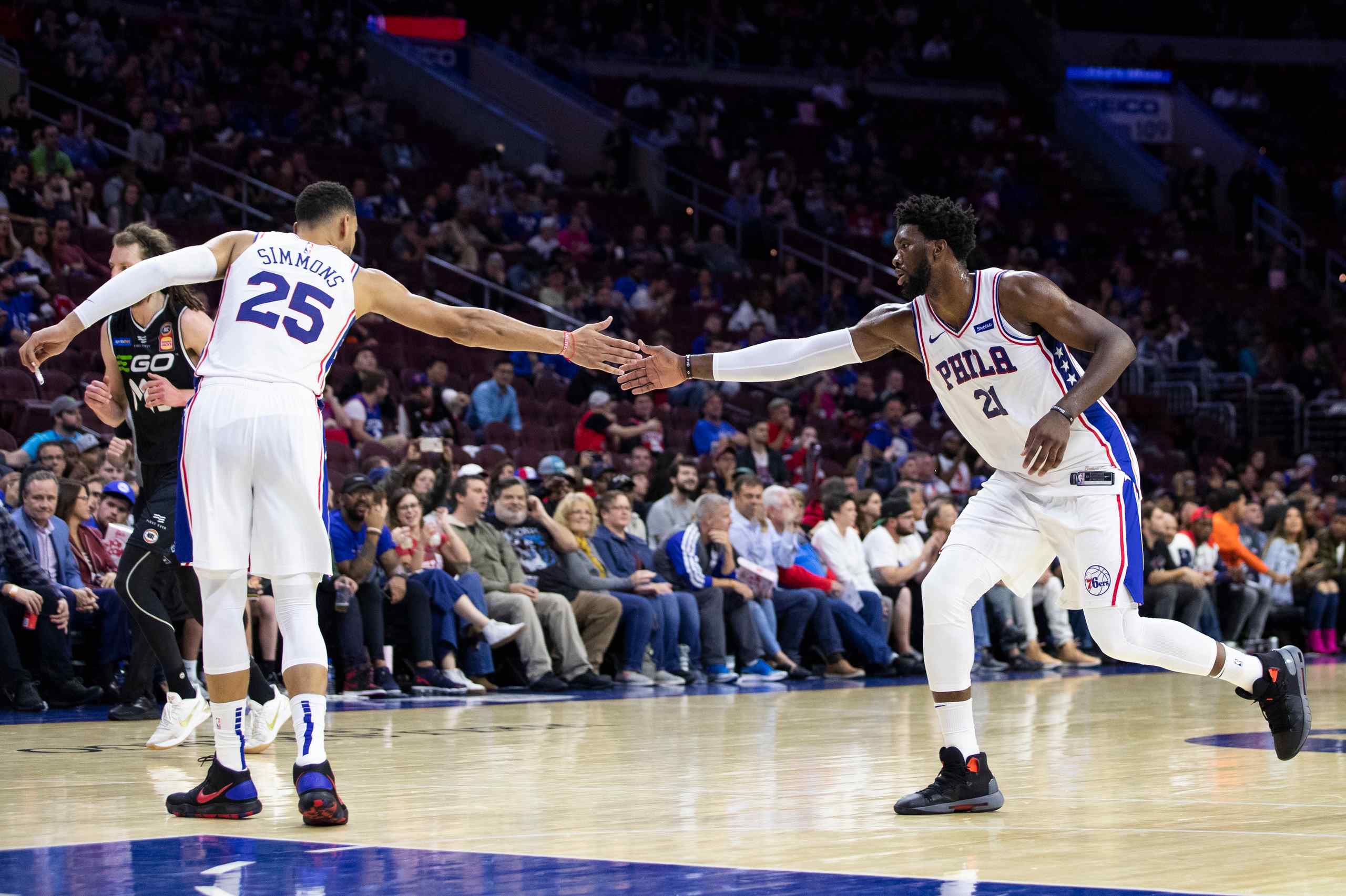
The most famous and aggressive tank job in NBA history began in 2013, when Philadelphia 76ers general manager Sam Hinkie implemented what fans would come to call "The Process." Hinkie's philosophy was simple and ruthless: tear down the roster completely, stockpile draft picks, and repeat until a superstar emerges.
The results were historic in the wrong way. Philadelphia finished with records of 19–63, 18–64, 10–72, and 28–54 across four seasons, compiling a 75–253 record from 2014 to 2017. That stretch included an NBA record 28-game losing streak. Hinkie's tenure ultimately ended in 2016 under widespread criticism and pressure from the league office. The 76ers received a top-three pick in four consecutive drafts, eventually landing Joel Embiid and Ben Simmons — but the championship they chased has so far remained elusive.
The Case for Tanking
Tanking is the most rational decision a losing franchise can make. Here's why front offices keep pressing the self-destruct button.
Superstars Are Non-Negotiable
Mere competitiveness doesn't win championships in the NBA. Superstars do. And the evidence strongly supports the idea that the draft is the most reliable way for most franchises to acquire one. Free agency has become increasingly concentrated among a handful of glamour markets, and even All-Star-caliber players now command a king's ransom in draft capital on the trade market.
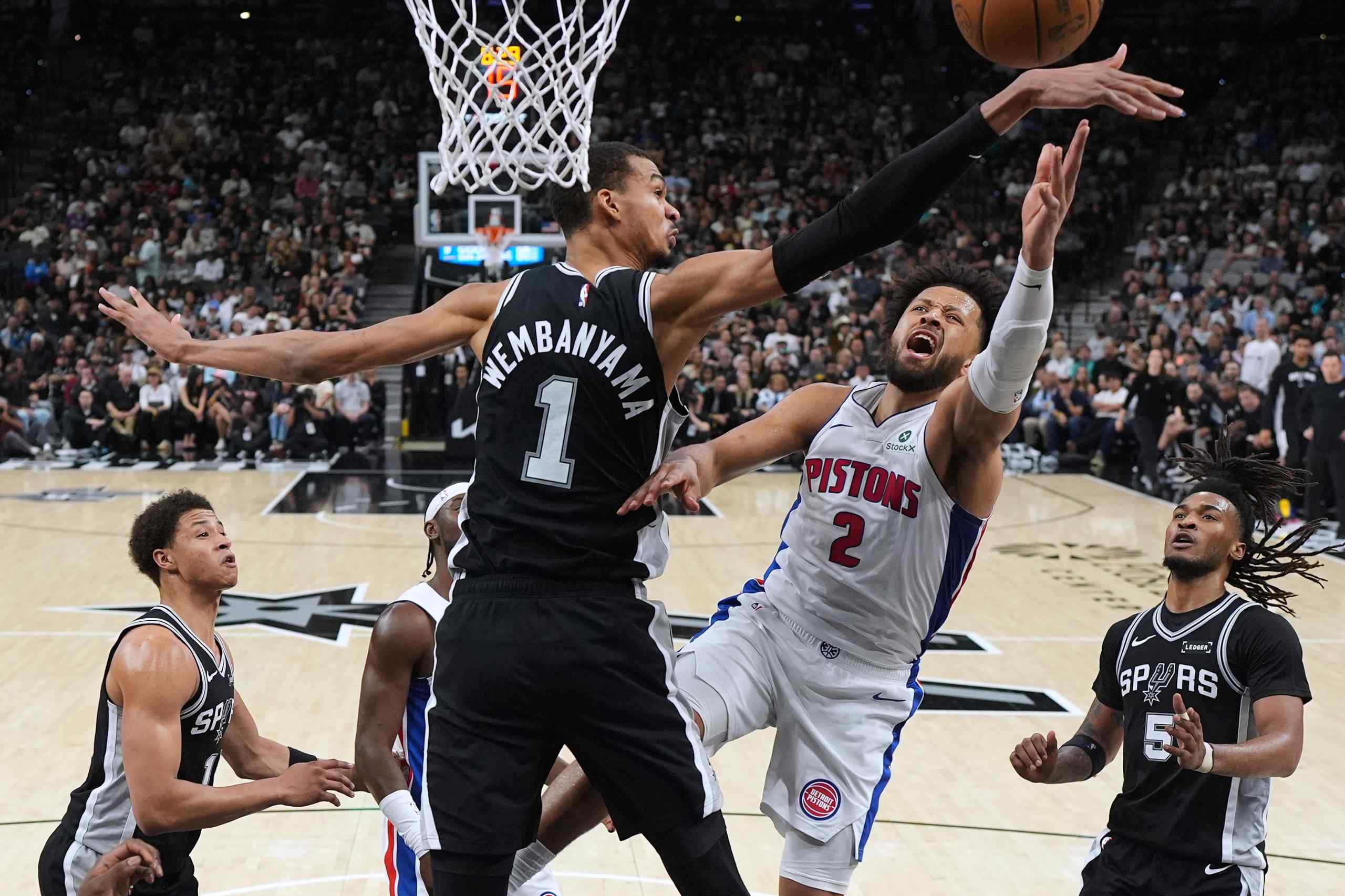
The Thunder (Oklahoma City), the Spurs, and the Pistons are the three favorites to win the NBA title in 2026. All three tanked in recent years. The Thunder built their current powerhouse through draft picks following a teardown. This is not coincidence; it is a pattern that repeats across the league.
The Small Market Problem
Tanking is especially difficult to criticize for small-market franchises. Teams in cities like Sacramento, Oklahoma City, Memphis, or Utah rarely attract top-tier free agents. They cannot outbid Los Angeles or Miami for players in free agency, and they cannot trade for superstars without giving up the very picks that tanking generates. For these teams, the draft is a lifeline.
One Player's Outsized Impact
The NBA is unique among the four major North American sports leagues in how dramatically a single player can shift a team's fortunes. One elite quarterback in the NFL, pitcher in MLB, or goaltender in the NHL matters.
No single player at any position in any sport has the ceiling-raising power of an NBA superstar. It is also considerably easier to identify future stars in the NBA draft than in the NFL or MLB, where college performance is a far less reliable predictor of professional success. These factors combine to make tanking far more incentivized in basketball than anywhere else.
The Case Against Tanking
The arguments for tanking are real and so are the costs: financial, cultural, and competitive.
It Doesn't Actually Guarantee Success
Even the team with the worst record in the NBA has only a 14% chance of winning the first overall pick under the current system, a 38.1% chance of picking anywhere from second to fourth, and a 47.9% chance of falling all the way to fifth. Drafts frequently have only one or two can't-miss prospects, so even the worst team in basketball probably does not land the franchise cornerstone it sacrificed two or three years to find.
Worse, tanking can create the very conditions that stifle the prospect it was meant to attract. Losing cultures are hard to reverse. Young players drafted into deliberately bad teams often develop poor habits and never reach their ceilings. The environment matters.
Fans Pay the Price
Attendance suffers measurably when teams tank. A doctoral dissertation from the University of South Carolina found robust evidence that increasing public awareness of a home team's tanking behavior hurts NBA attendance in both the short and long term. Even visiting teams' tanking reputations depress ticket sales, suggesting the damage extends beyond just the team doing the losing.
Ticket sales and suite revenue account for over 25% of NBA revenue, and concessions and parking add another 9%. A sustained decline in home attendance is a direct hit to the bottom line. The NBA is projected to generate $14.3 billion in the 2025–26 season — a league that lets tanking fester long enough risks eroding the foundation that revenue sits on.
The Product Becomes Unwatchable
Fans who buy tickets to watch their favorite stars are understandably furious when those stars sit out manufactured "rest" games with vague injuries. A Jazz fan who spent hundreds of dollars to watch Lauri Markkanen play has every right to feel deceived when he's pulled in the third quarter of a close game, not because he's hurt, but because the team wants to lose.
The NBA's Anti-Tanking Playbook: The 2026 Proposals
With the 2025–26 season producing one of the most egregious waves of tanking in league history — the bottom 10 teams entering March on a combined 40-game losing streak — Commissioner Silver escalated his rhetoric. At the MIT Sloan Sports Analytics Conference in March 2026, he vowed: "We are going to make substantial changes for next year." Days later, the NBA presented three comprehensive anti-tanking concepts to its Board of Governors, with a formal vote expected in May 2026.
Each proposal represents a radical departure from the current system. All three share one common feature: bringing teams that currently make the playoffs into the lottery pool.
Proposal 1: Expand the Lottery to 18 Teams (Flat Odds)
The first concept expands the lottery from 14 to 18 eligible teams: the 10 teams that miss the play-in entirely, plus all eight play-in teams. The odds would be dramatically flattened. The ten worst teams in the league would each receive an equal 8% chance at the first overall pick — compared to the current system, where the worst team has a 14% chance. The remaining 20% of the lottery odds would be distributed in descending order among the play-in teams (seeds 7 through 10 in each conference).
- The appeal: if even a play-in team could theoretically win the lottery, bottoming out loses much of its value.
- The concern: flattening odds this aggressively might simply shift the tanking incentive to play-in teams who would prefer a top pick to a slim playoff shot. This could incentivize first-round playoff losses.
Proposal 2: The WNBA Model — 22 Teams, Two-Year Records, Win Floor
The second concept is the most structurally complex. It expands the lottery pool to 22 teams: the 10 that miss the play-in, the eight play-in teams, and the four teams eliminated in the first round of the playoffs. Critically, lottery positioning would be determined by each team's cumulative two-year record rather than a single season's performance. This model has been used in the WNBA.
To prevent teams from spending two consecutive seasons at the absolute bottom, the proposal includes a "win floor." If a team wins fewer than a specified number of games in a given season (for example, 20 wins), it would be credited with that floor total for lottery purposes, meaning the bottom of the lottery position is capped. Only the top four picks would be drawn in a lottery, as currently structured.
This model directly attacks the multi-year tanking strategy exemplified by The Process. If a team's two-year record determines its lottery position, one historically bad season followed by the minimum-floor season limits how much damage it can do to its draft slot.
Proposal 3: The "Five-by-Five" Method
The third concept keeps the 18-team lottery pool from Proposal 1 but introduces a tiered drawing structure. The five teams with the worst records would all share equal odds. There would then be two separate lottery drawings: one for the top five picks among all 18 eligible teams, and a second for the remaining lottery picks.
Crucially, any team among the five worst records that doesn't win a top-five spot in the first drawing cannot fall below the 10th overall pick. This provides a safety net for the worst teams. They're guaranteed to pick in the top 10, but the odds are reduced of any single bad team landing the very first pick.
NBA Anti-Tanking Proposals Compared
| Feature | Proposal 1 | Proposal 2 | Proposal 3 |
|---|---|---|---|
| Lottery pool size | 18 teams | 22 teams | 18 teams |
| Play-in teams eligible | Yes | Yes | |
| Playoff teams eligible | No | First-round losers | No |
| Record basis | Single season | 2-year cumulative | Single season |
| Win floor | No | Yes | No |
| Equal odds group | Bottom 10 (8% each) | Based on 2-year record | Bottom 5 (equal odds) |
| Key innovation | Broader pool, flatter odds | Multi-year averaging | Tiered drawings, guaranteed floor |
What Next?
Tanking is simultaneously one of the most rational strategies available to rebuilding franchises and one of the most corrosive forces in professional sports. The NBA has spent four decades (and four rounds of lottery reforms) trying to balance a draft system that rewards failure with a product that requires competitive urgency.
Whether tanking is fixed or not, it forces a deeper question about what professional sports are really for — whether optimizing long-term championship potential should ever be allowed to override the basic obligation to compete, night after night, as hard as possible.
Braxton has covered the NBA since the 2021–22 season, specializing in first basket props. He contributes NBA betting content to Lineups and ActionNetwork and covers the Oklahoma City Thunder for Thunder Roundtable, drawing on his experience scouting college teams.
More Articles like this
Five Iconic World Series Moments Since the Brewers' Appearance
The Brewers are back in the World Series after 44 years. From Bill Buckner's error to the Cubs ending their curse, plenty has happened since 1982.
By Bill Gelman
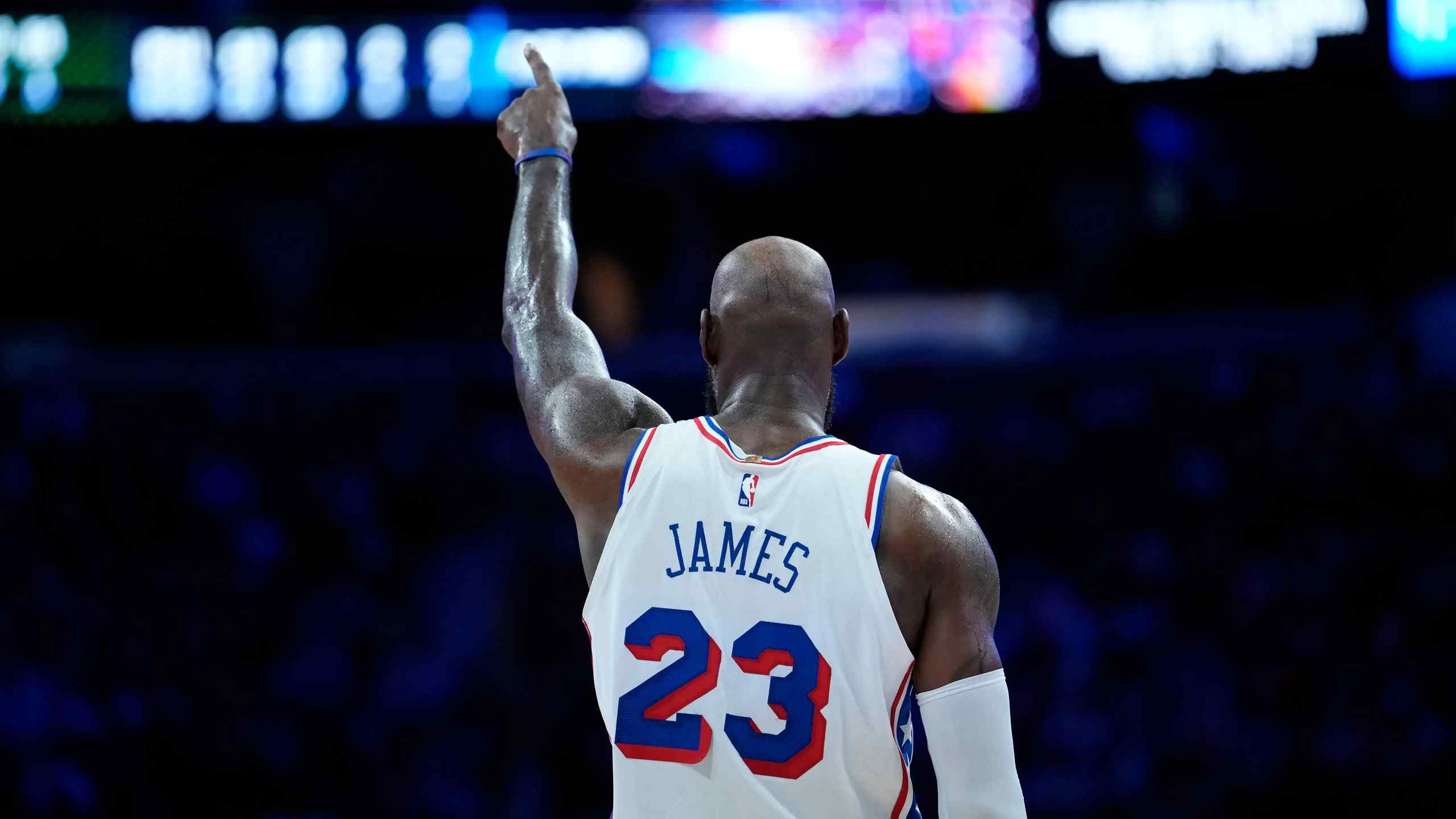
LeBron to Giannis: Ranking 5 NBA Offseason Stunners
LeBron to Philly, Giannis to Miami, and Wemby staying put. Which NBA offseason move will pay off the most?
By Bill Gelman
NFL Fans Spend $900 to Watch Games. WWE Fans Pay Even More
Think watching every NFL game is expensive? WWE fans would argue otherwise.

By James Guill
How Bad Is It? Ranking the NHL's Original Six by Fan Misery
Nearly 60 years without a Stanley Cup is just the beginning. We rank the NHL's Original Six teams by how much misery their fans have endured.
By Bill Gelman
Why Does Everybody Hate Us? 10 Most Hated Sports Teams Ever
Some teams always win; others get caught breaking the rules. Either extreme is a surefire way to become universally hated, as these 10 sports teams can attest to.
By Stuart Hughes
5 Outrageous Sports Rules That Need to Die
From a missed signature disqualification to a two-minute penalty for a tucked-in jersey, find out about the top five dumbest rules in sport that leave common sense in the locker room.
By Stuart Hughes