
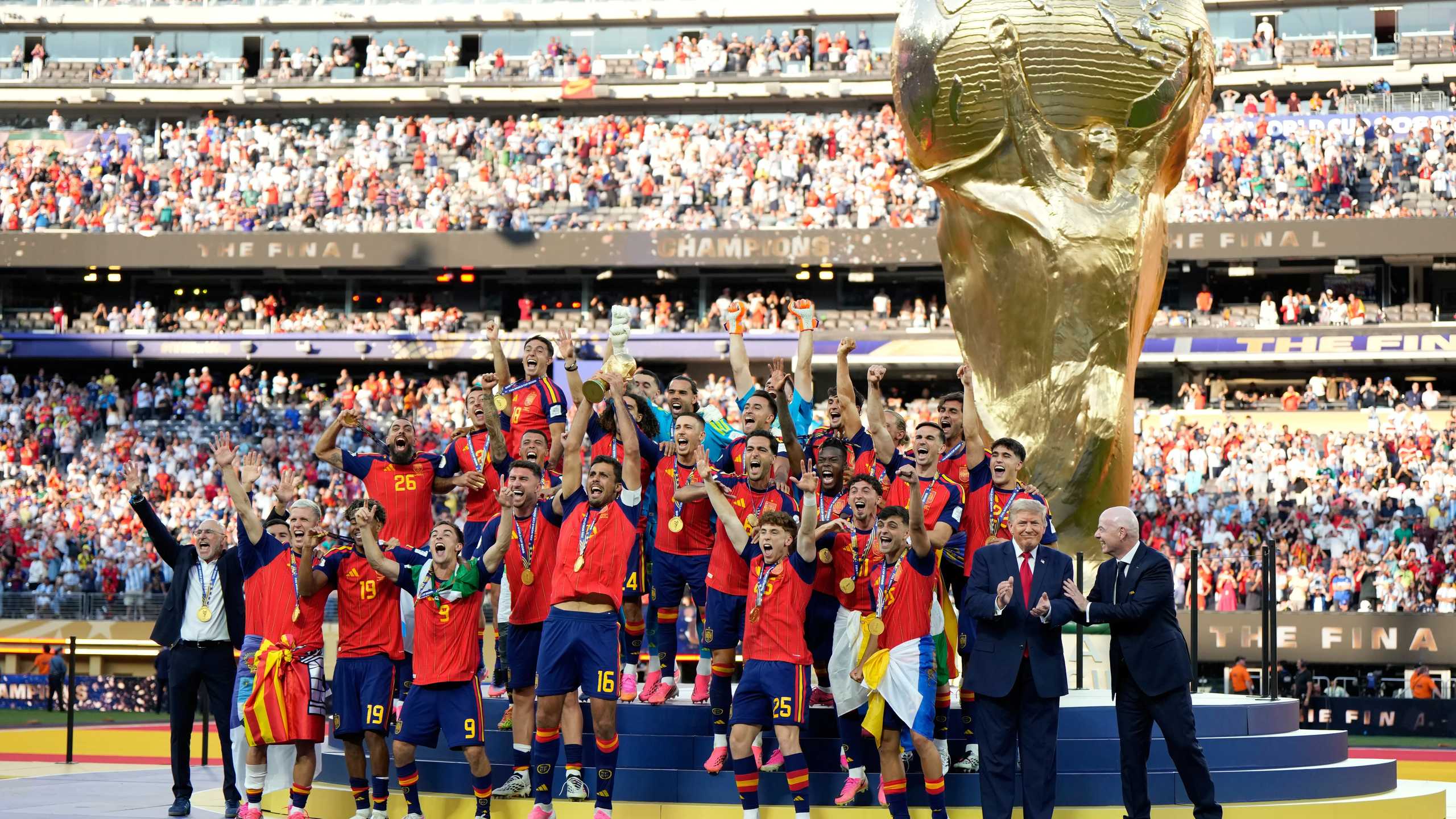
Will America's Soccer Boom Last? Google Trends Says Maybe
Every World Cup sparks a surge in American interest in soccer. Twenty years of Google search data reveals whether this year's boom is likely to last.

Google Trends, which measures relative search interest, hit an all-time high for the term “soccer” during the 2026 FIFA World Cup. The upward climb had been building for nearly six months before kickoff and, so far, has shown little sign of slowing down. The question now is how long that momentum can last.
Are we finally watching soccer carve out a bigger place in the American sports landscape, or is this just another breakthrough that fades once the domestic sports calendar takes back the spotlight?
What 20 years of Google searches reveal
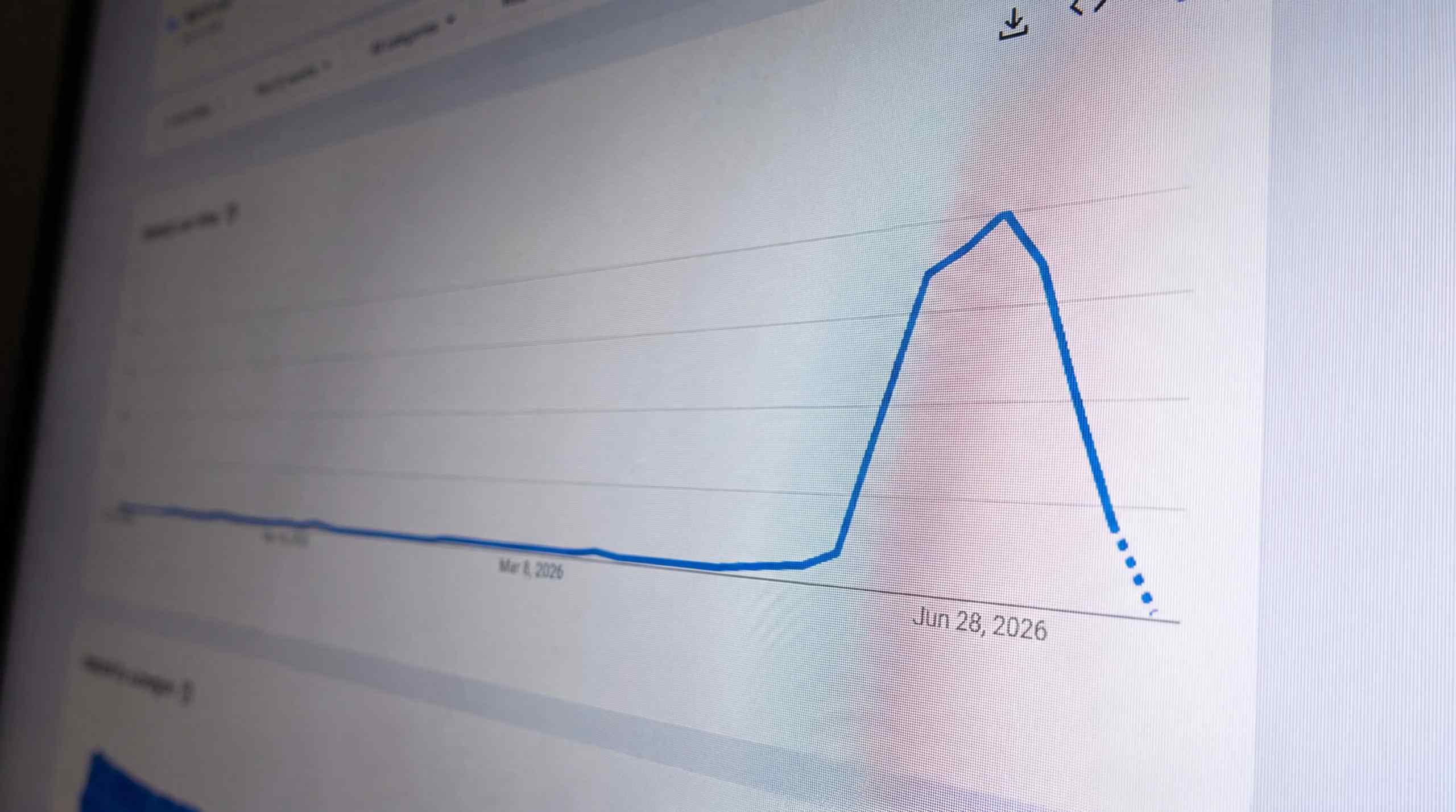
With Google Trends, you can see what people are looking for online. Or rather, how specific search terms change in popularity over time. The line going up and down shows the trend, with the biggest spike during the selected period set to 100. In this case 100 represents the highest relative search interest during the selected time period.
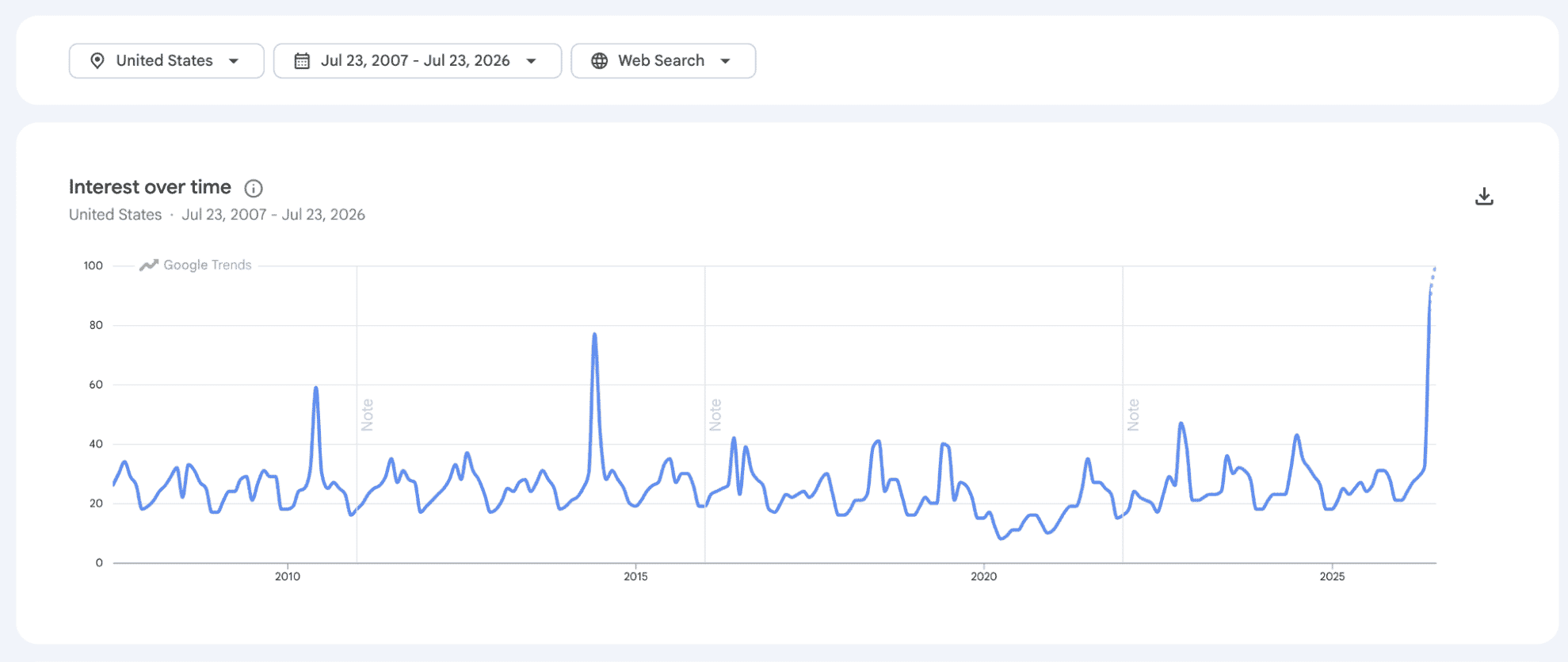
For soccer, looking back over the last 20 years, that peak happened during the 2026 FIFA World Cup.
Every other point on the chart then compares against its value. June 2014 came in at 77, meaning search activity reached about 77% of its maximum level. June 2010 hit 59. Both line up with World Cups. But the buzz faded pretty quickly. Within the next six to seven months, interest dropped back below the 20 mark each time.
World Cup Trends Since 2006
| Event | Month(s) | Peak Google Trends | +1 Month | +2 Months | +6 Months | % Decline from Peak to +2 Months |
|---|---|---|---|---|---|---|
| FIFA World Cup 2006 | Jun 2006 | 72 | 38 | 30 | 18 | -58% |
| FIFA World Cup 2010 | Jun 2010 | 59 | 30 | 25 | 16 | -58% |
| FIFA World Cup 2014 | Jun 2014 | 76 | 43 | 27 | 19 | -64% |
| FIFA World Cup 2018 | Jun–Jul 2018 | 40 | 24 | 28 | 16 | -30% |
| FIFA Women's World Cup 2019 | Jun–Jul 2019 | 40 | 38 | 21 | 15 | -48% |
| FIFA World Cup 2022 (Winter) | Nov 2022 | 46 | 38 | 21 | 24 | -54% |
| FIFA Women's World Cup 2023 | Jul 2023 | 36 | 30 | 31 | 18 | -14% (initial decline) |
| FIFA World Cup 2026 | Jul 2026 | 100 | TBD | TBD | TBD | TBD |
The 2018 edition didn’t generate much noise, which makes sense, really, given that the USMNT didn’t qualify. Then, in November 2022, search interest reached 47—not a huge number, but still well above the typical range, especially considering the unusual winter schedule and the overlap with the NFL season.
The typical lifespan of World Cup interest
Every World Cup creates the illusion that soccer has finally broken through in America. The search data suggests otherwise. Across the last two decades, interest surged dramatically during the tournament, then lost roughly half of its momentum after four to eight weeks. Within six months, we’re almost always back to pre-tournament figures.
At the 2014 men's World Cup, for example, Google Trends jumped from a pre-tournament baseline of 23 to 77 in June—the highest pre-2026 peak in the series—as the United States narrowly escaped the "Group of Death." Yet by July, interest had already fallen to 43, only a few days after Tim Howard's record-setting performance against Belgium, before settling near normal levels by August.
Typical World Cup Drop Off Timeline
| Tournament | Peak Month | Peak Trend | 1 Month Later | 2 Months Later | First Month at ≤50% of Peak | Pre-event Normal | Return to Normal |
|---|---|---|---|---|---|---|---|
| FIFA World Cup 2006 | Jun 2006 | 72 | 38 | 30 | Aug 2006, 2 months | 25.8 | Nov 2006, 5 months |
| FIFA World Cup 2010 | Jun 2010 | 59 | 30 | 25 | Aug 2010, 2 months | 24.8 | Aug 2010, 2 months |
| FIFA World Cup 2014 | Jun 2014 | 76 | 43 | 27 | Aug 2014, 2 months | 24.4 | Nov 2014, 5 months |
| FIFA World Cup 2018 | Jul 2018 | 40 | 24 | 28 | Dec 2018, 5 months | 23.3 | Aug 2018, 1 month |
| FIFA Women’s World Cup 2019 | Jun 2019 | 40 | 38 | 21 | Dec 2019, 6 months | 24.3 | Oct 2019, 4 months |
| FIFA World Cup 2022 | Nov 2022 | 46 | 38 | 21 | Jan 2023, 2 months | 20.8 | Jan 2023, 2 months |
| FIFA Women’s World Cup 2023 | Jul 2023 | 36 | 30 | 31 | Dec 2023, 5 months | 25.9 | Nov 2023, 4 months |
| FIFA World Cup 2026 | Jul 2026 | 100 | TBD | TBD | TBD | 31.7 | TBD |
I figured a deep run by the home team would have more staying power. But the USWNT shows that's not really the case. They won back-to-back World Cups in 2015 and 2019, and those finals drew more than 25 million and 14 million viewers, respectively. Search interest, however, dropped off almost immediately after both tournaments. July 2015 peaked at 35 before slipping to 27 the following month. Same happened in 2019. It reached 40 during the tournament in June, then was down to 21 by August.
Broadcast conditions shaped the size of the surge but not necessarily its lifespan. Brazil 2014 and Canada 2015 benefited from television-friendly North American viewing hours, while Australia and New Zealand in 2023 forced marquee matches into dawn broadcasts for US audiences.
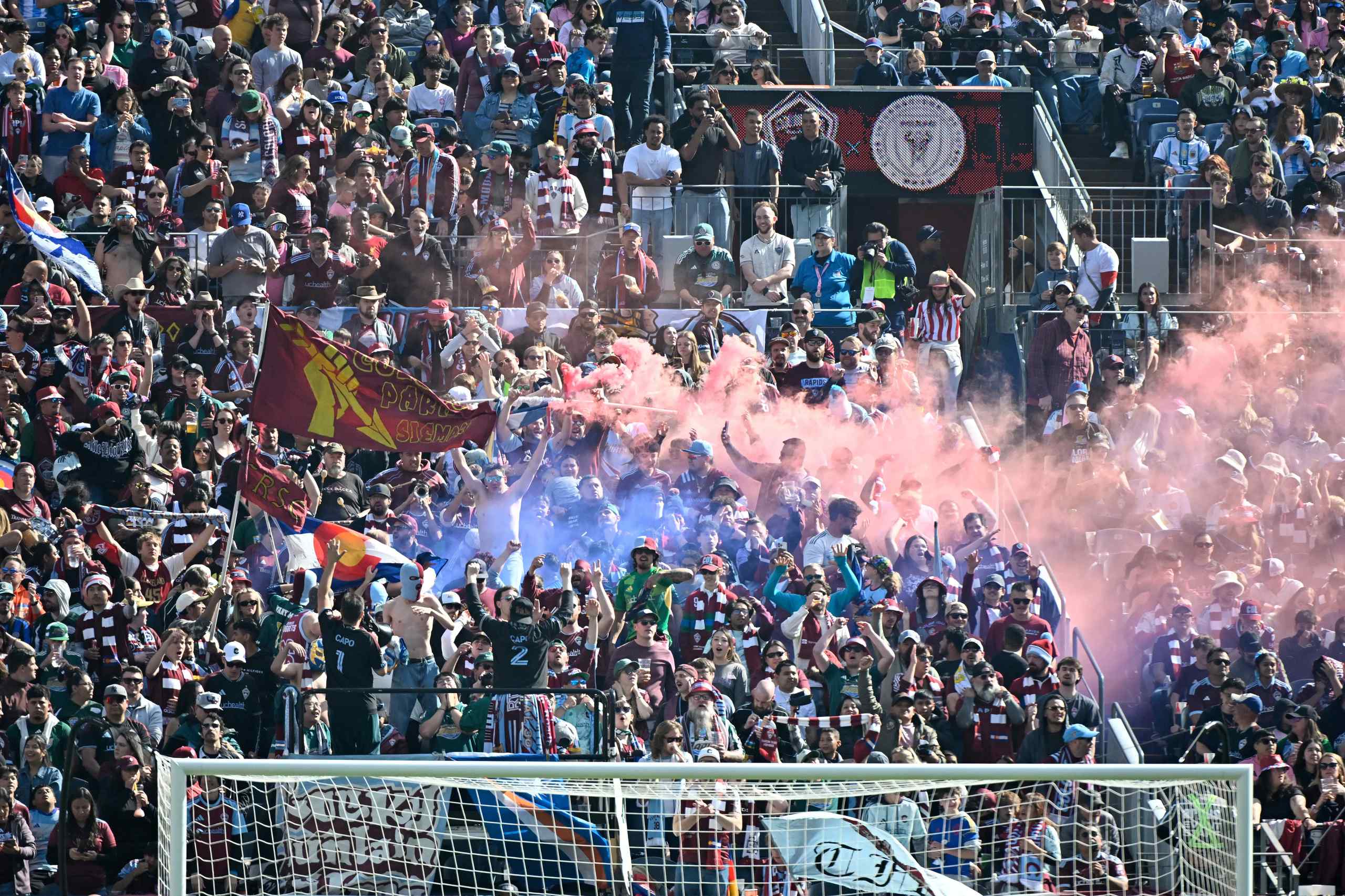
2026 might break the pattern
I'm usually the first to bet on history repeating itself. At the same time, though, I've got this feeling 2026 might be different, that at least some of the soccer fandom this World Cup created will stick and become part of the sport's foundation in the US. If anything, it's what the majority of respondents in the latest Ipsos poll seem to believe.
The more cautious take is viewing this year's tournament as an accelerator. Jonathan Sperling, Associate Director of Editorial at Columbia Business School, argued that while the World Cup did a great job bringing people in, it's now up to whether the broader US soccer ecosystem—clubs, leagues, broadcasters, and community organizations—can keep them engaged. My money’s on them pulling it off, or at the very least, leaving the baseline a whole lot higher than where it started. Here are a few reasons why:
- USA '94 was fundamental in helping launch the MLS. This year, we had another World Cup on home soil.
- Research shows immersive and shared experiences (in this case, the 2026 World Cup) tend to create stronger identification and loyalty.
- By June 2026, about 25.5 million Americans (8.2% of the population) were playing indoor or outdoor soccer. SFIA says participation continued to rise during the World Cup itself.
- Soccer betting is now legal across 39 states and Washington, D.C., covering roughly 65% of Americans, up from about 40% during Qatar 2022.
- Americans embraced prediction markets at record levels, pushing monthly trading volume past $23 billion by April 2026 after it remained below $5 billion throughout most of 2025.
- More Americans than ever can support a local professional club, with MLS expanding to 30 teams alongside rapid USL and NWSL growth.
- The MLS no longer relies on one marquee name. Messi, Lewandowski, Griezmann, Müller, De Paul, and now Casemiro all give casual fans familiar faces to follow.
- Sports streaming services improved dramatically. Fans can watch every MLS match through Apple TV without blackouts or buying a separate Season Pass.
How Far Will Interest Fall?
Those on the other side of this argument would say not so fast. A person can watch a World Cup match, search for a player, place a bet, attend a fan festival, download a streaming app, and talk about soccer for a month without becoming a regular consumer.
There's no question Americans enjoyed the tournament, even with the absurd ticket prices and everything else that came with it, from parking to transportation. But we've seen this movie before. Mega-events rarely create lasting participation on their own. That only happens if the infrastructure is there to keep people engaged. Last year, 67% of parks departments reported insufficient field space, while most sports agencies (82%) said there are huge shortages of volunteer coaches.
Now that the World Cup left town, soccer will go right back to fighting for attention with the NFL, college football, the NBA, MLB, the NHL, and an endless stream of entertainment. Consumer attention is finite, and mega-events temporarily displace—not necessarily replace—existing habits. Proof of this is previous Google Trends decline after every major tournament.
Where things go from here
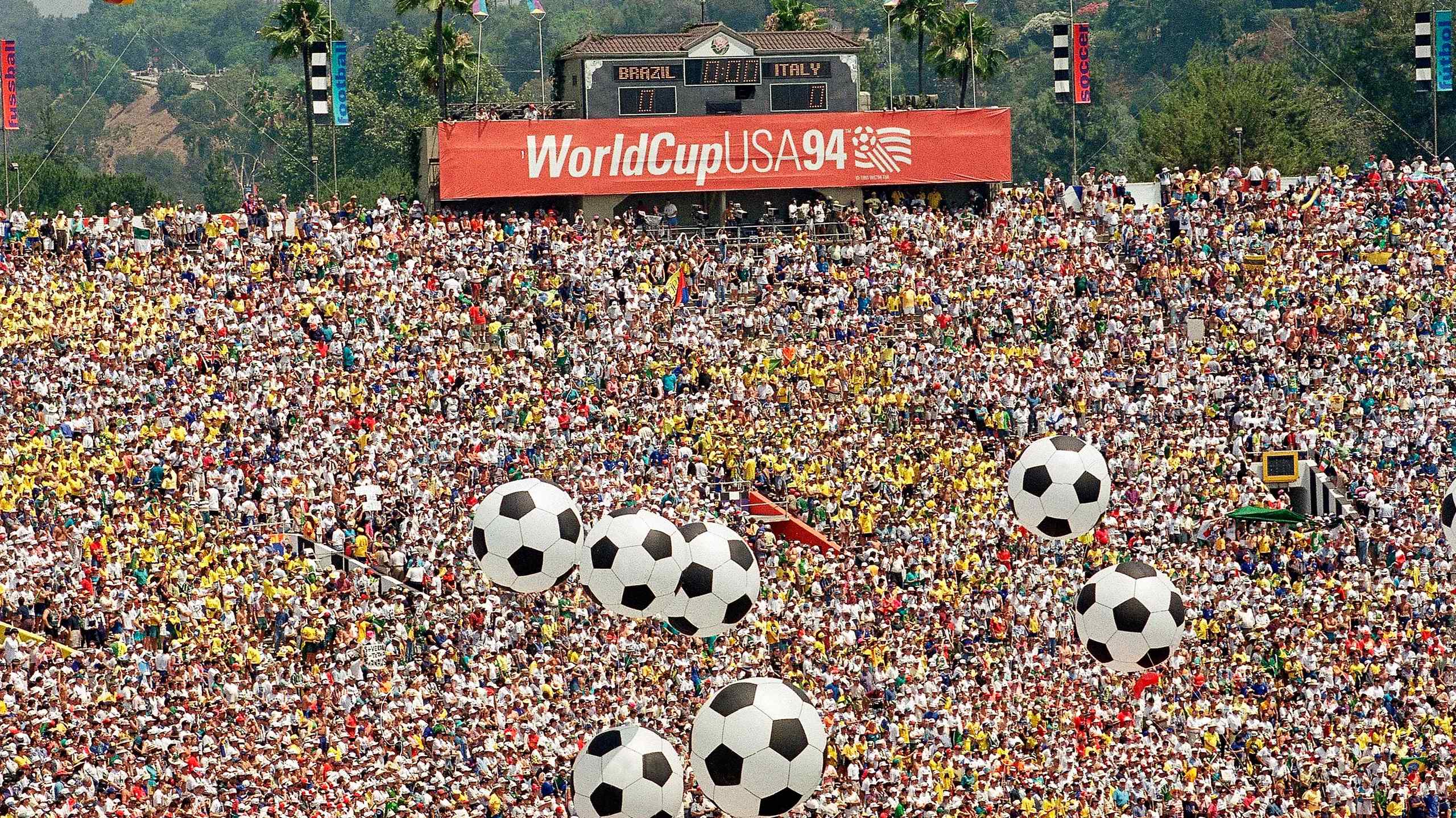
Google Trends doesn't reach back to USA '94. Its role in establishing the MLS, though, is undeniable, so hosting the biggest event in the sport on home soil clearly did something.
There's every reason to believe 2026 can have a similar positive impact, and that's without expecting this spike to hang around at the same level. More than anything, I see a baseline coming out of this that's higher than what we've come to accept as normal, provided the institutions play this right and keep giving people who catch the soccer bug somewhere to go next.
Charlon Muscat is an established iGaming expert who entered the space in 2019 and went on to build a name across both casino and sportsbook content.
More Articles like this
Why Does Everybody Hate Us? 10 Most Hated Sports Teams Ever
Some teams always win; others get caught breaking the rules. Either extreme is a surefire way to become universally hated, as these 10 sports teams can attest to.
By Stuart Hughes
5 Outrageous Sports Rules That Need to Die
From a missed signature disqualification to a two-minute penalty for a tucked-in jersey, find out about the top five dumbest rules in sport that leave common sense in the locker room.
By Stuart Hughes
The 10 Most Unforgettable Quotes in Sports History
From Jordan's hard truths to Healy's cheeseburger dig, these legendary greats uttered 10 iconic quotes that turned out to be as memorable as their sporting achievements.

By Stuart Hughes
Eight Years, Eight NBA Champions. Is Parity Here to Stay?
Eight different teams have won the NBA championship in eight years, the longest such streak in league history. Can the Knicks finally break the cycle, or will another contender claim the crown?
By Bill Gelman
Is This the Biggest Acquisition Era in Sports Betting History?
Sportsbooks, prediction markets, and sweepstakes apps are fighting for the same customers. We compared 11 welcome offers to see who's offering the biggest incentives.
By Cole Rush
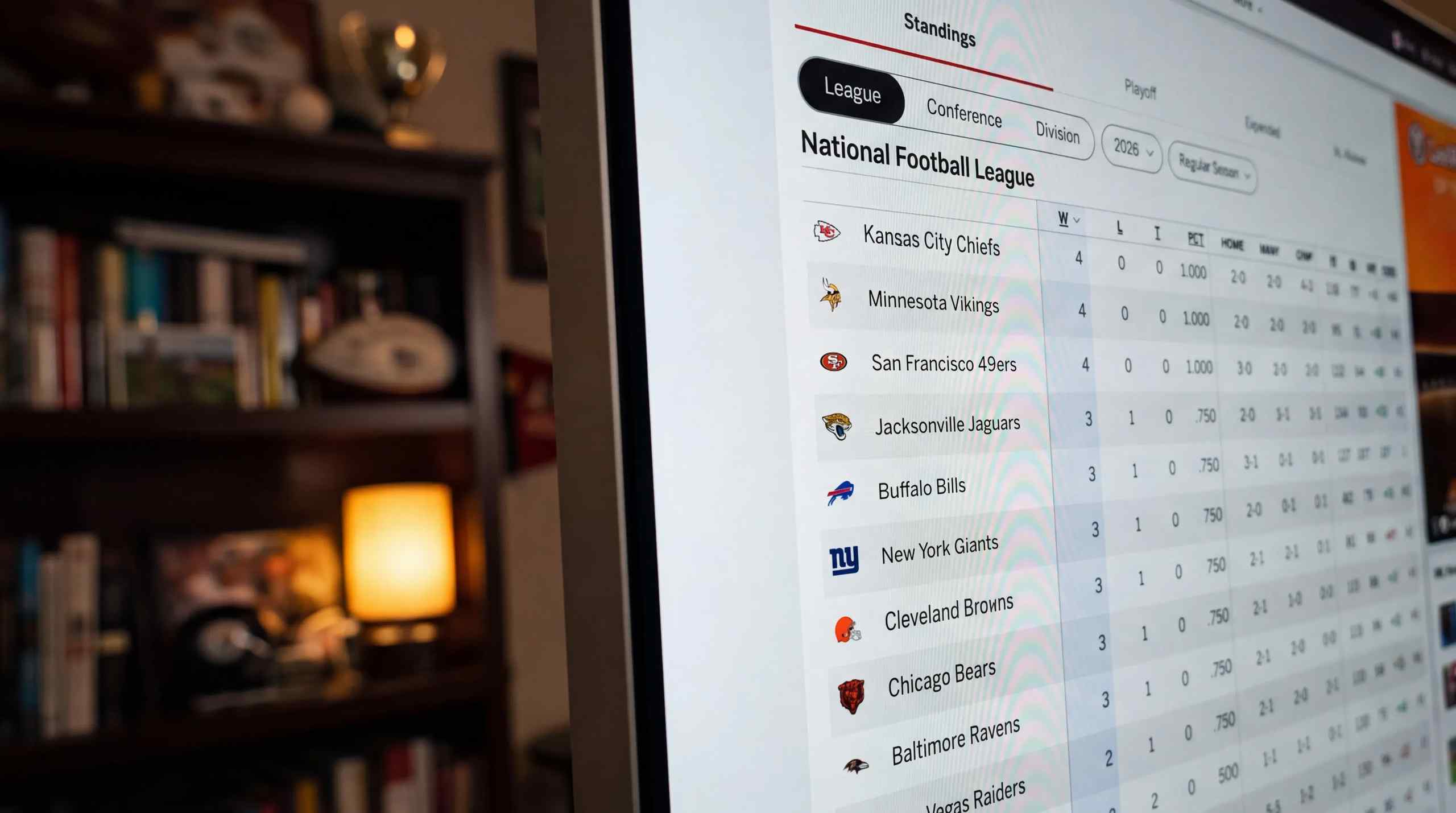
Does a 4-0 NFL Start Mean You're Playoff Bound?
A 4-0 start can put your team on the fast track to the playoffs, but history shows that even Super Bowl champions don't always start strong.
By Marcus Mosher