

An $11.5M Ticket? The Insane Pricing of the 2026 World Cup
From seven‑figure resale listings to official packages, a look at the sky‑high prices for the 2026 World Cup final, and what normal fans should really expect.

While news around the World Cup suggests perhaps fewer travelers than in the U.S. than maybe expected, tickets are still creeping up to expensive heights.
The most expensive current World Cup ticket listing is reportedly a FIFA resale listing for the 2026 final at $11.5 million. However, other recent reports put the highest visible resale price lower, around $2.3 million per seat on FIFA’s official marketplace.
That gap is the story. The listed ceiling is now extreme enough to sound absurd, but the more useful number for fans is still in the seven figures, not a headline-grabbing outlier.
The current World Cup ticket price spike
The $11.5 million listing was reported on FIFA’s official resale platform for the World Cup final at MetLife Stadium, with the seat described as an obstructed, far-from-premium location.
Beyond that eye-popping figure, World Cup final tickets on FIFA’s resale marketplace were priced at just under $2.3 million each, and later still at as much as $345,000 for some top-category resale seats, showing how volatile the market has become.
That distinction matters because a listed price is not the same as a completed sale. Resale platforms can show fantasy numbers, ambitious sellers, or inventory that sits for a while before a market clears. In other words, the number can be real without being representative.
Official versus resale
FIFA’s direct sales and hospitality programs operate on a very different tier from resale. FIFA’s ticket portal says World Cup tickets and hospitality are both sold through official channels, while hospitality is pitched as a premium experience for a “once-in-a-lifetime” event.
The first hospitality offerings that were reported last year started around $3,500 per person for multiple matches and climbed to more than $73,000 for exclusive packages.
By contrast, direct ticket sales have ranged from ordinary to eye-watering. In early May, the best available final ticket was $32,970, while earlier direct-sale listings for the final were around $10,990. So two people buying seats for the same match can end up in entirely different worlds depending on whether they buy general admission, hospitality, or resale.
Why World Cup tickets are so expensive
The core driver is demand. FIFA has said it received more than 500 million ticket requests for the 2026 tournament, and the World Cup final is one of the scarcest tickets in global sports.
Add dynamic pricing, premium North American event norms, and a final hosted in the New York market, and the ceiling rises fast.
Semifinals and the final are especially expensive because they are one-off events with limited inventory and huge international appeal. Hospitality also pushes prices higher because it bundles guaranteed access, special entrances, food, and other perks that justify the premium for corporate buyers and affluent fans.
That’s why the market can support both a basic seat and a luxury package that feels more like a private club than a football ticket.
What normal fans should expect
For ordinary fans, the realistic path is not the $11.5 million outlier. Group stage tickets are still expensive in some cases, but they are nowhere near the final’s extreme resale ceiling, and even the most expensive group stage tickets are typically a tiny fraction of that.
In practice, the biggest financial shock for most fans will come from travel, lodging, fees, and the premium charged for the match they most want to see.
Fans should also expect volatility. FIFA’s resale marketplace charges a 15% fee on resold or exchanged tickets, and prices can shift quickly as inventory is posted or withdrawn. A seat that looks merely expensive one day can become ridiculous the next, especially for the final or semifinal.

How to buy World Cup tickets safely
The safest route is still FIFA’s official ticket and hospitality channels. FIFA’s site directs fans to official tickets, hospitality, and resale and exchange options, which reduces the risk of invalid tickets or scams.
If you go the resale route, stay inside FIFA’s marketplace or another clearly verified official platform. Be wary of off-platform offers, check the full fee total before paying, and stay flexible on match choice if your budget is capped.
In this market, the smartest move may be to follow a city or stage of the tournament rather than insisting on the final.
The bigger World Cup picture
World Cup tickets have always had tiers, but the 2026 tournament is stretching those tiers into something much more dramatic. The combination of global demand, premium hospitality, and resale speculation has created a market where the top end looks more like a luxury asset than a sports ticket.
For fans, the lesson is simple. The final is still attainable in theory, but the top of the market has become absurd.
The most expensive ticket right now says less about what a normal fan should pay than it does about how far the World Cup has moved into premium event territory.
Pat Evans is a Grand Rapids-based journalist and editor covering the intersection of business, sports, lifestyle, and gambling regulation. With a background in business journalism and legislative reporting (LSR, iGamingBusiness), he brings an analytical, human-focused approach to stories about modern trends. His work has appeared in regional and national publications, and he is also the author of two books on beer history.
More Articles like this
Do NHL Stars Lose Their Edge After Signing Huge Contracts?
Do NHL stars really take their foot off the gas after a big payday? We analyzed 29 major contracts to find out.
By Charlon Muscat
Five Iconic World Series Moments Since the Brewers' Appearance
The Brewers are back in the World Series after 44 years. From Bill Buckner's error to the Cubs ending their curse, plenty has happened since 1982.
By Bill Gelman
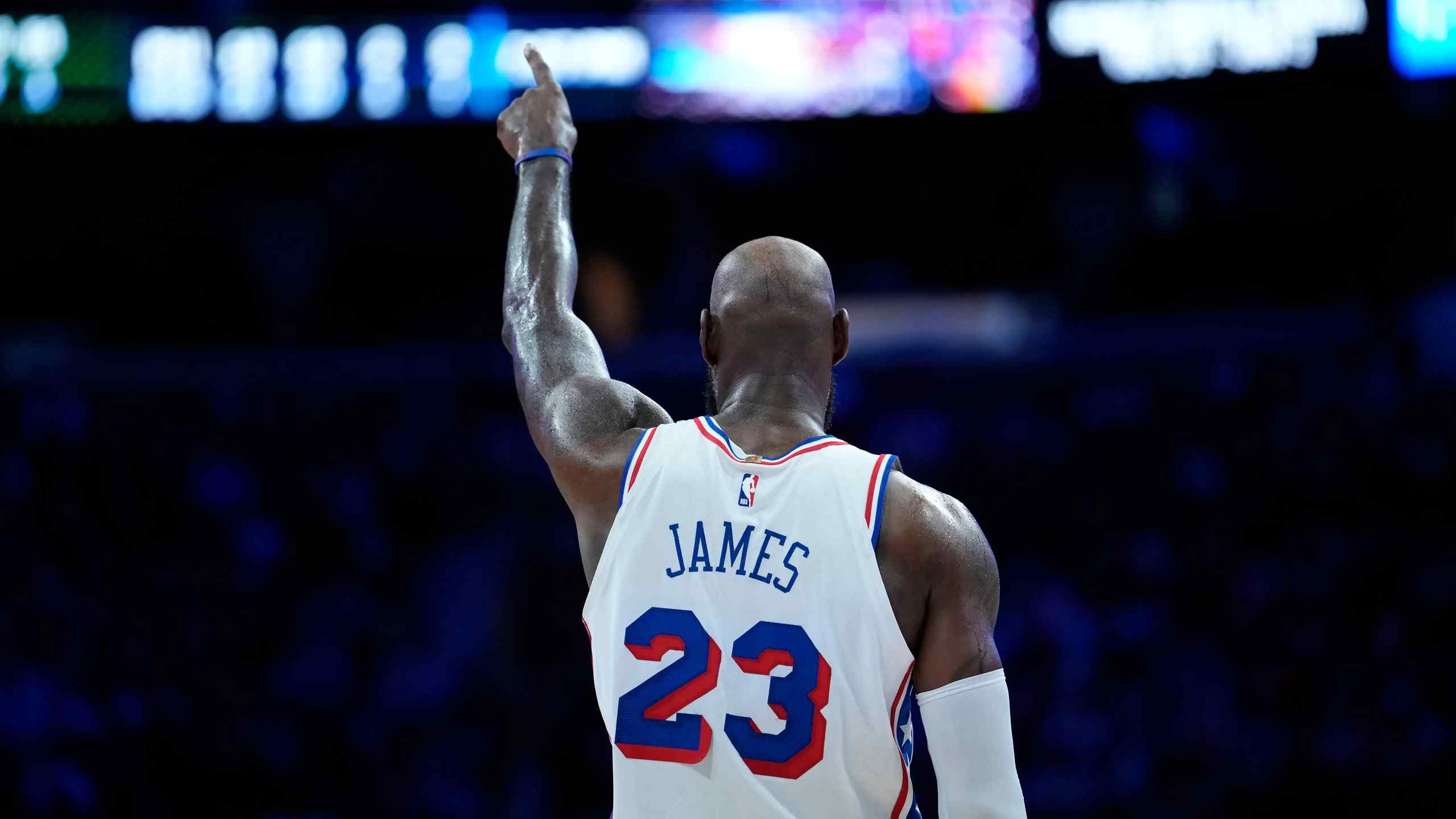
LeBron to Giannis: Ranking 5 NBA Offseason Stunners
LeBron to Philly, Giannis to Miami, and Wemby staying put. Which NBA offseason move will pay off the most?
By Bill Gelman
NFL Fans Spend $900 to Watch Games. WWE Fans Pay Even More
Think watching every NFL game is expensive? WWE fans would argue otherwise.

By James Guill
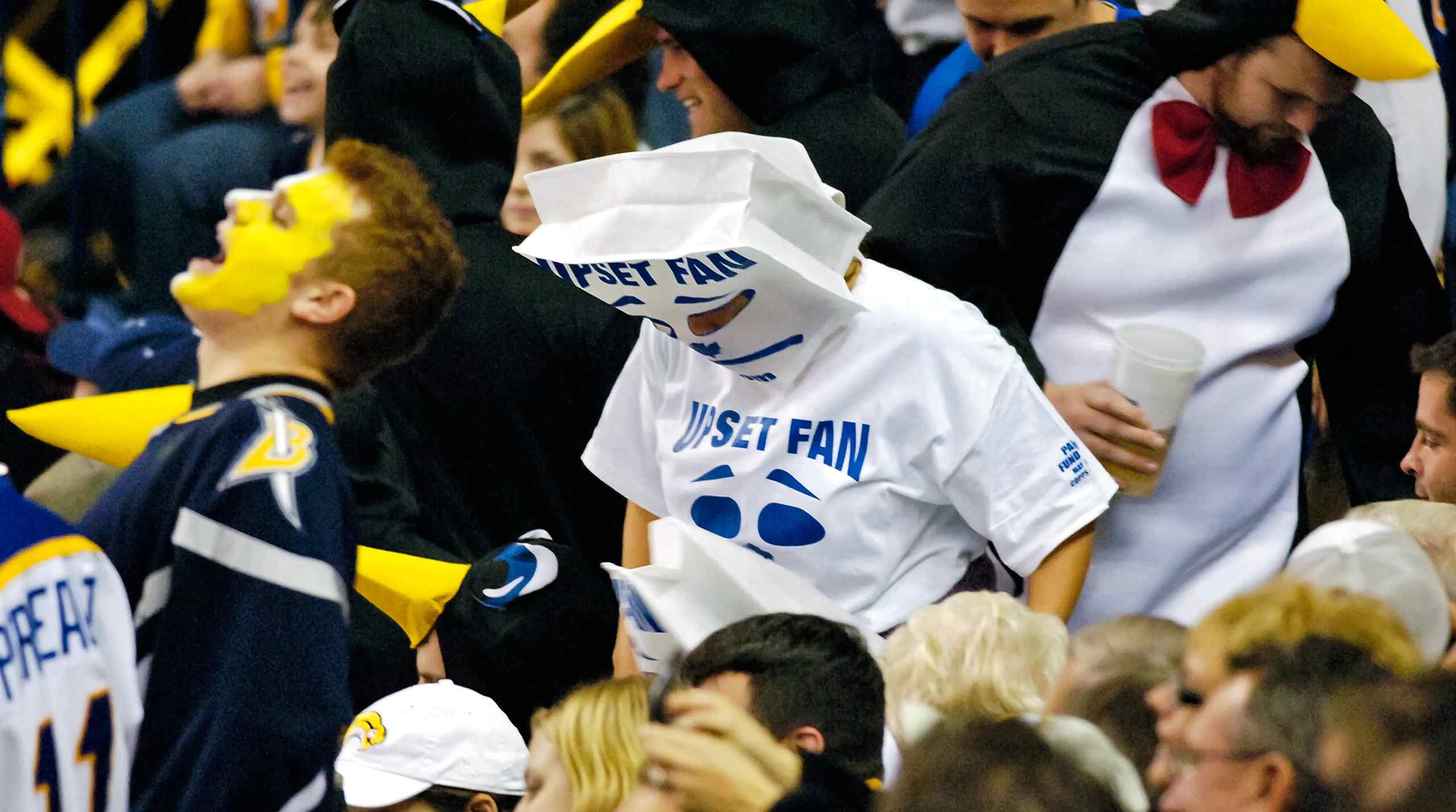
How Bad Is It? Ranking the NHL's Original Six by Fan Misery
Nearly 60 years without a Stanley Cup is just the beginning. We rank the NHL's Original Six teams by how much misery their fans have endured.
By Bill Gelman
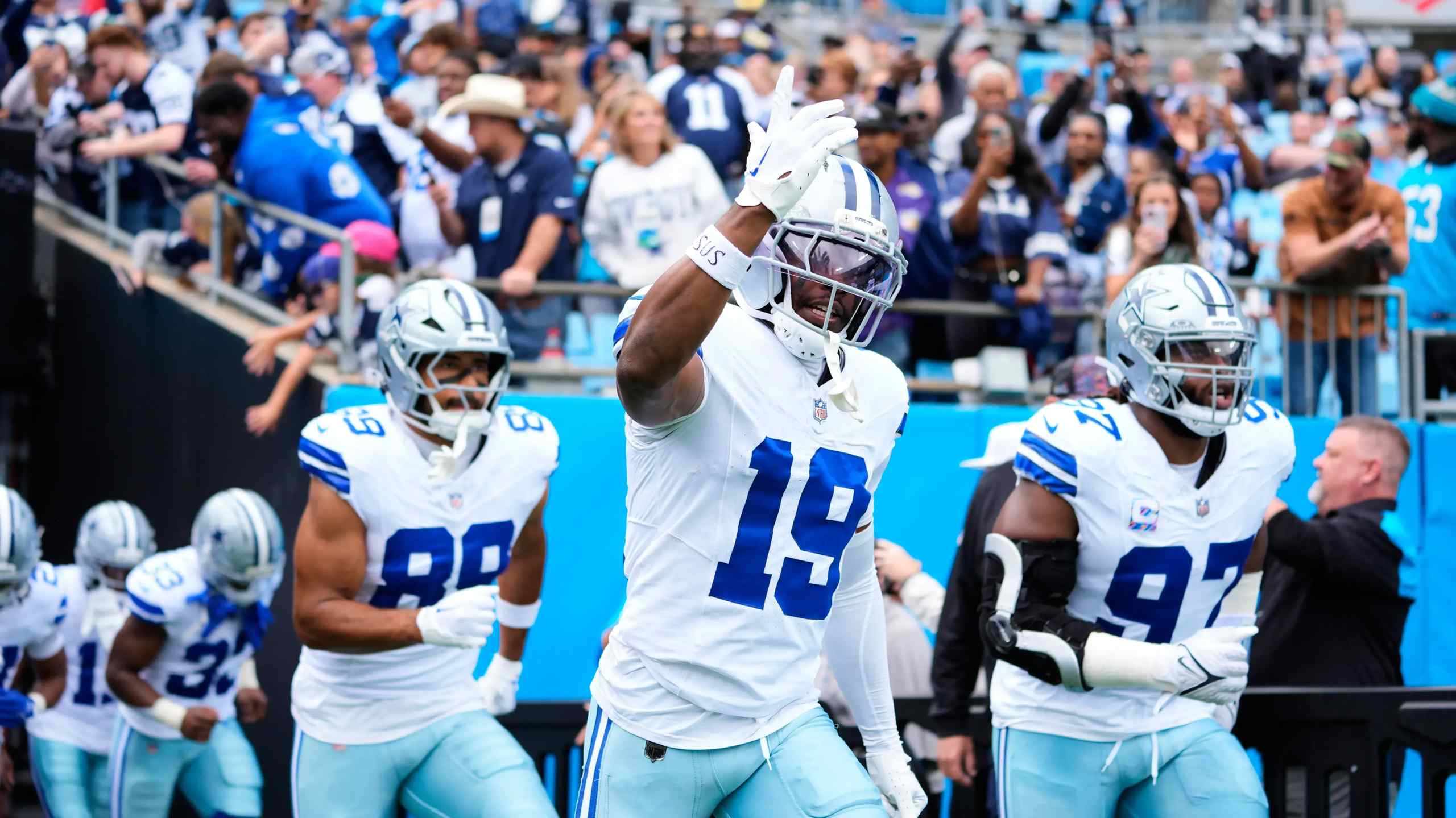
Why Does Everybody Hate Us? 10 Most Hated Sports Teams Ever
Some teams always win; others get caught breaking the rules. Either extreme is a surefire way to become universally hated, as these 10 sports teams can attest to.
By Stuart Hughes