
How Oddsmakers Set Lines
A breakdown of how oddsmakers build point spreads, moneylines, and totals using power ratings, vig, and betting action, so bettors can read line movement with real understanding.

Oddsmakers set sports betting lines by blending power ratings, historical data, and injury news into an opening number, then adjusting that number based on where bettors put their money. The line you see minutes before kickoff reflects math and market pressure working together, not a single expert's gut call.
Key Takeaways
- Oddsmakers build opening lines from power ratings, matchup data, and injury reports before any bets are placed.
- The vig is baked into every line, giving the sportsbook a built-in edge no matter who wins.
- Public betting volume and sharp money both push lines in different directions, and books track each separately.
- Line movement after the opener is usually about balancing risk, not new predictions about the outcome.
- Spreads, moneylines, and totals all get set using the same core process, just expressed in different formats.
Quick Facts Box
| Category | Detail |
|---|---|
| Difficulty Level | Intermediate |
| Estimated Time to Learn | 15 to 20 minutes |
| Best Suited For | Bettors who want to read line movement instead of just betting the number in front of them |
| Related Topic | Understanding the vig and how it shapes point spread and moneyline pricing |
Why Does Understanding How Oddsmakers Set Lines Matter?
Understanding how oddsmakers set lines matters because it turns a static number into a readable signal about risk, money, and information. A bettor who knows why a line moved from -3 to -5 can separate real news from noise. That knowledge helps you time bets, spot value, and stop chasing a number after the smart money has already moved on.
How Do Spreads, Moneylines, and Totals Compare in the Oddsmaking Process?
Spreads, moneylines, and totals compare closely in the oddsmaking process because oddsmakers start from the same projected scoreline for every bet type. The table below shows how one core projection gets converted into three different markets.
Bet Types and What They Measure
| Bet Type | What It Measures | How Oddsmakers Derive It |
|---|---|---|
| Point Spread | Margin of victory | Power rating gap between teams, adjusted for home field and injuries |
| Moneyline | Straight-up winner | Win probability implied by the spread, converted to plus/minus pricing |
| Total (Over/Under) | Combined score | Team scoring averages, pace, weather, and matchup tendencies |
What Steps Do Oddsmakers Follow to Build an Opening Line?
Oddsmakers follow a structured sequence to build an opening line, starting well before a market ever opens to the public. They begin with power ratings, a numerical score for each team based on performance data. That gap between two ratings becomes the foundation of the spread before anything else gets layered on top.
From there, oddsmakers factor in home-field advantage, rest, travel, and injury reports. The projected scoreline then gets converted into a market bettors actually see. That projected number is translated into the American odds format, the plus and minus pricing used across most U.S. sportsbooks, so bettors can compare spreads and moneylines side by side.
Why Do Sportsbooks Open Lines at Slightly Different Numbers?
Sportsbooks open lines at slightly different numbers because each book runs its own models and weighs factors like injuries or travel a bit differently. A handful of respected offshore and Nevada books are watched closely, and other sportsbooks often mirror those early numbers before adjusting for their own customer base. This is why shopping for the best number across multiple books can matter over a full season.
How Does the Vig Help Oddsmakers Set Profitable Lines?
The vig helps oddsmakers set profitable lines by building a small commission into the pricing on both sides of a bet. A typical spread bet is priced at -110 on each side instead of even money, so the sportsbook collects a cut regardless of the final score. That same margin sits inside a moneyline bet even on a game two evenly matched teams are expected to split close to fifty-fifty.
This margin is why balanced action matters so much to a sportsbook. When roughly equal money lands on both sides, the vig becomes close to guaranteed profit rather than a bet on the outcome itself.
How Does Public Betting Money Influence How Oddsmakers Set Lines?
Public betting money influences how oddsmakers set lines by pushing the number away from a team the crowd is backing heavily. If a popular team draws a lopsided share of bets, the book will often shade the line toward the opponent to pull action back the other way. That repricing keeps going once the game starts, which is the same mechanism driving live betting odds throughout the action.
Teams with large national followings tend to get bet regardless of the number, so oddsmakers sometimes shade those lines further than the raw data alone would suggest.
How Does Sharp Money Change Lines Differently Than Public Money?
Sharp money changes lines differently than public money because oddsmakers treat it as new information rather than simple volume. A small but well-placed bet from a known professional bettor can move a line more than a much larger stack of public tickets. Books watch for this pattern, sometimes called reverse line movement, when the number shifts against the side getting the most bets.
Examples of How Oddsmakers Set and Adjust a Line
A useful way to see this process is to walk through two common scenarios that play out during a typical week of games.
- Example 1: Injury news breaks after the opener. A sportsbook opens a game with the home team favored by 3 points. A starting quarterback is ruled out two days later, and oddsmakers move the line to 6 points to reflect the change in projected scoring.
- Example 2: One-sided public betting. A high-profile team opens as a 4-point favorite. Public bettors pile onto that side through the week, so the book moves the number to 5.5 points to attract underdog bets and rebalance its exposure.
- Example 3: Early line value disappears. A bettor grabs a favorite at -3 shortly after the opener. Once the line moves to -5.5 on other news, that same bettor might choose to hedge a bet on the other side to lock in value rather than ride out the full swing.
What Common Mistakes Do Bettors Make About How Oddsmakers Set Lines?
The most common mistake bettors make about how oddsmakers set lines is assuming the number represents a confident prediction of the final score. In reality, the line is a risk-management tool built to balance action and protect the vig. Three other misconceptions show up just as often.
- Assuming line movement always means new information. Sometimes a line simply moves because one side is getting bet heavily, not because anything changed on the field.
- Ignoring the vig when comparing bets. A -110 line and a -120 line are not the same wager, even if the spread number looks identical.
- Treating every book's opening number as the true line. Opening numbers vary, and the market only settles once enough books and bettors weigh in.
How Does Oddsmaking Compare to Prediction Markets and European Odds Formats?
Oddsmaking compares differently to prediction markets and European odds formats because each system prices risk through a different mechanism. Traditional sportsbooks set a line and adjust it themselves, while prediction markets let traders set prices directly against each other. The distinction matters more now that the lines between U.S. and European betting styles are blurring as decimal odds and exchange-style markets gain U.S. visibility.
Comparing Sportsbooks, Prediction Markets, and Betting Exchanges
| System | Who Sets the Price | How Profit Is Made |
|---|---|---|
| Traditional Sportsbook | In-house oddsmakers | Vig built into both sides of the line |
| Prediction Market | Traders buying and selling contracts | Bid-ask spread between buyers and sellers |
| Betting Exchange | Bettors matched against each other | Small commission on winning bets |
The Bodog Take on How Oddsmakers Set Lines
Oddsmakers set lines through a repeatable process, not guesswork. Power ratings and injury data build the opening number, the vig protects the book's margin, and betting action from both the public and sharp bettors drives everything that happens after kickoff week begins.
Bodog's take: treat the opening line as a starting point, not a verdict. Watch how it moves, ask what kind of money is behind that movement, and you will read markets the way an oddsmaker reads them, from the inside out.
Oddsmaking FAQs
What does it mean when oddsmakers set a line?
Setting a line means an oddsmaker publishes a spread, moneyline, or total that reflects a projected outcome plus a built-in margin for the sportsbook.
Do oddsmakers try to predict the exact final score?
No. Oddsmakers aim to balance betting action and protect the vig, not to forecast the precise score of a game.
Why do betting lines move before a game starts?
Lines move mainly because of betting volume on each side, new injury or weather information, and sharp bettor activity that signals a mispriced number.
What is the difference between the opening line and the closing line?
The opening line is the first number a sportsbook posts, while the closing line is the final number right before the event starts, shaped by a week of betting activity.
Does every sportsbook set the same line?
No. Sportsbooks often open close to each other but adjust independently based on their own customer base and risk exposure.
How does the vig affect how oddsmakers price a line?
The vig is built into the odds on both sides of a bet, so the sportsbook collects a small margin regardless of the final result.
Can a bettor use line movement to find value?
Yes. Bettors who track early line movement can sometimes find better numbers before the market fully adjusts to new information.
Continue Learning
- Betting odds explained: a breakdown of how odds formats translate into implied probability across major sports.
- How prediction markets work: a look at the trading mechanics behind contract-based forecasting markets.
- Betting on everything: an overview of how prediction-style wagering has expanded beyond sports.
- How prediction markets have sidelined the on-field action: an analysis of how trading markets are competing for bettor attention.
Sources & Review
Arthur Crowson got his start in traditional newspapers before making the jump to digital media, where he's spent the last ten years writing about poker, finance, crypto, gambling, and emerging tech. Over that time, he's developed a knack for spotting the moments when markets, technology, and gambling pull in the same direction. His work has appeared in publications like PokerListings, CryptoVantage, ValueWalk, and PokerScout.
More Articles like this
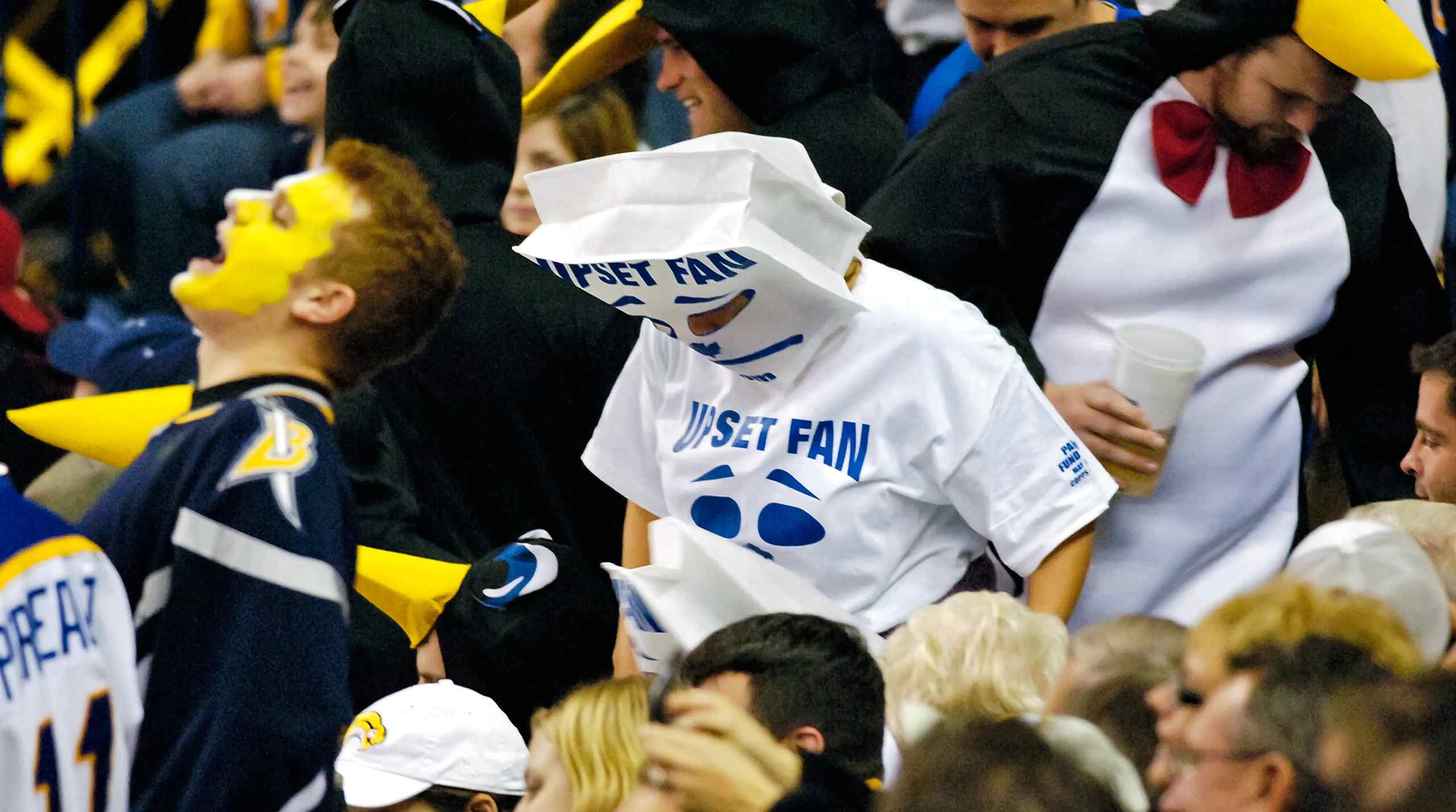
How Bad Is It? Ranking the NHL's Original Six by Fan Misery
Nearly 60 years without a Stanley Cup is just the beginning. We rank the NHL's Original Six teams by how much misery their fans have endured.
By Bill Gelman
Why Does Everybody Hate Us? 10 Most Hated Sports Teams Ever
Some teams always win; others get caught breaking the rules. Either extreme is a surefire way to become universally hated, as these 10 sports teams can attest to.
By Stuart Hughes
5 Outrageous Sports Rules That Need to Die
From a missed signature disqualification to a two-minute penalty for a tucked-in jersey, find out about the top five dumbest rules in sport that leave common sense in the locker room.

By Stuart Hughes
The 10 Most Unforgettable Quotes in Sports History
From Jordan's hard truths to Healy's cheeseburger dig, these legendary greats uttered 10 iconic quotes that turned out to be as memorable as their sporting achievements.
By Stuart Hughes
Eight Years, Eight NBA Champions. Is Parity Here to Stay?
Eight different teams have won the NBA championship in eight years, the longest such streak in league history. Can the Knicks finally break the cycle, or will another contender claim the crown?
By Bill Gelman
Is This the Biggest Acquisition Era in Sports Betting History?
Sportsbooks, prediction markets, and sweepstakes apps are fighting for the same customers. We compared 11 welcome offers to see who's offering the biggest incentives.
By Cole Rush