
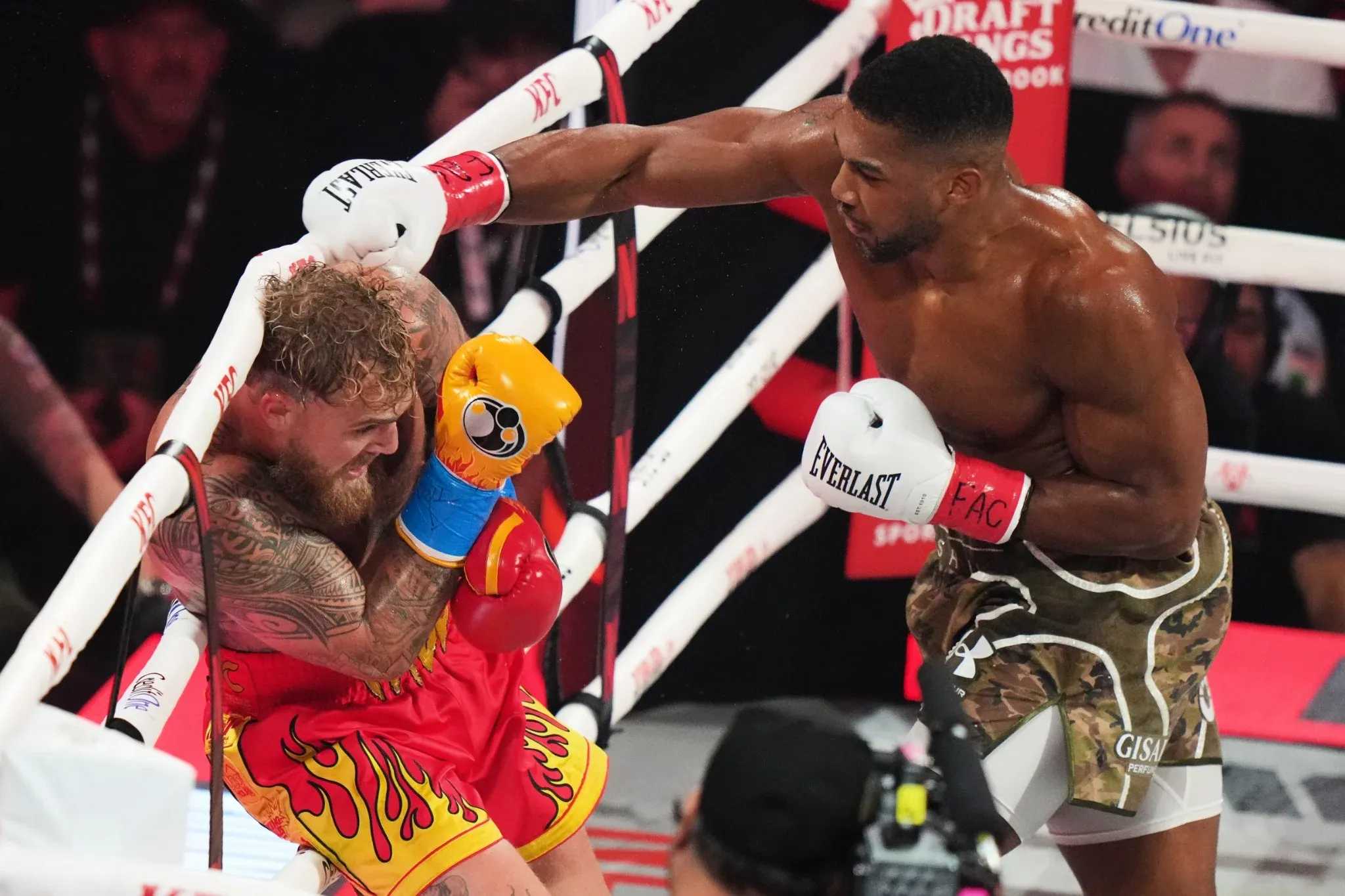
Best Boxing Betting Sites 2026: How to Bet on Boxing
Compare boxing betting sites, learn how to bet on boxing online, and understand fight odds, moneylines, round betting, method-of-victory wagers and props.

Boxing betting looks simple on the surface: two fighters, one winner, one line. Then the bell rings, the underdog survives six rounds, the favorite starts to fade, and suddenly that “safe” moneyline does not feel so safe.
That unpredictability is part of what makes betting on boxing different. A fight can turn on a single knockdown, an early cut, a questionable scorecard, or a fighter who struggled to make weight and never fully recovered.
Unlike team sports, where bettors can analyze hundreds of games each season, a boxer may fight only a few times a year, and some of those bouts may offer little insight into how they will perform against elite opposition.
Finding the best boxing betting site matters too. Sportsbooks can differ in their fight coverage, boxing odds, prop markets, live betting and promotions, so comparing the available lines and markets can be just as important as analyzing the fighters.
Successful boxing betting isn't simply about picking the better fighter. It means evaluating the matchup, styles and conditions, then deciding whether the available odds justify the wager.
Below, we compare boxing betting sites for U.S. bettors before explaining how to bet on boxing online, how boxing odds work and the most common types of fight bets. Canadian bettors can also visit our guide to the best sportsbooks in Canada to compare options available in their province.
Boxing Betting Apps Available in Your Region


Best Boxing Sites in 2026
We recommend these as the best sportsbooks for US-based boxing fans ready to get started on their betting journey. Some of them may not be available in all regions. For Canadian bettors, check out our guide to the best sportsbooks in Canada to see the options in your province.
BetRivers: Best For Fast Withdrawal

BetRivers is Rush Street Interactive’s flagship betting brand, operating regulated sportsbook and casino products across parts of the U.S., Ontario and Alberta.
Among the fasting operators at completing withdrawal requests
Only available in 15 states
BetRivers is ideal for bettors who prioritize quick access to their winnings and enjoy live sports streaming. The platform offers a reliable and rewarding experience for boxing bettors.
- iRush rewards program
- Live sports streaming
- Fast withdrawals
Fanatics: Best For Rewards on Boxing Bets
Fanatics is a leading betting platform which offers a unique FanCash rewards program redeemable for both bonus bets and official sports merchandise.
FanCash rewards program
Limited player prop depth
Fanatics Sportsbook stands out with its unique FanCash rewards program, which allows bettors to earn rewards on their wagers that can be redeemed for bonus bets or sports merchandise, adding extra value to every bet placed.
- FanCash rewards program
- Earn FanCash on bets to use as bonus bets or merchandise credit
- Standard fight markets including fight winner odds, method-of-victory props, and round betting
FanDuel: Best Boxing Betting App for Fight Props

FanDuel combines a large North American betting footprint with a sportsbook built around quick in-play wagering, player props and multi-leg bets.
One of the market’s most intuitive Same-Game Parlay and live-betting experiences.
The app can feel busy for bettors who prefer a simpler, stripped-back sportsbook.
FanDuel offers a user-friendly app that keeps fight markets organized and accessible, making it easy for bettors to find and place wagers on popular markets such as fight winner odds, knockout props, and round betting.
- User-friendly app
- Organized fight markets
- Popular wagers like fight winner odds, knockout props, and round betting
DraftKings: Best Boxing Betting Site for Round Betting

DraftKings is a North American digital gaming company whose sportsbook is known for wide event coverage, detailed player markets and a feature-heavy mobile experience.
Strong player-prop and Same Game Parlay functionality around major sports
Its pricing is not consistently the strongest for line shoppers
DraftKings excels for bettors who enjoy detailed round betting options and method-of-victory props. It expands its boxing markets significantly during major pay-per-view events, providing a comprehensive betting experience.
- Wide range of round betting markets
- Method-of-victory props
- Expanded boxing markets during major pay-per-view events
BetMGM: Best Boxing Sportsbook for Fight Props

BetMGM pairs a regulated online sportsbook with the reach of MGM Resorts and Entain, giving the brand a different foundation from sportsbook-first competitors.
Integrated GameSense tools make responsible-play resources easier to find and use.
Product features and rewards can vary considerably by state, province and local licensing rules.
BetMGM caters to bettors interested in wagering on how a fight ends, not just who wins. It offers multiple method-of-victory options and markets related to fight length and round totals, especially around championship and high-profile fights.
- Several method-of-victory options including knockout, technical knockout, decision, and draw outcomes
- Markets tied to fight length and round totals
- Prop markets around championship fights and high-profile cards
Caesars: Best for Parlay Boost Promotions

Caesars Sportsbook is a regulated betting product attached to one of North America’s largest casino and hospitality groups, with digital play designed to sit alongside its physical properties.
Caesars Rewards adds value for users who regularly visit the company’s resorts and entertainment venues.
Not available in as many states as market leaders
Caesars Sportsbook is a top choice for bettors who seek enhanced odds and parlay boosts around major boxing events. Its loyalty program also rewards regular bettors with perks redeemable for travel, dining, and entertainment.
- Regular boosted odds around high-profile boxing events
- Markets such as method-of-victory bets and round totals
- Caesars Rewards loyalty program for travel, dining, and entertainment perks
How We Compare Boxing Betting Sites
The best boxing betting sites need to offer more than a moneyline on the biggest fights. We compare sportsbooks based on their boxing coverage, odds, betting markets, live features, payments and overall betting experience.
Here are the main factors we consider:
Boxing Odds and Pricing
We compare boxing odds across sportsbooks to see how each platform prices the same fights. Even small differences in a moneyline can affect your potential return, particularly if you bet regularly or place larger wagers.
Fight and Event Coverage
A strong boxing sportsbook should cover more than headline title fights. We look for betting markets across major promotions, weight classes and international cards, as well as undercard fights where available.
Boxing Betting Markets
We assess the variety of ways you can bet on boxing. Along with fight-winner moneylines, that can include method of victory, total rounds, round betting, winning-round markets and other fight props.
Live Boxing Betting
Some boxing betting sites allow you to place wagers after a fight has started. We consider the availability of live markets, how quickly odds update between rounds and whether eligible bets offer cash-out options.
Promotions and Bonus Terms
We look beyond the advertised value of a sportsbook promotion and consider the terms attached to it. Eligibility, minimum odds, wagering requirements, expiry dates and other restrictions can determine how useful an offer actually is.
Deposits and Withdrawals
We compare available banking methods, deposit and withdrawal limits, potential fees and published processing times. The options available can vary by sportsbook and location.
Mobile Betting Experience
Boxing cards can run for hours, so a reliable mobile experience matters. We consider how easy it is to find fights, compare markets, build a bet slip, follow live odds and manage your account from a phone or tablet.
Safety and Legal Availability
We consider whether a sportsbook is authorized to operate in the jurisdiction it serves and what account security and responsible gambling tools it provides. Availability varies by state and province, so bettors should always confirm that a sportsbook can legally operate where they live.
How to Bet on Boxing: Step by Step
- Pick the fight. Not every fight deserves a bet. Prioritize matchups where you have a real read on style, form and price.
- Read the moneyline. Understand the implied probability on both sides before evaluating other markets.
- Compare method and round markets. If a KO seems likely based on the stylistic read, check whether the method prop or round group offers better value than the moneyline.
- Check the fight rules. Number of scheduled rounds, title status, catchweight agreements, fight location and which sanctioning body is sanctioning the bout can all influence how the fight unfolds.
- Shop odds across sportsbooks. A half-point difference on the moneyline compounds over a full card. Line shopping is one of the few edges a bettor can actually build systematically.
- Decide stake size before you look at the line. Knowing the price first leads to bet-sizing based on excitement rather than strategy.
- Decide: pre-fight or live. Sometimes waiting for the first round resolves a major uncertainty — a fighter's conditioning, movement quality, or chin — that was impossible to know in advance.
How Boxing Odds Work
American odds are the standard format at most North American sportsbooks. The logic is straightforward:
- Negative odds signal the favorite. -200 means you must bet $200 to win $100.
- Positive odds signal the underdog. +200 means a $100 bet returns $200 in profit.
- Implied probability tells you how often the market expects that outcome to occur.
The formula for implied probability: negative odds convert as |odds| / (|odds| + 100), positive odds convert as 100 / (odds + 100). A -200 favorite carries roughly 66.7% implied probability. A +150 underdog sits around 40%.
One thing worth noting: sportsbooks build in a margin on both sides of a real market, which means the implied probabilities across both fighters add up to more than 100%. That gap is the vig, also known as the house's cut on every fight.
Boxing Odds Reference Guide
How to Read Boxing Odds
| Boxing odds (American style) | What it means | Implied probability | $100 bet wins |
|---|---|---|---|
| -200 | Strong favorite | 66.7% | $50 |
| -110 | Near pick'em | 52.4% | $90.91 |
| +150 | Underdog | 40% | $150 |
| +400 | Big underdog | 20% | $400 |
Main Boxing Betting Types
This is where most bettors make or lose money — not on whether they picked the right winner, but on whether they picked the right bet type for what they actually saw in the matchup.
Moneyline is the foundation — who wins the fight, by any method. It is the most liquid market and the easiest to compare across sportsbooks.
Method of victory asks not just who wins, but how they win: KO/TKO, decision, or disqualification. If the style matchup clearly favors a stoppage, this market can offer better value than laying a large price on the moneyline.
Over/under rounds focuses purely on fight length. Sportsbooks typically set the line at a half-round mark (for example, 8.5 rounds), and you bet whether the fight ends before or after that point. Half rounds fall at the 1:30 mark of a given round.
Round group betting narrows the finish to a range of rounds rather than an exact number, splitting the difference between the over/under and exact round markets.
Exact round is high-variance, high-reward. It requires a specific finish and is better suited to small units than serious stakes.
Draw is priced separately and listed on most major sportsbooks as a three-way moneyline option. A technical draw, when the fight is stopped due to an accidental cut and the judges' scorecards determine the result, counts the same as a standard draw for betting purposes. Rare, but it happens.
Live betting changes the equation entirely. Once the fight starts, odds update in real time based on what is unfolding — pace, power, damage, ring control. If you believe the favorite is fading, or the underdog is winning more rounds than expected, live markets can offer angles that pre-fight odds never presented. The downside: lines move fast and overbetting in the moment is a real risk.
Parlays are available and can run two or more boxing legs together for multiplied odds. The math sounds appealing; the execution is brutal. Boxing variance is high — a stoppage in round one, a bad cut, a controversial decision — and each leg compounds the risk. Most bettors are better served spreading their action across single-fight bets.
Types of Boxing Bets
| Bet type | What you're betting on | Best for | Main risk |
|---|---|---|---|
| Moneyline | Which fighter wins | Simple fight picks | Price can be too expensive on big favorites |
| Method of victory | KO/TKO/DQ or decision | Style-based reads | One knockdown or cut can flip the bet |
| Over/under rounds | Fight length | Pace and durability reads | Early injuries and stoppages |
| Round group | Which range the fight ends in | Finishing-pattern angles | Harder to price accurately |
| Exact round | The specific round of stoppage | High-risk, high-reward plays | Very specific outcome required |
| Draw | Fight ends tied | Long-shot bettors | Rare outcome, but separately priced |
| Live betting | Odds after the fight starts | Reading pace and damage in real time | Odds move fast, discipline required |
What Moves Boxing Odds?
Boxing lines are thinner than NFL or NBA markets. A significant bet or new piece of information can shift the number fast. Here is what the market is watching:
- Public money on big names. Fighters with massive fan bases — regardless of how they are performing — attract one-sided money that can move lines off fair value.
- Late injury reports. A hand wrap, a shoulder issue, a rib problem revealed late in camp can swing a line by several points overnight.
- Weigh-in results. A fighter barely making weight — or missing it — can signal serious rehydration issues. A fighter who shows up to the weigh-in looking flat or drawn is worth noting.
- Rehydration concerns. A fighter who cuts dramatically to make a lower weight class and then rehydrates 15–20 pounds overnight may perform differently than their natural frame suggests. Bettors who track walk-around weights have an edge here.
- Opponent replacements. Short-notice replacements fundamentally change the matchup. The replacement's style, record and preparation time are all variables that the opener likely did not price in.
- Judge assignments and fight location. Some judges score more conservatively than others. A fight in a fighter's home market can subtly influence scoring in close rounds.
- Training camp news. A trainer change, a sparring injury, or reports of poor conditioning can trickle into the market and shift lines.
- Style analysis. Pressure fighter versus counterpuncher, southpaw versus orthodox, volume puncher versus knockout artist — sharp bettors read these matchups and often bet openers before the public catches up.
- Market correction after openers. Opening lines are set to balance early action, not to reflect perfect information. Markets often correct in the 48–72 hours before a fight as professional money flows in.
Boxing Betting Strategy: The Basics
Price Matters More Than Picking Winners
A bettor who correctly picks 55% of fight outcomes can still lose money if they consistently lay -300. The relationship between probability and price is everything.
Big Favorites Can Be Bad Bets
When a fighter is priced at -400 or higher, you need them to win four out of five times just to break even. Boxing gives every fighter a chance to end the fight with one punch. The juice on massive favorites rarely makes mathematical sense over time.
Match Method Props to Style
A decision prop only makes sense if neither fighter carries serious knockout power or the styles are likely to produce a long, technical fight. A KO/TKO prop only makes sense if one fighter has proven finishing ability against comparable opposition, not against padded records.
Totals Require Specific Reads
The over/under is not a default bet. It requires a specific read on pace, power, defensive quality and conditioning. A boxer known for fast starts might produce early stoppages consistently. A durable, technically sound boxer might drag every fight deep regardless of the opponent.
Undefeated Records Are Not What They Seem
A 20-0 record means nothing if 18 of those wins came against journeymen who were brought in to lose. Check the level of opposition, not just the number in the win column.
Be Cautious With Comeback Fights and Late Replacements
A fighter returning after a long layoff or a serious knockout loss carries unknown variables: ring rust, psychological confidence, chin durability. Short-notice replacements are in a similar position — they may not have had the camp that the original opponent had.
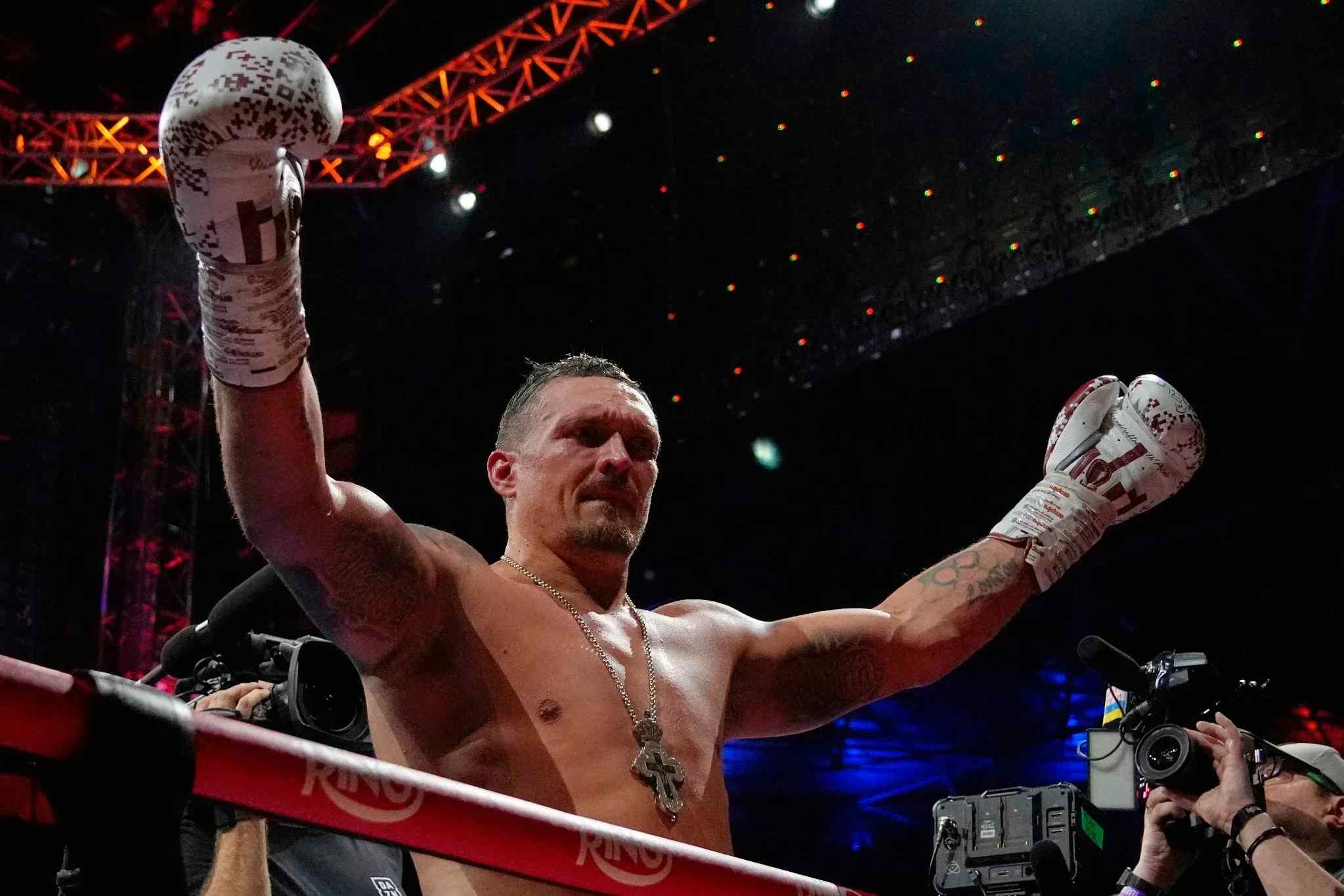
The Boxing Title Maze: Why Belts Confuse Betting Markets
Professional boxing recognizes 17 weight divisions. Across those divisions, the four major sanctioning bodies — WBA, WBC, IBF and WBO — each award their own champions. That creates up to 68 major men's world title positions before accounting for Ring Magazine titles, interim belts, secondary belts or vacancies.
The result: "champion" does not always mean the clear No. 1 in a division. A fight billed as a world title bout might involve an interim belt, a secondary belt, or a title in a division the fighter only moved to because the better matchups were elsewhere.
Current Heavyweight Landscape (as of May 2026)
The heavyweight division is a good example of how fragmented title pictures create betting complications. Oleksandr Usyk holds the WBA (Super), WBC and IBF belts, while Fabio Wardley holds the WBO title. The presence of a WBA "regular" champion (Murat Gassiev) and WBC interim champion (Agit Kabayel) alongside Usyk means a fight can be labeled a heavyweight world title fight without involving the undisputed champion. Bettors need to read the belt structure before assuming that "champion vs. challenger" framing reflects the actual pecking order.
Boxing Odds vs. Boxing Predictions
An odds line is a market price. A prediction is an argument. These are not the same thing, and treating them interchangeably is one of the most common mistakes bettors make.
A fighter can be the right pick to win the fight and still be a bad bet if the price is wrong. The question is not "who wins?" It is "does my read justify the price?" If you believe a +200 underdog has a 45% chance of winning, that is a strong bet on the math even if your gut says the favorite probably wins. If you believe the -250 favorite has a 60% chance and the implied probability is 71.4%, passing is the correct decision.
Predictions and opinions are useful inputs. They are not substitutes for understanding what the market is actually pricing.
If you're interested in how probability pricing works beyond traditional sportsbooks, prediction markets offer a different take on fight outcomes.
Common Boxing Betting Mistakes
- Betting the name, not the price. Star power inflates favorites. Famous fighters often draw more money than their actual edge justifies, and the line moves against bettors who follow them blindly.
- Ignoring weight class movement. A fighter moving up from lightweight to welterweight may lose the size advantage and the power that made them dangerous. A fighter dropping weight may look depleted by fight time.
- Treating KO percentage as predictive without checking opposition. A 90% knockout rate built against poorly ranked opponents is not the same as a 90% rate against top-level competition.
- Betting every fight on a card. Not every bout has a clear angle. Forcing a bet on undercard fights with limited information is how small edges turn into large losses.
- Chasing exact-round long shots. The payouts look exciting. The hit rate is brutal. Exact-round bets are worth small units at most, never meaningful stakes.
- Overvaluing belts without reading the belt structure. Four major sanctioning bodies mean a title fight is not always a title fight in any meaningful sporting sense.
Boxing Betting vs. MMA Betting
Boxing and MMA are both combat sports, but the betting markets behave differently in ways that matter.
The most obvious difference is the finish options. A boxing stoppage comes from punches only — KO, TKO, corner stoppage, or referee intervention. MMA adds submissions, ground-and-pound stoppages, and a third fighter in the cage: the referee, whose stoppage timing varies more than in boxing. Method-of-victory props carry more moving parts in MMA as a result.
The draw market is another dividing line. Draws are rare but real in boxing, and sportsbooks price them as a live outcome. In MMA, a draw is so uncommon it barely registers as a betting consideration for most fights.
Round betting also plays differently. Boxing cards are typically scheduled for 10 or 12 rounds. MMA title fights run five rounds; non-title fights run three. The shorter round structure in MMA compresses the over/under market — a fight total of 2.5 rounds in a three-round bout is a very different read than 8.5 rounds in a 12-round boxing match.
Perhaps the biggest gap is data availability. MMA fighters compete across multiple disciplines — striking, wrestling, grappling — and fight tape reveals far more tactical information than most boxing bouts. Boxing's smaller annual fight volume and tighter stylistic range can make meaningful matchup reads harder to develop.
Betting On Boxing FAQs
Where can I bet on boxing online?
You can bet on boxing online at sportsbooks that are authorized to offer sports betting where you live. The best boxing betting sites offer more than fight-winner odds, with markets such as method of victory, total rounds, exact-round betting and other boxing props. Compare available sportsbooks by their boxing coverage, odds, markets, live betting features and payment options before choosing where to bet.
What is the best boxing bet for beginners?
The moneyline is generally the simplest boxing bet for beginners because you only need to choose which fighter will win. The sportsbook assigns odds to each fighter, which determine the potential payout. Other boxing bets, such as method of victory or exact round, require you to predict more specific outcomes.
How do boxing odds work?
Boxing odds show the price of a wager and its implied probability. With American odds, a fighter listed at -200 is the favorite: you would need to bet $200 to make $100 in profit. A fighter at +200 is the underdog, meaning a $100 winning bet would make $200 in profit. Comparing the same fight across multiple boxing betting sites can help you find a better price.
How do you bet on boxing online?
Choose a sportsbook available where you live, create and verify your account, deposit funds and find the boxing event you want to bet on. Select a market such as the moneyline, total rounds or method of victory, add your selection to the bet slip, enter your stake and review the odds and potential return before confirming your wager.
What types of boxing bets can you place?
Common boxing bets include moneylines, method of victory, total rounds, exact-round betting, whether a fight will go the distance and other fight props. Some sportsbooks also offer live boxing betting and additional markets for major fights. Available markets vary by event and sportsbook.
What happens to my boxing bet if the fight ends in a draw?
It depends on the market and sportsbook rules. On a two-way moneyline, a draw may result in the wager being graded as a push and your stake being returned. A three-way market includes the draw as a separate betting option, so bets on either fighter would lose if the official result is a draw. Always check the sportsbook's settlement rules before betting.
What happens to a boxing bet if the fight is ruled a no contest?
Settlement depends on the sportsbook and the market you placed. Many standard fight-winner bets are voided if a bout is officially ruled a no contest, with the stake returned, but some proposition bets may be settled differently depending on what happened before the stoppage. Check the sportsbook's boxing rules for the specific market before placing your bet.
Arthur Crowson got his start in traditional newspapers before making the jump to digital media, where he's spent the last ten years writing about poker, finance, crypto, gambling, and emerging tech. Over that time, he's developed a knack for spotting the moments when markets, technology, and gambling pull in the same direction. His work has appeared in publications like PokerListings, CryptoVantage, ValueWalk, and PokerScout.
More Articles like this
The Human Highlight Reel: Ovechkin’s Top 5 Moments
From “The Goal” to passing Gretzky and finally lifting the Stanley Cup, we rank five unforgettable moments from Alex Ovechkin's legendary career.
By Bill Gelman
Do NHL Stars Lose Their Edge After Signing Huge Contracts?
Do NHL stars really take their foot off the gas after a big payday? We analyzed 29 major contracts to find out.
By Charlon Muscat
Five Iconic World Series Moments Since the Brewers' Appearance
The Brewers are back in the World Series after 44 years. From Bill Buckner's error to the Cubs ending their curse, plenty has happened since 1982.
By Bill Gelman
LeBron to Giannis: Ranking 5 NBA Offseason Stunners
LeBron to Philly, Giannis to Miami, and Wemby staying put. Which NBA offseason move will pay off the most?
By Bill Gelman
NFL Fans Spend $900 to Watch Games. WWE Fans Pay Even More
Think watching every NFL game is expensive? WWE fans would argue otherwise.

By James Guill
How Bad Is It? Ranking the NHL's Original Six by Fan Misery
Nearly 60 years without a Stanley Cup is just the beginning. We rank the NHL's Original Six teams by how much misery their fans have endured.
By Bill Gelman