Nike Is Losing the Sneaker Wars, But It Still Rules the NBA
Nike's sales are sliding and rivals are gaining ground, yet its sneakers still dominate NBA courts. Could basketball provide the spark for a comeback?

Insatiable rivals, dismal sales figures, and a rapidly retreating market share are a toxic combination for any brand to have to deal with. Given that the firm in question just happens to be Nike, could it be a sign that the Swoosh is simply losing its swagger?
While Nike still commands the lion's share of the market, of late the marquee brand's sales growth is comfortably being outpaced by its arch-rival Adidas. More concerning still, Nike’s smaller, hungrier rivals, including On Running, ASICS, and Hoka, are also gaining ground, with all three posting double-digit revenue growth last year.
Yet, go watch any NBA game and the majority of superstars are still all lacing up with Nike - so can the sportswear giant use this stronghold to convince Wall Street that betting against them is a wager that is destined to lose?
How The Swoosh Is Sinking: A Closer Look at Nike's Numbers
Nike's problems aren't the result of a few disappointing sneaker launches or a temporary backlash from an edgy social media campaign like its Boston Marathon faux pas; no, the problems run deeper than that.
So bad, in fact, that figures from Euromonitor International reveal that Nike's share of the global footwear market fell by a further three percentage points to 22.9% in 2025 -- its third straight annual slump. On the flip side, serial rivals Adidas grew its global share from 11.7% to 12.2%, reinforcing fears that Nike's decades of dominance are starting to ebb away.
Nike's financial statements aren't a pretty sight either, with the company reporting $11.2 billion in revenue for its fiscal first quarter of 2027, down 4% from the previous year. Of this, Nike Direct Revenue fell 8%, Converse sales plunged 28%, with company bosses warning that the firm's full-year revenue looks set to take a high-single-digit hit.
As a consequence, Nike’s shares are hovering around $38. The stock bottomed completely at the start of last month when it dropped to just $33.87, its weakest closing level since 2014.
Nike's Billion-Dollar Nightmare
| Key Metric | Latest Figure | What It Means |
|---|---|---|
| Nike global sports footwear share, 2025 | 22.9% | Down 3 percentage points |
| Adidas global sports footwear share, 2025 | 12.2% | Up from 11.7% |
| Nike Q1 FY2027 revenue | $11.2 billion | Down 4% year over year |
| Nike Q1 FY2027 Direct revenue | $4.1 billion | Down 8% |
| Nike Q1 FY2027 Converse revenue | $263 million | Down 28% |
| Nike FY2027 revenue outlook | High-single-digit decline | Further weakness expected |
| Nike restructuring savings target | $2.5 billion | Cumulative savings through FY2031 |
Why Panic When The NBA Is Still Nike Territory?
Undoubtedly, this is where the story gets interesting, as, glancing around the NBA, at least at ground level, you'd be forgiven for thinking Nike's fortunes were in fact on the rise.
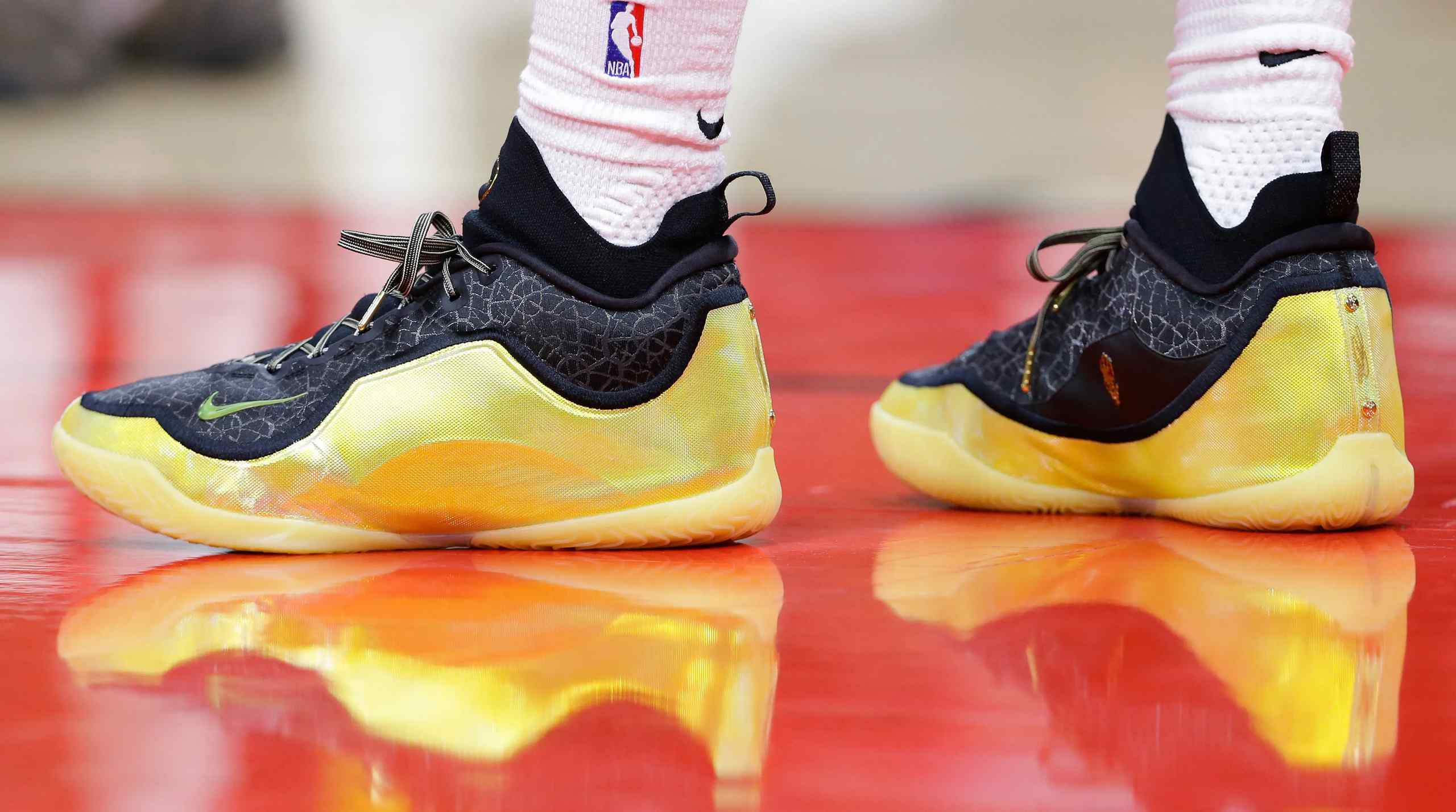
So much so that, in contrast to its downward commercial market trajectory, Nike sneakers accounted for 60.86% of total NBA playing minutes during the 2025–26 season, swelling to 68.5% if you also factor in the Nike-owned Jordan Brand.
In reality, this means more than two-thirds of NBA game time was spent while star players were wearing the Swoosh. Given the sizable influence NBA players have on footwear trends, that's an astonishing market share that the likes of Adidas (10.57%), Puma (2.89%), and New Balance (2.83%) are justifiably in awe of.
NBA 2025–26 Season Footwear Metrics
Nike share of playing minutes | 60.86% |
Nike + Jordan Brand combined | 68.52% |
Nike Kobe 6 | 76,384 minutes |
Nike Kobe V | 30,040 minutes |
Nike Sabrina 3 | 28,654 minutes |
Nike Kobe 4 Protro | 25,810 minutes |
Clearly demonstrating its stranglehold on the NBA, not only did Nike have a clean sweep of the top 10 most popular models last season, but the Kobe 6 clocked up more than twice that of its predecessor, the Kobe V. Perhaps, then, there's some reassurance to be found in the board's belief that they can reverse the brand's fortunes, given that whenever the league's first $100 million player is crowned - at least statistically speaking - they will probably be wearing Nikes when they do.
Why Nike Is Losing Its Competitive Edge
So what gives? Well, while Nike appears to have a vice-like grip on the NBA, its consumer appeal appears to be weakening. Across the board, its running, lifestyle, and casual footwear sectors are losing ground to the likes of Hoka, On Running, and Adidas.
Added to that, Nike's own domestic product strategy has fallen foul of a cooling demand for its iconic lines, including the Dunk and Air Jordans, where excess inventory has put pressure on the brand's bottom line. Arguably, at least here, they may be a victim of their own success, as combined, Nike and Air Jordan account for 59.5% of the $6 billion US sneaker resale market.
Meanwhile, sales in China -- Nike's largest international market -- are also sliding, primarily driven by stiffening competition from the nation's own domestic footwear brands, which is taking chunks out of its global revenue portfolio.
Could Basketball Be Nike’s Slam Dunk for a Revival in Sneaker Sales?
Nevertheless, before anyone starts writing Nike's eulogy, despite the ongoing commercial malaise, it hasn't all been bad news, with subtle signs that the sportswear titan may in fact be turning a corner.
While the cooling sales figures have added value to Kalshi’s Nike-related prediction markets, the brand's all-round popularity certainly remains intact, as seen in a Stifel footwear survey earlier this year. In it, they found that Nike emerged as one of the most popular brands in 64.5% of retail store checks - a 12.7 percentage-point increase year over year - an invaluable metric offering genuine grounds for optimism.
With the NBA as the ace up its sleeve, behind the scenes, CEO Elliott Hill is also pushing through his Sport Offense strategy, placing a greater emphasis on product innovation and improved operational efficiency. In doing so, Nike's Pace transformation program is earmarked to generate roughly $2.5 billion in cumulative savings by 2031.
Could Nike's NBA Dominance Spark a Wall Street Comeback?
Granted, Nike’s affiliation with the NBA is every bit as strong as Wilson’s, but as the latter’s latest smart basketball technology proves, to stay in the game you need to keep innovating. Reconfiguring Nike’s dominance on the court into real-world sales transactions is undeniably the key to reversing the firm’s fortunes.
While projected high-single-digit revenue decline means it won’t be easy, given Nike's official fiscal 2027 first-quarter earnings report also showcased a 60-basis-point gross margin improvement to 42.8%, there are definitely glimmers of hope for investors. It may be too early to tell if NKE will ever bounce back to the stock market highs of 2021, but like any great comeback story, you write them off at your peril.
Stuart Hughes is a London-based freelance journalist covering sports, travel, lifestyle, and technology. He’s worked with brands like Lenovo, Best Western, and Frontier Airlines, bringing a global perspective shaped by years of travel.
More Articles like this
Is an Undefeated NFL Season Still Possible?
The 1972 Dolphins remain the NFL's only perfect Super Bowl champions. With longer seasons and increasingly daunting odds, could their record last forever?
By Stuart Hughes
What If? 10 Moments That Could Have Rewritten Sports History
From Michael Jordan's NBA Draft to Scott Norwood's missed field goal, these 10 what-if moments could have changed sports history forever.
By Bill Gelman
The 5 Most Passionate Fanbases in Sports, Ranked
From the Cowboys to Manchester United, we rank the world's most passionate sports fanbases using attendance, online engagement, and loyalty.
By Stuart Hughes
We Are Not the Champions: The 5 US States Starved for Titles
From Minnesota's decades of heartbreak to Utah's elusive first title, these five states know what it means to wait for a championship parade.
By Bill Gelman
The 10 Wildest NHL Goalie Masks of All Time, Ranked
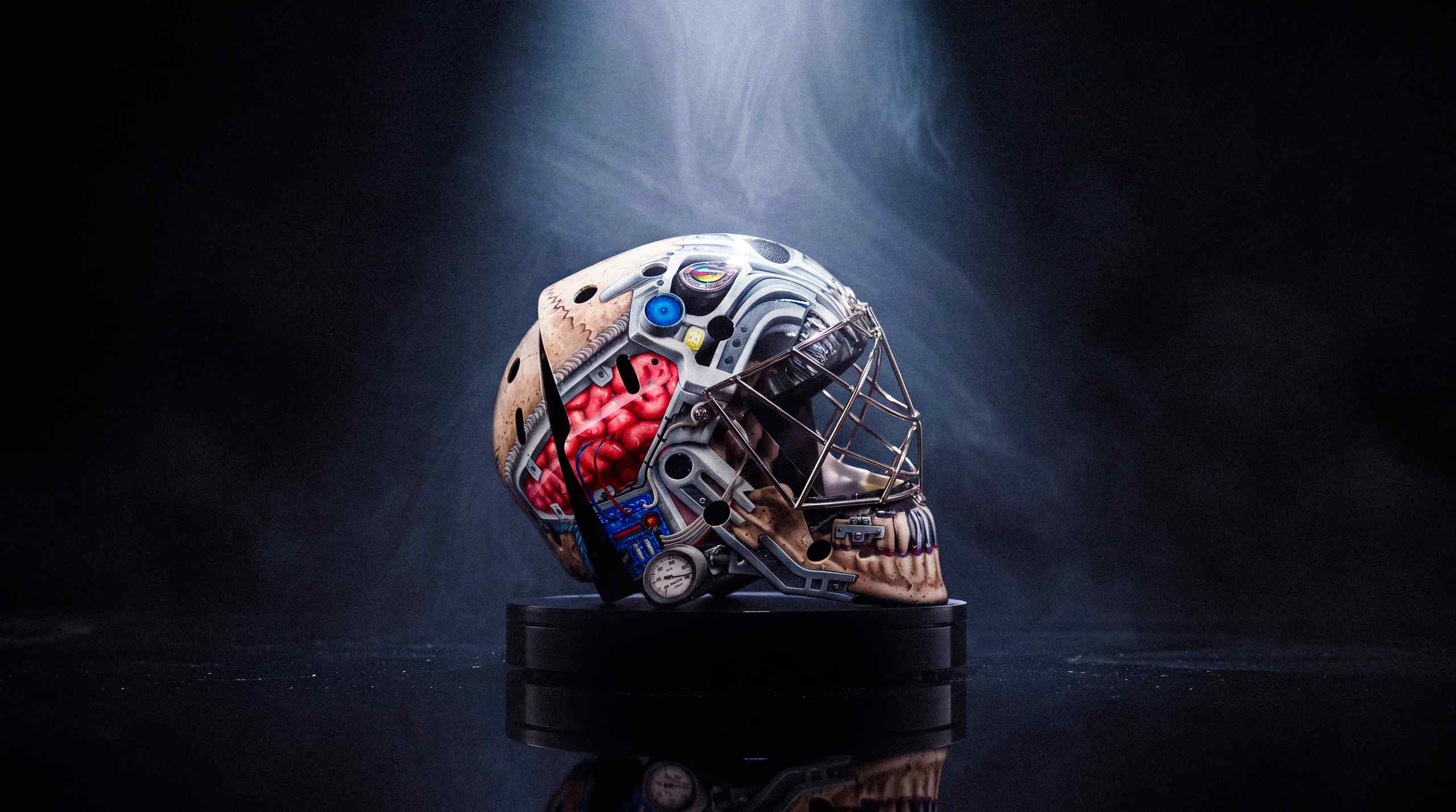
From painted-on stitches to a cyborg skull wired with Canadiens history, these 10 goalie masks turned protective gear into some of the best art in sports.
By Cole Rush
The NHL Needs a Cold Shower After Failed Romance Audiobooks
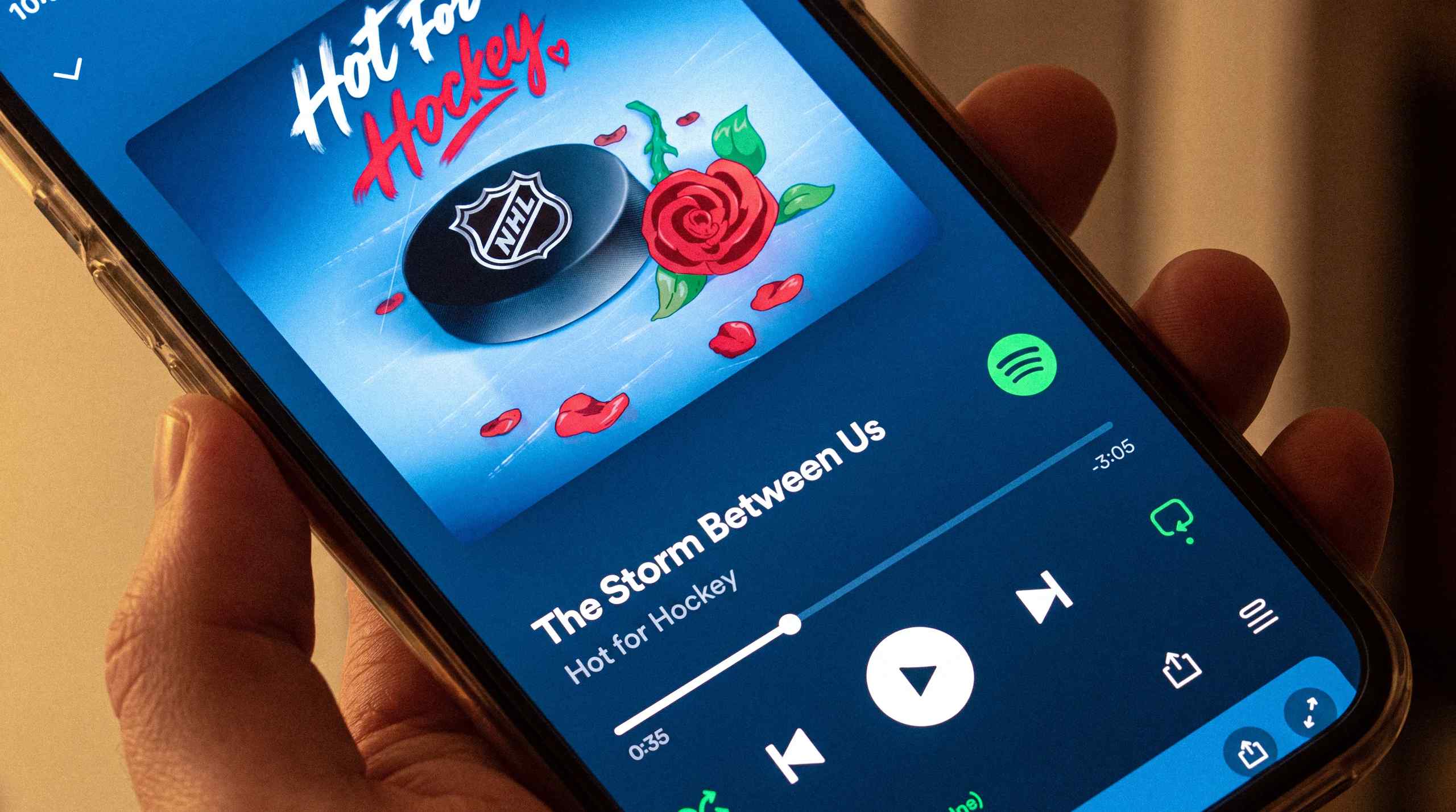
The NHL's "Hot for Hockey" audiobooks vanished from Spotify within a week, joining Stan Lee superheroes and a glowing puck on the league's long list of strange swings for new fans.
By Cole Rush