
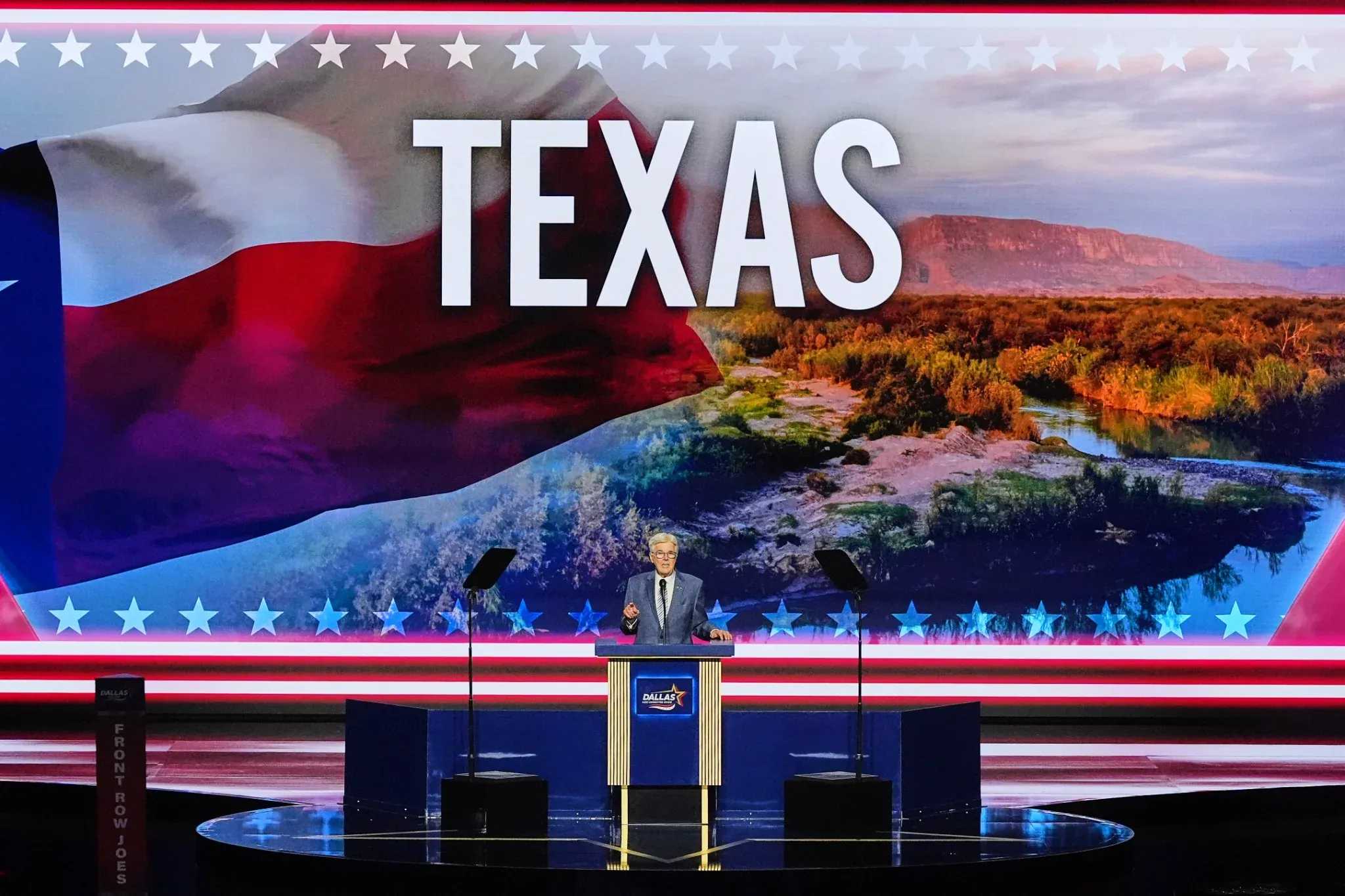
Is Texas Sports Betting Finally Back on the Table?
Dan Patrick's defeat removes the biggest roadblock to Texas sports betting, but a Republican Senate and a two-thirds vote requirement mean the jackpot is still far from guaranteed.

For years, Texas sports betting supporters have run into the same wall. Bills could clear the House, but they died in the Senate, where Lt. Gov. Dan Patrick decided what moved.
That wall just came down. On Nov. 3, Democrat Vikki Goodwin unseated Patrick, and Democrat Gina Hinojosa defeated Gov. Greg Abbott. The question now is whether a new political map can finally unlock one of the biggest untapped betting markets in America.
How Big Could the Texas Market Be?
*Tax Foundation projections for an expanded, competitive legal market with a 10% tax on gross gaming revenue.
| State | Population (2025) | Estimated Annual Sports Betting Tax Revenue* |
|---|---|---|
| California | 39.36M | $570M |
| Texas | 31.71M | $326M |
| Florida | 23.46M | $199M |
Texas is the second-most-populous state in the country, with roughly 31.7 million residents, according to the U.S. Census Bureau. It's also growing fast while California stalls.
The Tax Foundation estimates a mature Texas market could produce about $3.26 billion in annual gross gaming revenue. Taxed at 10%, that's roughly $326 million a year for the state. Only California offers more upside.
For a real-world comparison, look at New York. Its mobile sportsbooks took about $26.3 billion in bets in 2025, and with a sky-high 51% tax rate, the state collected roughly $1.3 billion in sports betting taxes. Texas has about 12 million more people than New York.
Then there's the sports culture. Texas is home to the Cowboys and Texans, the Mavericks, Rockets and Spurs, and the Rangers and Astros, plus college football that borders on religion. It's one of the biggest prizes left, alongside California, in the states leaving billions in gambling money on the table.
What Changed on Election Night
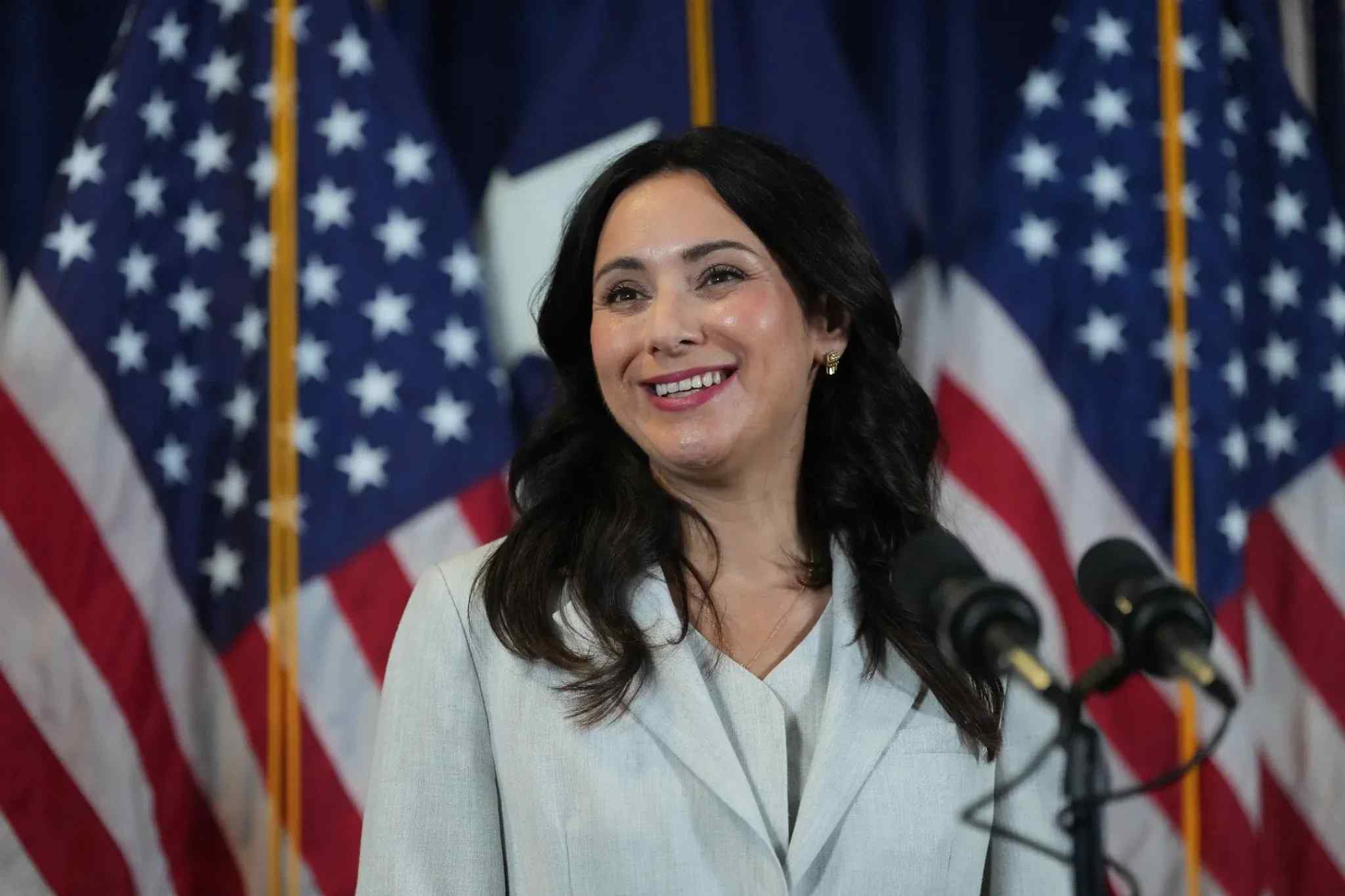
The Texas Tribune called it a "political earthquake." Hinojosa became the first Democrat elected governor since Ann Richards. Goodwin beat Patrick by about 52% to 46%, according to KERA. Democrats also won control of the Texas House, while Republicans kept the Senate.
For sports betting, Goodwin's win matters most. As lieutenant governor, Patrick controlled which bills reached the Senate floor, and he repeatedly blocked gambling expansion. Goodwin, by contrast, has supported letting Texans vote on the issue.
Hinojosa is a different story. As a state representative, she voted against the 2023 constitutional amendments on sports betting and casinos, according to KPRC. She hasn't released a plan to legalize either. Democratic wins do not automatically mean pro-gambling votes.
Why Texas Has Resisted
Texas came close to legalizing sports betting in 2023. The House passed a sports betting amendment 101-42, barely clearing the two-thirds threshold. Patrick never let it get a Senate vote.
In 2025, lawmakers tried once more, this time including proposals for destination casinos alongside sports betting. Patrick again stood firm, saying the Senate wouldn't play along. The session ended without a gambling bill passing.
While Patrick was among the most vocal opponents, he wasn’t the only p;ayer in this particular game. Baptist groups and other religious organizations have fought expansion for years, citing addiction and financial harm. The industry isn't unified, either. Casino interests want destination resorts, while sportsbooks and the state's pro teams want mobile betting. Those goals don't always line up.
Does the New Landscape Change Everything?
It changes a lot, but not everything. Sports betting in Texas requires a constitutional amendment. That means at least 100 votes in the 150-member House and 21 votes in the 31-member Senate, followed by a statewide vote.
Right now, The House math looks friendlier than it’s ever been. The Senate is the real obstacle. Republicans hold 19 seats to Democrats' 12, so supporters would need at least nine Republican senators to reach 21, and that’s only if every Democrat votes yes. Republican senators could also rewrite chamber rules to limit Goodwin's power over committees and the floor.
One wrinkle could prove to be a catalyst The governor can't veto a constitutional amendment, so lawmakers could send one to voters without Hinojosa's signature. She would still shape the follow-up law that sets licensing, taxes, and regulation.
What Would Legal Betting Mean for Texas?
Supporters point to tax revenue, licensing fees, and consumer protections. Texans already bet, whether through offshore sites, prediction markets and DFS apps, or road trips to neighboring states. A regulated market would bring identity checks, age limits, and responsible gambling tools.
Critics counter that legal betting expands gambling rather than just capturing it, and that problem gambling rises with easy access. In New York, calls to problem gambling helplines rose alongside mobile betting tax revenue. Whether a legal Texas market would meaningfully displace offshore books would depend on taxes and rules. Price the product too high, and bettors stay where they are.
Is 2027 the Year?
The next chance comes in the 2027 legislative session, which starts in January. If lawmakers pass an amendment, voters would most likely decide in a statewide election later that year. Then the Legislature would still need to write the rules, and sportsbooks would need licenses. Realistically, Texans probably wouldn't place a legal bet at home before 2028.
That's the best-case path. The environment for a debate has clearly improved. An actual path to passage still runs through a Republican Senate that has never embraced gambling.
Texas is closer than it's ever been, but there's still plenty of ground to cover before the first legal bet.
Cole Rush is a freelance writer, crossword constructor, and creative tinkerer with more than 10 years of experience writing about anything and everything. Cole’s primary area of expertise is the gambling industry, covering the expansion of sportsbooks and online casinos alongside emerging spaces like sweepstakes casinos and prediction markets.
More Articles like this
Could Connor McDavid Actually Hit 200+ Points??
McDavid is chasing a club only Gretzky has entered. Three reasons he gets there, three reasons he falls short.

By Cole Rush
Ranking The Top 8 Individual Seasons in Sports History
Ohtani’s 50-50 season. Gretzky’s 215 points. Eight legendary campaigns, ranked to start an argument.
By Bill Gelman
Who's Are the Favorites to Win NFL MVP and Other Top Honors?
The MVP lead has changed hands, one rookie race is wide open, and a three-sack performance has transformed another. Which favorites can hold on, and who could crash the party?
By Marcus Mosher
Sports Legends Who Look Like Regular Dudes
From a hot dog-loving hockey ironman to a horse-obsessed NBA MVP, these six legends could blend into any backyard barbecue despite resumes most athletes only dream about.

By Cole Rush
It's All in the Genes: Ranking the 5 Greatest Sports Families
Venus Williams and Serena Williams are Grand Slam champions, while the hockey world witnessed Bobby Hull and Brett Hull enjoy Hall-of-Fame careers.
By Bill Gelman
Nike Is Losing the Sneaker Wars, But It Still Rules the NBA
Nike's sales are sliding and rivals are gaining ground, yet its sneakers still dominate NBA courts. Could basketball provide the spark for a comeback?

By Stuart Hughes