
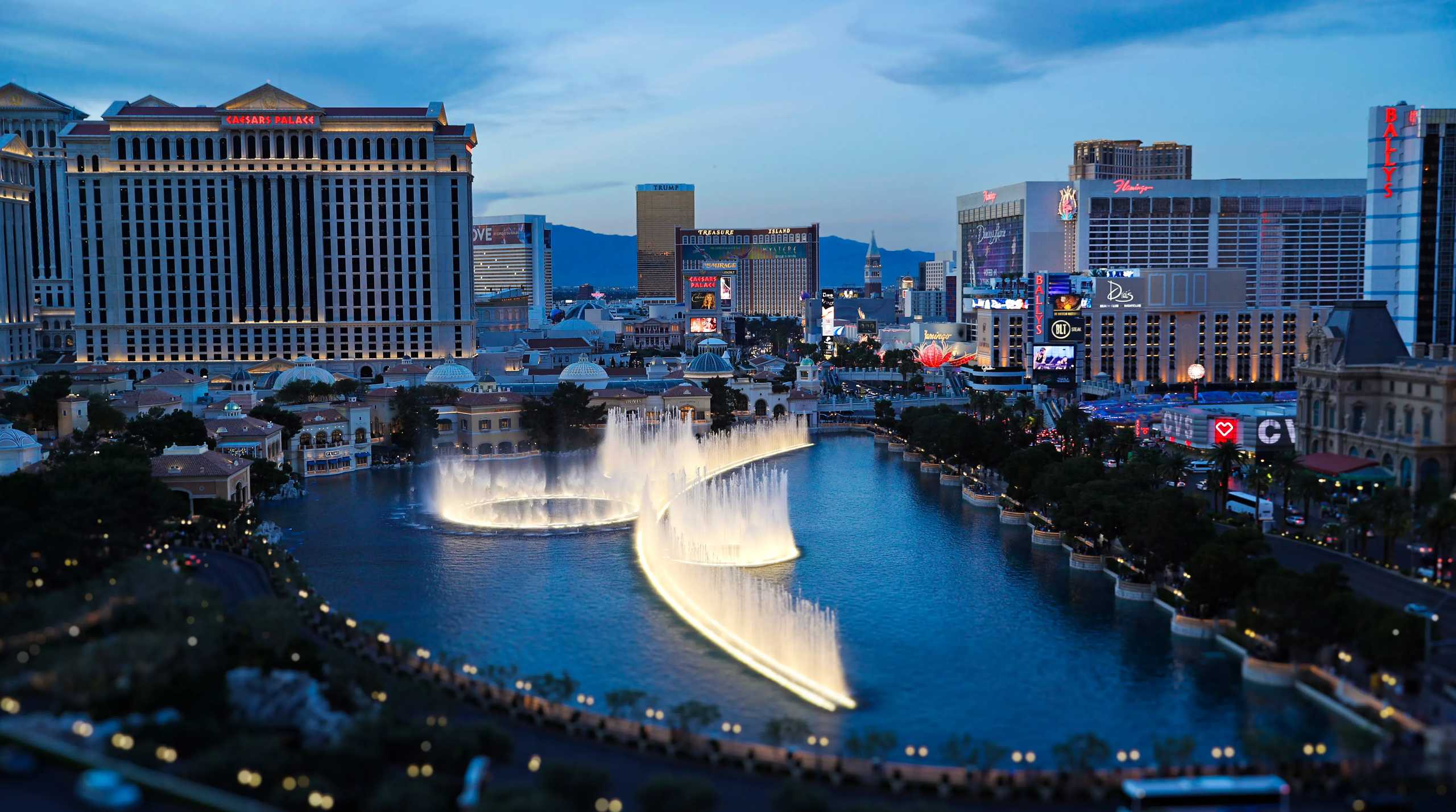
Is Vegas Dead? A Look at the Next Global Gambling Capitals
Budget-friendly Vegas is dead, but while the Strip goes premium, new destinations are popping up around the globe. Do any stand a chance of ousting Sin City as the biggest gambling destination in the world?
.webp)
The majority of those who've been in Las Vegas during the past 20 years can relate to this. You walk along the Strip, noticing all the themed hotels, the dancing fountains, and the never-ending neon signs; play blackjack where the minimum was once $5, with cocktail waitresses always making sure your glass was never empty; and stay in a room for less than what it would cost for a nice meal at home.
Then you go back, and things are different.
The Strip that used to feel like an escape now seems more like a giant corporate theme park, and you have to pay a cover charge.
The same blackjack table now costs more to buy into than you would want to wager in an entire sitting, and the city that was once the ultimate getaway now resembles an expensive business trip.
So. Is Las Vegas dead?
The global gambling landscape at a glance
| Destination | Gaming Revenue (2025/2026) | Primary Audience | Highlights |
|---|---|---|---|
| Las Vegas | $8.9B (2025) | Global | Sports, conventions, entertainment |
| Macau | $30.84B (2025) | Mainland Chinese | High-density mass market |
| Monte Carlo | Not disclosed ($1B estimated in 2025)) | Global ultra-wealthy | Historic luxury, exclusivity |
| Jeju Island | $476M (2025) | Chinese, Japanese | Foreigner-only, duty-free shopping |
| Goa | ≈$270M (estimated GGR based on public license-fee collections) | Indian domestic | Beach tourism, floating casinos |
(Source: GGB Magazine, Bloomberg, SCCG Management, Navhind Times)
Why Las Vegas still sets the standard
No one provides greater entertainment than Vegas! Even now, people are attending conventions, getting to see the $2.3 billion Sphere illuminate the night sky, and enjoying food and networking while they are there, only requiring an almost non-existent amount of contact with the actual convention.
The city has rebranded from a gambling den into the “Entertainment Capital of the World." Over the past decade, the Golden Knights arrived, the Raiders settled in, and the F1 Grand Prix tore up the streets. The Super Bowl came to town. The A's are on their way. Las Vegas has become a sports town with a gambling habit, not the other way around.
It is clear from a detailed study of the numbers that the financials tell a different story.
Gaming revenue for March 2026 totaled $1.427 billion and represented an increase of 11.8% over March 2025. This means the gaming industry is doing well, and the decline in revenues reported during January is not indicative of a downward trend in the gaming industry overall, as evidenced by the increase reported for April of 6.58%.
Let’s be realistic. “Cheap Vegas," as we all once knew it, is no more. The days of low resort fees are gone. No longer do you find $5.00 gaming tables; instead, $25.00 gaming tables have now become the new norm.
The glamour associated with nickel and dime pricing is now replaced by the premium nature of corporate hospitality. The Strip is now a venue for business conventions and high rollers, not for college students going on spring break.
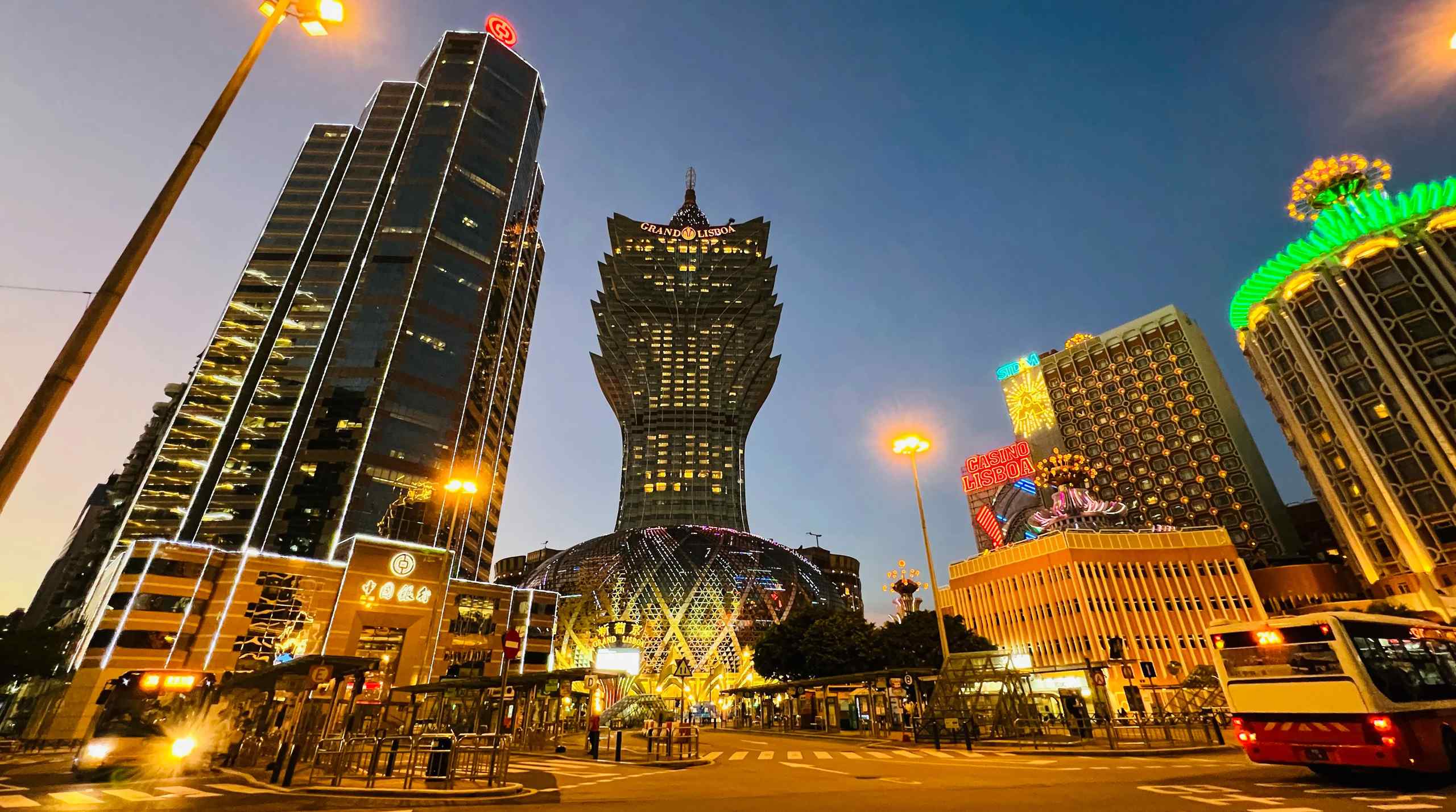
The challengers
Macau
Macau is the elephant in the room: The Chinese special administrative region had gross gaming revenues of more than $30 billion in 2025, and first-quarter 2026 revenues increased 15.9%. In fact, almost 90% of government revenues come from taxes on gaming, and the crackdown on junket operators aimed at high-roller VIPs has shifted Macau's focus to "premium mass" players. While still a ways from Vegas in terms of variety of entertainment, Macau can't be ignored if you look at revenue figures alone.
Monte Carlo
The ultimate luxurious niche of Monte Carlo is beyond reproach. In fact, if you were walking through the Casino de Monte-Carlo, you would be reminded of an art gallery or museum. All gambling is prohibited for Monégasque residents, keeping the mystique alive, and the F1 Grand Prix creating the spectacle. However, this is not really a growth opportunity but rather a way of preserving what has been. Monte Carlo will never achieve the kind of scalability that Vegas or Macau have achieved.
Jeju Island
The most interesting curiosity is Jeju Island. With a foreign-only casino model for South Koreans, Jeju Dream Tower has seen its sales climb to $330 million in 2025 (+61.8% from 2024). Total Jeju casino revenue now stands at a record level of 646.5 billion Won, or $476 million, and continues to benefit from an increase of 17.7% in foreign tourists. Jeju's foreign gamblers have a passport-free entry to an integrated resort-like experience when they play at the casino. However, South Korean citizens cannot play locally, creating a cap on the domestic market for the casinos.
Goa
Goa has a lot of unpredictability to it, as there are six offshore floating casinos and 17 hotels with casinos that have grossed about ₹1,749 crore ($210 million) in the last five years. There is also a huge market for a rapidly growing and affluent middle-class population in India - but due to regulations such as a 200% increase in fees for new onshore casinos, there are limits on the number of vessels operating offshore.
Where is casino tourism growing fastest?
Asia is leading the charge. Jeju's visitor numbers are up 54.1%, with almost 600,000 flocking to the brand-new gaming hub being made.
Macau gaming revenue is back to 85% of pre-COVID levels due to huge amounts of money being spent on resorts/mediating policies that allow the middle class to grow, enabling more gambling.
Indian gamblers have fully embraced gambling in Goa, and its peak has reached ₹603.76 crores (about $70 million).
Now for the hard part: how to balance being responsible with the growth that will come, something that is already familiar to Las Vegas.
Could anywhere truly replace Las Vegas?
You cannot buy branding. Late night, on the Las Vegas Strip, there is so much energy in the air. You have the Eiffel Tower, a pyramid, and the Statue of Liberty all within walking distance from each other. You can take a gondola ride, experience a volcano explosion, and watch dancing fountains all in one night -- Las Vegas is a world --renowned cultural icon.
The infrastructure is tremendous. The airport served more than 50 million passengers last year. The entertainment infrastructure is decades ahead of other places.
But "replace" is the wrong question. The global gaming marketplace is able to support several winners. Macau continues to dominate China. Jeju continues to develop throughout Asia. Monte Carlo remains at the top of the luxury market. Goa continues to set new records with respect to domestic (within India) demand.
The verdict
The Las Vegas culture has evolved: it has changed from being an area that offered low-cost hotel and gambling options to offering a premium experience for guests who could afford to stay and play. Those who can still afford Vegas are continuing to experience the best of the best at a world-class level.
Fremont Street and the tribal casinos provide an option that is cheaper for many people. However, the budgeting of the weekend in Las Vegas has passed.
The gambling crown doesn’t belong to just one city anymore. It is now a global buffet of destinations. Las Vegas has the best shows and entertainment, Macau has the highest number of gamblers, Jeju Island has the easiest access, Monte Carlo has the best reputation, and Goa is the newest gaming market. They are all thriving now.
Lucie brings almost 20 years of iGaming experience, combining sports writing expertise with deep casino knowledge. Her work spans live sports coverage, slot mechanics, player-focused reviews, and strategic casino content. Known for her no-nonsense, first-hand approach, Lucie cuts through jargon to deliver clear, practical insights for both operators and players.
More Articles like this
From NYC to Melbourne: Four Ultimate Sports Vacations
From New York to Melbourne, these four cities offer much more than a game ticket, combining iconic venues, major events, sightseeing, food, and nightlife into a bucket-list sports vacation.
By Bill Gelman
6 Luxury Vacation Destinations That Are Astonishingly Affordable
So, you thought you needed to be rich to vacation like a billionaire? Well, check out these glamorous destinations that famously deliver lavish getaways for far less than you think.
By Stuart Hughes
What to Do Before You Travel With Betting Apps
A little preparation can save you from blocked access and login errors. Knowing how sportsbooks track location helps you stay ahead of the most common problems.

By Charlon Muscat
Long Layover? Here’s When You Should Actually Leave the Airport
Flight delays and lengthy airport layovers are part and parcel of flying these days, so why not seize the chance to head off for a spontaneous adventure outside the airport instead?
By Stuart Hughes
Travel Destinations Where Grown-Ups Still Get To Feel Wonder
Wonder isn't just for kids at a theme park. These five U.S. destinations, from a surreal art maze to a 300-foot redwood grove, are built (or grown) to make grown-ups feel it too.
By Cole Rush
The Case for Taking the Train Instead of Flying
Amtrak just had its best year ever and rolled out a faster Acela. Airlines still win on raw speed. Here's an honest, numbers-first look at cost, comfort, reliability, and emissions, so you can pick the right mode for the right trip.

By Cole Rush