
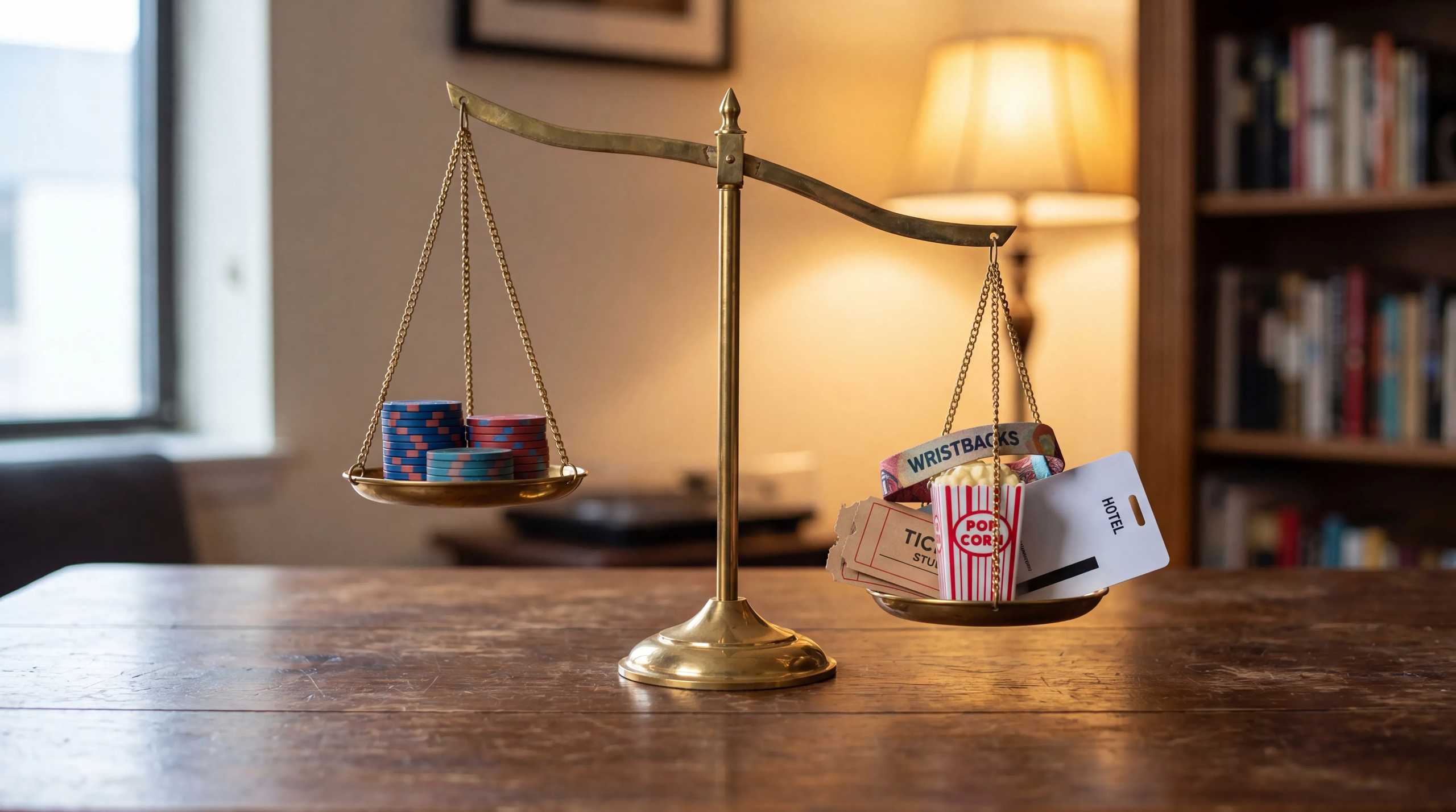
Inflation on the Rise: Is Gambling the Ultimate Inflation-Resistant Pastime?
Tourism, concerts, and streaming have surged, but gambling remains one of the few entertainment activities relatively insulated from inflation.

Inflation has touched almost every part of modern life, but gambling has long been an economically stable industry.
Over the past decade, consumers have watched prices climb for restaurants, travel, concerts, sporting events, streaming subscriptions, and everyday goods. Yet gambling occupies an unusual spot in this landscape. A $20 sports bet is still a $20 sports bet. A $100 blackjack buy-in is still a $100 buy-in.
But that simplicity masks a deeper question. Has gambling actually become more expensive in the inflation era, or does it remain one of the more accessible forms of entertainment?
The short answer is that the bet size has not changed, but the cost of participating has.
How inflation changed entertainment spending
The entertainment sector has been hit hard by inflation. Concert ticket prices have surged as tour production costs, venue fees, and demand for live events have risen. The average price of a major concert ticket has climbed well above 40% since 2015.
Sporting events have seen similar pain. A standard family night at a professional game now includes tickets, parking, food, and merchandise that can easily exceed $300 to $500, even for mid-tier seats.
Travel and restaurants have not been immune. Vacation costs, including hotels, airfare, and resort fees, have risen sharply. Hotel prices in many U.S. cities are up 20% to 30% since the early 2010s.
Restaurant meals have moved in the same direction, with average dinner prices rising 30% to 40% over the past decade. Streaming subscriptions, once the cheap alternative, have also become more expensive as the industry consolidated and removed free tiers.
Consumers increasingly feel the cost of entertainment before the event even begins. A concert, a game, or a weekend trip now requires a significant upfront commitment, and that commitment has grown faster than many other categories of spending.
Entertainment Cost Comparison
| Activity | Average Cost (2015) | Current Average Cost |
|---|---|---|
| Concert ticket | ~$80 | ~$120–$150+ |
| Sporting event ticket | ~$150 (family night) | ~$300–$500+ |
| Streaming subscription | ~$10/month | ~$15–$20/month |
| Bet / wager | $20 | $20 |
Has gambling actually become more expensive?
The wager itself may not have changed, but the gambling experience has. The simplest way to see this is to compare the nominal bet size with the hidden costs of participation.
Casino minimums and table rules
Blackjack minimums have not stayed flat across the board. In many Strip and major casino markets, the standard floor minimum has moved from $10 to $15 in the mid-2010s, and then to $15 to $25 in recent years.
At the same time, casinos have adjusted rules to improve margins. Some tables now pay 6:5 on blackjack instead of 3:2. Certain games have added side bets or reduced payouts on specific outcomes.
Poker rake and tournament fees
Poker has also become more expensive in some formats. The rake on low-stakes cash games has inched up in many markets, and tournament fees have risen as home-event margins and online operating costs have increased.
Sportsbook hold and vig
The sports bet itself has not changed, but the cost of the game has.
Sharper lines, reduced juice on certain bet types, and the introduction of more complex products have subtly shifted the effective cost of betting. For the average bettor, the vig feels higher because the lines are tighter and the products are more volatile.
The case for gambling as an inflation-resistant hobby
Despite these changes, gambling still offers unusual flexibility compared to many other forms of entertainment.
Flexible bankrolls and low entry costs
Few hobbies allow consumers to fully control how much they spend on a given day. In sports betting, a bettor can choose to play a single $5 bet, a small $20 parlay, or a larger $100 wager.
The same applies to online casinos: a player can start with $5 slots play or a $100 session.
Accessibility and hours of entertainment
A player can log in from home, play for an hour, and spend as little as $10 to$20. A sports betting session can provide hours of entertainment for a similar cost.
In contrast, a concert, a professional game, or a weekend trip requires a much larger upfront commitment.
Entertainment hours per dollar
Gambling may offer more hours of entertainment per dollar than many other activities. A $20 sports betting session can last several hours of analysis, game watching, and bet tracking. A $50 online casino session can last a full night.
The counterargument: Inflation changes gambling, too
Even if the bet size remains the same, the overall gambling ecosystem is not immune.
Larger minimums and reduced casino value
As noted, many casinos have raised minimums and reduced value. Value-added promotions, free play, and comps have also been reduced as margins tightened.
Higher resort fees and travel costs
Higher resort fees, hotel costs, and food-and-beverage inflation have made casino trips more expensive. A weekend in Vegas now includes a larger bill for hotel, parking, meals, and drinks. Sports betting operating costs have not changed, but the trip to get there has.
The overall cost of participation
The total cost of a gambling trip now includes more than the bet. The trip itself has become more expensive, and that extra cost can make the overall experience feel like a more expensive hobby.
How gamblers adapt during economic pressure
Periods of economic stress often change consumer behavior, and gambling follows the same pattern.
Smaller bet sizes and online migration
Many bettors have migrated to smaller bet sizes and online platforms. The same bettor who once played $50 may now play $20 online. The overall volume may be similar, but the stakes have shifted downward.
Promotions and bonuses
Promotions and bonuses have become increasingly important tools. Bettors and players now rely more heavily on free bets, deposit matches, and reload bonuses to stretch their bankrolls.
Bankroll management and product shifts
Gamblers have also become more disciplined. Bankroll management is more common, and many players shift between products to find better value. Some move from live to online, some from high-stakes to low-stakes, and some from one game to another.
Conclusion
Inflation has touched almost every part of modern life, but gambling occupies a unique place. The wager itself has not inflated; however, the cost of participation has increased.
Despite these changes, gambling still offers unusual flexibility. A bettor can choose to spend $5, $20, or $100 on a given day. A player can log in from home and play for an hour. The hours of entertainment per dollar are higher than many other leisure activities.
The overall picture is that gambling has not escaped inflation, but it has remained more accessible than many other forms of entertainment. For consumers under financial pressure, the ability to control the stakes and the session length is a rare advantage in an era of rising prices.
Pat Evans is a Grand Rapids-based journalist and editor covering the intersection of business, sports, lifestyle, and gambling regulation. With a background in business journalism and legislative reporting (LSR, iGamingBusiness), he brings an analytical, human-focused approach to stories about modern trends. His work has appeared in regional and national publications, and he is also the author of two books on beer history.
More Articles like this
Are eBay's "Spin the Wheel" Listings Just Gambling?
A corner of eBay Live auctions off wheel spins instead of actual items. Bid starts at $1, the price climbs, and the winner finds out what they bought only after the wheel stops. Here's why that's not really shopping.
By Cole Rush
Casino Carpets Are Ugly. But Not for the Reason You Think
Casino carpets have long been accused of keeping gamblers disoriented and glued to the games. The truth is considerably more practical, though just as strange.

By Cole Rush
The Strange Gambling Laws Behind Cruise Ship Casinos
Cruise ship casinos only open once a ship clears territorial waters, and the odds, oversight, and rules that follow are nothing like a Vegas floor. Here's what actually changes at sea.
By Cole Rush
Six Reasons Bettors Are Starting to Ditch Credit Cards
States are increasingly questioning whether borrowed money has any place in gambling. From instant interest to damaged credit, the risks can extend far beyond the bet itself.

By Charlon Muscat
How Subscriptions Use Gambling Psychology to Hook You
Streaming services, apps, and subscription boxes may look nothing like a casino, but many tap into the same psychological forces that make gambling so hard to walk away from.
By Cole Rush
The Best Gambling Songs Ever Written, Ranked
From Kenny Rogers to Sting, these seven songs go beyond casino clichés to capture the risk, psychology and obsession behind gambling.

By Cole Rush