

How Much More Expensive Is Being a Sports Fan in 2026 vs. 2006?
Being a sports fan used to be cheap. It isn't anymore. Between fractured streaming rights, resale-only ticket markets, and a fantasy industry that monetizes every idle Sunday, the cost of keeping up has more than doubled, and that's before you set foot in a stadium.

Twenty years ago, following your team cost a cable bill and a few game tickets. Now it costs a streaming stack, a resale markup, and ticket prices that have doubled. The bill for being a fan has never been higher.
The emotional cost of caring about your team hasn’t changed—but the financial cost absolutely has.
Going to the Game: Tickets Are Much More Expensive
The Bureau of Labor Statistics tracks the cost of “admission to sporting events” in the Consumer Price Index. Between 2000 and 2025, that category rose 123.1%, compared to 87% for all items and just 36.6% for recreation overall. Ticket pricing outpaced inflation and left most other leisure spending behind.
NFL tickets
- In 2006, the average ticket for an NFL game was $62.38.
- By 2023, the average NFL ticket had risen to $120.94—almost exactly double.
- Season ticket prices climbed 68% on average between 2006 and 2021. Some teams more than doubled theirs.
NBA tickets
- Team Marketing Report data for the 2005–06 NBA season put the league’s average ticket price at $45.92, with big‑market teams already above $75 and some small‑market clubs below $25.
- By the 2020s, NBA averages had pushed past $50 league-wide. Major markets charge $80-$100+ for regular season seats. Finals tickets on secondary markets routinely clear $1000.
MLB tickets
- MLB team pricing in the mid‑2000s typically averaged in the low‑20s, with the most expensive clubs already above $40 and the cheapest below $15.
- In 2024, the average MLB ticket price stood at over $38, up more than $10 from a decade earlier.
- A 2026 study of 2,426 home games found the average minimum ticket across MLB at $34.82, with a $29 median and a range from $16 to over $76 depending on team.
Average Ticket Prices, Then vs. Now
| League | Mid 2000s average ticket price | Mid 2020s average ticket prices |
|---|---|---|
| NFL | $62.38 | $120.94 |
| NBA | $45 | $50+ |
| MLB | $20–$25 | $40 |
Watching Every Game at Home: The Subscription Stack
The other cost that’s exploded is the price of being a completist at home—especially for the NFL.
In 2006, a serious fan needed:
- One cable or satellite package to get CBS, FOX, NBC, ESPN and local sports channels.
- Optional DirecTV NFL Sunday Ticket if they wanted every out‑of‑market Sunday game.
Depending on provider and market, that combo might have landed in the $700–$1,000 per year range, often less with promos: roughly $50–$70 a month for TV, plus a few hundred dollars for Sunday Ticket.
By 2025, the NFL alone requires seven different services to watch every game.
Games now live across:
- CBS, FOX, NBC, ABC (broadcast).
- ESPN and NFL Network (cable/virtual cable).
- YouTube TV (virtual cable) and YouTube’s NFL Sunday Ticket.
- Amazon Prime Video (Thursday Night Football).
- Netflix (Christmas games).
- Peacock (exclusive games).
- ESPN’s direct streaming product
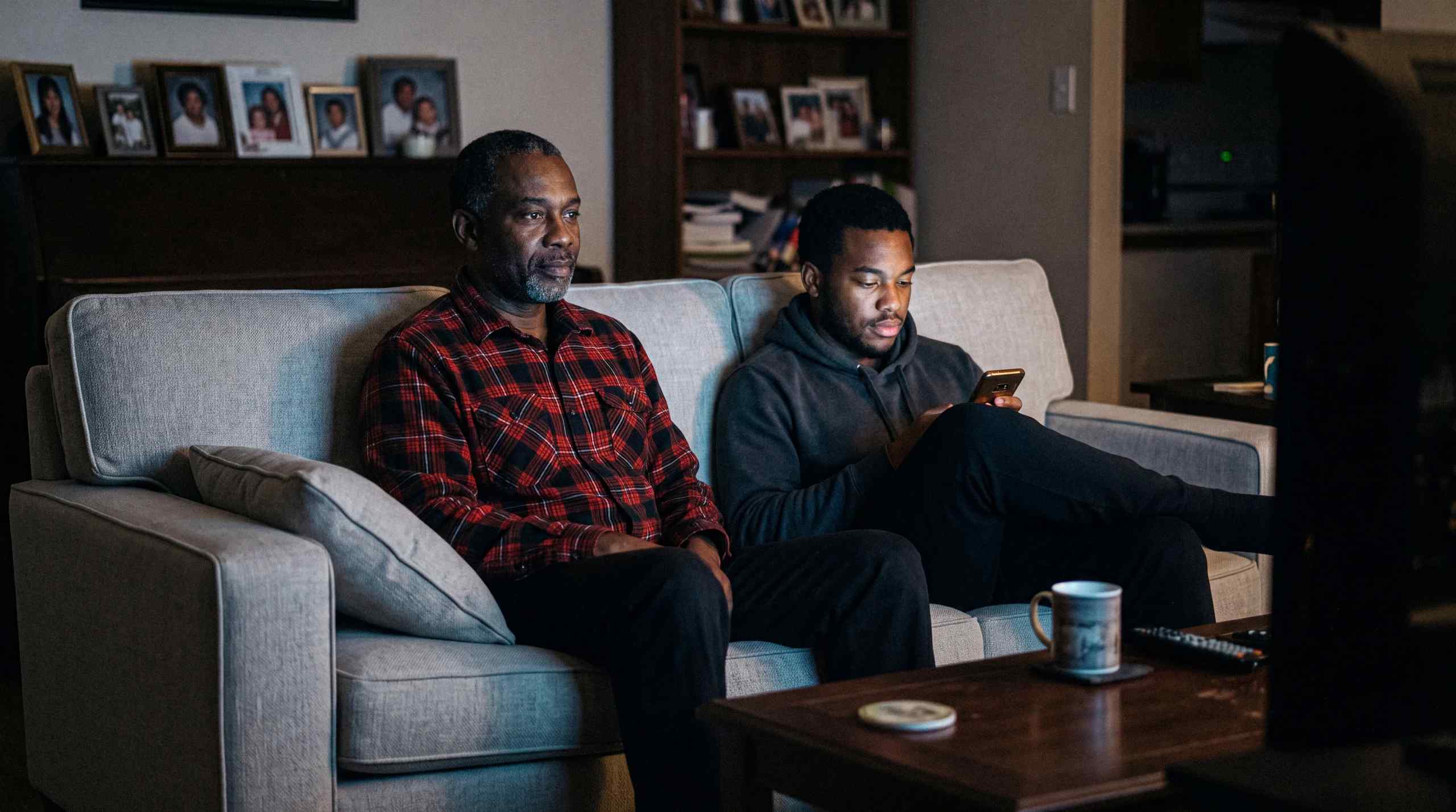
The Price of Sports Packages Has Exploded
Here’s what independent analyses found when they ran the numbers:
- USA TODAY’s breakdown of a comprehensive 2025 viewing plan came to an overall estimated total of $811–$883 for the season, not including taxes.
- Forbes projected “more than $750” in subscriptions for cord‑cutters who want every game, with a minimum bill of around $765 once all required services are added.usatoday+1
- Other deep dives into the math found that depending on options, the stack of subscriptions can plausibly reach $1,200–$1,500 for fans who insist on seeing every snap in the highest quality across all platforms.
Approximate Cost to Watch Every NFL Game
| Year | Typical setup | Estimated Total Cost |
|---|---|---|
| 2006 | Cable + DirectTV Sunday Ticket | $700 to $800 per year |
| 2025 | YouTube TV or similar + Sunday Ticket + Prime + Peacock + Netflix + ESPN+ | $1200 to $1500 per year |
The Bottom Line: Twice the Price, More Complexity
If you zoom out, the numbers tell a straightforward story:
- Ticket prices for major US leagues have roughly doubled since the mid‑2000s, with some teams and events far beyond that.
- The cost of watching every NFL game at home has gone from one cable bill plus one add‑on to a multi‑subscription stack that can easily land between $800 and $1,200 a season—and higher for fans who want every possible platform.ftw.usatoday+2
- Across the broader economy, sporting event admissions have outpaced both general inflation and other recreation categories, rising 123% from 2000 to 2025.
Being a fan costs more than it ever has. The love for your team hasn’t changed. The price of showing it has doubled. That’s not a coincidence; it’s the market.
Marcus Mosher is an experienced NFL analyst and insider with more than a decade covering the league. His work has appeared on Pro Football Focus, The 33rd Team, The Athletic, and USA Today. Specializing in player evaluation, NFL Draft analysis, and sports betting, Marcus blends film study, analytics, and roster insight to deliver sharp, actionable football coverage. He also hosts the Locked On Cowboys and Locked On Dynasty Football podcasts.
More Articles like this
Are Rest Days Overrated? Do You Actually Need a Rest Day From Exercise?
Who doesn’t love and loathe gym rest days in equal measure? From the fear of overdoing it to stressing out about shrinking gains, here’s the science behind striking the perfect balance.

By Stuart Hughes
Why Hobbies Are Good for You (Even Watching Sports)
Research links hobbies to better mood, sharper thinking, and lower disease risk. Even rooting for a team can help, as long as the benefit comes from the community and not just the scoreboard.

By Cole Rush
Is Sitting as Bad as Smoking? Not Even Close
We've all heard that sitting is the new smoking. But while spending too much time on the couch carries genuine health risks, the science behind this alarming comparison tells a very different story.

By Stuart Hughes
Seven Ways Your Brain Tricks You Into Taking Risks
From chasing losses to trusting AI predictions, science reveals seven mental traps that can make risky decisions feel surprisingly reasonable.

By Stuart Hughes
From Creatine to Collagen: Which Supplements Actually Work?
From bigger muscles and healthier skin to getting a better night's sleep, wellness supplement advertising promises the world, but is the marketing department spinning scientific facts?

By Stuart Hughes
The 5 Craziest Wellness Trends People Once Swore By
Beauty is pain, or so the saying goes. Throw in the promise of a shortcut, and people will listen. Some of the wellness trends that caught on, though, were wild even by the standards of their own time.
.webp)
By Charlon Muscat